Easy Office Exercises to Relieve Stiffness
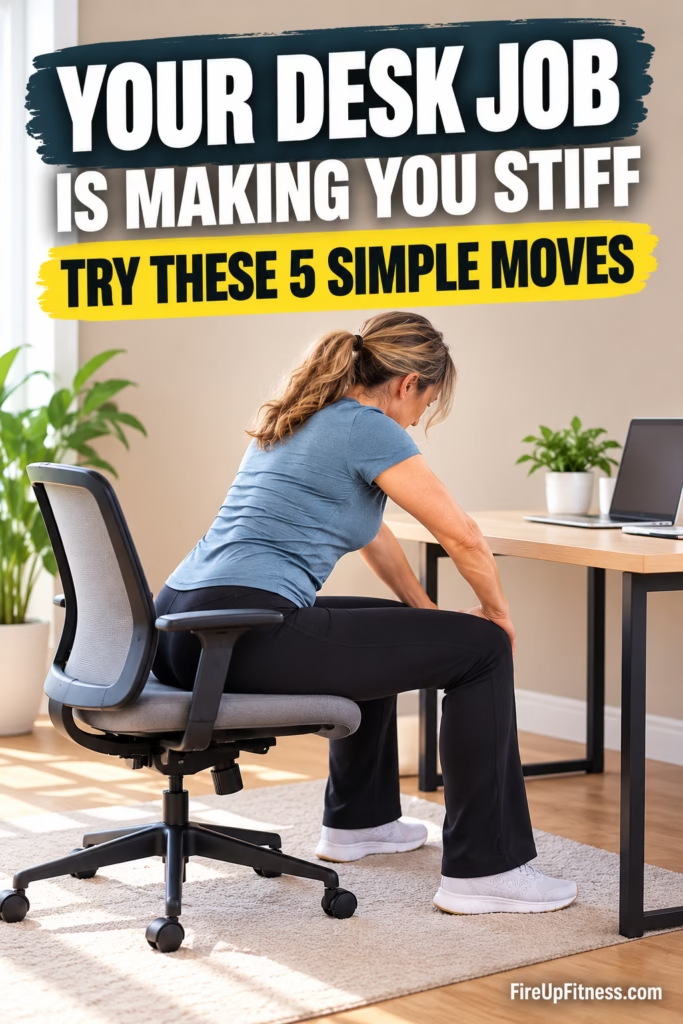
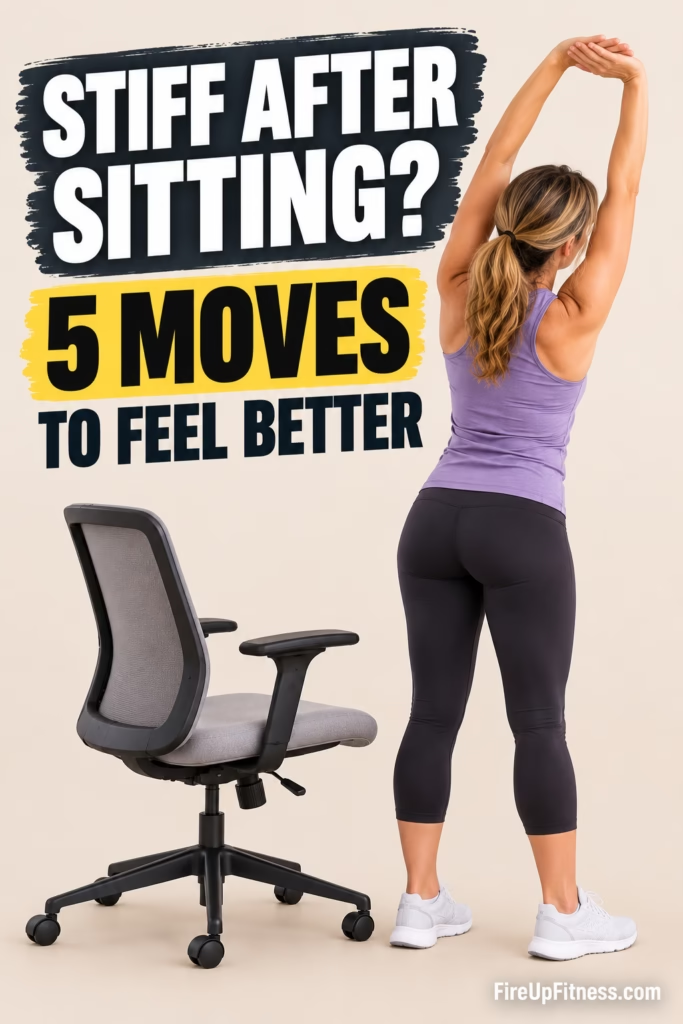
Spending most of your workday sitting at a desk can leave your body feeling tired, stiff, and uncomfortable. Your shoulders tighten, your lower back starts aching, and your legs feel restless. By the afternoon, even getting out of your chair might feel like an effort.
But staying comfortable at work doesn’t require a gym membership or an hour-long workout.
A few simple office exercises can help loosen tight muscles, improve mobility, and make sitting through a busy workday more manageable. You can do most of them right beside your desk, without changing clothes or using special equipment.
Whether you work from home or in an office, these five easy exercises are a practical way to add movement to your daily routine.
Why Your Body Feels Stiff After Sitting All Day
Your body is designed to move, not remain in one position for hours.
When you spend most of your day sitting, your hips stay bent, your legs remain relatively inactive, and your neck and shoulders may become tense from looking at a computer screen.
Over time, this can contribute to muscle stiffness, back discomfort, and fatigue.
The problem isn’t necessarily sitting itself. It’s spending too much time in the same position without giving your muscles and joints a chance to move.
Regular movement breaks can help you feel more comfortable while supporting your overall physical health.
Here are five simple exercises worth adding to your workday.
1. Seated Leg Extensions for Tired, Stiff Legs
After several hours at your desk, your legs may begin to feel heavy or uncomfortable. Seated leg extensions are a gentle way to activate your thigh muscles and move your knees without leaving your chair.
How to Do It
- Sit upright in a sturdy chair with both feet resting on the floor.
- Keep your back supported and shoulders relaxed.
- Slowly straighten your right leg until it is nearly parallel to the floor.
- Hold for 5 seconds while keeping your knee slightly relaxed.
- Lower your foot and repeat with your left leg.
Do: 10 repetitions per leg.
This movement engages your quadriceps, the muscles along the front of your thighs, while allowing your knees to move through a comfortable range of motion.
For an extra challenge, hold your leg straight for a few additional seconds before lowering it.
Keep the movement controlled rather than swinging your legs. If you experience knee discomfort, reduce how far you straighten your leg.
2. Desk Squats to Strengthen Your Legs and Glutes
Squats are one of the most useful exercises you can do during a short break because they strengthen muscles involved in everyday movements.
Every time you stand up from a chair, climb stairs, or bend down to pick something up, you rely on many of the same muscles used during a squat.
How to Do It
- Stand in front of your chair with your feet about shoulder-width apart.
- Keep your chest lifted and your abdominal muscles gently engaged.
- Push your hips backward as though you’re about to sit down.
- Bend your knees and lower yourself slowly.
- Stop at a comfortable depth, then press through your feet to stand again.
Do: 8–12 repetitions.
You don’t need to squat deeply to benefit. Focus on keeping your movements smooth and your knees comfortably aligned with your feet.
Beginner modification: Try chair squats. Lower yourself until you lightly touch the seat, then stand back up. Use your hands for support if necessary.
This exercise is particularly valuable for adults over 40 because maintaining leg and glute strength helps support balance, mobility, and everyday independence.
3. Seated Lower Back Stretch to Release Tightness
A long afternoon at your computer can leave your lower back feeling tight, especially when you’ve been leaning forward or sitting without adequate support.
This gentle stretch provides an opportunity to move your spine and relax the muscles around your lower back.
How to Do It
- Sit near the front edge of a stable chair.
- Place your feet flat on the floor, slightly wider than your hips.
- Rest your hands on your thighs.
- Slowly lean forward from your hips, allowing your upper body to move toward your legs.
- Stop when you feel a comfortable stretch.
- Hold for 15–20 seconds, then slowly sit upright again.
Do: 2–3 repetitions.
Breathe naturally throughout the stretch and avoid bouncing or forcing yourself toward the floor.
You should feel gentle tension, not pain.
If bending forward aggravates your back, skip this movement. A short walk or gentle standing back extension may be more comfortable, depending on the cause of your symptoms.
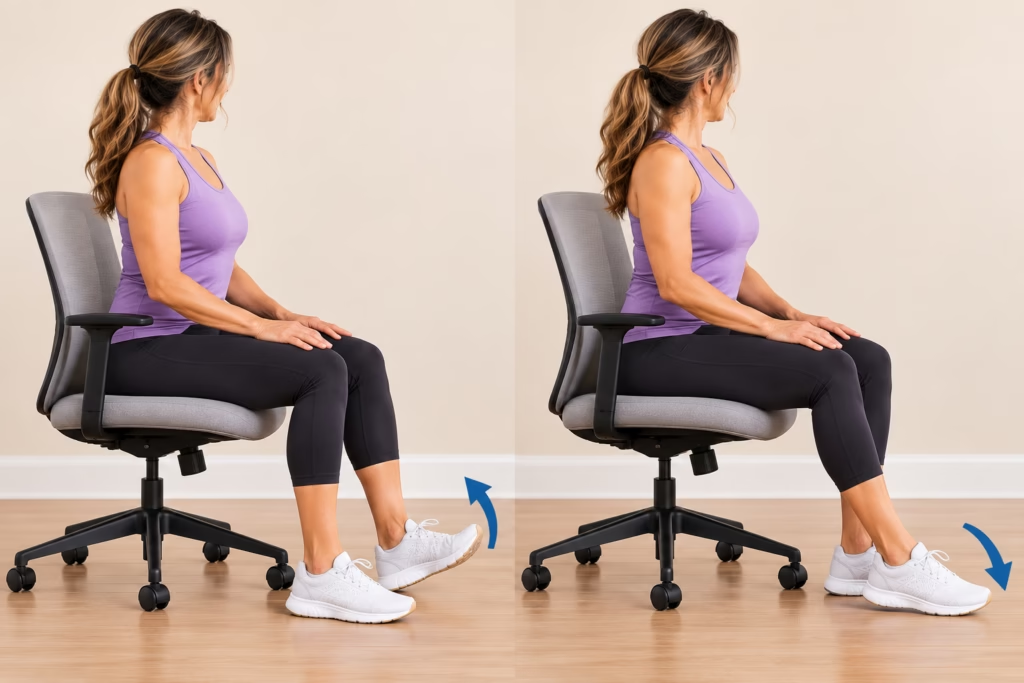
4. Seated Toe Taps to Keep Your Ankles Moving
Toe taps might seem too simple to count as exercise, but they provide a convenient way to activate your lower-leg muscles while working.
They’re particularly helpful when you’re attending a long virtual meeting or completing a task that requires you to remain seated.
How to Do It
- Sit comfortably with your knees bent and feet flat on the floor.
- Keep both heels planted.
- Lift the front of your right foot while keeping your heel down.
- Lower your toes and repeat with your left foot.
- Continue alternating at a steady, comfortable pace.
Do: 30–60 seconds.
You can also perform both feet together or alternate between lifting your toes and raising your heels.
Toe taps activate muscles around your ankles and shins, helping maintain ankle mobility during periods of inactivity.
Although they don’t provide the same cardiovascular benefits as walking or more vigorous exercise, they’re an easy option when getting up isn’t practical.
5. Prayer Hands Stretch to Relax Your Wrists
Hours of typing and using a mouse can leave your wrists and forearms feeling tight.
The prayer hands stretch gently lengthens the muscles and tendons involved in wrist movement.
How to Do It
- Sit or stand with your shoulders relaxed.
- Press your palms together in front of your chest, fingers pointing upward.
- Keep your palms touching as you slowly lower your hands toward your waist.
- Stop when you feel a mild stretch through your wrists and forearms.
- Hold the position, then slowly release.
Do: Hold for 15–20 seconds and repeat twice.
Keep your elbows relaxed and avoid pressing your palms together forcefully.
For a gentler variation, hold your hands higher rather than lowering them all the way toward your waist.
Stop if you notice pain, numbness, or tingling. Persistent hand or wrist symptoms should be assessed by a healthcare professional.
Try This 5-Minute Office Workout
You don’t need to complete a lengthy exercise session to make your workday more active.
This simple routine combines all five movements into one short break.
| Exercise | Duration |
|---|---|
| Seated leg extensions | 1 minute |
| Desk squats | 1 minute |
| Lower back stretch | 1 minute |
| Seated toe taps | 1 minute |
| Prayer hands wrist stretch | 1 minute |
Take a few seconds between movements to change positions and adjust your pace as needed.
You can try this routine during a midmorning break or whenever you’ve been sitting for an extended period.
On particularly busy days, even completing two or three exercises is worthwhile.
How to Stay More Active During a Busy Workday
Desk exercises are useful, but your daily movement shouldn’t end there. A few changes to your work habits can help reduce the amount of time you spend sitting continuously.
Take short walking breaks. Get up approximately every 30–60 minutes, even if it’s only to refill your water bottle or walk around the room.
Make phone calls more active. Stand or walk during calls that don’t require you to look at your screen.
Check your workstation. Position your monitor at a comfortable viewing height, keep your keyboard close, and adjust your chair so your feet are supported.
Use part of your lunch break for movement. A 10-minute walk outdoors can provide a change of scenery while helping you accumulate more daily physical activity.
Pay attention to early signs of discomfort. Rather than waiting until your back or shoulders feel painfully stiff, change positions when you first notice tension.
These habits can be especially helpful when you work from home, where it’s easy to move directly from your desk to the couch without much physical activity in between.
Can Office Exercises Help With Fat Loss?
Office exercises aren’t designed to burn large amounts of calories, but they can play a supporting role in an active lifestyle.
Short movement breaks help reduce sedentary time and may make it easier to build more physical activity into your day.
However, meaningful fat loss generally depends on your overall eating habits, energy balance, and activity levels rather than a few minutes of stretching.
For a more complete fitness routine, aim to include regular walking, muscle-strengthening exercises, and other activities you enjoy.
You might also like: Flat Tummy Workout at Home: Tone Your Core Today.
Frequently Asked Questions
What are the easiest office exercises for beginners?
Seated leg extensions, toe taps, and gentle wrist stretches are good starting points because they require minimal space and can be performed while sitting. Chair-supported squats are another option for beginners who want to strengthen their lower body.
How often should I get up from my desk?
A practical goal is to change positions or take a short movement break every 30–60 minutes. The exact frequency can depend on your comfort, mobility, and work schedule.
Can desk exercises help with neck and back pain?
Gentle movement may help reduce stiffness associated with prolonged sitting, but it won’t address every cause of pain. Persistent, worsening, or radiating pain should be evaluated by a healthcare professional.
Do I need workout clothes for office exercises?
No. These exercises involve gentle, controlled movements that can usually be performed in comfortable everyday clothing. Wear stable footwear for standing exercises.
Are five minutes of exercise at work enough?
Five minutes can be a useful way to interrupt sitting and improve your movement habits. However, it doesn’t replace the broader physical activity recommended for overall health, including aerobic exercise and strength training.
Final Thoughts
A busy work schedule doesn’t have to mean spending the entire day sitting still.
These five office exercises offer a simple way to care for your muscles and joints without leaving your workspace. They require very little time, making them easier to fit into a demanding routine.
Start with the movements that feel most comfortable and gradually make short activity breaks part of your workday.
You don’t need to do more all at once. You just need to move a little more often.