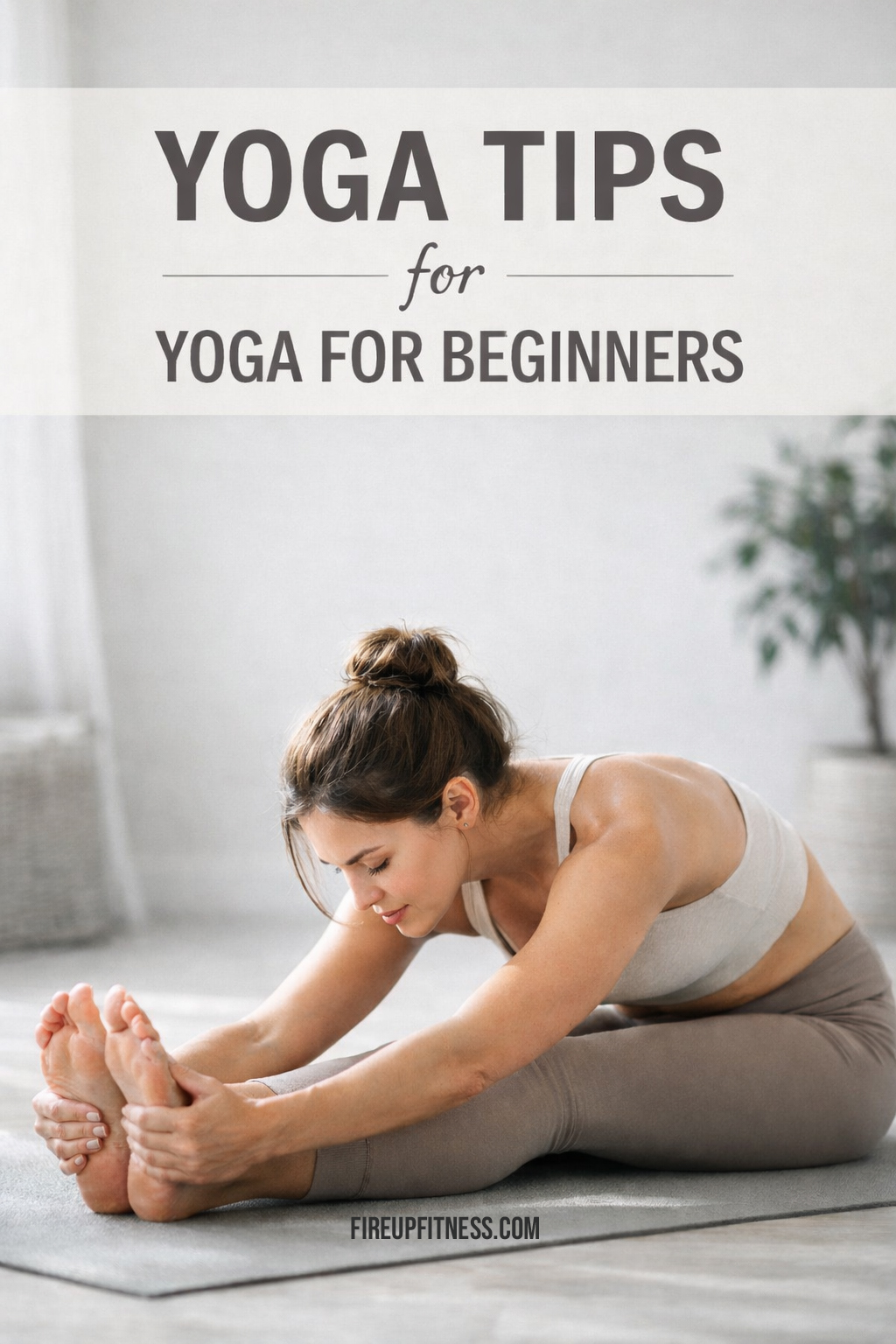
Yoga Tips and Yoga for Beginners: Start with Confidence
Yoga can feel magical for some people and completely overwhelming for others.
One class leaves you calm and energized. Another leaves you confused, sore, and wondering if you’re “just not good at yoga.” The truth is, yoga isn’t about being good at it. It’s about showing up, breathing, and building a relationship with your body at your own pace.
If you’ve ever felt discouraged after trying a class or two, don’t let that define your experience. Sometimes it’s not that yoga isn’t for you — it’s that you haven’t found your rhythm yet.
With the right approach, starting your yoga journey can feel empowering instead of intimidating. Here are five practical, realistic tips to help beginners build a yoga practice that feels sustainable and enjoyable.
1. Fix a Time — Build a Ritual, Not a Random Habit
Consistency matters more than intensity.
One of the biggest reasons beginners quit is inconsistency. Yoga becomes something you “try to fit in” instead of something you protect in your schedule. Pick a specific time and treat it like an appointment with yourself.
Morning sessions help energize and clear your mind for the day. Evening sessions can release tension and improve sleep. There’s no perfect time — only the time that fits your real life.
Even 20–30 minutes a day is enough to create meaningful change.
When you practice at the same time consistently:
- Your body adapts faster
- Your mind resists less
- The habit becomes automatic
Small daily practice beats occasional long sessions every time.
2. Choose a Space That Feels Safe and Calm
Your environment affects your focus.
You don’t need a dedicated yoga room. You need a corner that feels undisturbed. A quiet space without constant interruptions allows you to fully settle into your breath and movement.
If you’re practicing at home:
- Clear clutter from your mat area
- Silence notifications
- Let family members know you need uninterrupted time
If home feels too chaotic at certain hours, adjust your timing instead of abandoning the practice altogether.
Your yoga space doesn’t need to be perfect — it needs to feel intentional.
3. Start Small — Progress Is Built, Not Rushed
One of the most common beginner mistakes is trying to do advanced poses too soon.
Yoga is not a competition. It’s not about flexibility or performing impressive shapes. It’s about awareness, balance, and breath control.
Start with foundational poses and gentle stretches. Focus on proper alignment and steady breathing before worrying about depth or intensity.
A simple beginner session might include:
- Light warm-up stretches
- 4–6 basic poses
- A few minutes of pranayama (breathing exercises)
- 5 minutes of relaxation
Even short sessions build core strength, improve posture, and increase mobility over time.
Progress in yoga often feels subtle at first. Then one day, you realize your balance is better, your breathing is deeper, and your body feels lighter.
4. Find the Right Guidance for You
Not every yoga class will feel right — and that’s normal.
Different instructors teach differently. Some focus on speed. Others emphasize alignment. Some are intense. Others are restorative. If one experience felt overwhelming, explore other options before deciding yoga isn’t for you.
Consider:
- Beginner-focused classes
- Slow-paced sessions
- Online guided videos you can pause and replay
- Short-term programs designed for new practitioners
The right teacher will encourage modifications, emphasize safety, and create a supportive atmosphere rather than pressure.
Yoga should feel challenging in a constructive way — not discouraging.
5. Set the Mood — Prepare Your Mind, Not Just Your Body
Yoga is as much mental as it is physical.
Before stepping onto your mat, pause. Take a few slow breaths. Allow yourself to shift from “doing” mode into “being” mode.
You might:
- Dim the lights
- Play soft instrumental music
- Light a candle
- Spend one minute breathing deeply before beginning
These small rituals help your nervous system relax. When your mind is calmer, your movements become smoother and your breathing becomes more natural.
Yoga is about creating space — physically and mentally.
Common Beginner Mistakes to Avoid
Understanding what not to do can be just as important as knowing what to do.
Comparing yourself to others
Your flexibility and strength are unique. Focus on your own progress.
Holding your breath
If your breathing becomes strained, ease out of the pose. Breath guides movement.
Skipping relaxation
The final rest phase allows your body to absorb the benefits.
Overtraining too quickly
Doing too much too soon leads to burnout or injury.
Expecting instant transformation
Yoga builds strength, mobility, and mental clarity gradually.
Yoga Is a Practice, Not a Performance
The most important thing to remember as a beginner is this: yoga is not about how you look in a pose. It’s about how you feel in your body.
Some days will feel smooth. Others may feel stiff or distracted. That’s normal. Progress isn’t linear.
What matters most is that you keep returning to the mat.
With patience, self-compassion, and steady practice, yoga becomes more than exercise. It becomes a tool for managing stress, strengthening your body, and reconnecting with yourself.
Start where you are. Move with intention. Breathe deeply.
Your yoga journey doesn’t need to be perfect — it just needs to be yours.