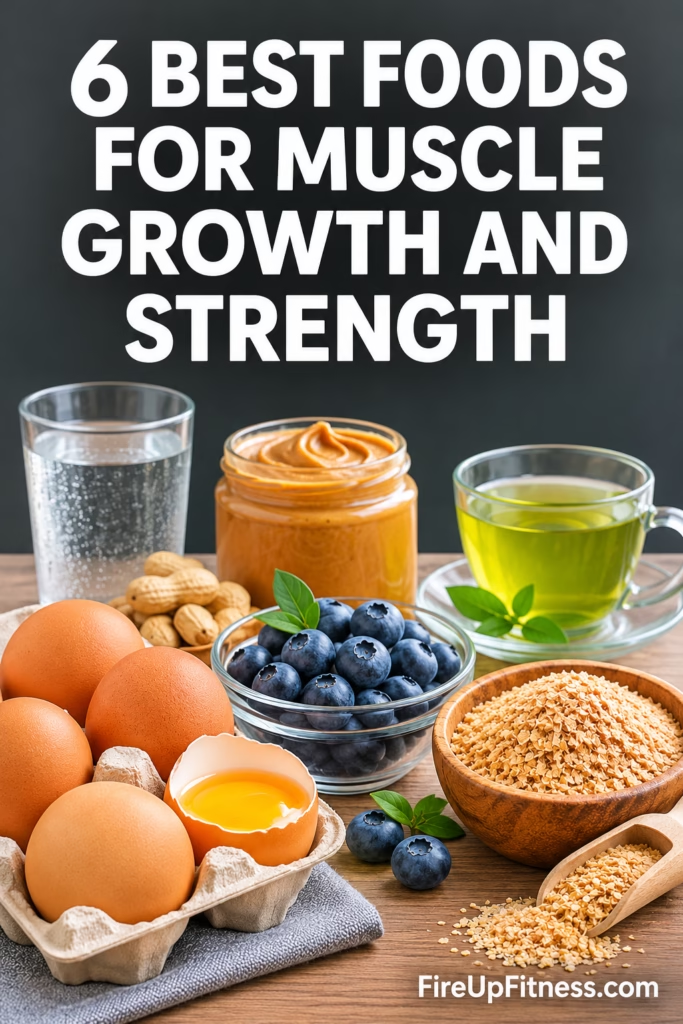
6 Best Foods for Muscle Growth and Strength Naturally
Building stronger muscles takes more than regular workouts. What you eat matters just as much as how you train. Your muscles need protein to repair and grow, carbohydrates to fuel exercise, healthy fats to support overall health, and enough fluids to perform at their best.
Whether you enjoy strength training, Pilates, or simple home workouts, adding the right foods to your daily meals can support muscle recovery and help you get stronger over time.
The good news is that you don’t need expensive supplements or a complicated eating plan. Everyday foods such as eggs, blueberries, peanut butter, and whole grains can provide valuable nutrients.
Here are six foods worth including in a balanced, muscle-supporting diet.
1. Omega-3 Eggs for Muscle Repair and Growth
Eggs are one of the most convenient protein-rich foods for supporting muscle development. They contain high-quality protein with all nine essential amino acids, including leucine, which plays an important role in muscle protein synthesis.
Omega-3-enriched eggs offer an additional nutritional benefit because they contain more omega-3 fatty acids than conventional eggs, depending on how the hens are fed.
Why eggs are good for your muscles:
- Provide approximately 6–7 grams of protein per large egg.
- Supply essential amino acids needed for muscle repair.
- Contain vitamin B12, choline, and other nutrients that support normal muscle and nerve function.
- Offer a convenient source of protein after exercise.
Easy ways to enjoy them: Try scrambled eggs with spinach, a vegetable omelet, or boiled eggs with whole-grain toast. Pairing eggs with other nutritious foods makes it easier to create a satisfying meal.
2. Blueberries for Recovery and Antioxidant Support
Blueberries may not contain much protein, but they can still be a valuable addition to a muscle-building diet.
These small berries contain anthocyanins, natural plant compounds responsible for their deep blue color. Anthocyanins have antioxidant properties that help protect cells from oxidative stress.
Intense exercise temporarily increases oxidative stress in the body. Some research suggests that blueberries may help support certain aspects of exercise recovery, although the evidence is still developing.
Why blueberries deserve a place in your diet:
- Provide antioxidants that support overall cellular health.
- Contain vitamin C, which contributes to normal collagen formation.
- Supply carbohydrates that help replenish energy.
- Add fiber and natural sweetness to meals.
Easy ways to enjoy them: Add fresh blueberries to Greek yogurt, oatmeal, or a smoothie. Combining them with a protein source makes a more complete post-workout snack.
3. Peanut Butter for Protein, Healthy Fats, and Energy
Peanut butter is a simple pantry staple that can help make meals more satisfying while providing nutrients useful for an active lifestyle.
Two tablespoons of peanut butter contain approximately 7–8 grams of protein, along with unsaturated fats and magnesium.
Magnesium supports normal muscle function and helps the body produce energy from food. However, peanut butter alone doesn’t provide enough protein to meet most people’s muscle-building needs.
Why peanut butter can be helpful:
- Provides plant-based protein.
- Contains magnesium for normal muscle and nerve function.
- Supplies healthy fats and concentrated energy.
- Makes it easier to add nutrients to snacks and meals.
Easy ways to enjoy it: Spread peanut butter on whole-grain toast, mix it into oatmeal, or blend a tablespoon into a banana smoothie.
Choose a variety made primarily from peanuts, ideally without unnecessary added sugar.
4. Green Tea for Exercise Energy and Antioxidants
Green tea isn’t a direct muscle-building food, but it can complement a healthy exercise routine.
It contains catechins, including EGCG, which are plant compounds with antioxidant properties. Green tea also provides caffeine, although the amount is generally lower than in coffee.
Caffeine may temporarily improve alertness and certain aspects of exercise performance, depending on the dose and individual tolerance.
Potential benefits of green tea:
- Provides antioxidant plant compounds.
- May improve alertness before exercise.
- Offers a low-calorie beverage option when consumed without added sugar.
- Can contribute to daily fluid intake.
Easy ways to enjoy it: Drink a cup of freshly brewed green tea earlier in the day or before a workout if you tolerate caffeine well.
Green tea should complement a nutritious diet rather than replace protein-rich meals. People sensitive to caffeine may prefer decaffeinated green tea or another caffeine-free drink.
5. Water for Muscle Function and Workout Performance
Water is essential for nearly every process involved in exercise and recovery.
Muscle tissue contains a large amount of water, and maintaining proper fluid balance helps muscles contract normally, regulates body temperature, and supports the transport of nutrients throughout the body.
Even mild dehydration can make physical activity feel harder, especially during longer workouts or exercise in warm conditions.
Why drinking enough water matters:
- Supports normal muscle contractions.
- Helps regulate body temperature during exercise.
- Replaces fluids lost through sweating.
- Supports circulation and nutrient transport.
- Helps maintain physical performance.
Simple ways to stay well hydrated: Drink water regularly throughout the day, have some before exercise, and replace fluids afterward.
Your needs will vary depending on activity level, climate, and how much you sweat. Pale-yellow urine is often a useful general indicator of adequate fluid intake.
For long or particularly sweaty workouts, electrolytes may also be helpful.
6. Wheat Germ for Nutrients That Support an Active Body
Wheat germ is the nutrient-rich inner portion of the wheat kernel. Although it’s often overlooked, it contains several nutrients that fit well into a balanced eating plan.
It provides plant-based protein, magnesium, zinc, vitamin E, and B vitamins. These nutrients contribute to normal energy metabolism, tissue maintenance, and overall health.
Wheat germ also contains a naturally occurring compound called octacosanol. While it has been studied for potential effects on physical performance, there isn’t strong evidence that eating wheat germ shortly before exercise directly increases muscle strength or endurance.
Why wheat germ is worth trying:
- Adds plant-based protein to meals.
- Provides magnesium and other essential minerals.
- Contains B vitamins involved in energy metabolism.
- Supplies vitamin E, an antioxidant nutrient.
Easy ways to enjoy it: Sprinkle one or two tablespoons over yogurt, oatmeal, or smoothies. You can also add it to homemade muffins or pancake batter.
Wheat germ contains gluten and isn’t suitable for people with celiac disease or those who need to avoid wheat.
How to Combine These Foods for Better Muscle Support
Eating individual nutritious foods is helpful, but building stronger muscles depends on your overall eating pattern.
A balanced meal should include a quality protein source, carbohydrates for energy, vegetables or fruit, and some healthy fats.
Here are a few simple meal combinations:
| Meal | Muscle-supporting food idea |
|---|---|
| Breakfast | Omega-3 eggs, whole-grain toast, and fruit |
| Morning snack | Greek yogurt with blueberries and wheat germ |
| Lunch | Chicken, tofu, or beans with brown rice and vegetables |
| Afternoon snack | Apple slices with peanut butter |
| Dinner | Salmon, lentils, or lean meat with sweet potatoes and greens |
| After exercise | A protein-rich smoothie with milk or fortified soy milk and berries |
These combinations offer a mix of nutrients that support training, recovery, and everyday energy.
What Else Helps You Build Stronger Muscles?
Food provides the building blocks, but muscles also need regular activity and recovery to develop.
Prioritize resistance training. Exercises such as squats, lunges, push-ups, resistance-band movements, and dumbbell workouts challenge your muscles and encourage strength improvements.
Eat enough protein throughout the day. Many healthy adults who regularly perform resistance training benefit from approximately 1.2–2.0 grams of protein per kilogram of body weight daily, depending on their goals and circumstances. People with certain medical conditions may need individualized guidance.
Get adequate sleep. Sleep supports normal recovery processes and helps your body adapt to physical activity.
Be consistent. Muscle development takes time. Gradually increasing workout difficulty while maintaining a nutritious diet is generally more effective than relying on a single food or supplement.
Final Thoughts
Building stronger muscles doesn’t require a restrictive diet or expensive nutrition products. Simple foods such as omega-3 eggs, blueberries, peanut butter, green tea, and wheat germ can contribute useful nutrients, while water supports everyday muscle function and exercise performance.
Remember that no single food creates muscle growth on its own. The most meaningful results come from combining balanced nutrition, adequate protein, progressive strength training, and recovery.
Start by adding one or two of these foods to meals you already enjoy. Small, sustainable habits can make healthy eating easier while supporting your long-term strength and fitness goals.
What’s your favorite protein-rich meal or post-workout snack? Share your ideas in the comments and save this guide to your Pinterest healthy eating board for future inspiration.