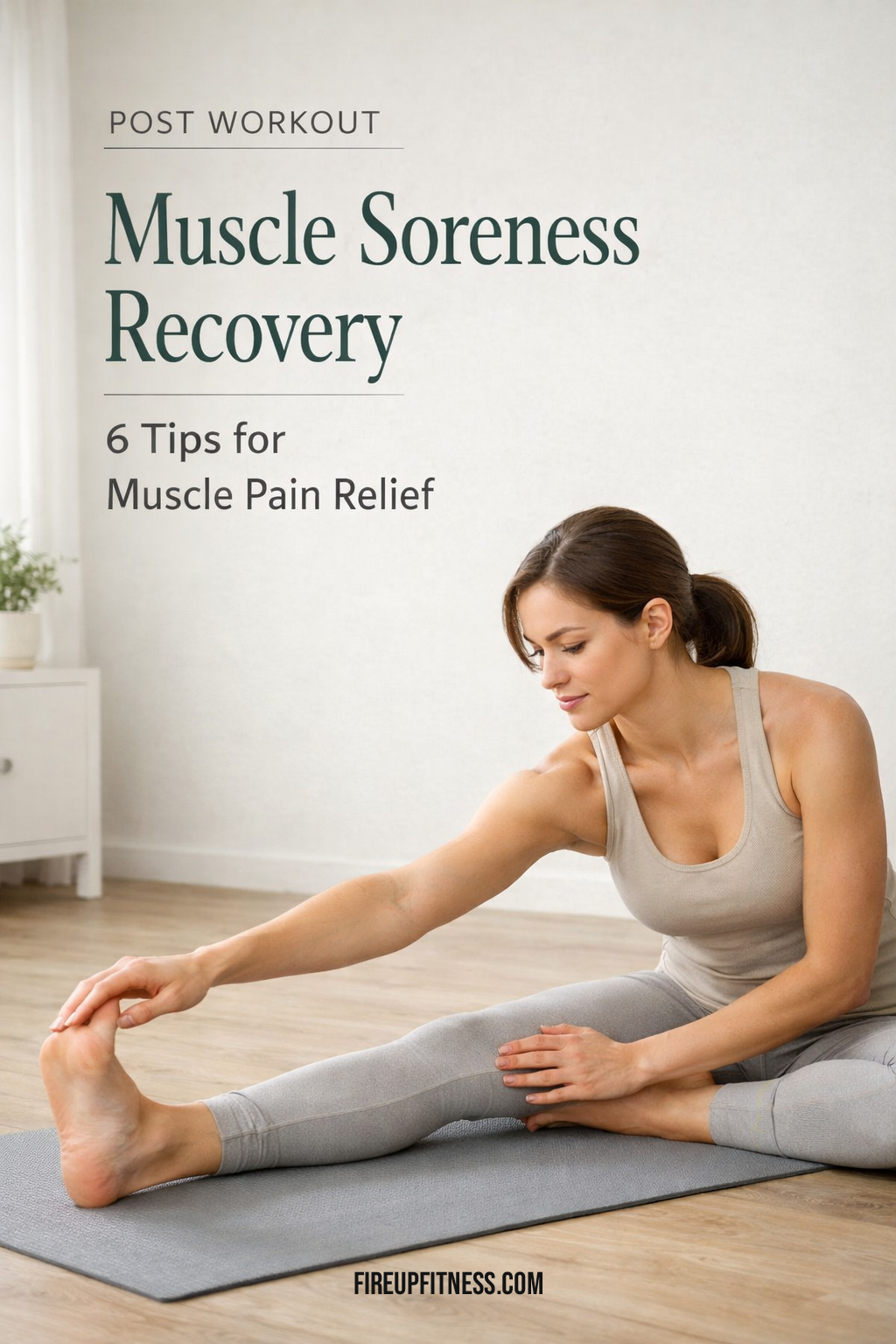
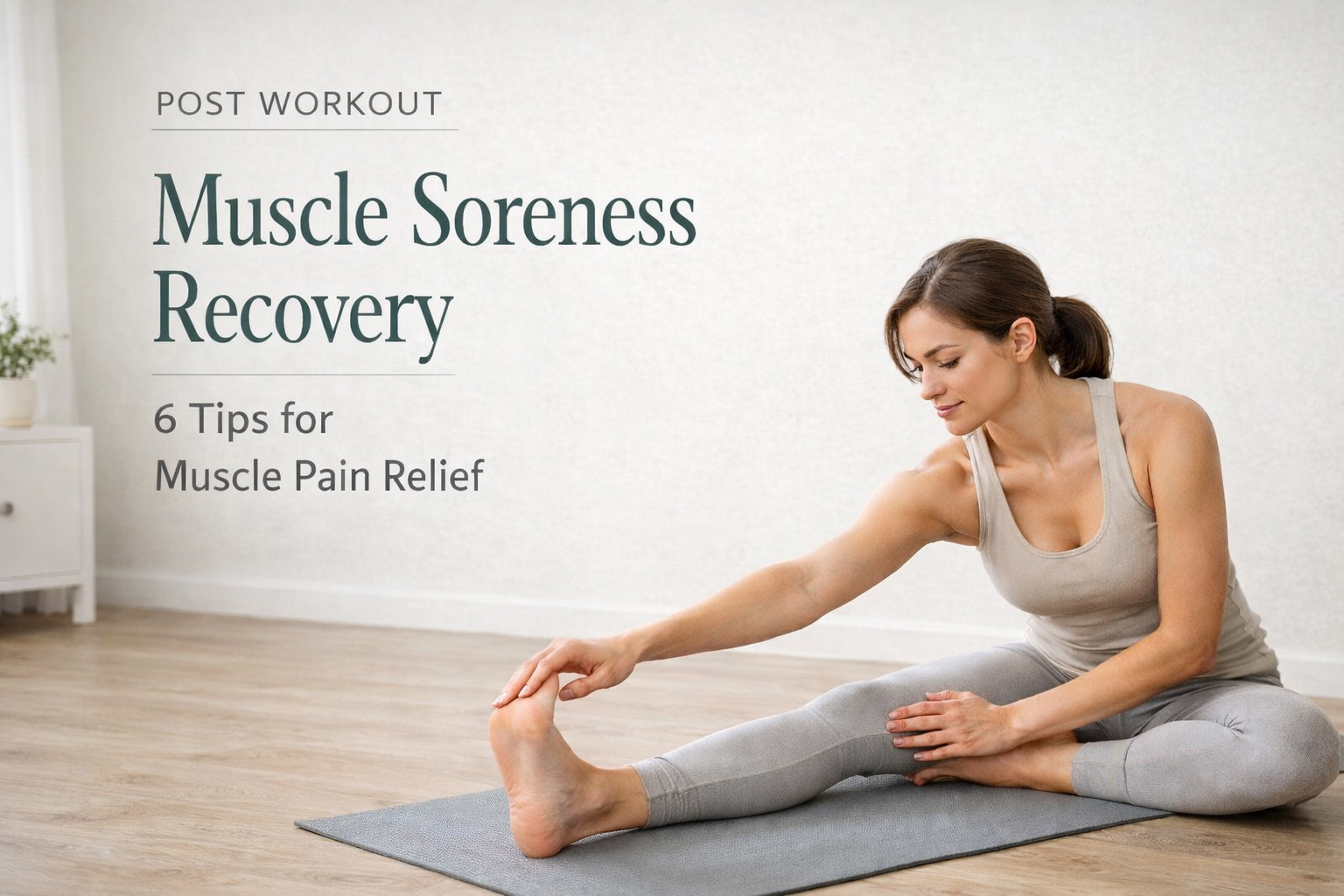
Muscle Soreness Recovery: 6 Tips for Muscle Pain Relief
If you’ve ever pushed through a tough workout, you already know the feeling: your muscles are tired, your body feels heavy, and soreness slowly creeps in a few hours later. That deep ache can be a sign of progress—but without proper muscle soreness recovery, it can also slow you down.
Training challenges both your muscles and your nervous system. When you work hard physically and mentally, your body needs intentional recovery to rebuild, repair, and come back stronger. The good news? Effective muscle pain relief doesn’t have to be complicated.
When you balance stress with proper relaxation, you don’t just improve physically—you become more emotionally stable, productive, energized, and healthier overall.
Here are powerful, practical ways to support muscle soreness recovery and help your body relax after intense training.
1. Sip Green Tea for Natural Relaxation
After a demanding workout, your body isn’t just physically stressed—your nervous system is activated too. That’s where green tea can help.
Green tea contains L-theanine, an amino acid known for promoting calmness without causing drowsiness. It helps reduce mental tension, irritability, and stress—factors that can worsen muscle tightness.
While green tea isn’t a direct cure for soreness, reducing stress supports overall muscle soreness recovery by lowering cortisol levels and promoting relaxation.
How to use it:
- Brew 1 cup of green tea post-workout or in the evening.
- Avoid adding excessive sugar.
- Pair it with deep breathing for extra calming effects.
When your mind relaxes, your body follows.
2. Take a Spoonful of Honey
Honey is more than just a natural sweetener. It contains antioxidants and anti-inflammatory compounds that may support overall recovery.
After intense training, your body experiences microscopic muscle damage and inflammation. While inflammation is part of the repair process, excessive stress can amplify it.
Honey may:
- Support immune function
- Provide quick natural carbohydrates to replenish glycogen
- Help reduce oxidative stress
Some research also suggests honey may positively influence mood and brain inflammation, which can indirectly support muscle pain relief by lowering overall stress levels.
Simple tip:
Add a teaspoon of raw honey to warm water or tea after your workout.
3. Practice 5 Minutes of Meditation
One of the most overlooked tools for muscle soreness recovery is mental recovery.
Stress increases muscle tension. If your body stays in a constant “fight or flight” state, your muscles remain tight—even when you’re not training.
Just five minutes of meditation can:
- Lower cortisol levels
- Improve circulation
- Reduce muscle tension
- Support emotional stability
How to do it:
- Sit in a quiet place.
- Close your eyes.
- Inhale deeply for 4 seconds.
- Hold for 4 seconds.
- Exhale slowly for 6 seconds.
- Repeat for 5 minutes.
You’ll often notice that your shoulders drop and your body softens. That release helps support muscle pain relief naturally.
4. Try Progressive Muscle Tension and Release
This simple technique helps relieve muscle stiffness by increasing awareness and promoting relaxation.
Here’s how:
- Take a deep breath.
- Gently squeeze or contract a sore muscle (like your deltoid).
- Hold the contraction for about 5 seconds.
- Release completely.
- Allow the muscle to relax fully.
- Move to another muscle group.
This technique is known as progressive muscle relaxation. It improves blood flow and reduces unconscious muscle clenching caused by stress.
It’s especially helpful for:
- Shoulder tightness
- Neck stiffness
- Post-leg day soreness
- Upper back tension
This method supports muscle soreness recovery by improving circulation and teaching your body to relax intentionally.
5. Stretching for 20–30 Seconds
Stretching is one of the most effective tools for muscle pain relief when done correctly.
After training, your muscles shorten and tighten. Gentle stretching helps restore normal length, improve flexibility, and enhance circulation.
Guidelines for safe stretching:
- Hold each stretch for 20–30 seconds
- Stretch until you feel mild tension, not pain
- Avoid bouncing
- Focus on breathing
Yoga poses are particularly effective because they combine stretching with breath control and relaxation.
Great options include:
- Child’s Pose
- Seated Forward Fold
- Cobra Stretch
- Standing Hamstring Stretch
Stretching consistently improves long-term muscle soreness recovery and reduces the risk of injury.
6. Do Low-Intensity Cardio
When you’re sore, intense exercise might not sound appealing—but light movement can actually help.
Low-intensity cardio increases blood circulation, delivering oxygen and nutrients to sore muscles while removing waste products like lactic acid.
Examples include:
- Walking on a treadmill for 20–30 minutes
- Easy cycling
- Light jogging
- Swimming
- Slow-paced rowing
This approach is often called “active recovery.”
Active recovery:
- Reduces stiffness
- Speeds up muscle soreness recovery
- Improves mobility
- Boosts mood
Movement heals. Complete inactivity often prolongs stiffness.
Bonus: Relaxation Activities That Support Recovery
Muscle recovery isn’t just physical—it’s emotional and mental too.
Simple activities can enhance muscle pain relief:
- Listening to calming music
- Watching a favorite show
- Taking a walk outdoors
- Spending time at the beach
- Getting fresh air
- Taking a warm shower or bath
These activities reduce stress hormones and allow your body to shift into repair mode.
Why Stress Control Is Essential for Muscle Soreness Recovery
Many people focus only on physical recovery strategies. But chronic stress can delay muscle repair and worsen soreness.
When stress levels remain high:
- Muscles stay tense
- Sleep quality decreases
- Inflammation increases
- Recovery slows down
Managing stress supports:
- Stronger immune function
- Better sleep
- Faster muscle repair
- Higher energy levels
Muscle pain relief isn’t just about what you do for your body—it’s also about how you care for your mind.
Conclusion
Muscle soreness is a normal part of growth—but suffering through it without proper recovery isn’t necessary.
By incorporating simple habits like:
- Drinking green tea
- Using honey strategically
- Meditating for five minutes
- Practicing progressive muscle relaxation
- Stretching regularly
- Doing low-intensity cardio
You support effective muscle soreness recovery and experience natural muscle pain relief.
Remember: Recovery isn’t weakness. It’s part of the training process.
When you control stress and intentionally relax your muscles, you boost your energy, strengthen your immune system, and set yourself up for long-term health and performance.
Train hard. Recover smarter. Stay consistent.