Sciatica Pain Relief: A 5-Minute Yoga Routine to Ease Low Back Pain Naturally
Sciatica pain has a way of sneaking into everyday life. One moment you’re fine, and the next you’re dealing with sharp, radiating discomfort that travels from your lower back through your hips and down one leg. Sitting, standing, even sleeping can feel uncomfortable when the sciatic nerve is irritated.
If you’re searching for sciatica pain relief that doesn’t involve complicated routines or long workouts, gentle yoga may be one of the most effective places to start. The right yoga poses can help release tension, improve mobility, and support low back pain relief—often in just a few minutes a day.
This simple 5-minute yoga sequence is designed for real life. It’s slow, approachable, and focused on helping your body relax rather than forcing it to stretch.
Understanding Sciatica and Low Back Pain
Sciatica occurs when the sciatic nerve—the longest nerve in the body—becomes compressed or irritated. This often happens due to tight muscles, poor posture, prolonged sitting, or strain in the lower back and hips.
Common symptoms include:
- Pain that radiates from the lower back into the hip, buttock, or leg
- Tightness or stiffness in the hips and hamstrings
- Discomfort that worsens with sitting or sudden movements
While severe or persistent pain should always be evaluated by a medical professional, many people find that gentle movement plays a key role in how to relieve back pain day to day.
Why Yoga Works for Sciatica Pain Relief
Yoga focuses on slow, controlled movement paired with steady breathing. This combination helps calm the nervous system while gently releasing tight muscles that may be pressing on the sciatic nerve.
When practiced consistently, yoga can:
- Improve flexibility in the hips and hamstrings
- Reduce tension in the lower back
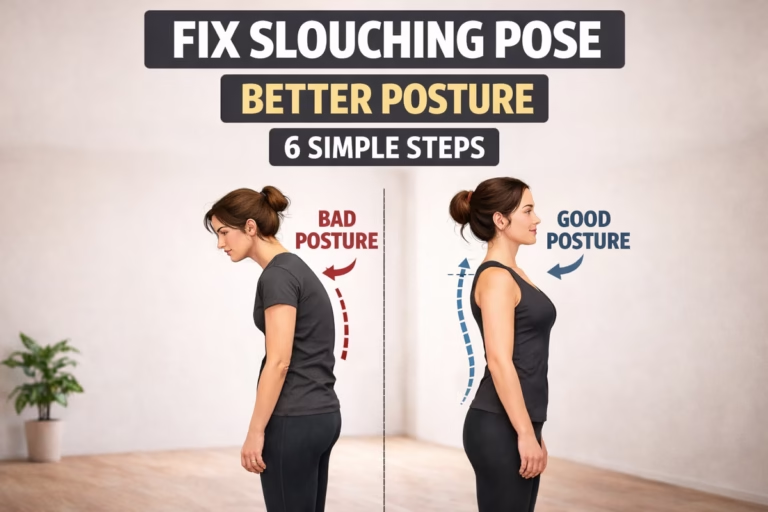
- Encourage better posture and spinal alignment
- Increase circulation to irritated areas
The goal is not to “push through” pain, but to create space in the body—especially around the lower spine and hips.
A 5-Minute Yoga Sequence for Sciatica Pain Relief
This short sequence can be done once or twice daily. Move slowly, breathe deeply, and stop if anything causes sharp or worsening pain.
Staff Pose (Dandasana)
This pose sets the foundation for proper posture and gentle spinal alignment.
Sit on the floor with your legs extended straight in front of you. Flex your feet and press your thighs gently into the floor. Sit tall, lengthening your spine without forcing it. Rest your hands beside your hips or on your thighs.
Stay here for several slow breaths, focusing on sitting evenly and relaxing your shoulders.
Seated Spinal Twist (Ardha Matsyendrasana)
Seated twists help release stiffness in the lower back while improving spinal mobility.
From Staff Pose, bend one knee and place your foot on the outside of the opposite thigh. Keep your other leg extended. Inhale to lengthen your spine, then gently twist toward the bent knee on your exhale.
The movement should feel easy and controlled. Hold for 30 to 45 seconds, then switch sides.
Reclined Figure-Four Pose (Supta Kapotasana)
This pose targets the hips and glutes, especially the piriformis muscle, which is often involved in sciatic nerve irritation.
Lie on your back with both knees bent. Cross one ankle over the opposite knee, forming a figure-four shape. If comfortable, draw the supporting leg toward your chest.
Hold the stretch gently, keeping your neck and shoulders relaxed. Breathe slowly for 30 to 60 seconds before switching sides.
Reclined Hand-to-Foot Pose (Supta Padangusthasana)
Tight hamstrings can pull on the lower back and worsen sciatic discomfort. This pose helps lengthen those muscles safely.
Lying on your back, bring one knee toward your chest and extend the leg upward. Hold the back of your thigh or calf, keeping the opposite leg relaxed on the floor.
You don’t need to fully straighten the leg. Focus on ease rather than depth. Hold for several breaths, then switch sides.
Bridge Pose (Setu Bandha Sarvangasana)
Bridge Pose gently strengthens the lower back and glutes while opening the hips.
Lie on your back with knees bent and feet hip-width apart. Press into your feet and lift your hips slowly, keeping your spine long and supported. Avoid overarching the lower back.
Hold for 20 to 40 seconds, breathing steadily, then lower down with control.
Daily Habits That Support Low Back Pain Relief
Yoga works best when paired with small, supportive habits throughout the day.
- Avoid sitting for long periods without breaks
- Change positions often, even during rest
- Practice slow breathing when pain flares up
- Stay consistent with gentle movement
Short daily practices often provide more relief than occasional intense sessions.
When to Be Cautious
Yoga should feel relieving, not painful. If your sciatica symptoms are severe, worsening, or accompanied by numbness or weakness, it’s important to consult a healthcare professional before continuing any exercise routine.
Frequently Asked Questions about Sciatic Pain Relief
What is the fastest way to relieve sciatica pain?
Gentle movement is often one of the fastest ways to ease sciatica discomfort. Light stretching, walking, and beginner-friendly yoga poses can help reduce muscle tension around the sciatic nerve. Avoid long periods of sitting and sudden, forceful movements.
Can yoga really help with sciatica pain relief?
Yes, yoga can be helpful for sciatica pain relief when practiced gently and consistently. Yoga poses that stretch the hips, hamstrings, and lower back may reduce nerve compression and improve flexibility, which can ease symptoms over time.
How often should I do yoga for low back pain relief?
For most people, practicing gentle yoga once or twice a day is enough to support low back pain relief. Even short sessions of 5 to 10 minutes can be effective when done consistently.
Are these yoga poses safe for beginners with back pain?
These yoga poses are generally safe for beginners when performed slowly and without forcing the stretch. It’s important to listen to your body and stop if you feel sharp or worsening pain. Modifications can make the poses more comfortable.
When should I avoid yoga for sciatica?
You should avoid yoga if your sciatica pain is severe, worsening, or accompanied by numbness, weakness, or loss of bladder or bowel control. In those cases, consult a healthcare professional before continuing any exercise routine.
Can I do this routine every day?
Yes, this 5-minute routine is designed for daily use. Many people find that short, gentle practices done regularly are more effective than longer, occasional sessions.
Final Thoughts
Sciatica pain can feel overwhelming, especially when it interferes with simple daily activities. But relief doesn’t always require drastic measures. A few mindful yoga poses, practiced consistently, can help your body release tension and support natural healing.
If you’re looking for a gentle, realistic approach to sciatica pain relief and low back pain relief, this 5-minute routine is a simple place to begin—and a routine you can return to whenever your back needs extra care.