5 Best Exercises to Reduce Weight and Burn Fat
Feeling stiff after sitting too long? Struggling to bend down comfortably, reach overhead, or move as freely as you used to?
You’re not alone. As we get older, our muscles and joints can begin to feel tighter, especially when daily life involves long hours of sitting or repetitive movements. But improving how your body moves doesn’t have to mean spending hours stretching or following complicated workout routines.
A simple flexibility workout that combines gentle movement, strength, and mobility can help you feel more comfortable, energized, and confident in your everyday activities.
The best part? You don’t need expensive equipment or an intense exercise program to get started.
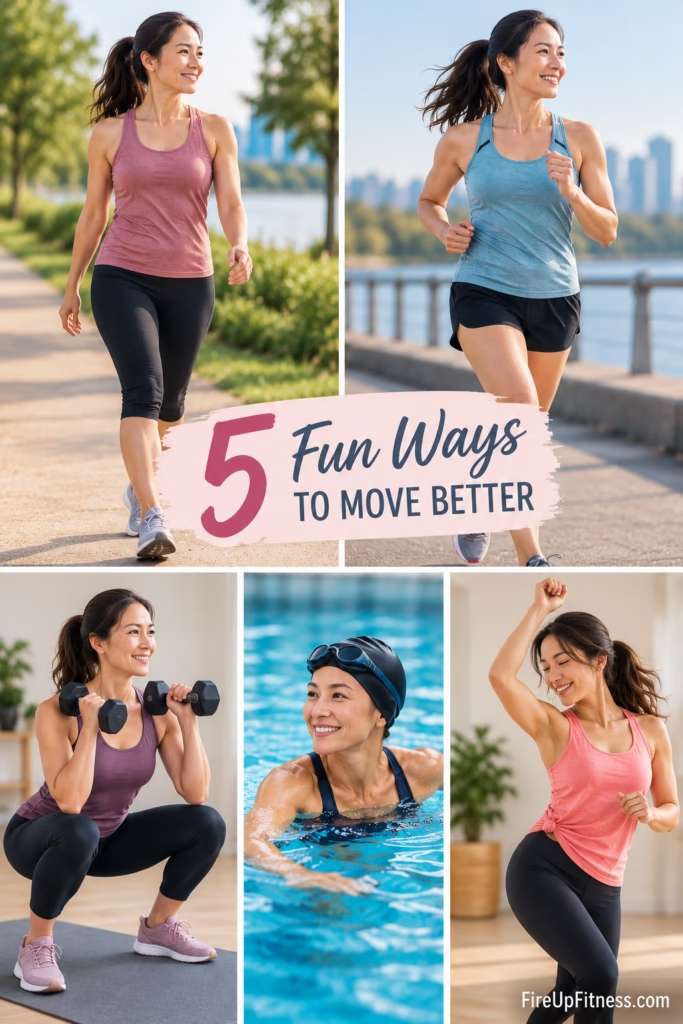
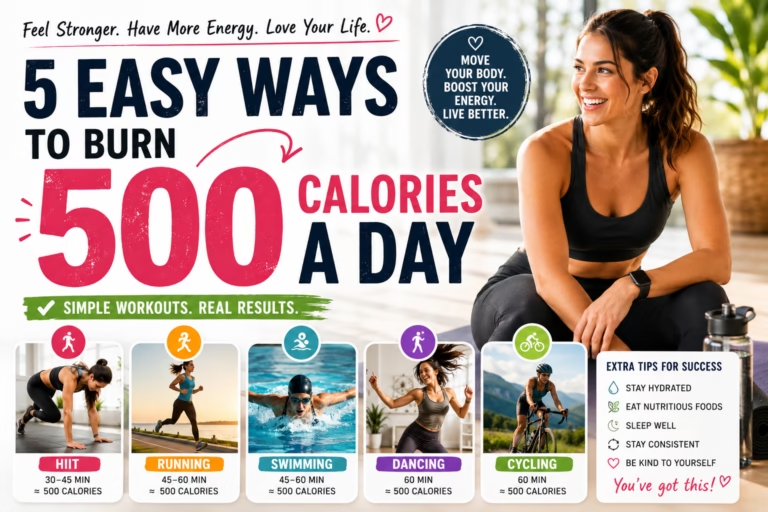
These five enjoyable exercises can help support flexibility, improve mobility, and build strength while keeping your fitness routine interesting.
Why Flexibility Matters More Than You Think
Flexibility isn’t just about touching your toes or doing impressive yoga poses. It’s about giving your body the freedom to move comfortably through everyday activities.
Think about reaching for something on a high shelf, bending down to tie your shoes, or turning around to look behind you. All these simple movements depend on a combination of flexibility, mobility, balance, and strength.
A consistent flexibility workout routine can help you:
- Improve your range of motion and joint mobility.
- Reduce feelings of muscle tightness and stiffness.
- Support better posture and body awareness.
- Make everyday movements feel easier.
- Improve coordination and balance.
- Support comfortable movement as you age.
And here’s something worth remembering: you don’t have to be naturally flexible to begin working on flexibility.
Small, consistent efforts can make a meaningful difference over time.
1. Walking: A Gentle Way to Improve Mobility
Walking might not be the first exercise that comes to mind when thinking about flexibility, but it’s a wonderful starting point for improving overall movement.
Every step encourages your hips, knees, and ankles to move through a comfortable range of motion. Walking also increases circulation and helps warm up muscles that may feel stiff after prolonged sitting.
It’s particularly helpful for beginners and women over 40 who want a manageable way to stay active.
How to get started:
- Begin with a comfortable five-minute walk.
- Keep your shoulders relaxed and your posture upright.
- Allow your arms to swing naturally.
- Gradually increase your pace as your body warms up.
- Continue for 15–30 minutes, depending on your comfort and fitness level.
Make it a flexibility workout: After walking, spend a few minutes doing gentle calf stretches, standing quadriceps stretches, and hip flexor stretches.
These movements complement walking by helping maintain flexibility in the lower body.
Beginner tip: Start with just 10 minutes if longer walks feel challenging. Consistency matters more than distance.
2. Jogging: Keep Your Legs Active and Strong
Jogging is a great way to build cardiovascular endurance while strengthening the muscles that support your hips, knees, and ankles.
Although jogging isn’t a flexibility exercise by itself, it can be part of a balanced routine that includes mobility work and stretching.
Regular jogging encourages repeated movement through the lower-body joints, while a few targeted stretches afterward can help maintain comfortable movement.
How to get started:
- Warm up with five minutes of brisk walking.
- Jog gently for 30–60 seconds.
- Return to walking for one or two minutes.
- Repeat the intervals for 10–15 minutes.
- Finish with a slow walk to cool down.
Make it a flexibility workout: Add standing calf stretches, gentle hamstring stretches, and hip flexor stretches after your jog.
Hold each stretch for 15–30 seconds without bouncing.
Beginner tip: There’s no need to run continuously. Alternating walking and jogging allows you to build endurance gradually.
For a no-jumping alternative, replace jogging with brisk walking or low-impact marching.
3. Strength Training: Build Strength Through a Comfortable Range of Motion
Many people associate flexibility with stretching, but strength training also has an important role in helping the body move well.
When performed with good technique and a comfortable range of motion, resistance exercises can improve both muscular strength and joint mobility.
For women over 40, this combination can be especially valuable for maintaining confidence in everyday movements.
You don’t need heavy dumbbells to get started. Simple bodyweight exercises are enough for a beginner-friendly routine.
Try these three movements:
Bodyweight squats
Stand with your feet approximately shoulder-width apart. Bend your hips and knees as though sitting back into a chair. Lower only as far as feels comfortable, then stand tall.
Complete 8–12 repetitions.
Reverse lunges
Stand upright and step one foot backward. Bend both knees slightly, keeping your front knee aligned with your foot. Push through your front foot to return to standing.
Complete 6–8 repetitions per leg. Hold a chair for balance if needed.
Wall push-ups
Place your hands against a wall at shoulder height. Bend your elbows to bring your chest toward the wall, then gently push away.
Complete 8–12 repetitions.
Make it a flexibility workout: Move slowly and avoid rushing repetitions. Use a comfortable range of motion, and gradually increase it as your strength and control improve.
Beginner tip: Two strength-training sessions per week can be a manageable starting point. Allow time for recovery between sessions.
4. Swimming: Gentle Full-Body Movement
Swimming is a refreshing way to move your entire body while reducing the amount of weight your joints have to support.
The water provides resistance while allowing your arms, shoulders, hips, and legs to move in different directions.
Swimming can be especially enjoyable when traditional workouts feel repetitive or uncomfortable.
It also encourages coordination between your upper and lower body.
How to get started:
- Begin with a few minutes of comfortable movement in the water.
- Swim at an easy pace using a stroke you know well.
- Focus on smooth, controlled arm and leg movements.
- Take breaks whenever needed.
- Gradually work toward 15–30 minutes of activity.
You can also try water walking or a beginner-friendly water aerobics class.
Make it a flexibility workout: After swimming, try gentle shoulder rolls, chest-opening stretches, and calf stretches.
These movements can complement the mobility work your body experiences in the pool.
Beginner tip: You don’t need to swim laps to benefit from water-based movement. Walking through chest-deep water can be a comfortable alternative.
5. Dancing: A Fun Flexibility and Mobility Workout
Sometimes the best workout is the one that makes you forget you’re exercising.
Dancing combines movement, coordination, balance, and cardiovascular activity in a way that feels playful rather than repetitive.
Whether you enjoy salsa, Zumba, gentle aerobic dance, or simply moving to your favorite music at home, dancing encourages your body to move in different directions.
Side steps, arm reaches, hip movements, and gentle turns can all help you practice comfortable movement patterns.
Try this simple 10-minute dance routine:
- March in place — 2 minutes: Begin slowly and swing your arms naturally.
- Side-to-side steps — 2 minutes: Step to the right and left while keeping your knees relaxed.
- Gentle hip movements — 2 minutes: Shift your hips comfortably from side to side.
- Overhead arm reaches — 2 minutes: Alternate reaching upward while maintaining a relaxed posture.
- Slow dancing and cooldown — 2 minutes: Gradually reduce your pace and finish with deep, comfortable breathing.
Make it a flexibility workout: Add gentle standing side bends, shoulder stretches, and hip-opening movements after dancing.
Beginner tip: Keep both feet close to the floor and avoid jumping or sudden twisting movements. Choose music that makes you want to move.
A Simple 10-Minute Flexibility Workout to Try at Home
While walking, jogging, strength training, swimming, and dancing support overall fitness and mobility, targeted stretching is useful for improving flexibility.
This quick routine is a great addition to your regular exercise schedule.
| Exercise | Time |
|---|---|
| Gentle marching and arm swings | 2 minutes |
| Standing calf stretches | 1 minute |
| Standing hip flexor stretches | 2 minutes |
| Gentle hamstring stretches | 2 minutes |
| Standing side bends | 1 minute |
| Chest and shoulder stretches | 2 minutes |
Move slowly and breathe naturally throughout the routine.
You should feel a mild, comfortable stretching sensation, never sharp pain. Avoid forcing your joints into positions that feel uncomfortable.
This routine can be performed after a walk, following a strength-training session, or whenever your muscles are comfortably warmed up.
How to Create a Weekly Flexibility Workout Routine
One of the easiest ways to build a lasting fitness habit is to combine activities you enjoy with short mobility and stretching sessions.
You don’t need to do everything every day.
Here’s an example of a balanced weekly schedule:
| Day | Activity |
|---|---|
| Monday | 20-minute walk + 10-minute flexibility workout |
| Tuesday | Beginner strength training + gentle stretching |
| Wednesday | 20-minute dance workout |
| Thursday | 10-minute flexibility and mobility routine |
| Friday | Walking or jogging intervals + stretching |
| Saturday | Swimming or another enjoyable activity |
| Sunday | Gentle stretching or rest |
Adjust the duration and intensity to suit your fitness level.
The goal isn’t to follow a perfect schedule. It’s to build a routine that feels realistic enough to continue.
5 Simple Tips to Improve Flexibility Safely
Improving flexibility takes patience, especially when your muscles have been feeling tight for a long time.
A few simple habits can help make your routine more comfortable and effective.
1. Warm up before stretching
Spend five minutes walking, marching, or moving your arms gently before deeper stretches. Warm muscles generally tolerate stretching more comfortably.
2. Never force a stretch
Stretching shouldn’t be painful. Move into a comfortable position and stop before the sensation becomes sharp or intense.
3. Breathe naturally
Avoid holding your breath. Slow, relaxed breathing can help you stay comfortable while stretching.
4. Stay consistent
A short flexibility workout performed regularly is more useful than an occasional long session. Even five or ten minutes can be a good starting point.
5. Combine stretching with strength training
Flexibility is only one part of healthy movement. Building strength and control through your available range of motion helps make that flexibility useful in everyday life.
Can You Improve Flexibility After 40 or 50?
Absolutely. While flexibility and mobility can change with age, your body can still respond to regular movement and stretching.
You don’t need to perform advanced yoga poses or spend an hour stretching every day.
Start with movements that feel comfortable, focus on good technique, and gradually increase your range of motion.
For many women, the most meaningful improvements aren’t dramatic.
They’re the small everyday moments: bending down more comfortably, reaching overhead with less stiffness, or feeling more confident during a walk.
Those improvements are worth celebrating.
Final Thoughts: Move More, Feel Better
A good flexibility workout doesn’t have to be complicated.
Walking, jogging, strength training, swimming, and dancing can all contribute to a more active lifestyle, while targeted stretching helps improve flexibility and comfortable joint movement.
The secret is finding activities you genuinely enjoy and making them part of your routine.
Start with one exercise. Add a few minutes of stretching. Build your confidence gradually.
Your body doesn’t need perfection. It needs regular opportunities to move, strengthen, and recover.