
Creatine for Women Over 40: Benefits, Myths & Safety
You may have noticed something interesting happening in the wellness world lately. Creatine, a supplement once associated mainly with bodybuilders and serious gym enthusiasts, is suddenly getting attention from women in their 40s, 50s, and beyond.
Social media is filled with women talking about taking creatine for stronger muscles, better workouts, improved energy, and even brain health.
But does it actually work? And more importantly, is creatine worth taking after 40?
The answer is more interesting than a simple yes or no.
As women move through perimenopause and menopause, changes in hormones, muscle mass, sleep, and recovery can affect how their bodies feel and perform. Creatine may offer some benefits during this stage of life, particularly when combined with strength training.
However, it isn’t a miracle supplement, and some of the claims circulating online go well beyond what research has established.
Here’s what women over 40 should know before adding creatine to their daily routine.

What Is Creatine, and Why Are Women Over 40 Talking About It?
Creatine is a natural compound your body makes from amino acids. It’s also found in foods such as meat and fish.
Most of the creatine in your body is stored in your muscles, where it helps regenerate a molecule called ATP. Think of ATP as the energy your muscles use when you climb stairs, lift something heavy, or push through a challenging exercise.
Your body already produces creatine, so it isn’t an essential supplement for everyone.
However, taking additional creatine can increase the amount stored in your muscles. That may help you perform repeated bursts of high-intensity activity and get more out of resistance training over time.
So why does this matter after 40?
Women can gradually lose muscle mass and strength as they age, especially when they aren’t regularly challenging their muscles. Menopause-related hormonal changes can also influence body composition and physical performance.
This is where creatine becomes interesting. It may help support the strength-building process at a time when maintaining muscle is particularly valuable.
1. Creatine May Help Women Maintain Muscle Strength After 40

One of the most convincing reasons to consider creatine is its potential to support muscle strength.
Muscle isn’t just about having toned arms or defined legs. Strong muscles help you carry groceries, get up from the floor, maintain balance, and stay independent as you age.
Although muscle loss is often associated with older adults, building and protecting muscle becomes increasingly important during midlife.
Research suggests that creatine supplementation, especially alongside resistance training, can improve certain measures of strength in adults.
For women after menopause, the results are promising but not entirely consistent. Some studies have found improvements in strength or lean mass, while others have shown smaller benefits.
The important distinction is that creatine doesn’t automatically build muscle simply because you take it.
Strength training is still doing the main work. Creatine may help you get a little more out of that work.
For example, a woman who starts lifting dumbbells two or three times a week may gradually improve her strength. Creatine could provide an additional benefit, but consistency, sufficient protein, and recovery remain essential.
2. Could Creatine Help During Perimenopause and Menopause?
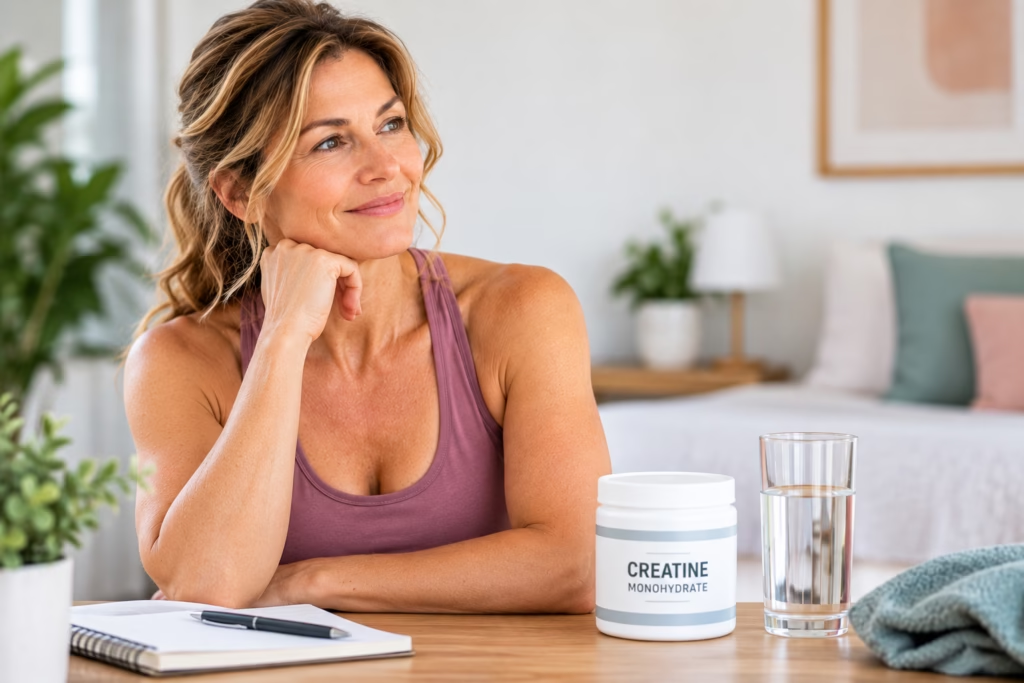
Perimenopause can bring changes that seem to appear almost overnight.
Perhaps your usual workouts feel harder. You notice that maintaining muscle definition takes more effort, or you don’t recover from exercise quite as quickly as before.
Declining estrogen levels can influence muscle, bone, and metabolism, although these changes vary considerably from woman to woman.
Creatine has attracted interest because it may support muscle performance during this transition.
However, there’s an important point that often gets overlooked.
Creatine does not replace estrogen, balance hormones, or treat menopause itself.
It also hasn’t been established as a treatment for hot flashes, night sweats, or other common menopause symptoms.
Its potential value is much more specific: helping support muscle strength and training performance.
For women already working on becoming stronger, this could be useful. But creatine shouldn’t be presented as a solution to every physical change that comes with menopause.
3. Does Creatine Cause Bloating or Body Fat Gain?

This is probably one of the biggest concerns women have about creatine.
You start taking a supplement to support your fitness, and suddenly the scale moves up. Naturally, you wonder whether it’s making you gain body fat.
Here’s what is actually happening.
Creatine increases the amount of water stored inside muscle cells. As your muscles store more creatine, they also retain more water.
That can cause a small increase in body weight, especially when you first start taking it.
But water stored in your muscles is not the same thing as gaining body fat.
Creatine itself doesn’t directly cause fat gain.
Some women may experience a feeling of fullness, temporary bloating, or digestive discomfort, particularly when taking large doses at once. Others notice little difference.
If you prefer tracking fitness progress without obsessing over the scale, pay attention to how your clothes fit, how strong you feel, and whether your workouts are improving.
Those changes can tell you more about your progress than a single number.
4. What About Creatine and Brain Health After 40?

One of the newer reasons women are curious about creatine has little to do with muscles.
It’s about the brain.
Creatine plays a role in cellular energy production, including in the brain. Researchers have been studying whether supplementation might support memory, attention, and mental performance.
This has sparked interest among women dealing with occasional forgetfulness, difficulty concentrating, or the frustrating feeling often described as menopause brain fog.
Some research suggests creatine may help certain aspects of cognitive performance, particularly in specific populations or under conditions such as sleep deprivation.
But the evidence is still developing.
Studies vary in their doses, duration, and participants, making it difficult to draw firm conclusions about everyday brain health in women over 40.
There is currently not enough strong evidence to say that creatine reliably prevents age-related memory decline or treats menopause-related brain fog.
It’s an interesting area of research, not a proven reason every woman should start supplementing.
5. Can Creatine Help Women Who Don’t Exercise?

This is where expectations matter.
You may have heard that creatine helps preserve muscle as you age, so it might seem reasonable to take it even without exercising.
However, the strongest and most consistent benefits for muscle performance occur when creatine is combined with resistance training.
Without exercise, creatine can still increase muscle creatine stores, but that doesn’t necessarily translate into meaningful improvements in strength or muscle size.
For a woman who spends most of her day sitting, starting with regular walks and a simple strength-training routine is likely to provide broader health benefits than taking creatine alone.
You don’t need a gym membership or heavy weights to begin.
Chair squats, wall push-ups, resistance exercises using dumbbells, and other beginner-friendly movements can help build a foundation.
Creatine may become worth considering as part of that routine, but it shouldn’t replace movement.
6. Is Creatine Good for Bone Health?
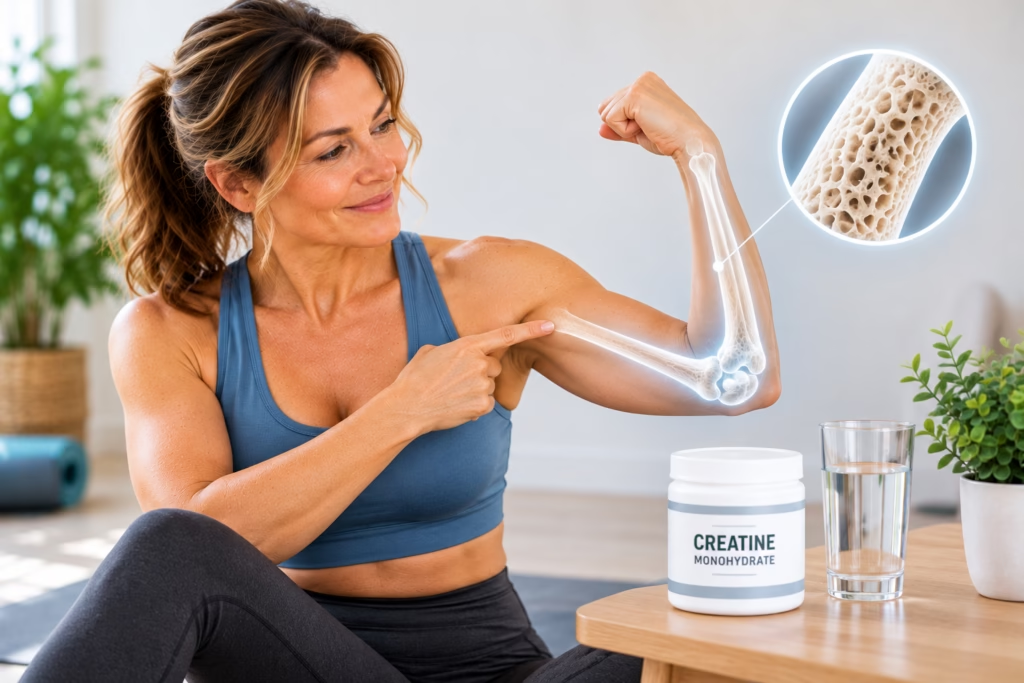
Bone health becomes especially important after menopause because declining estrogen levels can accelerate bone loss.
Since creatine may support muscle strength, some people assume it must also strengthen bones.
Unfortunately, the research isn’t that straightforward.
Studies investigating creatine and bone mineral density have produced mixed results, and convincing evidence of a meaningful bone-density benefit is lacking.
That doesn’t mean creatine has no place in a healthy aging routine.
Stronger muscles may help improve physical function, which can support mobility and reduce some fall-related risks. But this is different from directly increasing bone density or preventing fractures.
For bone health, proven foundations remain important: resistance and weight-bearing exercise, adequate calcium and vitamin D, and appropriate osteoporosis screening.
Creatine should not replace treatments prescribed for low bone density.
7. What Does the Latest Research Actually Say?
Rather than relying on social media testimonials, it’s worth looking at what scientists have discovered.
A 2026 systematic review and meta-analysis published in the Journal of the International Society of Sports Nutrition examined seven randomized controlled trials involving 608 postmenopausal women.
The findings were encouraging, but the improvements were modest.
Average lean mass difference: +0.37 kg, favoring creatine over placebo.
Leg press strength difference: +7.5 kg, favoring creatine over placebo.
These figures represent average differences across the relevant studies, not guaranteed results for individuals.
The researchers found the clearest benefits when women combined creatine with resistance training. Lower-dose supplementation without exercise did not produce measurable improvements in the outcomes studied.
Bone mineral density, meanwhile, showed no meaningful overall improvement.
Another important detail: the women in these studies were generally older, with an average age of approximately 62. That means the results cannot automatically be applied to every woman in her early 40s.
The research supports creatine as a potentially useful addition to a strength-training routine, not as a shortcut to healthy aging.
8. How Much Creatine Should Women Over 40 Take?
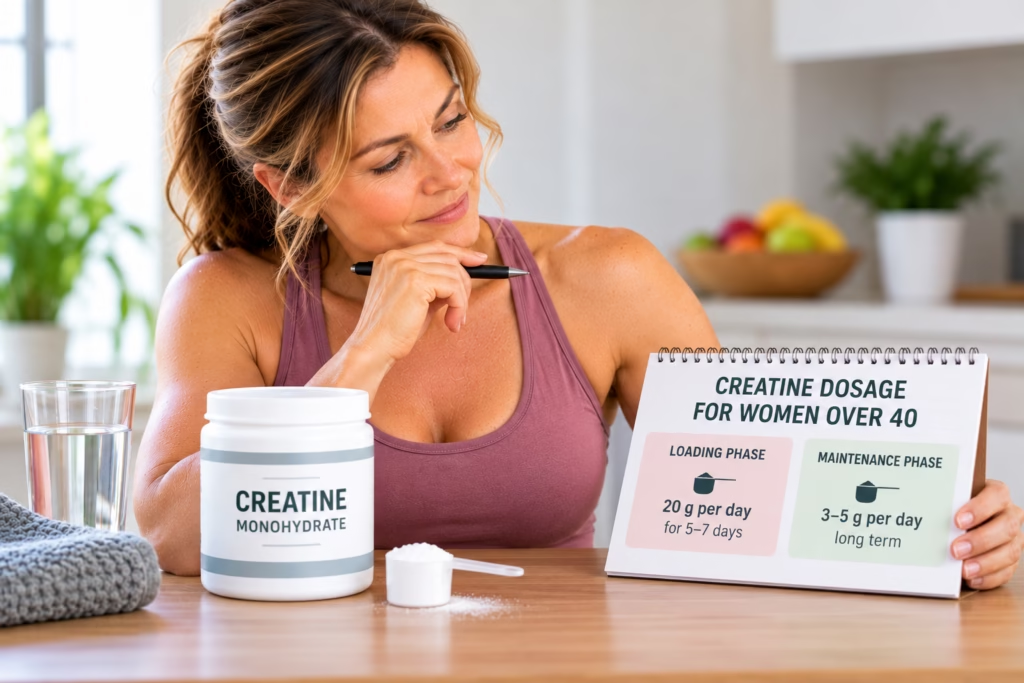
For healthy adults who decide to use creatine, a common maintenance amount is 3–5 grams daily.
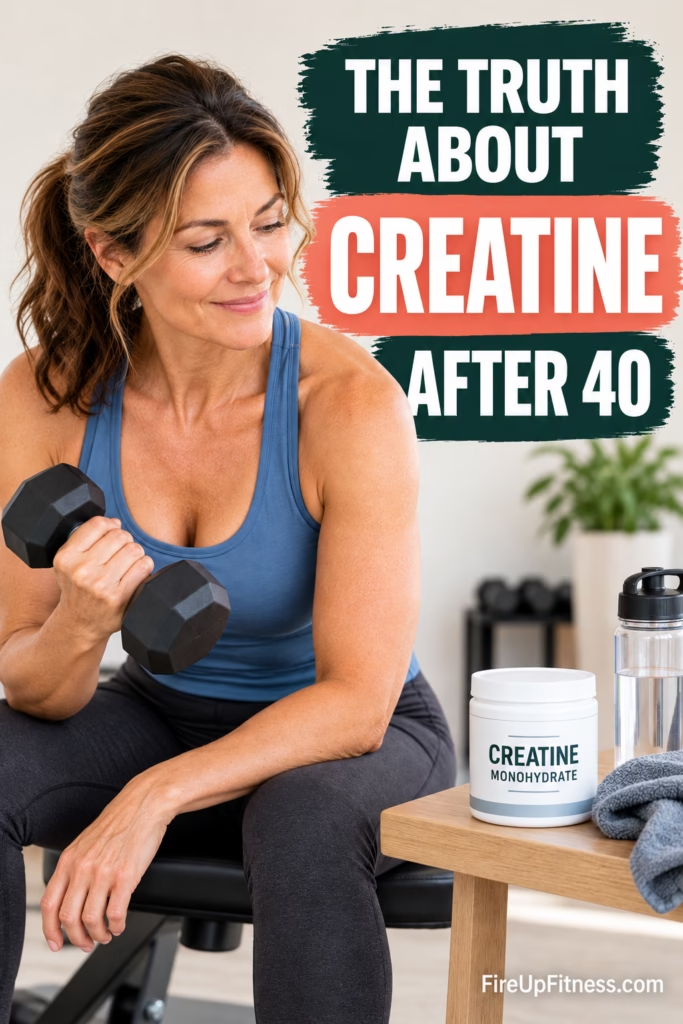
Creatine monohydrate is the most extensively researched form. You don’t need an expensive product marketed specifically for women or menopause.
Some supplement routines involve taking larger doses for several days to increase muscle stores quickly. This is called a loading phase.
However, loading isn’t necessary for most people. A consistent daily maintenance dose can increase muscle creatine stores more gradually.
Creatine can be mixed into water, a smoothie, or another beverage. Taking it with food may help women who experience mild digestive discomfort.
Consistency generally matters more than whether you take it in the morning or immediately after a workout.
For women with medical conditions or who take regular medications, the appropriate dose should be discussed with a healthcare professional.
9. Is Creatine Safe for Women Over 40?

Creatine monohydrate has been studied extensively, and recommended doses are generally well tolerated by healthy adults.
However, that doesn’t mean everyone should take it without considering their medical history.
Women with kidney disease or reduced kidney function should consult their healthcare provider before using creatine. The same applies to anyone who is pregnant, breastfeeding, or managing a medical condition that may affect supplement safety.
Creatine can also increase blood creatinine levels, a measurement commonly used to assess kidney function. This doesn’t automatically indicate kidney damage, but it’s important to tell your healthcare provider that you’re taking creatine when interpreting blood tests.
Possible side effects include temporary water-weight gain, stomach discomfort, or diarrhea, especially with larger doses.
Choosing a reputable, independently tested product can also help reduce concerns about supplement quality.
10. Five Common Creatine Myths Women Should Stop Believing
| Myth | What the evidence suggests |
|---|---|
| Creatine is only for bodybuilders. | It may also benefit women interested in maintaining strength as they age. |
| Creatine automatically makes you bulky. | It doesn’t cause dramatic muscle growth on its own. |
| Creatine makes you gain body fat. | Initial weight changes are more likely related to water retention. |
| Creatine fixes menopause brain fog. | Research is promising in some areas, but this benefit isn’t established. |
| Every woman over 40 needs creatine. | It’s optional, and its usefulness depends on individual goals and circumstances. |
11. Should You Try Creatine After 40?
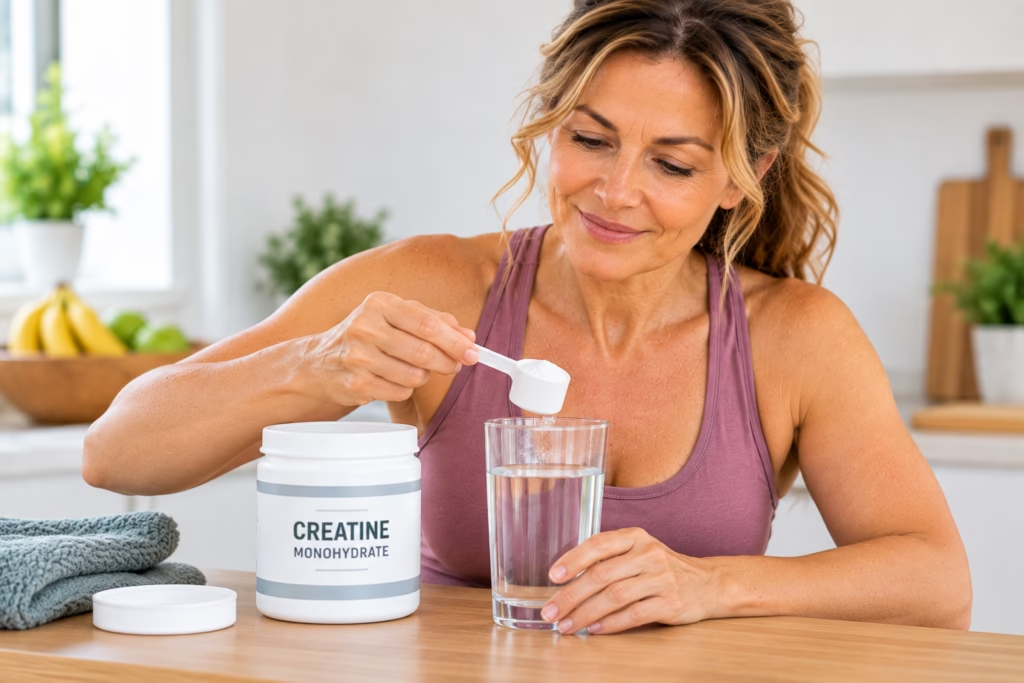
Before buying a container of creatine, think about what you’re hoping to accomplish.
Are you already strength training and looking for ways to support your progress? Are you becoming more serious about maintaining muscle as you get older?
In those situations, creatine may be worth discussing with your healthcare professional.
On the other hand, a woman who is just beginning her fitness journey doesn’t need to rush out and buy supplements.
Regular movement, strength training, nutritious meals, adequate protein, and quality sleep provide benefits that creatine cannot replace.
And for women who are mainly interested in reducing belly fat, improving sleep, or managing hot flashes, creatine isn’t a proven solution to those concerns.
The best choice is the one that fits your health needs, budget, and lifestyle.
Final Thoughts: Is Creatine Worth the Hype for Women Over 40?
Creatine is one of those wellness trends that deserves attention, but not blind enthusiasm.
Unlike many supplements promoted on social media, it has a substantial body of research behind it. Its ability to support certain aspects of muscle performance is well established, and newer research suggests postmenopausal women may benefit when they combine it with strength training.
But the evidence is much less convincing for claims about menopause symptoms, memory improvement, and stronger bones.
The biggest takeaway? Creatine may help support the work you’re already doing to stay strong, but it won’t do that work for you.
Healthy aging isn’t about finding one perfect supplement. It’s about building habits that help you feel capable, energetic, and confident through every stage of life.
And sometimes, the most powerful thing you can do after 40 isn’t adding something new to your routine. It’s staying consistent with the basics that already work.
Frequently Asked Questions About Creatine for Women Over 40
Can women over 40 take creatine every day?
Many healthy adults take creatine monohydrate daily at recommended doses. Women with underlying medical conditions should seek individualized medical advice first.
Does creatine help with belly fat after menopause?
Creatine doesn’t directly burn belly fat. It may support strength training, which can contribute to a healthy body composition alongside appropriate nutrition and regular activity.
Does creatine cause hair loss in women?
There isn’t convincing evidence that creatine supplementation causes hair loss in women. Research directly examining this question in midlife women remains limited.
How long does creatine take to work?
Without a loading phase, muscle creatine stores typically increase over several weeks of daily supplementation. Noticeable performance benefits depend on training, individual response, and other factors.
Is creatine better than protein for women over 40?
They serve different purposes. Protein provides amino acids needed to maintain and repair body tissues, while creatine supports rapid energy production in muscles. Creatine isn’t a replacement for adequate dietary protein.
Research and Further Reading
For readers who want to explore the science behind these claims:
- Creatine Monohydrate for Lean Mass, Strength, and Bone Density in Postmenopausal Women — 2026 systematic review and meta-analysis.
- NIH Office of Dietary Supplements: Exercise and Athletic Performance — information on creatine, dosing, effectiveness, and safety.
Medical disclaimer: This article is for educational purposes only and is not a substitute for personalized medical advice.