Belly Fat After 40: 7 Habits That Actually Help
Have you noticed that your waistline seems to be changing, even though your eating habits haven’t changed much? Maybe your favorite jeans feel tighter around the middle, or the belly fat that once responded to a few lifestyle changes now seems more stubborn.
For many women, this becomes a familiar experience in their 40s. And while it’s easy to blame a slowing metabolism, the truth is a little more complicated.
Hormonal changes, declining muscle mass, poor sleep, stress, and everyday habits can all influence where your body stores fat. During perimenopause, some women notice that more fat accumulates around their abdomen, even when their overall body weight hasn’t changed significantly.
The good news? You don’t need extreme diets, endless ab workouts, or exhausting cardio sessions to make meaningful progress.
Understanding what changes after 40 can help you focus on habits that support fat loss, maintain muscle, and improve your overall health.

Why Belly Fat Becomes More Noticeable After 40
Your body doesn’t suddenly stop responding to healthy habits when you turn 40. However, several gradual changes can make managing abdominal fat more challenging.
1. Hormonal changes affect fat distribution
During perimenopause, estrogen levels fluctuate and eventually decline. These hormonal changes can influence where your body stores fat.
Before menopause, women tend to store a greater proportion of fat around their hips and thighs. As estrogen declines, fat storage often shifts toward the abdominal area.
This doesn’t mean menopause automatically causes significant weight gain. However, it can change your body shape, sometimes even without a major change on the scale.
2. Muscle mass can gradually decline
Muscle plays an important role in how your body uses energy.
As you age, you may gradually lose muscle, particularly without regular resistance training. Since muscle requires energy to maintain, having less of it can contribute to a modest reduction in daily calorie needs.
The encouraging part is that muscle loss isn’t inevitable. Strength training and adequate protein can help you maintain and build muscle well into your 40s, 50s, and beyond.
3. Sleep becomes less predictable
Many women begin experiencing sleep difficulties during perimenopause.
Night sweats, hormonal fluctuations, and increased stress can make it harder to enjoy uninterrupted sleep.
Poor sleep can influence appetite, food cravings, energy levels, and motivation to exercise. Over time, these changes may make fat loss more difficult.
4. Your daily routine may have changed
Think about how your lifestyle compares with ten years ago.
Perhaps you spend more time sitting, have greater family responsibilities, or simply feel too exhausted to exercise after a busy day.
These changes can gradually reduce your daily movement without you noticing.
And sometimes, it’s not just fat. Bloating, constipation, and digestive changes can also make your stomach appear larger at different times of the day.
7 Habits That Can Help Reduce Belly Fat After 40
There’s no single trick that targets abdominal fat. However, a combination of realistic habits can help reduce overall body fat while supporting your strength, energy, and long-term health.
1. Start Prioritizing Strength Training

One of the most valuable changes you can make after 40 is to stop thinking of exercise as something that only burns calories.
Strength training helps preserve and build muscle, supports bone health, and improves your ability to perform everyday activities.
And you don’t need a gym membership to get started.
Simple exercises such as squats, wall push-ups, glute bridges, and dumbbell rows can strengthen major muscle groups without requiring complicated equipment.
Aim for at least two strength-training sessions each week, allowing your muscles time to recover.
The goal isn’t to lift the heaviest weights possible. It’s to become gradually stronger.
Why it matters: Maintaining muscle can help support your metabolism and body composition as you age, even when the scale doesn’t change dramatically.
2. Eat More Protein Throughout the Day

One common mistake women make when trying to lose belly fat is focusing entirely on eating less.
While an appropriate calorie intake matters for fat loss, what you eat matters too.
Protein helps maintain muscle, supports recovery after exercise, and can make meals more satisfying.
Instead of saving most of your protein for dinner, try including a protein source in each main meal.
For example, eggs or Greek yogurt at breakfast, beans or chicken at lunch, and fish or tofu at dinner.
You don’t need to eliminate carbohydrates or follow a restrictive diet to see progress.
A simple habit to try: Build meals around a source of protein, add fiber-rich vegetables or fruit, and include satisfying portions of whole grains or other carbohydrate-rich foods.
This approach is generally easier to maintain than constantly counting every bite.
3. Walk More, Especially After Meals
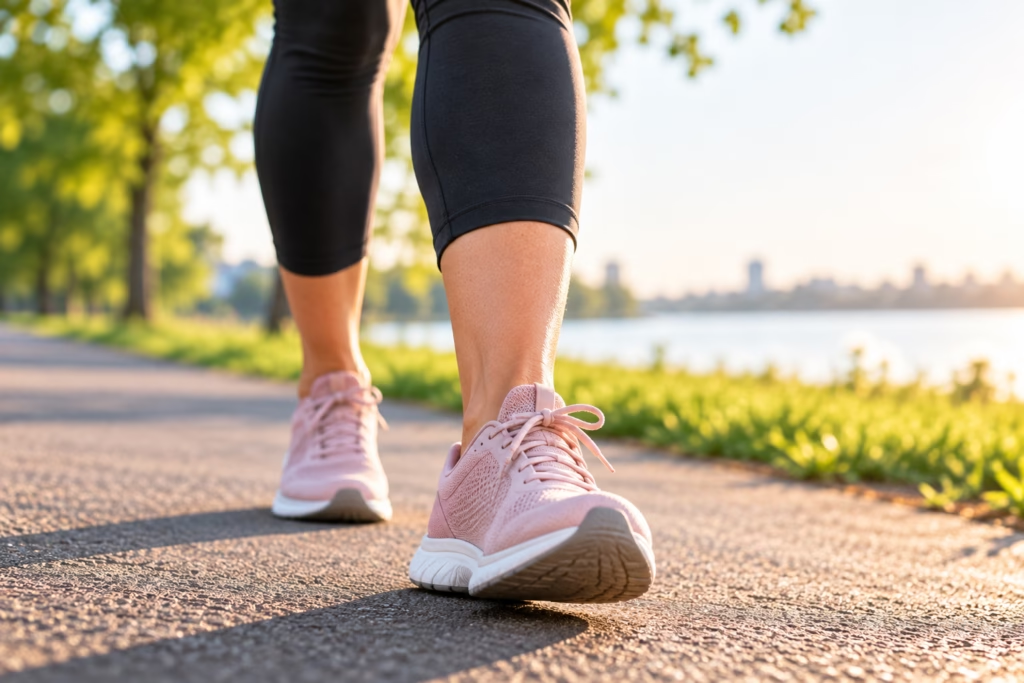
Walking may not feel like an exciting fat-loss strategy, but it’s one of the simplest ways to increase daily activity.
You don’t need to reach 10,000 steps every day to benefit.
Even short walks can help you move more consistently, support cardiovascular health, and improve blood sugar regulation.
A particularly useful habit is taking a 10- to 15-minute walk after a meal.
It’s manageable, doesn’t require special equipment, and can fit naturally into your day.
Walking alone won’t specifically burn belly fat, but regular movement can contribute to overall fat loss when combined with healthy eating habits.
Try this: Instead of aiming for a dramatic daily step goal, add one short walk to your existing routine. Once that feels natural, gradually increase your activity.
Consistency matters much more than chasing a perfect number.
4. Stop Underestimating the Importance of Sleep

You can eat balanced meals and exercise regularly, but consistently poor sleep may make managing body fat more difficult.
Sleep affects the hormones involved in hunger and fullness, as well as your energy and decision-making throughout the day.
When you’re exhausted, convenience foods may become more appealing, and exercise can feel like another chore.
For women experiencing perimenopause, getting quality sleep can be especially challenging.
A few small adjustments may help:
- Keep a reasonably consistent bedtime and wake-up time.
- Make your bedroom cool, dark, and comfortable.
- Limit caffeine later in the day if it affects your sleep.
- Create a calming routine before bed.
- Talk with a healthcare professional about persistent night sweats or insomnia.
Most adults benefit from approximately seven to nine hours of sleep each night.
Remember: Better sleep doesn’t automatically melt belly fat, but it can make healthy routines easier to maintain.
5. Pay Attention to Stress Without Blaming Everything on Cortisol

Stress is often blamed for belly fat, and cortisol is frequently described online as the hormone responsible.
The reality is more nuanced.
Cortisol is a normal, essential hormone that helps your body respond to challenges. Everyday stress doesn’t automatically cause abdominal fat gain.
However, prolonged stress can influence sleep, appetite, food choices, and physical activity.
Perhaps you skip meals during a busy day, then feel unusually hungry in the evening. Or maybe you reach for snacks because you’re mentally exhausted rather than physically hungry.
These patterns can gradually affect your overall energy intake.
Instead of trying to eliminate cortisol, focus on managing stress in practical ways.
A relaxing walk, a few minutes of quiet time, enjoyable hobbies, or simply creating breathing room in your schedule can make a difference.
The goal isn’t a stress-free life. It’s finding healthier ways to respond when life becomes demanding.
6. Eat More Fiber Instead of Cutting Out Entire Food Groups

Many popular belly-fat diets recommend removing bread, fruit, or carbohydrates altogether.
But for most women, that level of restriction isn’t necessary.
Fiber-rich foods can help you feel satisfied, support digestive health, and make balanced eating easier.
They may also help with constipation, which can contribute to uncomfortable bloating.
Good options include oats, lentils, beans, berries, apples, vegetables, and whole grains.
For example, replacing a low-fiber breakfast with oatmeal topped with berries and Greek yogurt adds fiber and protein without making the meal complicated.
If your current diet is low in fiber, increase your intake gradually and drink enough fluids to reduce digestive discomfort.
Why it matters: A satisfying, fiber-rich eating pattern can support sustainable fat loss without leaving you feeling constantly hungry.
7. Stop Measuring Progress Only by Your Waistline

One of the most frustrating parts of trying to lose belly fat after 40 is expecting visible changes too quickly.
You might be getting stronger, sleeping better, and feeling more energetic while your waist measurement barely moves.
That doesn’t mean your efforts aren’t working.
Body composition changes take time, and abdominal fat can’t be selectively removed through a particular exercise.
Genetics, hormones, age, and overall lifestyle influence how and where fat is lost.
Instead of judging your progress by one number, pay attention to other meaningful improvements.
Maybe climbing stairs feels easier. Perhaps you can lift heavier dumbbells, walk longer without getting tired, or recover more comfortably after exercise.
Those changes matter.
And while reducing excess abdominal fat can benefit metabolic health, a perfectly flat stomach isn’t a requirement for being healthy or fit.
What About Belly Fat Exercises?
It’s tempting to believe that hundreds of crunches will flatten your stomach.
Unfortunately, that’s not how fat loss works.
Abdominal exercises strengthen the muscles beneath your belly fat, but they don’t directly determine where your body burns stored fat.
That doesn’t make core exercises useless.
Movements such as dead bugs, bird dogs, planks, and pelvic tilts can improve core strength, stability, and control.
The key is combining core exercises with full-body strength training, regular walking or other cardiovascular activity, and balanced nutrition.
You can strengthen your stomach muscles while also working toward reducing overall body fat.
Three Things You Don’t Need to Do to Lose Belly Fat After 40
Before you start another diet or workout challenge, it’s worth remembering what isn’t necessary.
You don’t need to stop eating after 6 p.m. Meal timing can affect some people’s habits, but eating in the evening doesn’t automatically cause belly fat.
You don’t need to give up all carbohydrates. Whole grains, fruit, beans, and other nutritious carbohydrate sources can be part of a healthy fat-loss eating pattern.
You don’t need to exercise every day. Your muscles need recovery, and sustainable activity is more useful than repeatedly pushing yourself to exhaustion.
The most effective approach is usually the one you can comfortably maintain for months, not just a few weeks.
A Simple Way to Get Started This Week
Trying to change everything at once can become overwhelming.
Instead, choose three manageable habits.
For example, take a short walk after dinner, include protein at breakfast, and schedule two strength-training sessions during the week.
Keep those habits simple enough that you can follow them even when life gets busy.
After a few weeks, consider adding another change, such as increasing your vegetable intake or improving your bedtime routine.
Small improvements may not seem dramatic, but repeated consistently, they can lead to meaningful results.
When Belly Changes Deserve Medical Attention
Not every change in abdominal size is related to body fat or perimenopause.
Persistent bloating, unusual abdominal swelling, pelvic pain, feeling full unusually quickly, unexplained weight changes, or changes in bowel habits deserve medical evaluation, particularly when symptoms are new or ongoing.
A healthcare professional can help determine whether your symptoms are related to hormonal changes, digestive concerns, or another condition.
Final Thoughts: Your Body After 40 Needs Support, Not Punishment
Belly fat changes after 40 can be frustrating, especially when the habits that worked in your 20s or 30s no longer seem as effective.
But your body isn’t working against you.
It’s responding to changes in hormones, muscle mass, sleep, activity, and everyday life.
Rather than fighting those changes with extreme diets or exhausting workouts, focus on what helps your body function well.
Build strength. Walk regularly. Eat satisfying meals. Make sleep a priority. Give yourself time to see progress.
The goal isn’t to have the same body you had at 25. It’s to feel strong, healthy, and confident in the body you have today.
And that’s a goal worth working toward at any age.