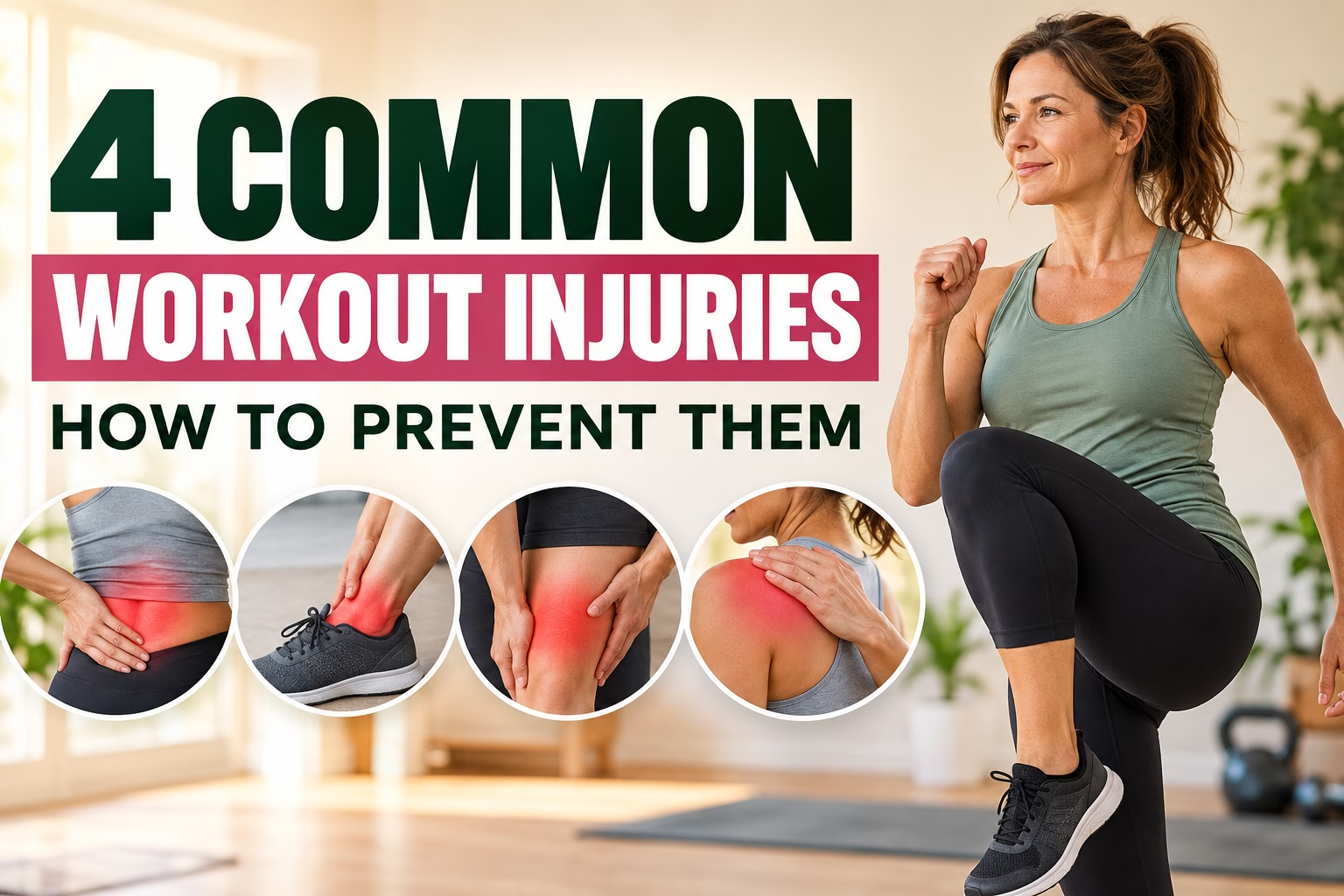
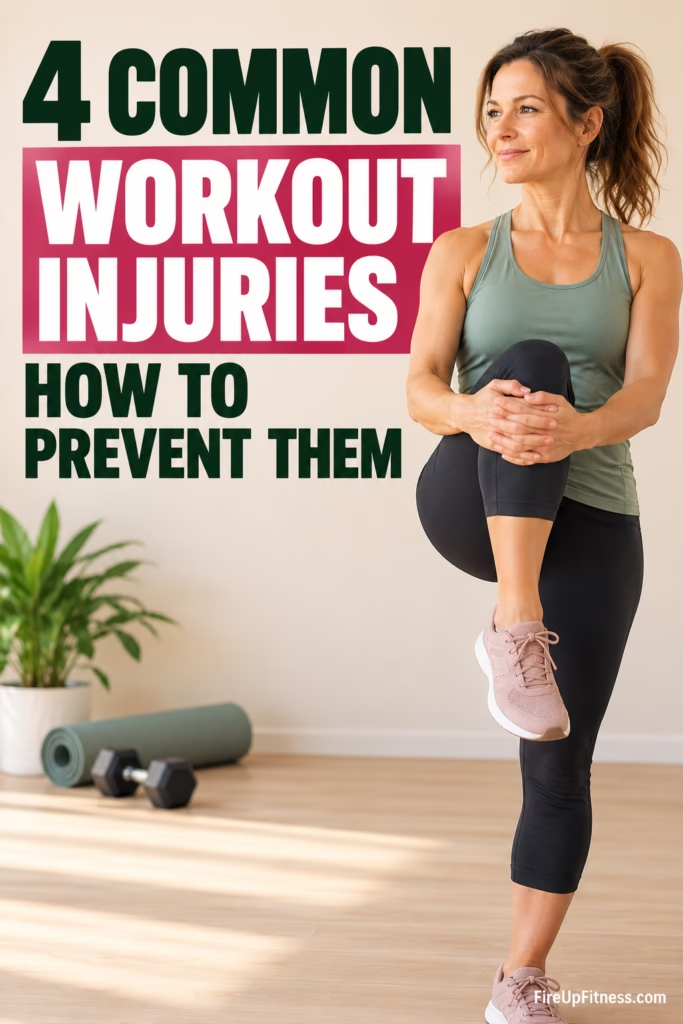
4 Common Workout Injuries and How to Prevent Them
Exercise should help you feel stronger, healthier, and more confident—not leave you dealing with aches and injuries that keep you from doing the activities you enjoy.
But sometimes, even a simple workout can lead to an injury. Maybe you pushed yourself too hard, skipped your warm-up, or tried an exercise your body wasn’t ready for.
The good news? Many common workout injuries can be prevented with a few simple changes to how you exercise.
Whether you’re starting a fitness routine after 40, working out at home, or returning to exercise after a long break, learning how to protect your muscles and joints can make a big difference.
Here are four common exercise injuries, why they happen, and practical ways to reduce your risk.
1. Lower Back Strain: When Your Back Does Too Much Work
Have you ever finished a workout feeling more discomfort in your lower back than in the muscles you were trying to exercise?
Lower back strains are common, especially when lifting weights, bending repeatedly, or performing exercises with poor technique.
Spending long hours sitting can also leave your back feeling stiff, making it uncomfortable to jump straight into an intense workout.
How to prevent lower back strain
- Warm up before exercising. Start with five minutes of easy walking, gentle hip movements, or controlled bodyweight exercises.
- Learn proper lifting techniques. Bend through your hips and knees when appropriate, keep objects close to your body, and avoid twisting while lifting.
- Strengthen your core. Exercises such as bird dogs, dead bugs, and glute bridges help improve trunk control and stability.
- Increase intensity gradually. Avoid lifting heavy weights before you can perform the movement comfortably.
- Take movement breaks. Stand up and move around regularly when sitting for long periods.
Try this: Start with 8–10 slow bird dogs on each side. Keep your back steady and focus on controlled movement rather than lifting your arms or legs too high.
A stronger core and better lifting habits can help your back handle everyday activities and exercise more comfortably.
2. Ankle Sprain: One Wrong Step Can Interrupt Your Routine
A simple misstep while walking, jogging, or exercising can cause your ankle to roll unexpectedly.
An ankle sprain happens when the ligaments supporting the ankle stretch too far or tear.
It can happen during running, jumping, stepping off a curb, or moving across uneven ground.
Although ankle sprains are common, you can take steps to lower your risk.
How to prevent ankle sprains
- Choose even surfaces. Walk or run on well-maintained paths, especially when you’re starting out.
- Wear supportive footwear. Choose shoes that fit properly and suit your activity.
- Strengthen your ankles and calves. Calf raises and controlled ankle movements can improve strength.
- Practice your balance. Better balance can help you respond to unexpected changes in footing.
- Watch for fatigue. Tired muscles can make it harder to maintain control during exercise.
Try this simple ankle-strengthening exercise
Standing calf raises
- Stand behind a sturdy chair and hold it lightly for support.
- Keep your feet hip-width apart.
- Slowly lift your heels off the floor.
- Pause briefly at the top.
- Lower your heels with control.
- Repeat 10–15 times.
Once you’re comfortable, you can also practice standing on one leg for 15–20 seconds while keeping a chair nearby.
These simple movements can help improve ankle strength and balance over time.
3. Hamstring Strain: Protect the Muscles Behind Your Thighs
Your hamstrings are the muscles running along the back of your thighs.
They help you walk, run, bend your knees, and extend your hips.
A hamstring strain can happen when these muscles are overloaded, particularly during sprinting, sudden acceleration, or movements that require rapid changes in speed.
Weakness, previous hamstring injuries, and suddenly increasing exercise intensity can raise your risk.
How to prevent hamstring injuries
- Build strength gradually. Include glute bridges, controlled hip hinges, and other hamstring-strengthening exercises.
- Warm up before running. Begin with easy walking or jogging and gradually increase your pace.
- Avoid sudden intensity changes. Give your muscles time to adapt before attempting faster running or challenging workouts.
- Work on comfortable mobility. Gentle stretching can help maintain flexibility, but stretching alone does not guarantee injury prevention.
- Allow recovery time. Avoid repeatedly training sore or fatigued muscles at high intensity.
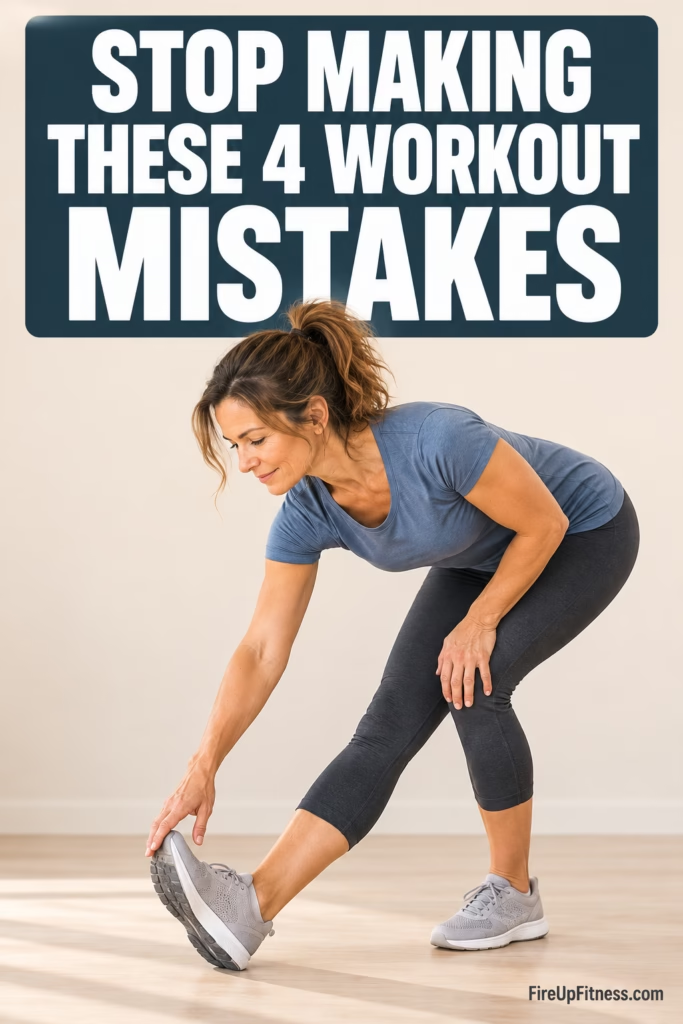
Try this gentle hamstring stretch
- Stand upright and place one heel slightly in front of you.
- Keep your front knee softly bent and your toes pointing upward.
- Bend your back knee slightly.
- Hinge forward gently from your hips while keeping your back neutral.
- Stop when you feel a comfortable stretch behind your front thigh.
- Hold for 15–20 seconds.
- Switch legs and repeat.
Never force the stretch or bounce.
Remember: Strong hamstrings are just as important as flexible ones. Include strengthening exercises in your weekly routine rather than relying on stretching alone.
4. Shoulder Strain: Don’t Ignore Your Upper Body
Shoulder discomfort can develop when you repeatedly lift your arms, use weights that are too heavy, or perform exercises without proper control.
Your shoulders are involved in everything from carrying groceries to reaching overhead and performing push-ups.
Because the shoulder joint allows a wide range of movement, the surrounding muscles need strength and coordination to support it.
How to prevent shoulder injuries
- Start with lighter resistance. Master the movement before increasing the weight.
- Avoid forcing overhead movements. Work within a comfortable range of motion.
- Strengthen your upper back and shoulders. Controlled rows and light resistance-band external rotations can help support shoulder function.
- Pay attention to technique. Avoid shrugging excessively or using momentum to lift weights.
- Give your shoulders time to recover. Alternate challenging upper-body sessions with easier activities or rest days.
Try this beginner-friendly shoulder exercise
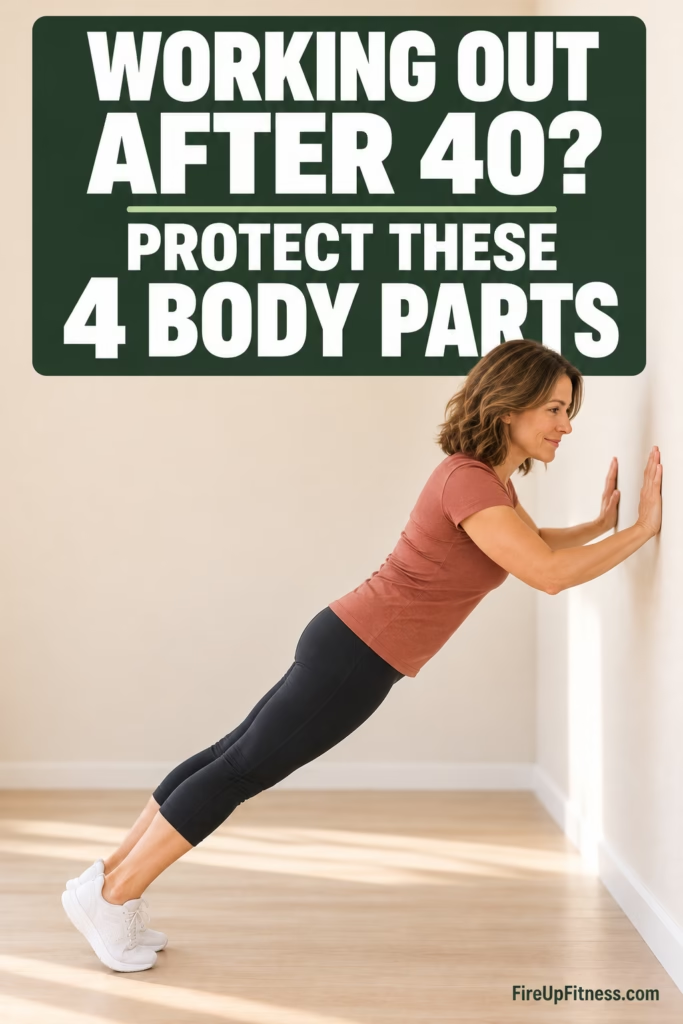
Wall push-ups
- Stand facing a wall, about an arm’s length away.
- Place your palms against the wall at approximately shoulder height.
- Keep your body straight and your abdominal muscles gently engaged.
- Bend your elbows slowly, bringing your chest toward the wall.
- Push back to your starting position.
- Complete 8–12 controlled repetitions.
Wall push-ups can help strengthen your chest, shoulders, and arms without requiring you to get down on the floor.
Stop if the movement causes shoulder pain, and choose an easier range or seek guidance before continuing.
5 Simple Habits That Can Help Prevent Workout Injuries
You don’t need a complicated fitness plan to exercise more safely. Sometimes, the smallest habits make the biggest difference.
1. Never skip your warm-up. Spend 5–10 minutes preparing your body with gentle movements that match the workout you’re about to do.
2. Focus on technique before speed. Slow, controlled repetitions are often more useful for beginners than rushing through an exercise.
3. Progress one step at a time. Increase your workout duration, resistance, or intensity gradually instead of changing everything at once.
4. Make recovery part of your routine. Sleep, adequate nutrition, hydration, and easier training days support muscle recovery.
5. Learn the difference between effort and pain. Mild muscle fatigue is normal during exercise, but sharp pain, sudden swelling, instability, or worsening discomfort are signs to stop.
What Should You Do When a Workout Injury Happens?
Even with good preparation, injuries can still occur.
When something feels wrong, avoid pushing through the pain just to finish your workout.
Stop the activity, protect the injured area, and avoid movements that worsen symptoms. For a recent sprain or strain, a wrapped cold pack may help ease pain temporarily.
Seek medical assessment for significant swelling, weakness, persistent pain, or difficulty moving the affected area. Severe pain, visible deformity, numbness, or inability to bear weight warrants prompt medical attention.
Returning to exercise too quickly can make recovery more difficult, so rebuild your activity gradually once it’s appropriate.
Final Thoughts: Exercise Smarter, Not Harder
Staying active is one of the best things you can do for your long-term health, but progress shouldn’t come at the expense of your joints and muscles.
The goal isn’t to avoid challenging workouts. It’s to prepare your body, develop strength, and increase your activity at a pace you can manage.
Start with exercises that feel comfortable, pay attention to your technique, and give yourself permission to rest when needed.
A consistent fitness routine you can maintain safely is far more valuable than one intense workout that leaves you injured.
What’s one thing you always do before a workout to help protect your body?