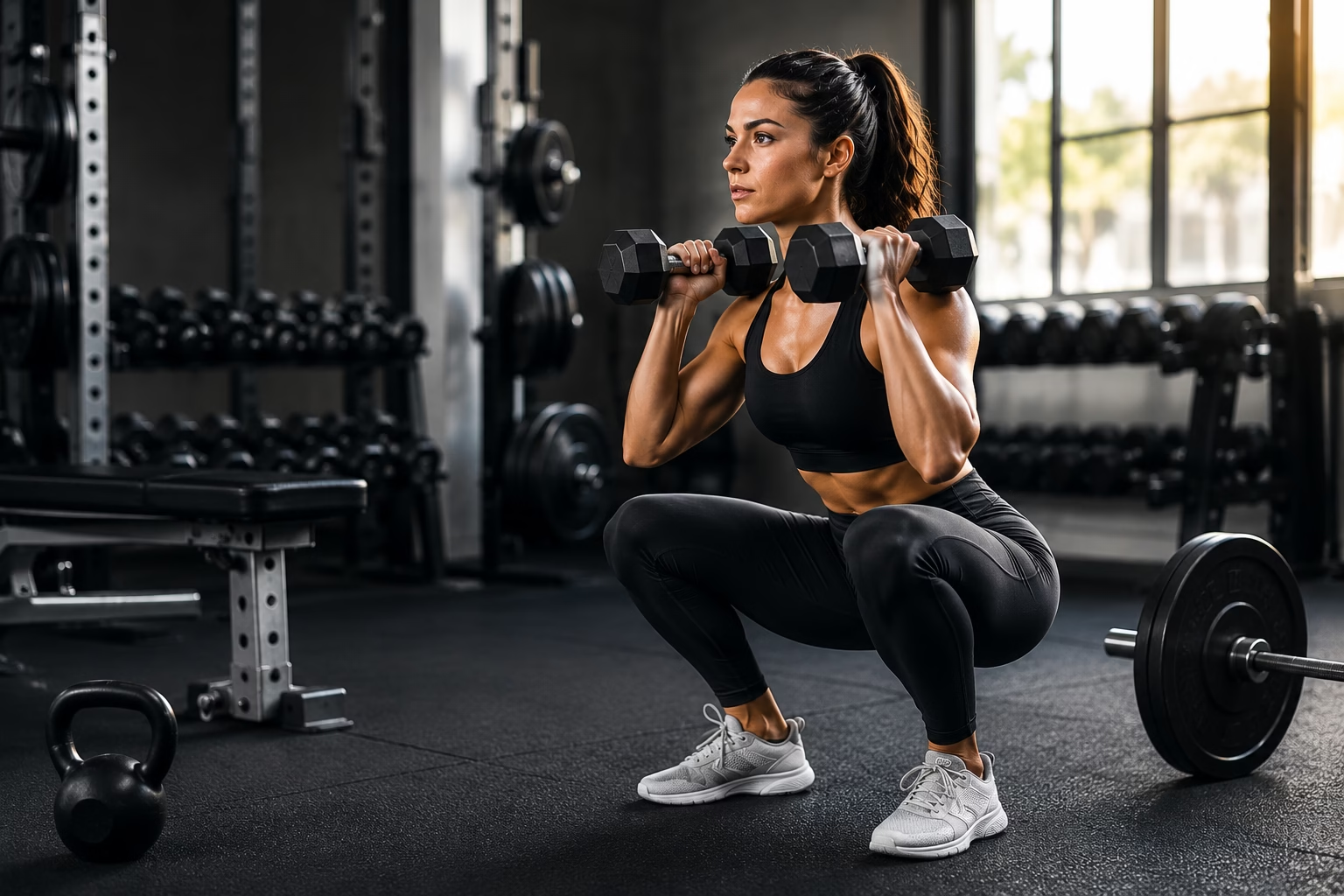
7 Best Exercises for a Strong and Toned Body Without Spending Hours in the Gym
There’s a reason so many people quit their fitness journey before they ever see results.
It’s not because they’re lazy.
It’s not because they don’t care.
And it’s definitely not because they don’t want to feel healthier, stronger, or more confident.
The real problem is this: modern fitness culture often makes people believe that getting in shape requires hours in the gym, exhausting routines, and a lifestyle that feels impossible to maintain.
But the truth is much simpler.
You do not need to spend your entire life working out to build a strong, toned, athletic body. You just need the right exercises — and the consistency to keep showing up.
Some of the fittest people are not necessarily the ones training the longest. They are the ones training smarter.
If you’re juggling work, family responsibilities, school, stress, or simply trying to survive a busy week, your workouts should support your life — not consume it.
That’s where these exercises come in.
The seven movements below are powerful because they target multiple muscle groups at once, helping you build strength, improve posture, increase endurance, and shape your body without wasting time on ineffective workouts.
And maybe most importantly? They help you feel stronger in real life.
Because fitness is not just about looking good in photos. It’s about carrying groceries without back pain. Walking upstairs without getting winded. Feeling confident in your own skin again. Having energy at the end of the day instead of feeling completely drained.
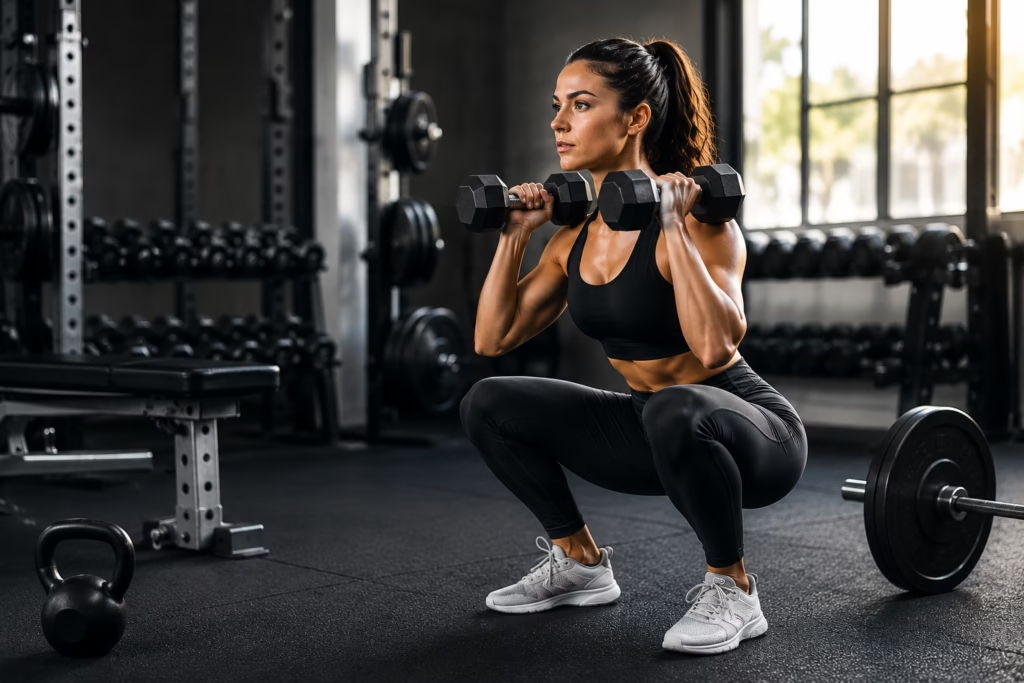
These exercises help build that kind of strength.
Why Short, Effective Workouts Actually Work
Many people believe longer workouts automatically mean better results. But your body does not measure effort by the clock on the wall.
What matters most is:
- Exercise quality
- Proper form
- Intensity
- Consistency
- Recovery
That’s why compound exercises are so effective. They train several muscle groups at the same time, meaning you burn more calories, build more strength, and get more done in less time.
Instead of spending two hours doing random exercises, you can focus on movements that truly challenge your body and create real change.
And honestly, that approach is much easier to stick with long term.
Because the best workout routine is not the most extreme one. It’s the one you can actually maintain.
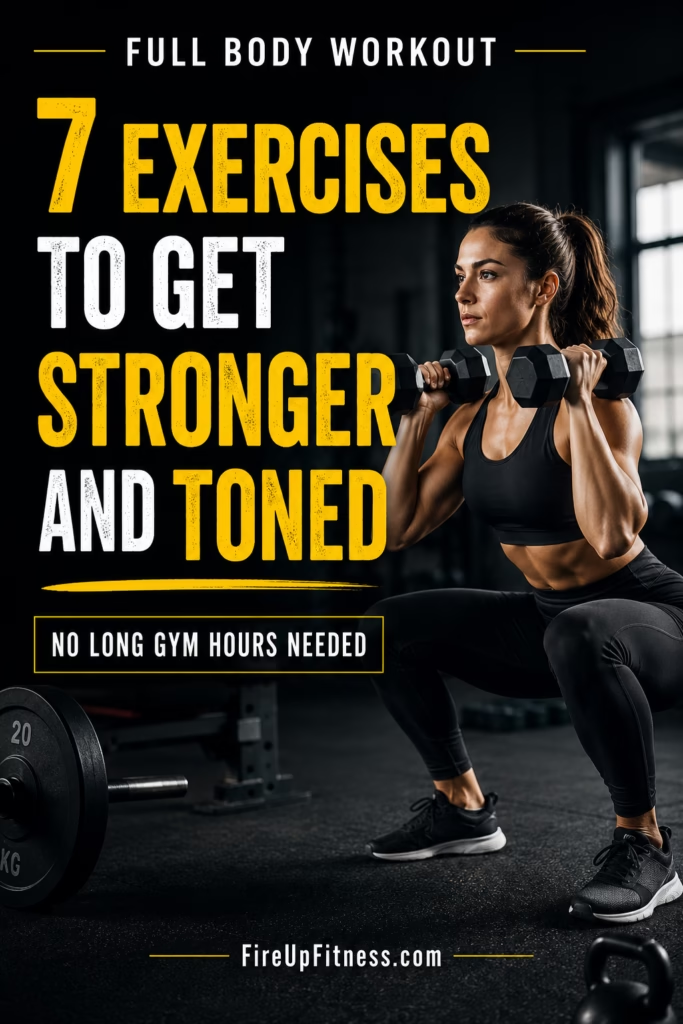
1. Squats: The Exercise That Builds Real Strength
If there’s one movement almost everyone should learn, it’s the squat.
Squats are not just for athletes or gym enthusiasts. They mimic everyday movements you already do constantly — sitting down, standing up, bending, lifting.
But beyond that, squats help shape and strengthen your entire lower body.
They target:
- Glutes
- Quads
- Hamstrings
- Core muscles
And the best part? You don’t even need equipment to start.
How to Do Squats Properly
- Stand with your feet shoulder-width apart.
- Keep your chest lifted and your core tight.
- Push your hips back as if sitting into a chair.
- Lower slowly while keeping your back straight.
- Push through your heels to stand back up.
A Common Mistake to Avoid
Do not let your knees collapse inward or move too far beyond your toes. Good form protects your joints and keeps the tension where it belongs — in your legs and glutes.
Why Squats Matter So Much
Strong legs make everyday life easier.
Whether you’re lifting boxes, climbing stairs, chasing kids around, or simply trying to move pain-free as you age, squats help build the kind of strength that carries over into real life.
And over time, they help create toned, athletic-looking legs that feel as strong as they look.
2. Lunges: The Balance Builder
Lunges can feel humbling at first.
They challenge your strength, balance, coordination, and stability all at once. But that’s exactly why they work so well.
Unlike squats, lunges force each leg to work independently, which helps improve muscle balance and coordination.
They target:
- Glutes
- Hamstrings
- Quads
- Core stabilizers
How to Perform Lunges
- Step one foot forward.
- Lower your body until both knees form about 90 degrees.
- Push through your front heel to return to standing.
- Repeat on the other side.
Why People Love Lunges
Lunges don’t just make your legs stronger — they make you move better.
You feel it when you walk, run, climb stairs, or even stand for longer periods without discomfort.
And over time, they help sculpt the legs while improving balance and posture.
3. Bench Press: More Than Just a Chest Exercise
The bench press is often associated with building a bigger chest, but it does much more than that.
It strengthens:
- Chest muscles
- Shoulders
- Triceps
- Upper-body pushing strength
And there’s something empowering about becoming physically stronger.
Not for ego.
Not to impress anyone.
But because strength changes how you carry yourself.
How to Perform a Bench Press
- Lie flat on a bench with your feet grounded.
- Grip the bar slightly wider than shoulder-width.
- Lower the weight slowly toward your chest.
- Press upward with control.
A Reminder for Beginners
You do not need heavy weights to benefit from this exercise.
In fact, learning proper technique first is far more important than trying to impress people around you.
Progress built slowly is usually the progress that lasts.
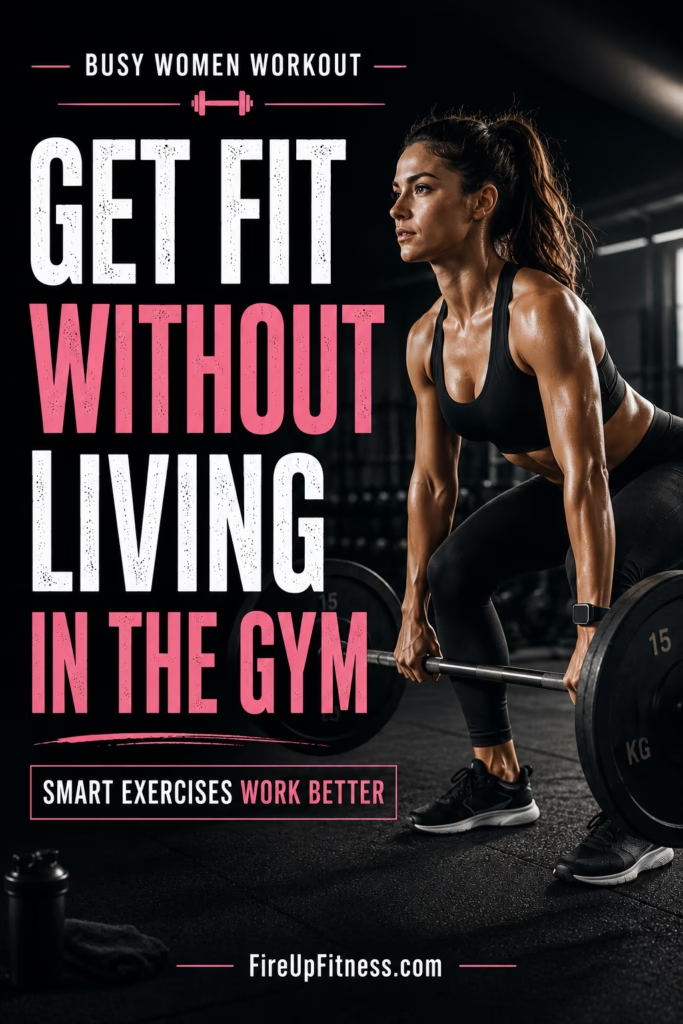
4. Deadlifts: The Full-Body Strength Builder
Deadlifts have a reputation for being intimidating. But when done correctly, they are one of the most rewarding exercises you can learn.
This movement targets:
- Glutes
- Hamstrings
- Lower back
- Core
- Upper back
- Forearms
Few exercises activate as much muscle at once as the deadlift.
How to Perform Deadlifts Safely
- Stand with feet hip-width apart.
- Bend at the hips and knees while keeping your back flat.
- Grip the weight firmly.
- Push through your heels and stand tall.
- Lower the weight slowly with control.
The Biggest Mistake People Make
Trying to lift with the lower back instead of the legs and hips.
Deadlifts should feel powerful — not painful.
Why Deadlifts Are Worth Learning
Deadlifts teach your body how to lift safely and efficiently. They improve posture, grip strength, and overall power while helping you feel stronger in daily life.
And honestly, few exercises build confidence quite like realizing you can lift something you once thought was too heavy.
5. Clean and Jerk: Athletic Power in One Movement
The clean and jerk combines strength, coordination, balance, and explosiveness into one powerful movement.
It works:
- Shoulders
- Legs
- Core
- Back
- Arms
This exercise requires focus and patience, especially in the beginning.
Why Beginners Should Start Light
The goal is not speed at first. It’s control.
Learning the movement properly helps improve body awareness and coordination while reducing injury risk.
Why This Exercise Feels So Rewarding
The clean and jerk teaches your body to move as one unit instead of isolated parts.
And when everything starts working together, you feel more athletic, more powerful, and more capable overall.
6. Planks: The Quiet Exercise That Changes Everything
Planks don’t look dramatic.
There’s no jumping.
No heavy weights.
No flashy movement.
But anyone who has held a proper plank knows how challenging they really are.
Planks strengthen:
- Core muscles
- Lower back
- Shoulders
- Glutes
How to Perform a Proper Plank
- Place your forearms on the floor.
- Extend your legs behind you.
- Keep your body in a straight line.
- Tighten your core and hold.
Why Core Strength Matters
A strong core supports nearly every movement your body makes.
It improves posture, balance, stability, and even reduces the risk of back pain.
And unlike visible abs alone, real core strength helps you feel better every day.
7. Crunches: Small Movement, Big Burn
Crunches remain popular for a reason — they effectively target the abdominal muscles when performed correctly.
How to Perform Crunches
- Lie on your back with knees bent.
- Place your hands lightly behind your head.
- Lift your shoulders using your core muscles.
- Lower slowly and repeat.
The Key to Better Crunches
Avoid rushing.
Slow, controlled movements activate the muscles far better than swinging your body up and down.
Why Crunches Still Matter
Strong abdominal muscles support posture, balance, and core endurance while helping create a firmer midsection.
Fitness Should Fit Into Your Life
One of the biggest mindset shifts in fitness is realizing that you do not need perfect workouts to make progress.
You do not need:
- Two-hour gym sessions
- Fancy equipment
- Extreme routines
- Punishing workouts
You simply need consistency.
Even 30–45 minutes of focused training several times a week can completely change how you look and feel over time.
The body responds to repeated effort.
Small workouts become stronger habits.
Strong habits become visible results.
A Simple Full-Body Workout Routine
Try performing these exercises as a circuit:
| Exercise | Reps |
|---|---|
| Squats | 12–15 |
| Lunges | 10 each leg |
| Bench Press | 10–12 |
| Deadlifts | 8–10 |
| Clean and Jerk | 6–8 |
| Plank | 30–60 seconds |
| Crunches | 15–20 |
Repeat 2–4 rounds depending on your fitness level.
Final Thoughts
Fitness is not about punishing yourself.
It’s about building a body that supports the life you want to live.
A body that feels stronger.
Moves better.
Has more energy.
And allows you to live with confidence instead of discomfort.
You do not need endless hours in the gym to create that version of yourself.
You just need effective movements, consistency, and the willingness to keep showing up — even on the busy days.
Because in the end, real transformation rarely comes from doing everything perfectly.
It comes from doing the right things consistently long enough for your body — and your confidence — to change.