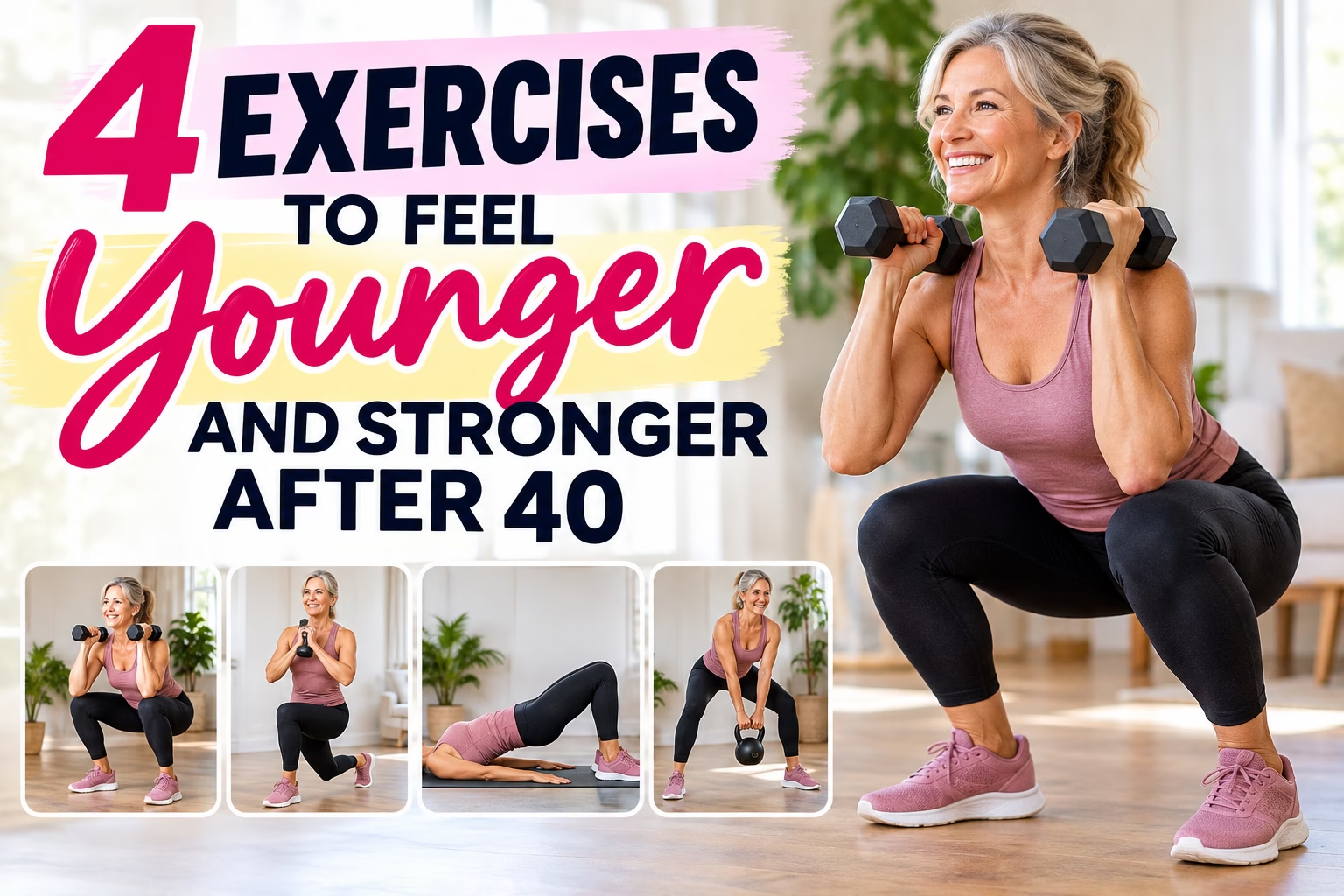
4 Exercises to Feel Younger and Stronger After 40
Getting older doesn’t mean you have to accept feeling stiff, weak, or low on energy. While aging naturally brings changes to your muscles, joints, balance, and mobility, staying physically active can make a noticeable difference in how well you move and how confident you feel in everyday life.
You don’t need exhausting workouts or hours at the gym, either.
Simple strength and mobility exercises can help you maintain muscle, support your joints, improve balance, and make everyday movements such as climbing stairs, getting out of a chair, carrying groceries, and bending down feel easier.
For women over 40 especially, maintaining strength becomes increasingly important. Rather than exercising simply to change how your body looks, think of exercise as an investment in how you want your body to function in the years ahead.
Here are four exercises that can help you feel stronger, more mobile, and more energetic as you age.
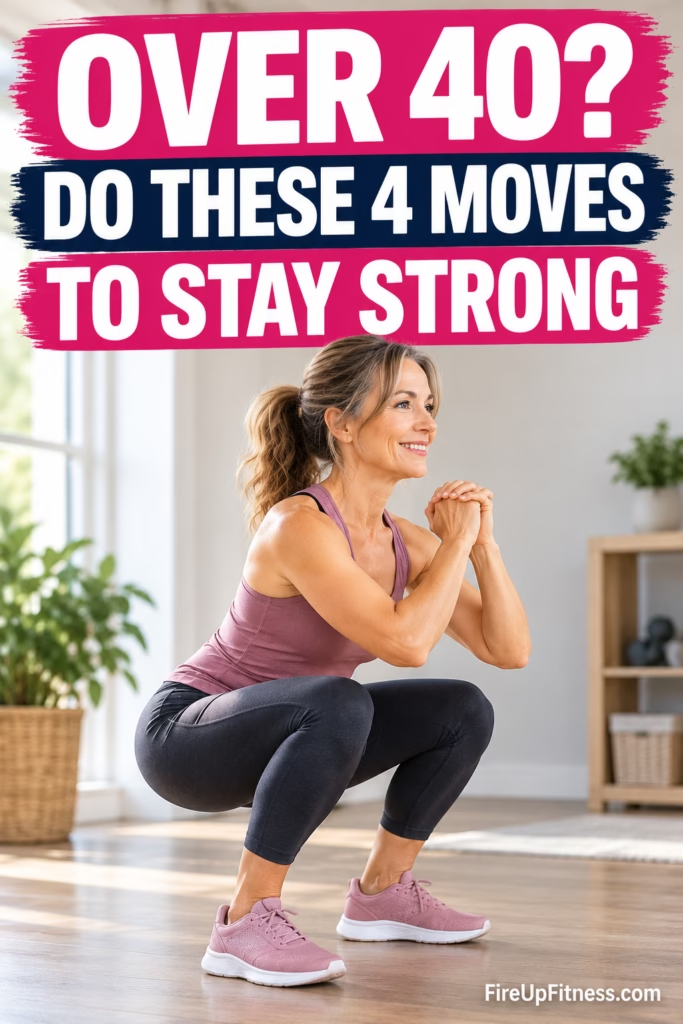
1. Squats for Stronger Legs and Everyday Mobility
Squats are one of the most practical exercises you can include in your routine because they train a movement you already perform every day: sitting down and standing back up.
They work your thighs, glutes, hips, and core while helping you maintain lower-body strength for walking, climbing stairs, and getting up from a chair.
How to Do a Squat
- Stand with your feet about shoulder-width apart.
- Keep your chest lifted and your core gently engaged.
- Push your hips backward as though you are sitting into a chair.
- Bend your knees and lower yourself only as far as feels comfortable.
- Press through your feet to return to standing.
- Repeat for 10–15 repetitions.
Beginners can place a sturdy chair behind them and gently touch the seat before standing again. You can also perform the exercise without weights until you feel comfortable with the movement.
As you become stronger, hold light dumbbells at your sides or near your shoulders for additional resistance.
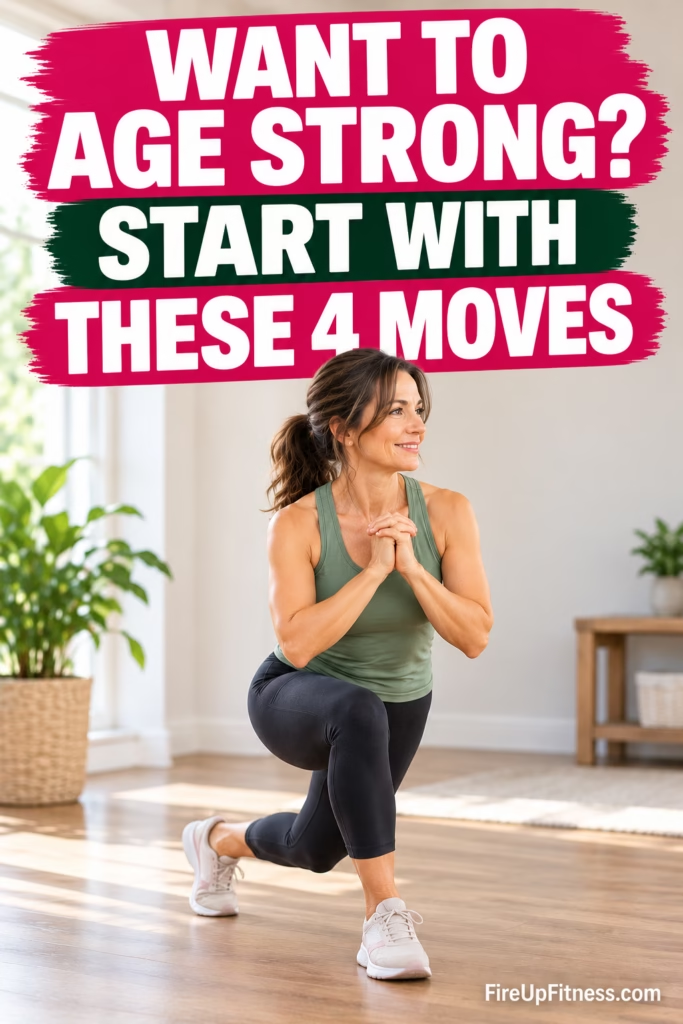
2. Curtsy Lunge for Balance and Coordination
The curtsy lunge, sometimes called a princess lunge, challenges your legs in a slightly different direction than a traditional forward or reverse lunge.
It works the glutes and thighs while also challenging balance, stability, and coordination.
These abilities become particularly valuable as we get older because good balance and lower-body strength help us move more confidently.
How to Do a Curtsy Lunge
- Stand tall with your feet about hip-width apart.
- Keep your chest upright and your core engaged.
- Step your left foot diagonally behind your right leg.
- Bend both knees slightly and lower your body as far as comfortably possible.
- Push through your front foot and return to standing.
- Complete 8–10 repetitions before switching sides.
You don’t need to lower your back knee all the way to the floor. A smaller range of motion is perfectly fine when you’re beginning.
For additional balance, perform the exercise next to a wall or sturdy chair.
3. Glute Bridge for Stronger Hips and Core
Hours spent sitting can leave the muscles around the hips and glutes feeling weak or inactive. The glute bridge is a simple floor exercise that strengthens your glutes while also engaging your hamstrings and core.
Strong glutes support many everyday movements, including walking, standing, climbing stairs, and getting up from a seated position.
How to Do a Glute Bridge
- Lie on your back with your knees bent.
- Place your feet flat on the floor about hip-width apart.
- Rest your arms comfortably beside your body.
- Gently tighten your core.
- Press through your heels and squeeze your glutes as you lift your hips.
- Pause briefly at the top without excessively arching your lower back.
- Slowly lower your hips to the floor.
- Repeat 12–15 times.
Focus on controlled movement rather than trying to lift your hips as high as possible.
4. Kettlebell Swing for Strength and Energy
Once you have developed a good foundation of strength and understand how to hinge correctly at your hips, kettlebell swings can be a powerful full-body exercise.
They primarily work the glutes, hamstrings, hips, and core while also raising your heart rate.
One important point: a kettlebell swing should come from the hips rather than from lifting the weight with your arms.
How to Do a Kettlebell Swing
- Stand with your feet slightly wider than hip-width apart.
- Hold a light kettlebell with both hands.
- Keep your spine neutral and knees slightly bent.
- Push your hips backward into a hip hinge.
- Allow the kettlebell to travel naturally between your legs.
- Drive your hips forward and squeeze your glutes to create momentum.
- Allow the kettlebell to rise naturally rather than pulling it upward with your arms.
- Control the weight as it returns between your legs.
- Begin with about 8–10 repetitions.
Kettlebell swings require more technique than the other exercises in this routine. Beginners may want to practice a bodyweight hip hinge or kettlebell deadlift first.
A Simple Feel-Younger Workout Routine
You can turn these four exercises into a short strength routine:
- Squats: 10–15 reps
- Curtsy Lunges: 8–10 reps per side
- Glute Bridges: 12–15 reps
- Kettlebell Swings: 8–10 reps
Rest for 30–60 seconds when needed and complete 2–3 rounds depending on your fitness level.
If you are just getting started, begin with one round. Building a routine gradually is more valuable than doing too much at once and becoming overly sore or discouraged.
Why Strength Matters More as You Get Older
One of the biggest misconceptions about aging is that becoming weaker and less active is simply something we have to accept.
Our bodies do change with age, but regular resistance training and physical activity can help maintain muscle strength, mobility, balance, and physical independence.
The goal isn’t to exercise like you did at 20.
The goal is to build a body that continues to serve you well at 40, 50, 60, and beyond.
That may mean being able to carry heavy grocery bags without struggling, climb a flight of stairs comfortably, play with your children or grandchildren, travel without worrying about your stamina, or simply get up from the floor without needing assistance.
Those everyday abilities are meaningful signs of fitness.
Tips for Exercising Safely After 40
Start slowly when returning to exercise after a long break. Give yourself time to learn each movement before adding heavier resistance or more repetitions.
Pay attention to the difference between normal muscular effort and sharp or unusual pain. Exercise should challenge your muscles, but it shouldn’t require you to push through joint pain.
A short warm-up can also make your workout more comfortable. Try five minutes of easy walking, marching in place, shoulder rolls, hip circles, and gentle bodyweight movements before beginning.
Most importantly, focus on consistency.
You don’t need a perfect workout to benefit from exercise. A simple routine performed regularly can be far more valuable than an intense program you only follow occasionally.
Final Thoughts
Feeling younger isn’t about trying to stop the aging process. It’s about maintaining the strength, mobility, balance, and energy that allow you to keep doing the things you enjoy.
Squats, curtsy lunges, glute bridges, and kettlebell swings can all have a place in a well-rounded strength routine. Start at a level that feels manageable, focus on good technique, and gradually increase the challenge as you become stronger.
Your age may change every year, but staying active can help you continue moving with strength and confidence for years to come.