5 Eye Yoga Exercises to Relax Tired Eyes Naturally
Do your eyes feel tired after spending hours looking at your phone, working on a computer, or reading? Maybe you’ve noticed dryness, difficulty concentrating, or that uncomfortable feeling around your eyes at the end of a busy day.
Our eyes work constantly, yet we rarely think about giving them a break.
That’s where eye yoga exercises may help.
Eye yoga involves gentle eye movements, relaxation techniques, and mindful breathing designed to give your eyes a break from prolonged visual tasks. These simple exercises take only a few minutes and can easily fit into your daily routine.
Although eye yoga cannot correct poor eyesight, eliminate the need for glasses, or prevent age-related eye diseases, it may help some people feel more comfortable when their eyes are tired.
Here are five easy eye yoga exercises worth trying, along with a few everyday habits that support healthy vision.
1. Palming: Give Your Tired Eyes a Relaxing Break
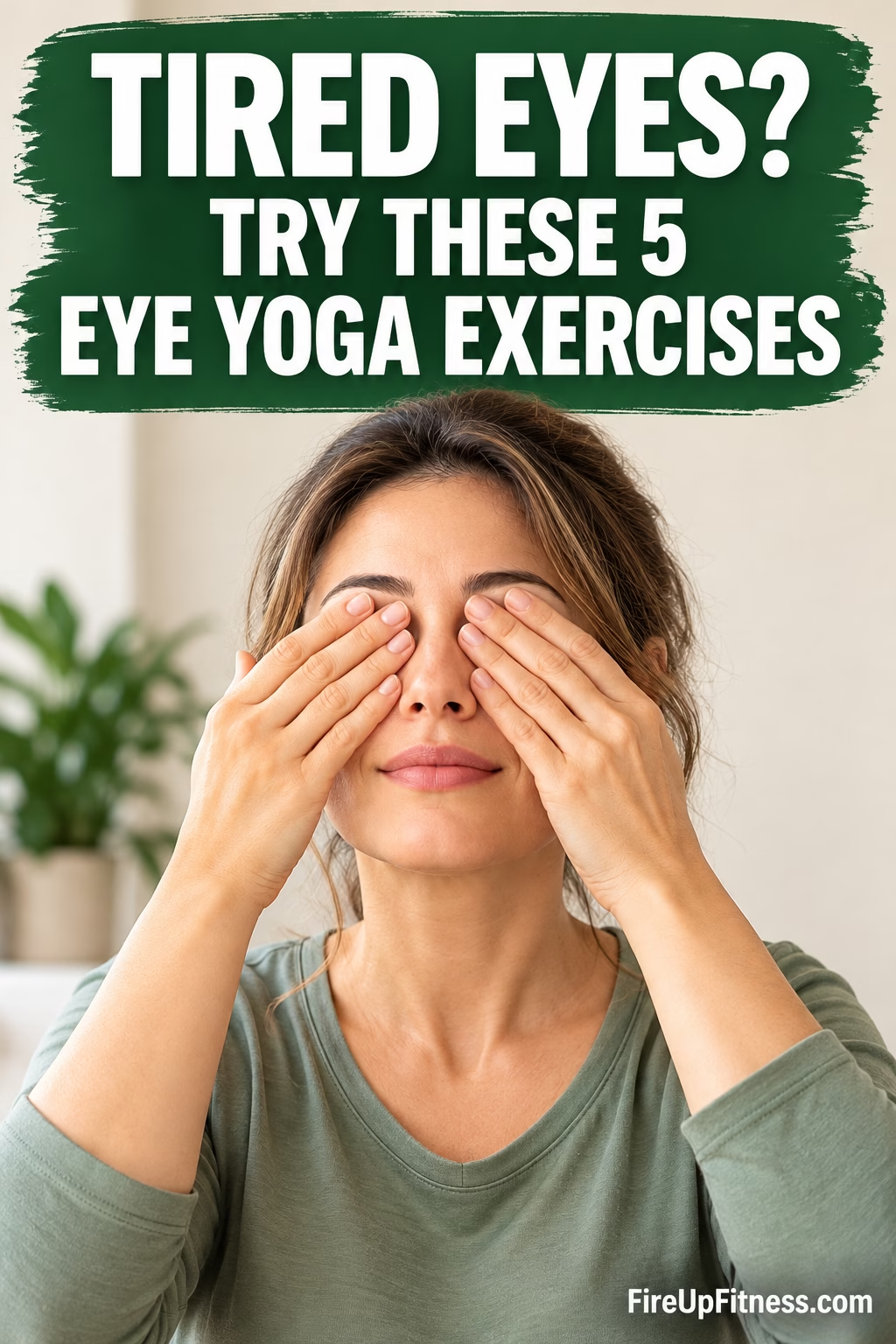
Have you ever closed your eyes for a few moments after a long day and immediately felt better?
Palming builds on that simple feeling of relaxation.
This gentle technique involves covering your closed eyes with your palms without applying pressure. It gives you a quiet moment away from bright screens and visual distractions.
How to do it:
- Sit comfortably in a chair with your shoulders relaxed.
- Rub your palms together gently to warm them.
- Close your eyes and cup your hands loosely over them.
- Avoid pressing against your eyeballs.
- Breathe slowly and naturally for 30–60 seconds.
- Remove your hands and open your eyes gradually.
Why try it? Palming may encourage relaxation and provide a soothing break during a busy day. It doesn’t repair vision or treat eye conditions, but the rest itself can feel refreshing.
2. Eye Rolling: Practice Gentle Eye Movements

When you’re concentrating on a screen, your gaze often stays directed toward a small area for extended periods.
Gentle eye movements can provide a welcome change from staring at the same spot.
How to do it:
- Sit upright and keep your head still.
- Slowly look upward without straining.
- Move your gaze gently toward the right.
- Continue looking downward and then toward the left.
- Complete a slow circle.
- Repeat three times, then reverse direction.
Keep the movements comfortable rather than forcing your eyes to their limits.
Why try it? Eye rolling engages the muscles responsible for moving your eyes. However, there is no convincing evidence that it strengthens vision or prevents the need for glasses.
Stop if the exercise causes dizziness, discomfort, or double vision.
3. Near-and-Far Focus: Take a Break From Close-Up Work

Spending long periods reading, scrolling, or working on a laptop can contribute to digital eye strain.
One simple way to change your visual routine is to alternate between looking at something nearby and something farther away.
How to do it:
- Sit comfortably and hold one finger about 12 inches from your face.
- Look at your finger for approximately five seconds.
- Shift your gaze toward an object across the room or outside a window.
- Look at the distant object for another five seconds.
- Repeat five to ten times without straining.
Why try it? Changing your viewing distance gives your eyes a break from continuous close-up work. It is not a proven treatment for refractive errors such as nearsightedness or farsightedness.
For regular screen breaks, remember the 20-20-20 rule: Every 20 minutes, look at something at least 20 feet away for 20 seconds.
4. Conscious Blinking: Refresh Dry, Tired Eyes
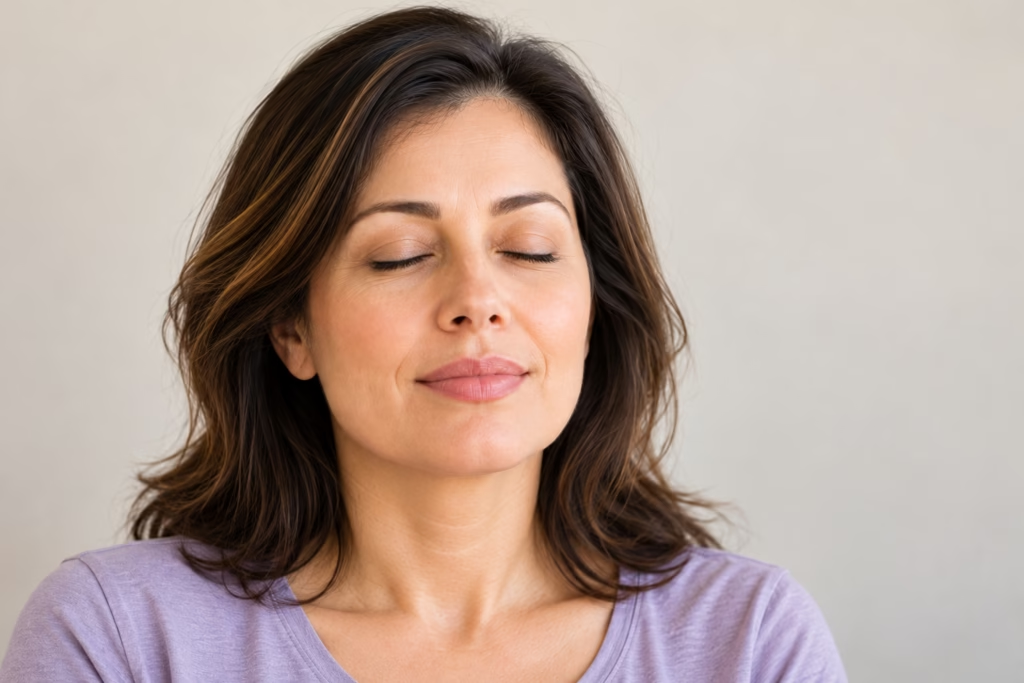
Here’s something you might not realize: People often blink less frequently when concentrating on digital screens.
Blinking helps spread tears across the surface of your eyes, keeping them lubricated and comfortable.
When blinking decreases, your eyes may begin to feel dry, irritated, or gritty.
How to do it:
- Sit comfortably and relax your face.
- Close your eyes gently for two seconds.
- Open them naturally.
- Repeat ten times at a comfortable pace.
- Finish by closing your eyes and resting for a few seconds.
Avoid squeezing your eyelids tightly.
Why try it? Conscious blinking can help maintain the tear film and may ease some screen-related dryness.
This is one of the easiest eye-care habits to practice while working, reading, or using your phone.
5. Closed-Eye Breathing: Relax Your Mind and Body
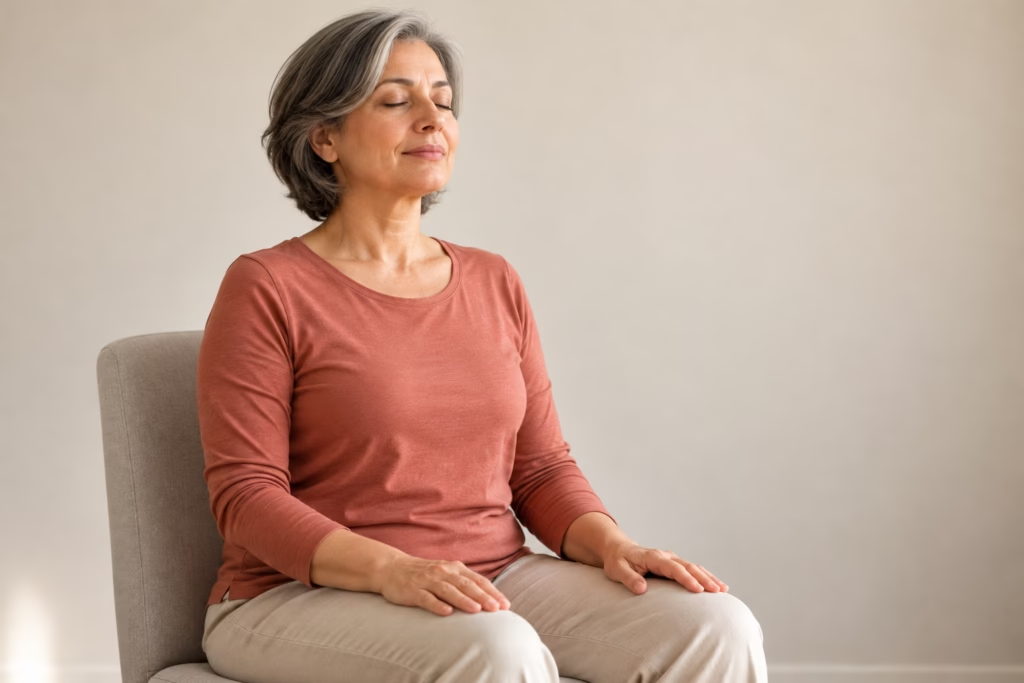
Sometimes tired eyes are only part of the problem.
After a demanding day, you might also notice tension in your forehead, neck, shoulders, and jaw.
A few minutes of mindful breathing can help you settle down while allowing your eyes to rest.
How to do it:
- Sit comfortably in a quiet space.
- Close your eyes gently.
- Relax your shoulders and unclench your jaw.
- Breathe in slowly through your nose.
- Exhale gently without forcing your breath.
- Continue for two to three minutes.
Focus on keeping your breathing natural and your facial muscles relaxed.
Why try it? Slow breathing and meditation may help reduce feelings of stress and encourage overall relaxation. While this does not directly improve eyesight, it can make a screen break feel more restorative.

A Simple 5-Minute Eye Yoga Routine for Beginners
You don’t need a long session to give your eyes a little attention.
Try this gentle routine after working at your computer or spending time on your phone.
| Exercise | Duration |
|---|---|
| Palming | 1 minute |
| Gentle eye rolling | 30 seconds |
| Near-and-far focusing | 1 minute |
| Conscious blinking | 30 seconds |
| Closed-eye breathing | 2 minutes |
| Total | 5 minutes |
Practice once or twice daily as a relaxation routine, especially when you’ve been doing a lot of close-up work.
The goal isn’t to push your eye muscles harder. It’s to build regular breaks into your day.
4 Everyday Habits That Support Healthy Eyes After 40
As we get older, changes in vision become more common. For example, many adults begin noticing difficulty focusing on nearby objects during their 40s, a normal age-related change called presbyopia.
Eye yoga cannot stop this process, but a few practical habits can support eye comfort and long-term eye health.
1. Take regular screen breaks. Avoid staring at your computer or phone for hours without looking away. Short, frequent breaks can help reduce digital eye strain.
2. Eat foods that support eye health. Leafy greens, colorful vegetables, eggs, nuts, and oily fish provide nutrients important for normal eye function.
3. Protect your eyes outdoors. Choose sunglasses that block 99–100% of UVA and UVB rays to help protect your eyes from ultraviolet exposure.
4. Schedule regular eye examinations. Eye exams can identify vision changes and certain eye diseases, sometimes before noticeable symptoms develop. Ask your eye-care professional how often you should be examined based on your age and risk factors.
Can Eye Yoga Really Improve Your Vision?
Eye yoga is often promoted as a natural way to improve eyesight, but it’s important to understand what these exercises can and cannot do.
Gentle eye movements and relaxation exercises may provide a comfortable break from prolonged screen use. However, scientific evidence does not show that general eye yoga routines can reverse nearsightedness, farsightedness, astigmatism, or presbyopia.
They also cannot replace prescription glasses or treatment for eye diseases.
Some specific eye movement or focusing exercises are used in professionally supervised vision therapy for diagnosed conditions, but these are different from general eye yoga routines.
Persistent blurry vision, eye pain, or recurring discomfort deserves professional attention. Sudden vision loss, new flashes of light, or a sudden shower of floaters requires urgent medical evaluation.
Final Thoughts
Taking care of your eyes doesn’t always require a complicated routine.
Sometimes, something as simple as stepping away from your screen, blinking more often, or closing your eyes for a few quiet moments can make your day more comfortable.
These five gentle eye yoga exercises offer an easy way to build mindful breaks into your routine.
Start with just five minutes today. Your eyes deserve a little rest, too.