Healthy Living After 60: 4 Essential Tips for Women
Turning 60 brings a new perspective on life, along with changes in how your body feels and functions. You may notice that your muscles need more attention, your joints feel stiffer, or your energy isn’t quite what it used to be.
These changes are a natural part of aging, but they don’t have to limit your ability to enjoy an active, fulfilling life.
Healthy living after 60 begins with four essential habits: eating nutritious foods, maintaining muscle strength, staying physically active, and giving your body enough time to recover.
Small adjustments to your daily routine can make everyday activities feel easier while supporting your long-term health and independence.

Why Healthy Habits Matter More After 60
As women age, several physical changes can influence their daily comfort and activity levels.
Muscle mass gradually declines, particularly without regular resistance exercise. Lower estrogen levels after menopause can also affect bone health, while changes in joint flexibility may make certain movements less comfortable.
Some women experience disrupted sleep, reduced endurance, or difficulty maintaining their usual activity levels.
Understanding these changes helps you choose habits that support your body rather than push it beyond its current abilities.
1. Nourish Your Body With Balanced Meals
Good nutrition becomes increasingly important after 60 because your body needs essential nutrients to maintain muscle function, bone strength, and everyday energy.
Instead of following restrictive eating plans, focus on meals that combine protein, fiber-rich carbohydrates, vegetables, and healthy fats.
Make protein a daily priority
Protein helps repair body tissues and supports muscle maintenance.
Include foods such as eggs, Greek yogurt, chicken, fish, lentils, tofu, and beans in your regular meals.
For many older adults, including approximately 20–30 grams of protein in a main meal is a useful starting point, although individual requirements vary.
Choose foods that support bone health
Women over 60 should pay particular attention to calcium and vitamin D, which help maintain healthy bones.
Useful sources include:
- Milk, yogurt, and fortified plant-based alternatives
- Calcium-set tofu
- Canned salmon or sardines with edible bones
- Fortified foods that provide vitamin D
Some women may need vitamin D supplements, depending on their diet, health, and sun exposure. A healthcare professional can help determine individual needs.
Include fiber-rich foods
Vegetables, fruits, legumes, and whole grains provide fiber that supports digestive health.
Oatmeal with berries, lentil soup, roasted vegetables, and whole-grain toast are simple ways to add variety to your meals.
Remember healthy fats and fluids
Olive oil, nuts, seeds, and fatty fish provide beneficial fats that contribute to overall health.
Drink water regularly throughout the day, especially during warmer weather or physical activity.
A simple meal idea: Grilled salmon with quinoa, steamed broccoli, and a drizzle of olive oil provides protein, fiber, and beneficial fats without complicated preparation.
2. Maintain Muscle Strength With Simple Exercises
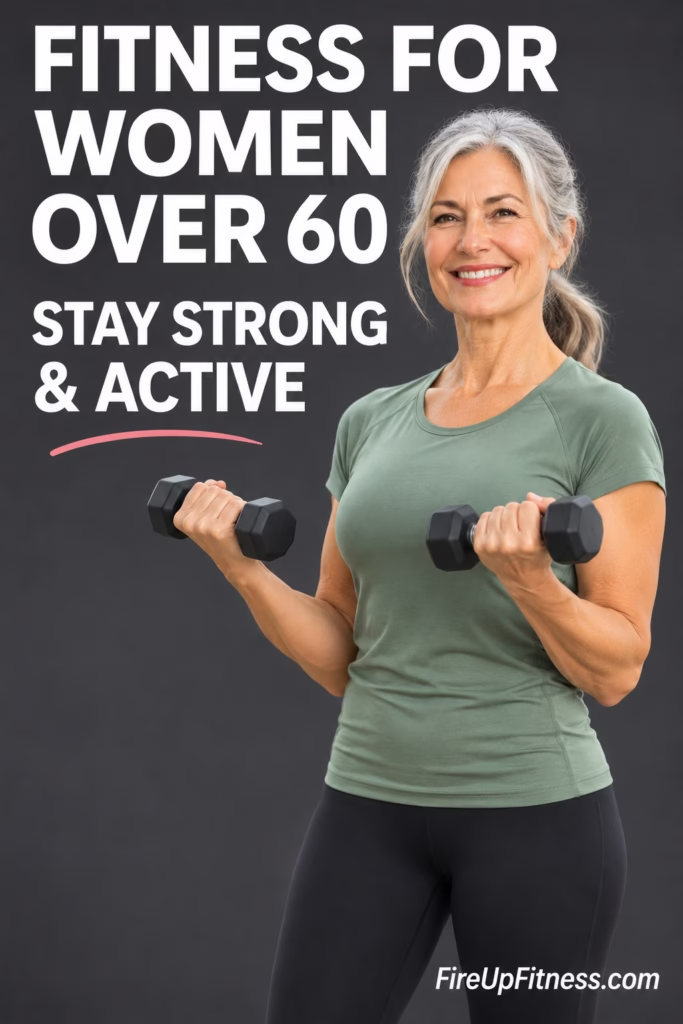
Strength training is especially valuable for women over 60 because it helps maintain the muscle function needed for everyday activities.
Getting out of a chair, carrying groceries, climbing stairs, and lifting household items all depend on muscular strength.
You can begin with basic exercises at home without needing a gym membership.
Chair squats
Chair squats strengthen the thighs and glutes.
- Stand in front of a sturdy chair with your feet hip-width apart.
- Bend your knees and slowly lower yourself onto the seat.
- Press through your feet to return to standing.
Repetitions: 8–10
Use the armrests for support when needed.
Wall push-ups
Wall push-ups work the chest, shoulders, and arms.
- Stand facing a wall with your palms at shoulder height.
- Bend your elbows, bringing your chest toward the wall.
- Push back to the starting position.
Repetitions: 8–12
Seated resistance band rows
This exercise strengthens the upper back and supports posture.
- Sit upright in a sturdy chair.
- Hold a resistance band attached to a secure anchor in front of you.
- Pull your elbows backward while gently squeezing your shoulder blades.
- Slowly release.
Repetitions: 10–12
Standing calf raises
Calf raises strengthen the lower legs.
- Stand behind a sturdy chair and hold it for support.
- Slowly lift your heels off the floor.
- Pause briefly before lowering them.
Repetitions: 10–15
How often should you practice?
Begin with one set of each exercise twice a week, allowing recovery between sessions. As your strength improves, gradually increase the number of sets or resistance.
Focus on comfortable, controlled movements rather than speed. Stop any exercise that causes sharp pain or unusual discomfort.
3. Improve Endurance With Low-Impact Activities
Cardiovascular activity helps support heart and lung health while making everyday movement feel less tiring.
Low-impact exercises are particularly useful for women who prefer gentler activities or experience occasional joint discomfort.
Walking
Walking is accessible, easy to adjust, and requires little equipment.
Begin with a comfortable 10–15-minute walk. You can gradually extend the duration or increase your pace as your endurance improves.
Swimming and water aerobics
Water supports your body and reduces the load on your joints during movement.
Swimming and pool-based exercise are useful options for improving cardiovascular endurance while gently challenging different muscle groups.
Stationary cycling
A stationary bike allows you to exercise at a controlled pace.
Adjust the seat for comfort and begin with light resistance, increasing the challenge gradually.
Chair aerobics
Seated marching, alternating arm reaches, and gentle leg movements provide an accessible activity option for people who need additional support.
How much activity is recommended?
Older adults are generally encouraged to work toward at least 150 minutes of moderate-intensity aerobic activity each week.
That might mean 30 minutes on five days, but shorter sessions are also beneficial.
Choose a starting duration that suits your current fitness level and build up gradually.
4. Protect Your Well-Being With Rest and Balance
Healthy aging involves more than exercise and nutrition. Your sleep, balance, and emotional well-being also influence how comfortably you move through daily life.
Create a consistent sleep routine
Quality sleep supports memory, mood, and physical recovery.
Adults aged 60–64 generally need 7–9 hours of sleep, while adults 65 and older usually need 7–8 hours.
Try going to bed at a similar time each night, limiting afternoon caffeine, and keeping your bedroom cool and quiet.
Practice balance regularly
Balance exercises help improve stability and reduce the risk of falls.
Try a supported single-leg stand:
- Stand beside a sturdy countertop.
- Hold the counter while lifting one foot slightly.
- Maintain the position for 5–10 seconds.
- Lower your foot and switch sides.
Keep a secure support within reach throughout the exercise.
Make time for relaxation
Stress can affect concentration, sleep, and emotional well-being.
A relaxing hobby, time outdoors, deep breathing, or meaningful conversations with friends can help you unwind.
You might also enjoy gardening, reading, or joining a community activity that encourages social connection.
Choose something you genuinely enjoy rather than treating relaxation as another task to complete.
A Simple Weekly Healthy Living Plan for Women Over 60
A realistic schedule makes it easier to include different activities without overloading your day.
| Day | Suggested activity |
|---|---|
| Monday | Beginner strength exercises |
| Tuesday | Comfortable 20-minute walk |
| Wednesday | Gentle stretching and balance practice |
| Thursday | Beginner strength exercises |
| Friday | Swimming or stationary cycling |
| Saturday | Gardening, dancing, or another enjoyable activity |
| Sunday | Rest and gentle mobility movements |
Use this as a starting schedule and gradually increase your activity toward recommended levels as your abilities allow.
Common Questions About Healthy Aging After 60
Can women build muscle after 60?
Yes. Muscles can respond to resistance training throughout older adulthood. Progress depends on exercise consistency, appropriate resistance, nutrition, and recovery.
What exercises are best for women with stiff joints?
Walking, water aerobics, gentle mobility exercises, and appropriately modified strength training may help maintain movement. Persistent joint pain should be assessed before beginning a new routine.
How can women over 60 feel more energetic?
Regular physical activity, sufficient food and fluids, and consistent sleep can support normal energy levels. Ongoing fatigue may have an underlying medical cause and should be discussed with a healthcare professional.
Is it safe to start exercising at 60?
Many women can safely begin with light, gradual activity. Those with significant medical conditions, osteoporosis, recent injuries, or balance difficulties should seek individualized guidance before starting unfamiliar exercises.
Final Thoughts: Feel Strong and Confident at Every Age
Your 60s can be an opportunity to discover new ways of caring for yourself.
You don’t need an exhausting fitness routine or a complicated eating plan to support your health. What matters is choosing habits that fit your abilities and make daily life more comfortable.
Pay attention to the improvements that matter to you, whether that’s walking with greater ease, feeling steadier on your feet, or having more energy for the activities you love.
Growing older is inevitable, but continuing to build strength, confidence, and healthy habits is something you can actively work toward.
Give yourself time to progress, appreciate what your body can do, and enjoy the process of staying active through every stage of life.
Health note: Exercise and nutrition needs vary. Consult a qualified healthcare professional when making significant changes to your routine, particularly if you have an existing medical condition.