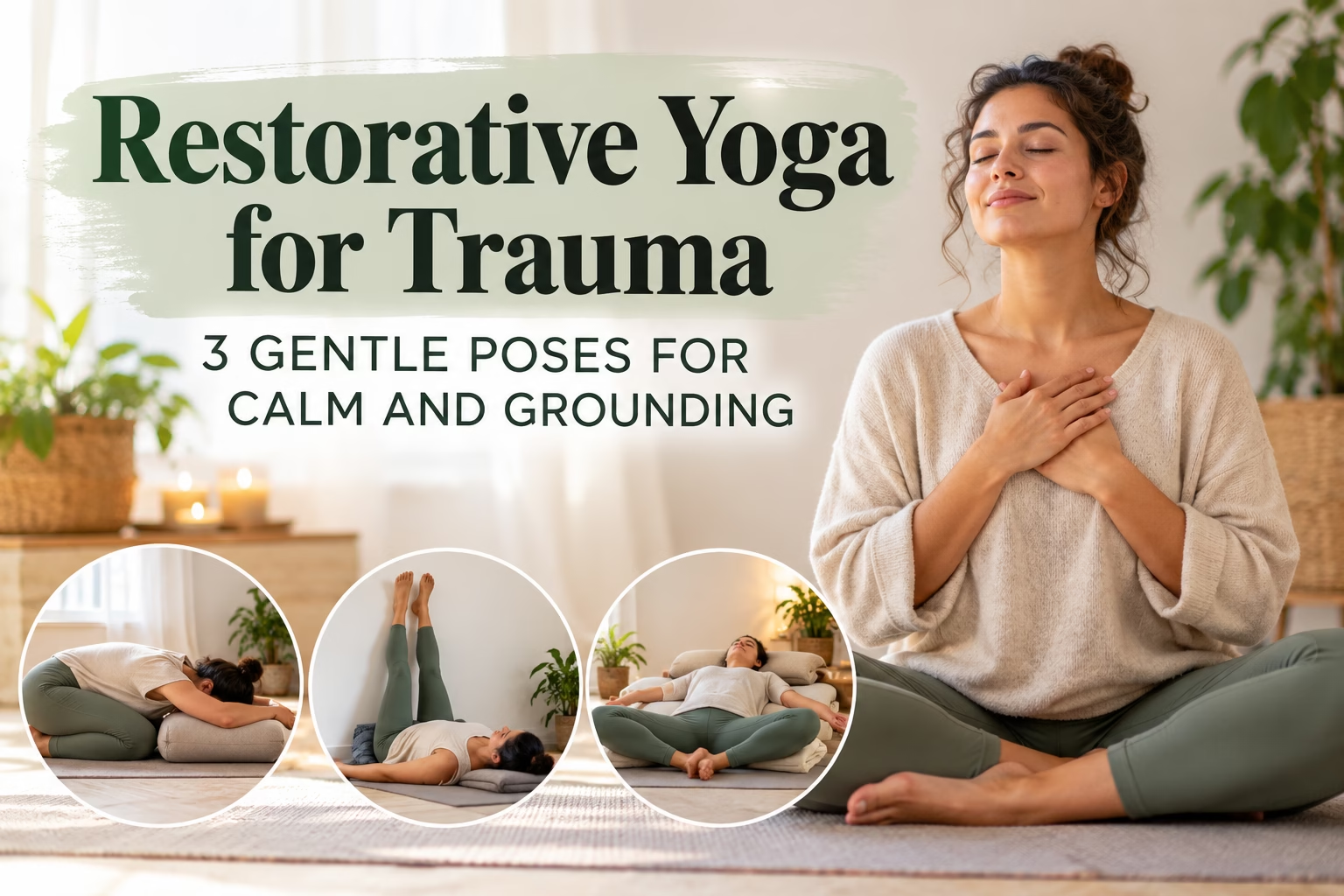
Restorative Yoga for Trauma: 3 Gentle Poses for Calm
Stressful and traumatic experiences can affect more than your thoughts and emotions. They may also influence how your body feels and responds to everyday situations. Muscle tension, restlessness, difficulty sleeping, feeling constantly on alert, and trouble relaxing can sometimes linger long after a difficult experience.
For some people, gentle movement and intentional rest can provide a comforting way to reconnect with the body. Restorative yoga for trauma is one practice that may help.
Unlike faster yoga styles that focus on strength, flexibility, or challenging sequences, restorative yoga is about slowing down. Pillows, blankets, cushions, and bolsters can support the body so you can remain in comfortable positions without forcing a stretch.
The goal isn’t to push through discomfort. It is to create conditions where your body has an opportunity to settle, breathe, and rest.
Below are three gentle restorative yoga poses you can try when you want to feel calmer and more grounded.
1. Supported Child’s Pose
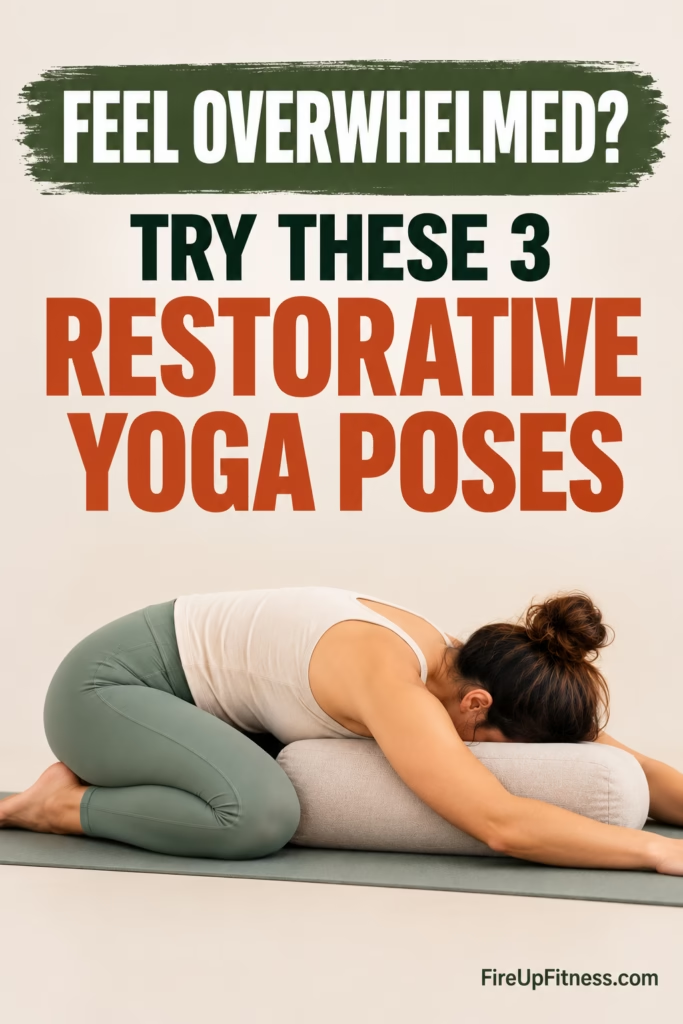
Child’s Pose, or Balasana, is a simple yoga posture that can feel comforting and grounding. Adding pillows or a bolster makes it even more suitable for restorative practice.
How to Do It
Begin on your hands and knees.
Bring your hips slowly toward your heels and separate your knees to a comfortable distance. Place a pillow, folded blanket, or yoga bolster lengthwise in front of you.
Lower your upper body onto the support and turn your head gently to one side. Your arms can rest alongside the bolster or wherever they feel most comfortable.
Rather than trying to stretch deeply, allow your body to become heavy against the support.
Breathe slowly and remain here for 1 to 5 minutes, or for as long as the position feels comfortable.
Why You May Like It
Supported Child’s Pose may help you:
- Slow down after an overwhelming day
- Relax tension through the back and shoulders
- Focus attention on gentle breathing
- Create a feeling of physical support
- Transition from activity into rest
If lowering your head or curling inward feels uncomfortable, skip this pose. A trauma-sensitive yoga practice should always give you the freedom to change positions or stop.
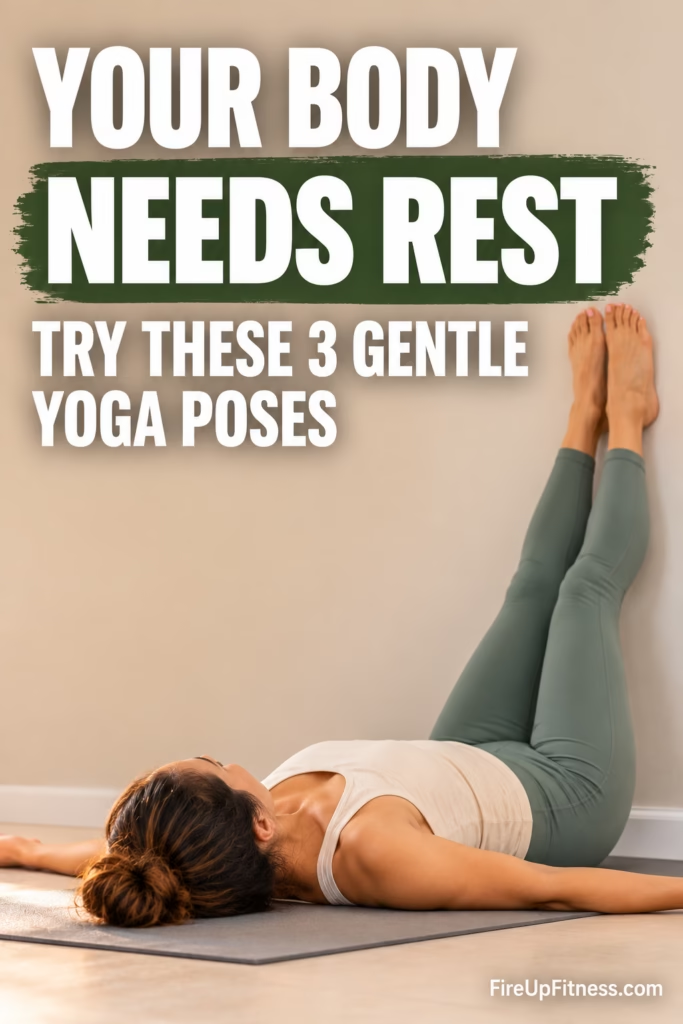
2. Legs Up the Wall Pose
Legs Up the Wall, also known as Viparita Karani, requires very little effort, making it a wonderful pose when you feel physically or mentally tired.
It can be especially relaxing as part of a gentle evening routine.
How to Do It
Sit sideways next to a wall.
Slowly lower your upper body toward the floor while bringing your legs up the wall. Adjust your position until you feel comfortable.
Your hips do not need to touch the wall.
Place a folded blanket underneath your head or hips if additional support feels good. Allow your arms to rest comfortably beside you.
Close your eyes only if that feels comfortable. Otherwise, keep your gaze soft and relaxed.
Stay for approximately 3 to 10 minutes while breathing naturally.
Why You May Like It
Legs Up the Wall can provide a quiet opportunity to:
- Rest tired legs
- Slow down before bedtime
- Release some physical tension
- Practice relaxed breathing
- Take a break from constant activity
You don’t need to remain perfectly still. Adjust your legs, bend your knees, or leave the pose whenever you need to.
3. Supported Reclined Bound Angle Pose
Reclined Bound Angle Pose, or Supta Baddha Konasana, is often used during restorative yoga because the entire body can be supported with cushions and blankets.
The important word here is supported.
Without adequate support, this position can create an unnecessarily intense stretch through the inner thighs and hips.
How to Do It
Sit on the floor with the soles of your feet together and your knees opening gently outward.
Place pillows, folded blankets, or yoga blocks underneath both knees so your legs don’t have to work to hold the position.
Place a bolster or several pillows behind your back.
Slowly lean backward until your head, shoulders, and back are comfortably supported.
Rest your hands wherever they feel natural. You might place them alongside your body rather than on your chest or stomach if that feels more comfortable.
Stay for approximately 2 to 5 minutes.
Why You May Like It
This supported yoga pose may help you:
- Relax without requiring much muscular effort
- Ease tension around the hips and inner thighs
- Practice slower breathing
- Create a quiet transition into rest
- Become more aware of physical sensations without forcing them
There is no need to push your knees toward the floor. More support is usually better than forcing a deeper stretch.
How Restorative Yoga May Support Stress and Trauma Recovery
Trauma can affect the body’s stress-response systems. Some people may notice that they remain tense, alert, restless, or easily overwhelmed even when there is no immediate danger.
Restorative yoga combines several practices that may support relaxation: comfortable body positioning, reduced physical effort, slower breathing, quiet surroundings, and mindful awareness.
This type of practice may encourage the body to shift away from a highly activated stress state and toward greater rest and relaxation.
Research into yoga and trauma-related symptoms is still developing, and yoga should not be viewed as a treatment that can erase trauma. However, gentle mind-body practices may be useful as part of a broader approach to emotional and physical well-being.
Make Your Yoga Practice Trauma-Sensitive
When using yoga for emotional well-being, how you practice can be just as important as which poses you choose.
You are always in control of your practice.
You do not have to close your eyes. You do not have to stay in a position because a timer says you should. You do not have to breathe in a particular pattern. And you never have to push through a sensation that makes you feel unsafe or overwhelmed.
Instead, give yourself options.
Practice in a room where you feel comfortable. Keep your eyes open if you prefer. Place yourself where you can easily see the door. Use as many pillows and blankets as necessary. Stop whenever you want.
These small choices can make restorative yoga feel more supportive and personal.
Try This Simple 10-Minute Restorative Yoga Routine
You don’t need a long yoga session to create a quiet moment in your day.
Try this simple sequence:
Supported Child’s Pose: 3 minutes
Settle onto a pillow or bolster and allow your breathing to remain natural.
Legs Up the Wall: 4 minutes
Let your legs rest while relaxing your shoulders, jaw, and hands.
Supported Reclined Bound Angle: 3 minutes
Use plenty of support beneath your knees and back and allow your body to rest.
Move slowly between positions.
If one of these poses doesn’t feel right, leave it out completely. You can spend the entire 10 minutes in the position that feels most comfortable.
When Is the Best Time to Practice?
There isn’t one perfect time for restorative yoga.
You might find it helpful:
- Before going to bed
- After a stressful workday
- Following a gentle workout
- During a quiet afternoon break
- Whenever you notice yourself feeling tense or overstimulated
Consistency can be more useful than making each session long or complicated. Even a few quiet minutes can become part of a calming daily routine.
Restorative Yoga Is About Choice, Not Perfection
One of the most valuable parts of a gentle yoga practice is realizing that you don’t have to force your body to do anything.
There is no prize for holding a pose longer.
There is no perfect stretch.
And there is no requirement to feel completely relaxed.
Some days, five minutes of quiet movement may feel wonderful. On another day, taking a short walk, sitting comfortably, or simply resting may feel better.
Listen to what your body is telling you and choose accordingly.
Final Thoughts
Healing after difficult or traumatic experiences can be a deeply individual process, and restorative yoga is not a cure for trauma. However, it may offer a gentle way to create moments of stillness, physical comfort, and mindful connection with your body.
Start with one pose rather than trying to complete an entire routine. Use pillows and blankets generously, breathe naturally, and give yourself permission to stop or change positions whenever necessary.
Save these three restorative yoga poses for trauma and stress relief so you can return to them when you want a gentle way to slow down, reconnect, and rest.
Related: 10-Minute Core Workout: Yoga Poses for Beginners
Important Trauma-Sensitive Note
This article is intended for general educational and wellness purposes and is not a substitute for professional mental health or medical care. Yoga may complement appropriate treatment, but it should not be considered a treatment for trauma or post-traumatic stress disorder (PTSD).
Some yoga positions, breathing exercises, or body-focused practices can feel uncomfortable or triggering for certain people. Stop the practice if you experience distress, pain, dizziness, panic, or other uncomfortable symptoms. A qualified healthcare or mental health professional can help you determine what forms of support are appropriate for your individual needs.