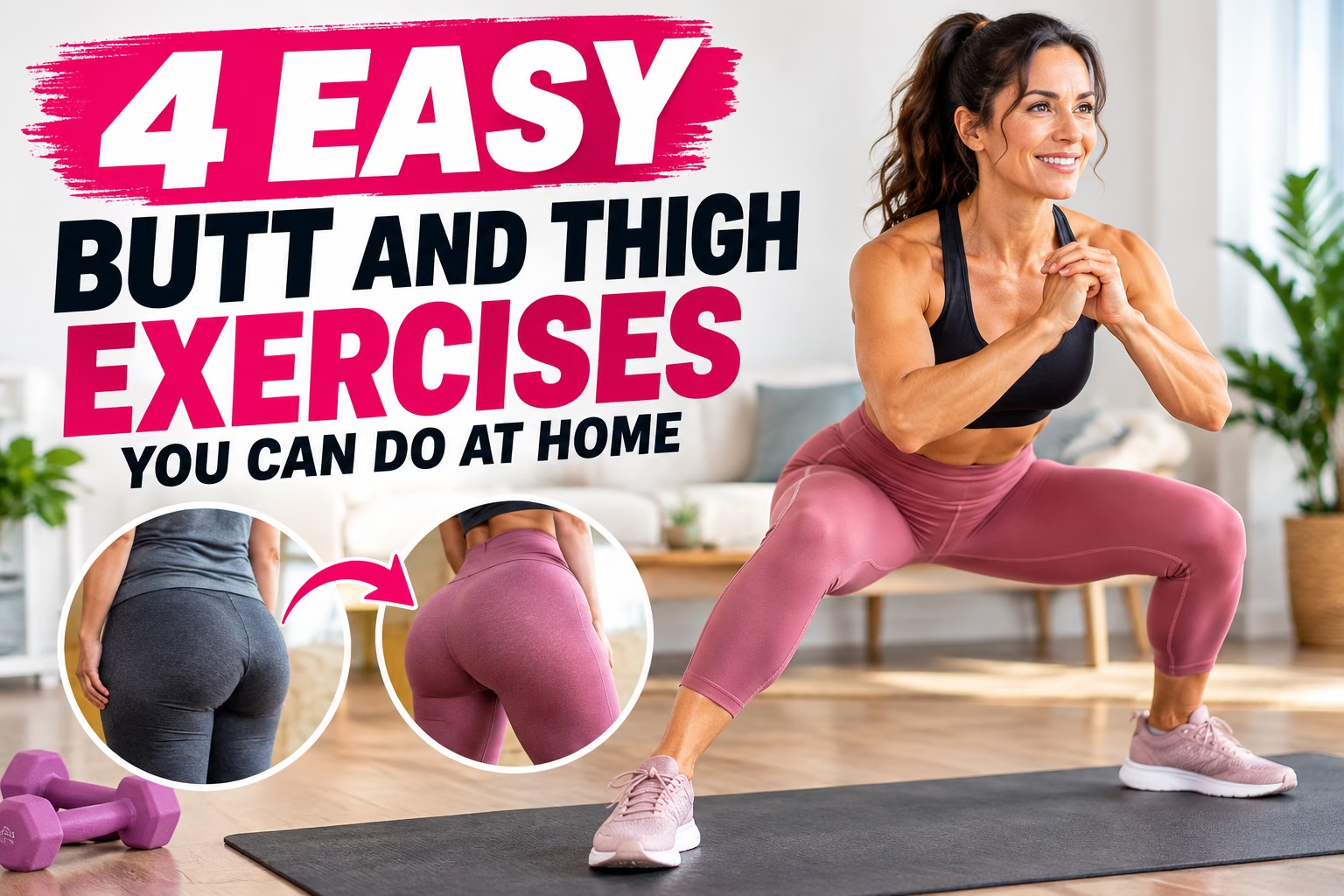
4 Easy Butt and Thigh Exercises You Can Do at Home
Want stronger glutes and firmer thighs but don’t have time for long workouts? You don’t need a gym membership, expensive equipment, or an hour of exercise to start strengthening your lower body.
Sometimes, all it takes is a few simple movements you can do right in your living room.
And here’s something worth remembering: Your glutes aren’t just about appearance. Strong glutes support your hips, improve balance, and make everyday activities like climbing stairs, walking, and getting up from a chair easier.
Whether you’re getting back into exercise, starting after 40, or simply looking for a quick home workout, these four butt and thigh exercises are a great place to begin.
The best part? You can finish this routine in about 10 minutes.
1. Plank Leg Lifts: Strengthen Your Glutes and Core
Think planks are only for your stomach? Add a simple leg lift, and you’ll challenge your glutes, hips, and core at the same time.
This exercise is particularly useful for improving stability because your body has to work harder to stay balanced while one leg moves.
How to do it:
- Start in a high plank with your hands directly beneath your shoulders.
- Keep your back straight and tighten your abdominal muscles.
- Squeeze your right glute and slowly lift your right leg a few inches off the floor.
- Move the lifted leg slightly outward, then bring it back.
- Lower your foot and repeat with your left leg.
- Continue alternating sides without letting your hips twist.
Do: 8–10 repetitions per leg.
Make it easier: Drop to your knees and extend one leg behind you at a time.
Feel it working: Your glutes, abdominal muscles, and shoulders should all be engaged.
Quick reminder: Lifting your leg higher doesn’t necessarily make the exercise better. Controlled movement matters more than height.
2. Toe Taps: Build a Stronger Core to Support Your Lower Body
This one looks almost too easy until you try doing it slowly.
Toe taps are a gentle, floor-based exercise that strengthens your abdominal muscles and helps improve control of your pelvis and hips.
While they don’t directly target your glutes like squats do, they’re a helpful addition to a balanced lower-body routine.
How to do it:
- Lie on your back with your arms resting beside you.
- Lift both legs and bend your knees to a 90-degree angle.
- Gently tighten your stomach muscles.
- Slowly lower your right foot until your toes lightly touch the floor.
- Bring your leg back to the starting position.
- Repeat with your left leg.
Do: 30–45 seconds.
Make it easier: Keep one foot on the floor while moving the other leg.
Feel it working: You should notice your abdominal muscles engaging as you control each movement.
Quick reminder: Keep your back comfortable throughout the exercise. Reduce the range of motion if your lower back begins to arch or feel strained.
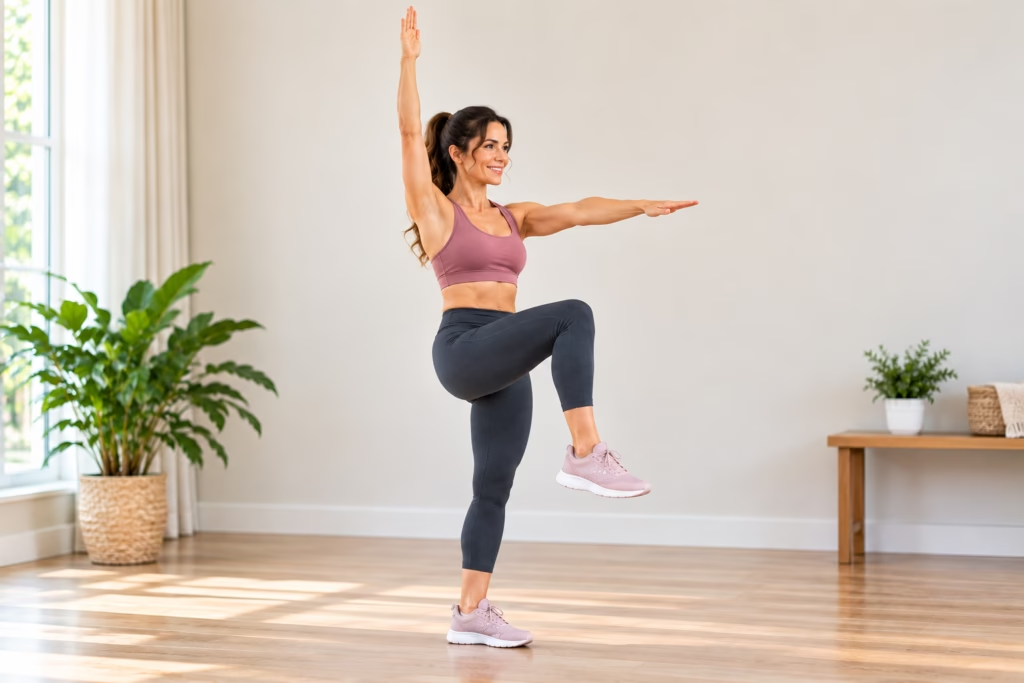
3. Single-Leg Front Raises: Improve Balance and Hip Stability
When was the last time you challenged your balance?
It’s something we often overlook until standing on one leg becomes surprisingly difficult.
Single-leg front raises help strengthen the muscles that stabilize your hips and ankles while challenging your coordination.
They’re especially useful for women who want to maintain balance and confidence with everyday movement as they get older.
How to do it:
- Stand tall with your feet hip-width apart.
- Shift your weight onto your left leg.
- Slightly bend your right knee and lift your right foot a few inches off the floor.
- Extend both arms straight in front of you at shoulder height.
- Slowly raise your left arm overhead while keeping your balance.
- Lower your arm and repeat with the opposite arm.
- Switch legs and repeat the sequence.
Do: 8 repetitions per side.
Make it easier: Keep one hand on a sturdy chair or wall. Skip the overhead arm movement until your balance improves.
Feel it working: The muscles around your standing hip, leg, and core will work to keep you steady.
Quick reminder: Don’t worry if you wobble. Balance improves with practice.
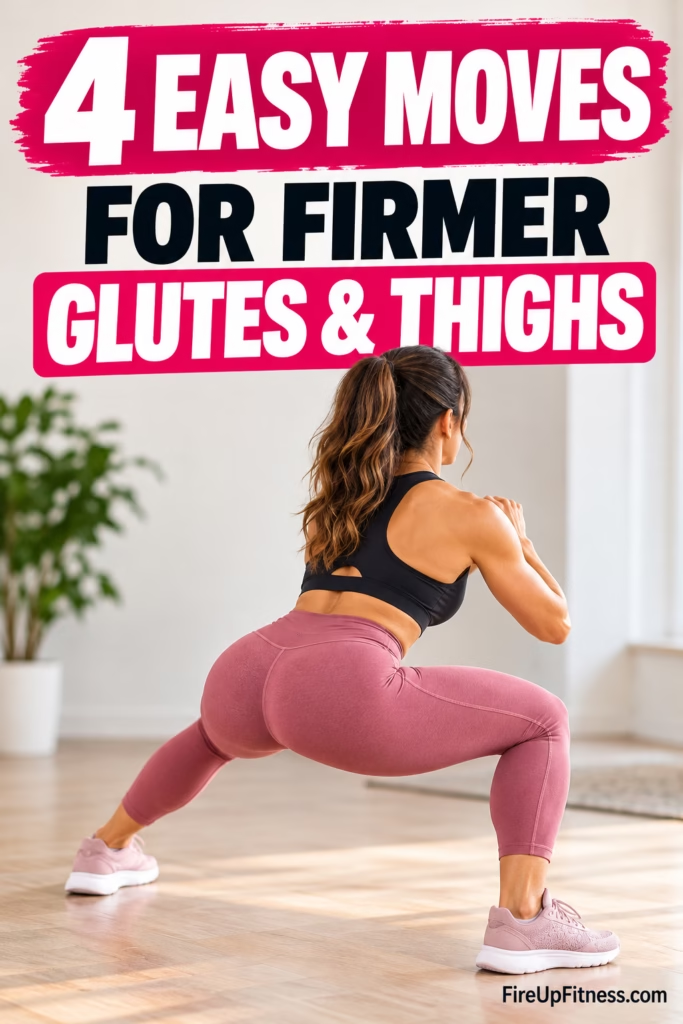
4. Lateral Step-Out Squats: Work Your Glutes and Thighs
Want one move that really challenges your lower body? Try this one.
Lateral step-out squats combine the muscle-strengthening benefits of squats with side-to-side movement.
They work your glutes, quadriceps, and hip stabilizers, making them an excellent choice for building lower-body strength.
How to do it:
- Stand with your feet shoulder-width apart.
- Push your hips backward and bend your knees into a comfortable squat.
- Keep your chest lifted and your knees aligned with your toes.
- Step your right foot sideways, then bring your left foot toward it.
- Take two steps to the right while maintaining a shallow squat.
- Reverse direction and take two steps to the left.
- Continue alternating sides.
Do: 10–20 total steps.
Make it easier: Stay in a shallow squat or straighten your legs briefly between steps.
Feel it working: Your glutes, thighs, and outer hip muscles should feel engaged.
Quick reminder: Keep your steps small and controlled. There’s no need to squat deeply to benefit from this exercise.
Try This 10-Minute Butt and Thigh Workout
Not sure how to put everything together? Follow this beginner-friendly routine.
| Exercise | How Much |
|---|---|
| Plank Leg Lifts | 8 per leg |
| Toe Taps | 30 seconds |
| Single-Leg Front Raises | 8 per side |
| Lateral Step-Out Squats | 12 total steps |
| Rest | 30 seconds between exercises |
Start with one round. Once the movements feel comfortable, repeat the circuit a second time.
Aim for 2–3 sessions per week, allowing recovery between workouts.
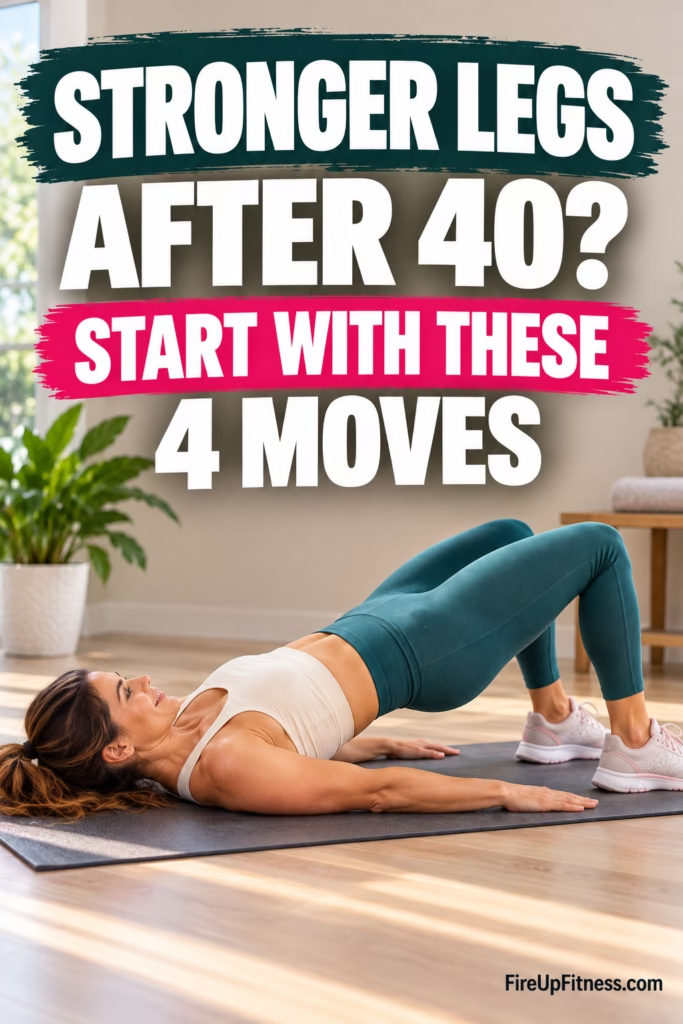
Want an extra glute challenge? Add 10–15 glute bridges at the end. They’re a simple way to give your glutes more direct strengthening work without needing equipment.
What Happens When You Keep Doing These Exercises?
You may not see dramatic physical changes after a few workouts, but that doesn’t mean nothing is happening.
With regular practice, you may begin noticing improvements such as:
- Climbing stairs feels more comfortable.
- You can hold a plank with better control.
- Squats become easier to perform.
- Your balance improves when standing on one leg.
- Your legs feel stronger during everyday activities.
Visible muscle definition generally takes longer and depends on several factors, including training intensity, nutrition, and genetics.
Rather than checking the mirror every day, pay attention to what your body can do.
Can you complete two more repetitions than last week? Can you squat with better control? Can you balance a little longer?
Those are meaningful signs of progress.
4 Small Changes That Can Make Your Workout More Effective
1. Slow down your repetitions. Don’t rush through the movements just to finish faster. Controlled repetitions help you maintain proper form and keep your muscles working.
2. Make the exercises more challenging over time. Once your routine feels easy, add repetitions, another round, or suitable resistance. Your muscles need gradually increasing challenges to continue getting stronger.
3. Don’t skip recovery days. Your muscles need time to recover between challenging strength sessions. A gentle walk or light stretching can be a good choice on other days.
4. Choose consistency over perfection. Missing a workout doesn’t mean you’ve failed. Simply return to your routine the next time you can.
Frequently Asked Questions
Can I tone my butt and thighs without weights?
Yes. Bodyweight exercises can help beginners develop strength and muscle endurance. As you progress, adding resistance may help you build more muscle and improve definition.
How long does it take to see results?
Some people notice improvements in strength and balance within a few weeks. Visible changes in muscle definition often take several weeks to months, depending on consistency, resistance, and individual factors.
Can women over 40 do these exercises?
Absolutely. These exercises can be adapted for different fitness levels. Start with the beginner modifications, move at a comfortable pace, and avoid movements that cause pain.
Should I do butt and thigh exercises every day?
You don’t need to. Two or three well-planned strengthening sessions per week can be an effective starting point. Give your muscles time to recover, especially after challenging workouts.
Final Thoughts: Stronger Legs Start With Small Steps
You don’t need a perfect workout schedule to start building stronger glutes and thighs.
You just need a few minutes, a little space, and the willingness to begin.
These four exercises can help improve lower-body strength, stability, and confidence with movement. Start slowly, pay attention to your form, and make the routine more challenging as you progress.
And remember, the goal isn’t just firmer thighs or a more toned butt. It’s building a stronger body that supports you in everyday life.
Which exercise would you try first: plank leg lifts, toe taps, single-leg raises, or lateral squats?
Save this 10-minute workout so you can come back to it on your next lower-body training day. And share it with a friend who enjoys simple home workouts.