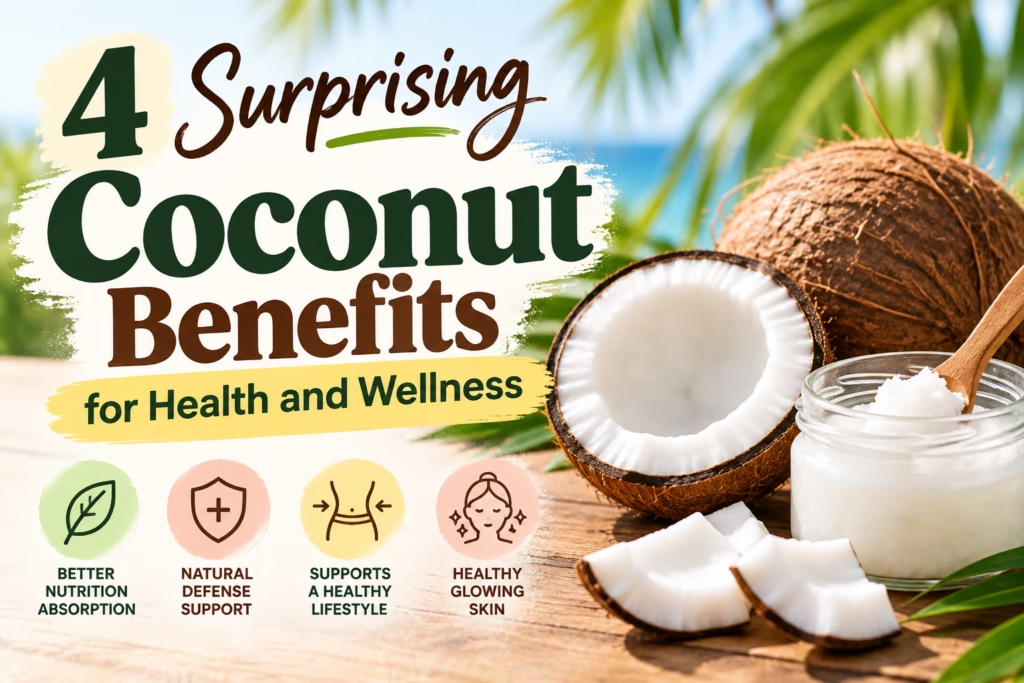
4 Surprising Coconut Benefits for Health and Wellness
Coconut is one of those foods that seems to show up everywhere—from smoothies and curries to skincare products and cooking oils. But beyond its tropical flavor, coconut also provides fats, minerals, fiber, and plant compounds that can make it a useful part of a balanced lifestyle.
The important thing is knowing which coconut benefits are genuinely useful and which popular claims have been exaggerated.
Coconut oil, coconut meat, coconut milk, and coconut water are also quite different nutritionally. Coconut oil is almost entirely fat, while coconut meat provides fiber and minerals, and coconut water is primarily valued as a refreshing source of fluid and electrolytes.
Here are four reasons coconut may deserve a place in your kitchen and self-care routine.
1. Coconut Fat Can Help With the Absorption of Certain Nutrients
Some vitamins and plant compounds need dietary fat to be absorbed efficiently.
Vitamins A, D, E, and K are fat-soluble, which means eating some fat alongside foods containing these nutrients can help your body absorb and use them.
Carotenoids found in colorful vegetables such as carrots, spinach, sweet potatoes, tomatoes, and leafy greens are another good example. Your body can convert certain carotenoids, including beta-carotene, into vitamin A.
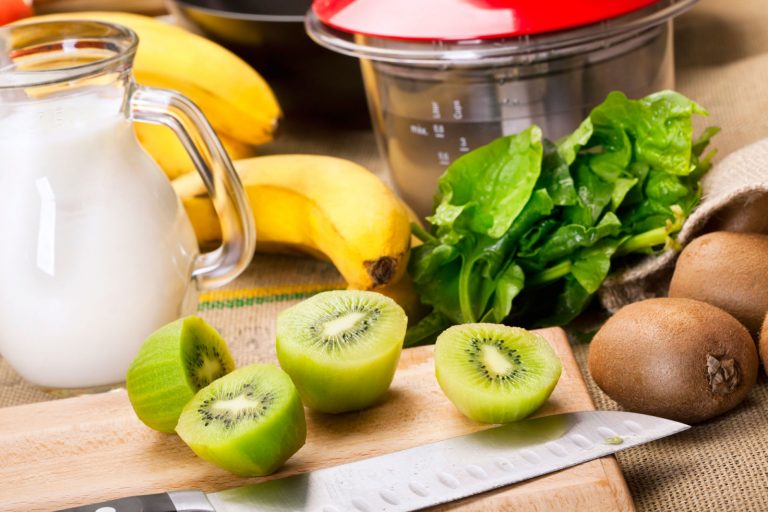
Because coconut contains fat, adding a modest amount of coconut milk or coconut to a meal containing vegetables can provide some of the dietary fat needed for absorption.
For example, a vegetable curry prepared with coconut milk combines colorful vegetables with a source of fat in the same meal.
However, coconut isn’t the only option. Olive oil, avocado, nuts, seeds, eggs, and other foods containing fat can serve a similar purpose.
2. Coconut Contains Lauric Acid
One of the most interesting components of coconut fat is lauric acid, a type of saturated fatty acid.
Lauric acid can be converted by the body into compounds such as monolaurin, which have attracted scientific interest because of their antimicrobial properties in laboratory research.
This is where coconut sometimes receives exaggerated health claims.
While these compounds have shown interesting antimicrobial activity under certain experimental conditions, eating coconut should not be considered a treatment for bacterial or viral infections.
Think of coconut as a nutritious food rather than a natural medicine.
Coconut oil can also be useful for cooking because it is relatively heat-stable. Its distinctive flavor works especially well in curries, roasted vegetables, baked goods, and some breakfast recipes.
Just remember that coconut oil is high in saturated fat, so it is better treated as one of several cooking fats rather than the only oil you use.
3. Coconut Can Fit Into a Fat-Loss Diet—But It Isn’t a Fat Burner
You’ve probably seen claims that coconut oil “boosts metabolism,” burns belly fat, stimulates the thyroid, or automatically helps you lose body fat.
Unfortunately, the reality isn’t that simple.
Coconut oil is calorie-dense, with roughly the same number of calories per gram as other cooking oils. Adding large spoonfuls to coffee, smoothies, or meals without adjusting anything else can actually increase your total calorie intake.
That doesn’t mean coconut needs to disappear from a fat-loss diet.
Instead, use it intentionally.
Unsweetened shredded coconut can add flavor and texture to oatmeal or yogurt. Coconut milk can make vegetable-based dishes more satisfying, while small amounts of coconut oil can be used when its flavor suits the recipe.
Whole coconut meat also provides fiber, which may contribute to fullness.
The bigger lesson is simple:
Coconut can be part of a healthy fat-loss eating pattern, but it doesn’t replace portion awareness, nutritious meals, regular movement, adequate protein, sleep, and consistency.
Rather than asking whether one food “burns fat,” focus on building meals that keep you satisfied and make healthy eating easier to maintain.
4. Coconut Oil Can Be a Simple Skin Moisturizer
Coconut isn’t limited to the kitchen.
Coconut oil is commonly used in skincare because it creates a protective layer over the skin that can help reduce moisture loss. Its thick, creamy texture makes it particularly appealing for dry areas such as elbows, knees, hands, and legs.
A small amount is usually enough.
Warm a little coconut oil between your palms and gently apply it to slightly damp skin after bathing or showering. Applying moisturizer while the skin still contains some moisture can help lock that hydration in.
However, coconut oil isn’t ideal for everyone.
People with oily or acne-prone facial skin may find it too heavy, so using it as a facial moisturizer isn’t always the best choice. Patch-testing a small area first is also sensible for sensitive skin.
Which Type of Coconut Should You Choose?
The word “coconut” can describe several foods with very different nutritional profiles.
Coconut meat: Provides fiber, fat, and minerals and works well in meals and snacks.
Coconut water: Mostly water with naturally occurring electrolytes and carbohydrates. It can be refreshing after activity, although plain water is perfectly adequate for everyday hydration for most people.
Coconut milk: Rich and creamy, making it useful for curries, soups, smoothies, and sauces. Full-fat versions can be high in calories and saturated fat, so portion size matters.
Coconut oil: Almost entirely fat and best used in relatively small amounts when you enjoy its flavor or cooking properties.
Choosing the right form depends on what you want from it rather than assuming every coconut product provides the same benefits.
Easy Ways to Add Coconut to Your Diet
You don’t need complicated recipes to enjoy coconut.
Sprinkle a little unsweetened shredded coconut over oatmeal or yogurt. Add coconut milk to a vegetable curry or soup. Blend a small amount of coconut into a fruit smoothie, or enjoy fresh coconut meat occasionally as a snack.
For cooking, coconut oil can be used selectively in dishes where its flavor works well.
The key word is balance.
More coconut doesn’t automatically mean more health benefits, particularly with coconut oil and full-fat coconut milk.
Is Coconut Healthy?
Coconut can absolutely be included in a nutritious diet, but it shouldn’t be treated as a miracle food.
Its different forms offer different advantages. Coconut meat provides fiber and fat. Coconut water offers hydration and electrolytes. Coconut milk adds richness to meals. Coconut oil can be useful for cooking and moisturizing dry skin.
At the same time, coconut fat is high in saturated fat, so moderation matters—especially when coconut oil or full-fat coconut milk is consumed frequently.
A healthy diet doesn’t depend on one “superfood.” It comes from the overall pattern of foods you eat consistently.
Final Thoughts
Coconut has earned its popularity for good reason. It’s versatile, flavorful, easy to use, and available in forms that work for everything from breakfast and dinner to skincare.
But you don’t need exaggerated promises about melting belly fat or dramatically boosting metabolism to appreciate it.
Use coconut because you enjoy it and because it can complement an already balanced diet.
Add a little coconut to oatmeal. Use coconut milk to make vegetables more satisfying. Cook with coconut oil occasionally when you enjoy the flavor. Or keep a small jar in the bathroom for dry hands and elbows.
Sometimes the most useful health foods aren’t the ones promising dramatic results. They’re the simple ingredients that fit naturally into healthy habits you can maintain for years.