5 Easy Arm Exercises for Flabby Arms at Home
Have you ever waved goodbye to someone and noticed that the back of your arms kept moving a little longer than you’d like?
It’s something many women notice, especially after 40. Your upper arms may not feel as firm as they once did, even when the rest of your body feels reasonably fit.
The good news? You can build stronger, more defined arms without spending hours at the gym.
You don’t need heavy weights, complicated equipment, or an intense workout. A few simple exercises can help strengthen the muscles in your upper arms, improve your upper-body strength, and make everyday activities feel easier.
And the best part? You can do most of them right in your living room.
Here are 5 easy arm exercises worth adding to your routine, plus a simple 10-minute workout to help you get started.
Why Do Arms Lose Their Firmness, Especially After 40?
Have you noticed that your arms look different even though your daily habits haven’t changed much?
There’s a reason for that.
As we get older, our bodies naturally lose some muscle mass, particularly when we don’t regularly challenge our muscles through strength training. Skin also becomes less elastic, and genetics influence where we carry body fat.
These changes can make the upper arms appear softer or less defined.
But here’s what matters: your muscles can still become stronger at 40, 50, 60, and beyond.
Regular strength training helps maintain and build muscle, which can improve arm definition over time.
One thing to keep in mind is that you can’t choose exactly where your body loses fat. Arm exercises strengthen the muscles underneath, while overall physical activity and healthy habits support your general fitness.
You don’t need to chase perfectly sculpted arms. Building strength that helps you feel comfortable and confident in your body is a worthwhile goal.
1. Tricep Dips: Strengthen the Back of Your Arms
The triceps are the muscles running along the back of your upper arms. They’re responsible for straightening your elbows and play an important role in pushing movements.
Tricep dips challenge these muscles using your body weight.
How to do them:
- Sit on the edge of a sturdy, stable bench.
- Place your palms beside your hips, fingers facing forward.
- Slide your hips slightly off the edge while keeping your feet firmly on the floor.
- Slowly bend your elbows, lowering your hips just a few inches.
- Press through your hands to return to the starting position.
Do: 8–10 repetitions.
Make it easier: Keep your knees bent and your feet close to your body. Lower only as far as your shoulders comfortably allow.
Dips can be uncomfortable for some shoulders. If you feel pinching or pain, skip them and choose a standing tricep extension instead.
2. Jump Rope: Get Your Arms Moving While Improving Stamina
Who says arm workouts have to be all about lifting weights?
Jumping rope is a fun way to get your heart pumping while keeping your shoulders, wrists, and forearms active.
It also helps improve coordination and cardiovascular endurance.
How to do it:
- Stand tall with your knees slightly bent.
- Hold the rope handles at your sides.
- Keep your elbows close to your body.
- Turn the rope using small, controlled wrist movements.
- Jump gently, landing softly on your feet.
Do: 30 seconds, rest briefly, and repeat 3 times.
Make it easier: Skip the rope entirely! March in place while making small circles with your wrists as though you’re holding a jump rope.
This no-jumping version is a great option for beginners who prefer lower-impact exercise.
Remember, skipping is mainly a cardio activity rather than a dedicated arm-strengthening exercise. It’s a useful addition to your routine, not a replacement for resistance training.
3. Push-Ups: One Exercise That Works Your Entire Upper Body
Push-ups deserve a place in almost every upper-body workout.
They strengthen your triceps, chest, and shoulders while engaging your core.
And no, you don’t have to do full push-ups on the floor to get started.
How to do them:
- Place your hands slightly wider than shoulder-width apart on the floor.
- Extend your legs behind you, keeping your body straight.
- Tighten your abdominal muscles.
- Bend your elbows and slowly lower your chest.
- Push back up without letting your hips sag.
Do: 8–12 repetitions.
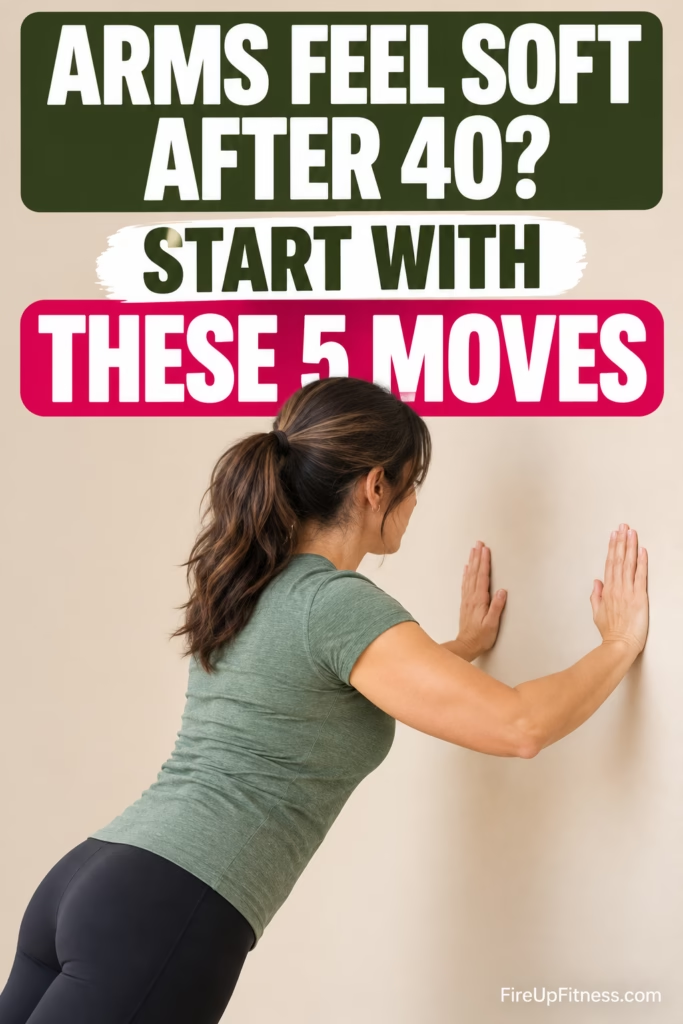
Make it easier: Try wall push-ups.
Stand facing a wall, place your palms against it at shoulder height, and step your feet back slightly. Bend your elbows to bring your chest toward the wall, then push away.
Wall push-ups are an excellent starting point when floor push-ups feel too difficult.
As you get stronger, progress to countertop push-ups before trying the floor version.
4. Forearm Plank: Build Stronger Shoulders and Core Stability
You might think planks are only for your stomach, but your upper body works hard to support you during this exercise.
Your shoulders and stabilizing muscles help hold your position while your abdominal muscles keep your body steady.
How to do it:
- Lie face-down on an exercise mat.
- Place your forearms on the floor with your elbows beneath your shoulders.
- Extend your legs behind you.
- Lift your hips, keeping your body in a straight line.
- Tighten your core and breathe steadily.
Hold: 15–30 seconds.
Make it easier: Keep your knees on the floor while maintaining a straight line from your shoulders to your knees.
Don’t worry about holding a plank for a full minute. A controlled 15-second plank is a perfectly good place to begin.
Planks primarily build core stability and shoulder endurance, making them a useful complement to your arm-strengthening exercises.
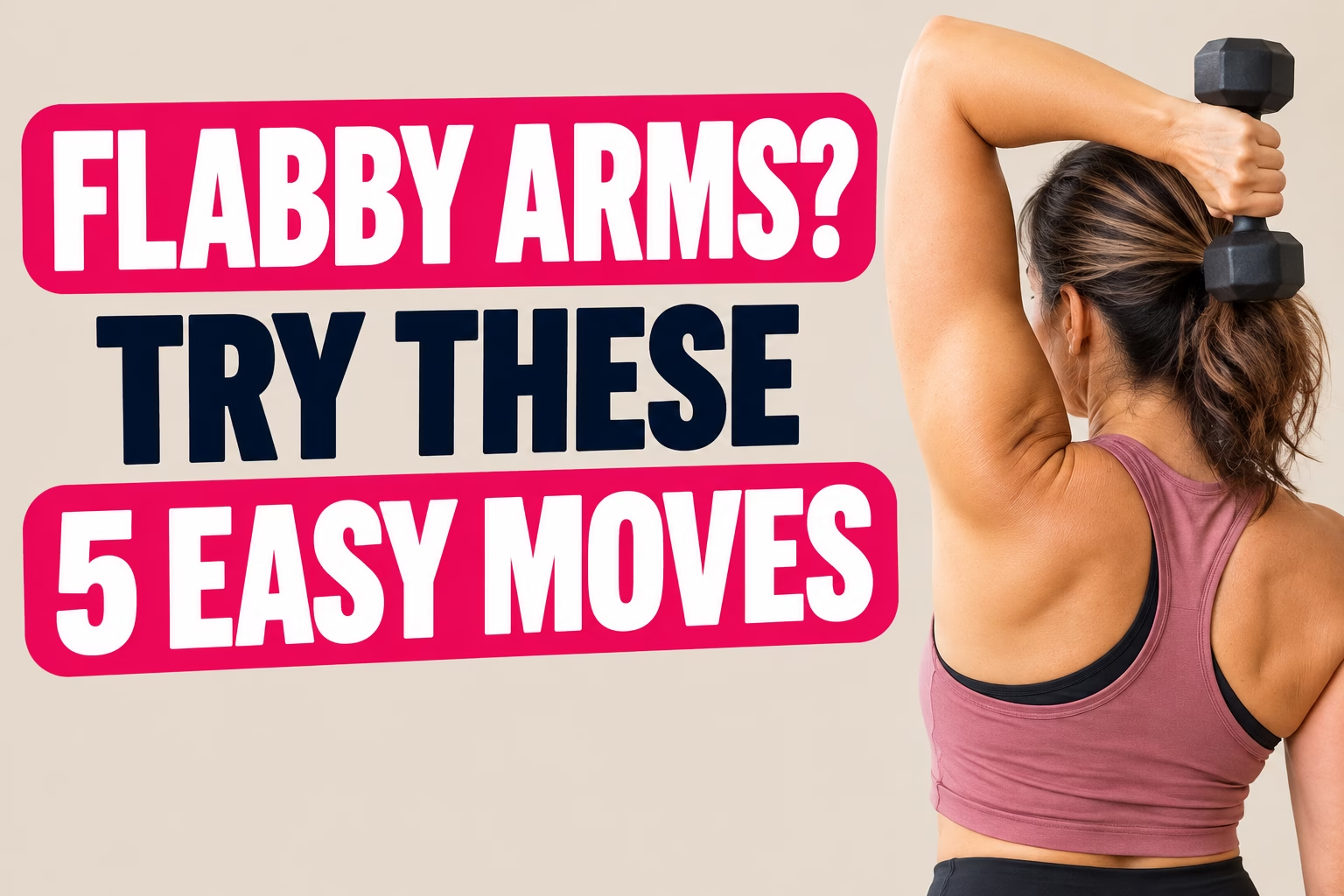
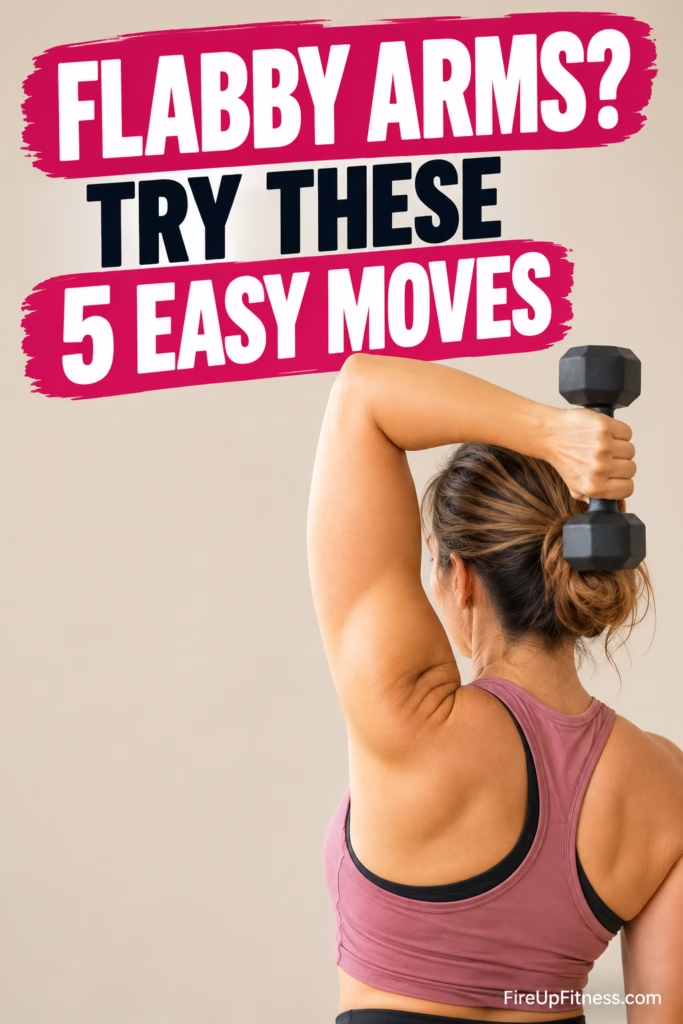
5. One-Arm Tricep Extensions: Give the Back of Your Arms Extra Attention
Want a simple exercise that directly challenges your triceps?
One-arm tricep extensions are a great choice because you can train each arm individually.
All you need is a light dumbbell or a small water bottle.
How to do them:
- Stand or sit tall while holding a light weight in one hand.
- Raise your arm overhead.
- Slowly bend your elbow to lower the weight behind your head.
- Keep your upper arm steady.
- Straighten your elbow to lift the weight again.
Do: 10–12 repetitions on each arm.
Make it easier: Start with a very light weight and work through a comfortable range of motion.
Avoid rushing. The goal is to feel your triceps working as you lift and lower the weight.
If overhead movements cause shoulder discomfort, try a tricep kickback with your arm beside your body instead.
Your Simple 10-Minute Arm Workout at Home
Now that you know the exercises, here’s an easy way to put them together.
You can do this routine two or three times a week, with at least one recovery day between strength sessions.
| Exercise | Amount |
|---|---|
| Tricep dips or standing extensions | 10 reps |
| Jump rope or no-jump marching | 30 seconds |
| Push-ups (wall or floor) | 10 reps |
| Forearm plank | 20 seconds |
| One-arm tricep extensions | 10 reps per arm |
Start with a minute or two of gentle arm circles and shoulder rolls. Perform each exercise at a comfortable pace, resting for 20–40 seconds when needed.
Repeat the circuit if you have time and feel comfortable. Finish with a gentle upper-body stretch.
Save this routine: It’s an easy workout to return to on days when you want to strengthen your arms but don’t have much time.
5 Small Habits That Can Help You Build Stronger Arms
You don’t need to make dramatic changes to your lifestyle to improve your upper-body strength.
What matters most is what you do consistently.
- Train your arms regularly. Two or three strength sessions per week are a good starting point.
- Don’t rush your repetitions. Slow, controlled movements help you maintain good technique.
- Make exercises harder gradually. Increase your repetitions or resistance when your current workout starts feeling easy.
- Support your muscles with good nutrition. Include protein-rich foods in your meals to support muscle maintenance and recovery.
- Give yourself time. Building strength and visible muscle definition takes patience.
And don’t forget to exercise the rest of your body, too. Walking, lower-body strength training, and regular movement all contribute to a balanced fitness routine.
How Long Does It Take to See Results From Arm Exercises?
This is probably the question you’re most curious about.
The answer depends on your starting fitness level, how consistently you exercise, your nutrition, and your body’s natural characteristics.
You may notice that certain exercises feel easier after a few weeks. Perhaps you can complete more wall push-ups or hold a plank longer without getting tired.
Visible muscle changes often take longer, and they vary from person to person.
Instead of checking your arms in the mirror every day, pay attention to what your body can do.
Can you carry heavier grocery bags? Are push-ups becoming easier? Do your shoulders feel stronger during everyday activities?
Those are meaningful signs of progress.
Final Thoughts: Stronger Arms Start With Small Steps
You don’t need perfect arms to feel good about yourself, and you certainly don’t need an expensive gym membership to build upper-body strength.
These five exercises give you a simple place to start.
Choose the easier versions when needed, focus on good form, and gradually challenge yourself as you become stronger.
Most importantly, keep showing up for yourself. Even a short workout can become a valuable habit when you practice it regularly.
Save these 5 easy arm exercises for your next home workout, and share them with a friend who wants to build stronger arms, too.