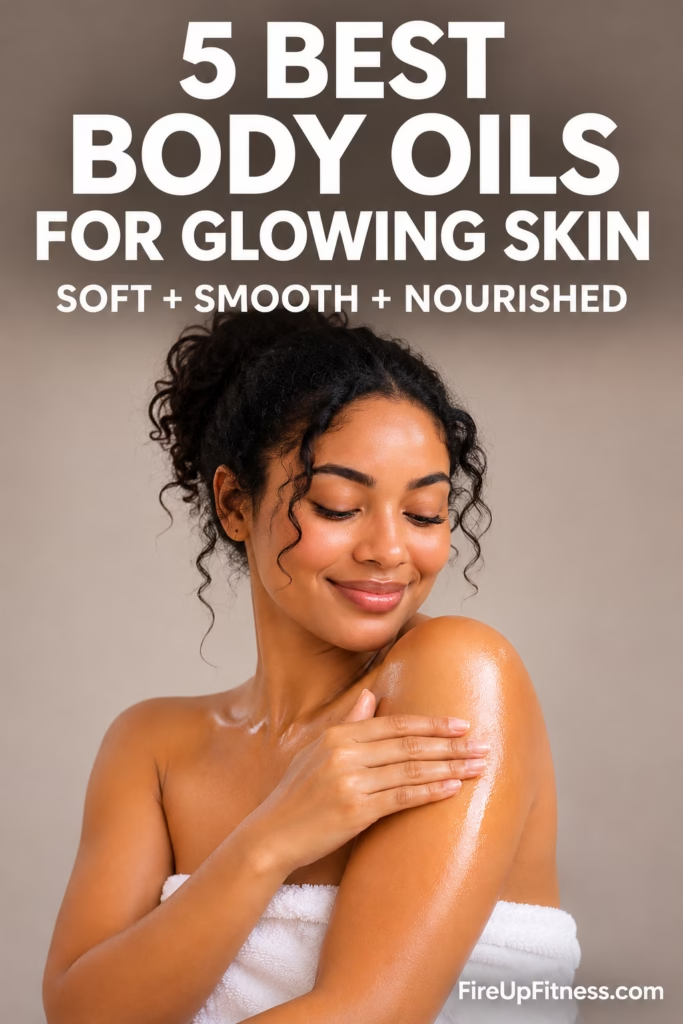
5 Best Body Oils for Glowing Skin and Lasting Moisture
Soft, glowing skin doesn’t always require an expensive skincare routine. Sometimes, a few drops of the right natural body oil can make a noticeable difference in how your skin looks and feels.
Body oils help lock in moisture, soften rough patches, and support the skin’s natural protective barrier. Whether your skin feels dry after a shower or you want a healthy-looking glow, choosing the right oil can be a simple addition to your daily self-care routine.
From lightweight sweet almond oil to nourishing rosehip seed oil, here are five of the best body oils for glowing skin, along with their benefits and tips for using them.
Why Use Body Oils for Skin?
Your skin naturally produces oils that help maintain moisture and protect against environmental stress. However, frequent washing, dry weather, and harsh skincare products can leave it feeling tight or rough.
Adding a body oil to your routine can help:
- Lock in moisture: Reduce water loss and keep skin feeling comfortable.
- Improve softness: Smooth dry, rough areas such as elbows, knees, and legs.
- Support the skin barrier: Replenish lipids that help protect the skin.
- Enhance natural radiance: Give skin a subtle, healthy-looking sheen.
- Improve skin texture: Make dry skin feel smoother and more supple.
The best body oil depends on your skin type, personal preferences, and how your skin responds to different ingredients.
1. Sweet Almond Oil for Soft, Smooth Skin
Sweet almond oil is a popular choice for everyday body care because of its lightweight texture and moisturizing properties.
Rich in fatty acids and vitamin E, this gentle oil helps soften dry skin without leaving an excessively heavy finish. It spreads easily, making it particularly useful for body massage and post-shower moisturizing.
Benefits of Sweet Almond Oil
- Helps soften rough and flaky skin.
- Supports moisture retention.
- Contains vitamin E, an antioxidant.
- Leaves skin feeling smooth and conditioned.
- Works well as an everyday body moisturizer.
How to Use It
After showering, apply a few drops of sweet almond oil to slightly damp skin. Massage gently into your arms, legs, and other dry areas until absorbed.
Best for: Normal to dry skin, especially for anyone who prefers a relatively lightweight body oil.
Skin care tip: Choose cosmetic-grade sweet almond oil without added fragrance. Avoid it if you have an almond allergy unless your healthcare professional confirms it is suitable.
2. Avocado Oil for Deep Moisture and Dry Skin

Avocado oil has a richer texture, making it an appealing option for skin that needs extra moisture.
It contains oleic acid, other beneficial fatty acids, vitamin E, and plant compounds that help condition the skin.
Because avocado oil feels heavier than many other body oils, it is particularly useful for areas prone to dryness.
Benefits of Avocado Oil
- Helps soften very dry skin.
- Supports the skin’s moisture barrier.
- Conditions rough elbows, knees, and heels.
- Provides a rich, nourishing feel.
- Works well as part of an evening body care routine.
How to Use It
Warm two or three drops between your palms and massage into dry areas. For extra comfort, apply it over an unscented body lotion before bed.
Best for: Dry or rough skin that benefits from a richer moisturizing oil.
Skin care tip: Start with a small amount. Avocado oil may feel too heavy for oily or acne-prone areas.
3. Apricot Kernel Oil for a Lightweight Body Glow
Apricot kernel oil is another excellent option for keeping skin soft and comfortable without a thick, greasy finish.
Extracted from apricot seeds, this oil contains oleic and linoleic acids, which help condition the skin and reduce moisture loss.
Its smooth texture makes it a useful ingredient in homemade body oil blends and everyday moisturizing routines.
Benefits of Apricot Kernel Oil
- Helps maintain soft, supple skin.
- Reduces the feeling of dryness and tightness.
- Spreads easily across the skin.
- Contains skin-conditioning fatty acids.
- Provides a light, natural-looking glow.
How to Use It
Apply a small amount to clean, slightly damp skin after bathing. Focus on areas that tend to lose moisture throughout the day.
You can also mix a few drops into a fragrance-free body moisturizer for added softness.
Best for: Normal to dry skin and people who prefer a lighter body oil.
Skin care tip: Look for pure, cosmetic-grade apricot kernel oil without unnecessary fragrances or essential oils.
4. Coconut Oil for Rough and Extra-Dry Areas

Coconut oil is widely used in body care because of its moisturizing properties and rich texture.
Virgin coconut oil contains fatty acids, including lauric acid, that help reduce moisture loss and soften dry skin.
Although it is often promoted as an all-purpose beauty ingredient, coconut oil works better for some skin types than others.
Benefits of Coconut Oil
- Helps reduce moisture loss from dry skin.
- Softens rough patches on elbows and knees.
- Provides a protective, moisturizing layer.
- Conditions dry hands and feet.
- Leaves skin with a smooth, slightly glossy finish.
How to Use It
Rub a small amount between your palms until it melts, then massage onto dry skin.
For a simple nighttime treatment, apply coconut oil to clean, dry heels and wear cotton socks.
Best for: Dry body skin, especially rough areas that need extra conditioning.
Skin care tip: Coconut oil can clog pores in some people, so avoid using it on acne-prone areas if it causes breakouts. It also cannot replace sunscreen or reliably remove stretch marks and cellulite.
5. Rosehip Seed Oil for Radiant, Healthy-Looking Skin
Rosehip seed oil is valued for its lightweight feel and naturally occurring fatty acids.
It contains linoleic acid, alpha-linolenic acid, and antioxidant compounds that help support the skin barrier and maintain a smooth appearance.
Unlike heavier oils, rosehip seed oil often absorbs comfortably, making it a popular addition to both facial and body skincare routines.
Benefits of Rosehip Seed Oil
- Helps improve the appearance of dry, dull skin.
- Supports a soft, smooth skin texture.
- Provides essential fatty acids.
- Helps maintain skin moisture.
- Adds a subtle glow without a heavy finish.
How to Use It
Apply two or three drops to slightly damp skin or mix a small amount into your usual body lotion.
Rosehip seed oil can also be used on areas that appear dry or uneven, although results vary and it is not a proven treatment for scars or wrinkles.
Best for: Normal to dry skin, particularly when a lightweight oil is preferred.
Skin care tip: Store rosehip seed oil in a cool, dark place because its unsaturated fatty acids can oxidize over time.
Which Body Oil Is Best for Your Skin Type?
Not every oil works the same way on every skin type. Use this simple guide to choose one that suits your needs.
| Skin type or concern | Body oil to consider |
|---|---|
| Dry skin | Avocado oil or sweet almond oil |
| Normal skin | Apricot kernel oil |
| Rough elbows and heels | Coconut oil |
| Dull-looking skin | Rosehip seed oil |
| Lightweight daily moisture | Sweet almond or apricot kernel oil |
| Very dry areas | Avocado or coconut oil |
These are starting points rather than strict rules. Patch-test a new oil before applying it widely, especially when your skin is sensitive or prone to irritation.
How to Use Body Oil for Glowing Skin
Getting a beautiful body glow is less about applying large amounts of oil and more about using it consistently.
Step 1: Start With Clean Skin
Take a lukewarm shower using a gentle cleanser. Avoid very hot water, which can contribute to dryness.
Step 2: Leave Your Skin Slightly Damp
Pat your skin with a towel rather than rubbing it completely dry. A little remaining moisture makes it easier to spread the oil evenly.
Step 3: Apply a Small Amount
Place a few drops of your chosen body oil in your palms and massage it gently over your skin.
Step 4: Pay Attention to Dry Areas
Focus on elbows, knees, legs, and other areas that need additional moisture.
Step 5: Pair It With Body Lotion
For very dry skin, use a fragrance-free moisturizer first, then apply a thin layer of oil to help seal in moisture.
A consistent routine can leave your skin feeling softer and looking naturally radiant without an overly greasy finish.
How to Add Body Oils to Your Feminine Hygiene Routine
A gentle feminine hygiene routine can include moisturizing the body’s external skin, particularly after bathing or shaving.
Body oils may help soften dry legs, arms, and the bikini line, but they should be used carefully around sensitive areas.
For comfortable daily care:
- Choose fragrance-free products when possible.
- Apply oil only to external body skin, such as the legs or outer bikini line.
- Avoid applying cosmetic body oils inside the vagina or directly to sensitive vulvar tissue unless recommended by a healthcare professional.
- Keep oils away from latex condoms because oil-based products can weaken latex.
- Stop using any oil that causes itching, burning, redness, or irritation.
Remember, the vagina is self-cleaning. Body oils are for moisturizing skin, not for internal cleansing or treating infections.
DIY Body Glow Oil for Everyday Moisture
You don’t need a complicated formula to create a simple body glow oil at home.
Ingredients
- 2 tablespoons sweet almond oil
- 1 tablespoon apricot kernel oil
- 1 teaspoon rosehip seed oil
Instructions
- Pour the oils into a clean, dry glass bottle.
- Close the bottle and gently shake to combine.
- Apply a few drops to damp skin after showering.
- Store in a cool, dark place and make small batches to maintain freshness.
This lightweight blend can leave arms, shoulders, and legs looking softly radiant.
Note: Patch-test each ingredient before using the blend. Avoid adding perfume or essential oils if your skin is sensitive. The blend contains no sunscreen protection.
Common Mistakes to Avoid When Using Body Oils
Even the best body oil may not give you the results you want when used incorrectly.
Using too much oil: A thin layer is usually enough. Excess oil can leave your skin feeling greasy and may transfer onto clothing.
Skipping moisturizer: Oils primarily help condition the skin and reduce moisture loss. Very dry skin may also need a moisturizer containing humectants such as glycerin.
Choosing the wrong texture: Rich oils may feel uncomfortable on acne-prone skin, while lighter oils may not provide enough conditioning for extremely dry areas.
Expecting oils to replace sunscreen: Natural oils do not provide dependable UV protection. Use a broad-spectrum sunscreen with SPF 30 or higher when exposed to sunlight.
Ignoring irritation: Natural ingredients can still cause allergic reactions. Discontinue use if a product causes discomfort.
Frequently Asked Questions About Body Oils
Can I use body oil every day?
Yes. Many body oils are suitable for daily use when your skin tolerates them. Applying a small amount after showering is an easy way to maintain softness.
Is body oil better than lotion?
Neither is automatically better. Lotions often contain water and moisture-attracting ingredients, while oils help soften skin and reduce moisture loss. Using both can be especially helpful for dry skin.
What is the best body oil for glowing skin?
Sweet almond, apricot kernel, and rosehip seed oils are good options to consider for a lightweight, radiant finish. The best choice depends on your skin’s needs.
Can body oils help with dry skin?
Yes. Many plant oils contain fatty acids that help reduce moisture loss and improve the feel of dry skin. Persistent dryness, cracking, or irritation may require a more specialized moisturizer or medical evaluation.
Should I apply body oil before or after a shower?
Body oil is generally most useful after showering, while the skin is still slightly damp. This helps retain moisture and makes the oil easier to distribute.
Final Thoughts
Healthy-looking skin doesn’t have to come from an elaborate collection of beauty products. Sometimes, a simple moisturizing routine and the right natural oil are enough to make your skin feel noticeably softer.
Sweet almond oil offers everyday comfort, avocado oil provides richer conditioning, apricot kernel oil delivers lightweight moisture, coconut oil works well on rough patches, and rosehip seed oil adds a delicate, radiant finish.
The secret is finding a body oil for glowing skin that feels comfortable, suits your skin type, and fits naturally into your daily routine.
Which natural body oil is your favorite for keeping your skin soft and glowing?