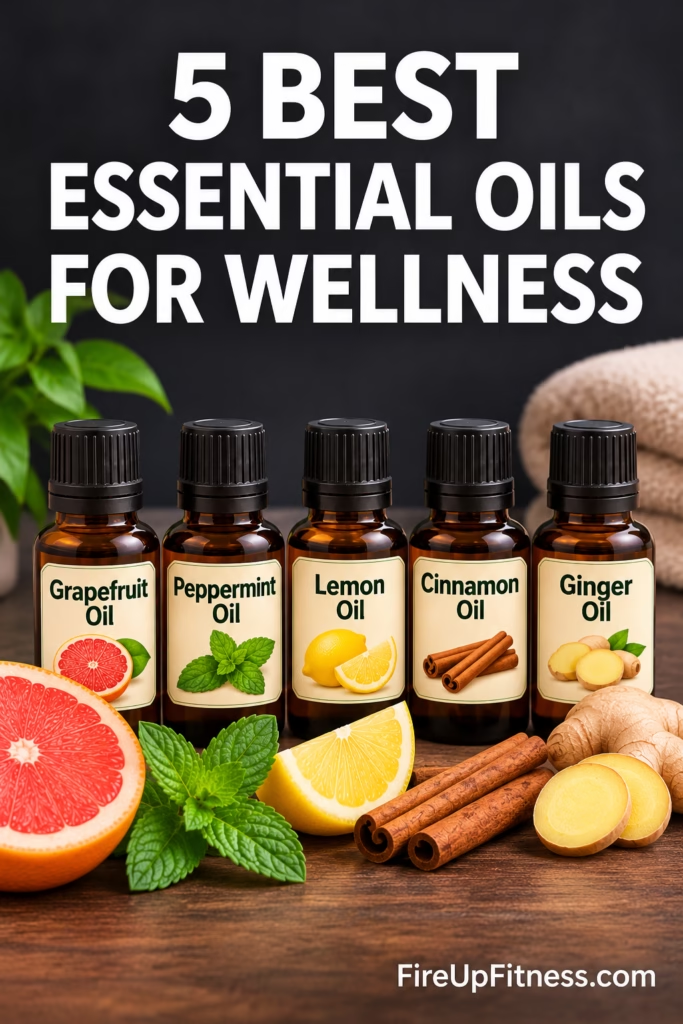
5 Best Essential Oils for Wellness and Self-Care
Sometimes, the smallest changes to your daily routine can make a noticeable difference in how you feel. The refreshing scent of peppermint, the cheerful aroma of lemon, or the comforting warmth of ginger can turn an ordinary moment into an opportunity to relax, recharge, and care for yourself.
Essential oils have been used for generations in aromatherapy, massage, and personal care rituals. These concentrated plant extracts capture the distinctive aromas of flowers, fruits, herbs, and spices, making them a popular addition to natural wellness routines.
While essential oils aren’t a cure for health concerns, certain aromas may help encourage relaxation, improve your mood, or make everyday self-care more enjoyable.
Here are five essential oils worth exploring, along with their potential benefits and simple ways to use them safely.
What Are Essential Oils, and How Do They Work?
Essential oils are concentrated aromatic compounds extracted from plants through methods such as steam distillation or cold pressing.
When you inhale their fragrance, scent molecules interact with your olfactory system, which communicates with brain regions involved in emotion and memory. This helps explain why certain aromas can feel comforting, refreshing, or uplifting.
Some essential oils have been studied for their possible effects on relaxation, nausea, and emotional well-being. However, research remains limited, and many traditional claims have not been confirmed in human studies.
The best approach is to enjoy essential oils as a complementary part of your wellness routine rather than expecting them to produce specific medical results.
1. Grapefruit Essential Oil for a Refreshing Start
Grapefruit essential oil has a bright, tangy citrus fragrance that can make your surroundings feel fresh and inviting.
Extracted primarily from grapefruit peel, this oil contains aromatic compounds such as limonene, which contribute to its distinctive scent.
Potential Benefits of Grapefruit Essential Oil
- Creates an uplifting atmosphere: Its fresh citrus fragrance may help you feel more alert and refreshed.
- Encourages a positive morning ritual: A pleasant aroma can make activities such as stretching, journaling, or preparing breakfast more enjoyable.
- Enhances your self-care routine: When properly diluted, grapefruit oil can be incorporated into a relaxing massage.
How to Use Grapefruit Essential Oil
Add a few drops to an aromatherapy diffuser according to the manufacturer’s instructions and enjoy the fragrance while getting ready for the day.
For a simple massage, combine one drop of grapefruit essential oil with one teaspoon of carrier oil, such as jojoba or sweet almond oil.
Important: Cold-pressed grapefruit essential oil may cause photosensitivity. Avoid exposing treated skin to sunlight or UV light for the period specified by the product’s safety guidance.
2. Peppermint Essential Oil for Focus and Freshness
Few scents feel as instantly refreshing as peppermint. Its cool, minty aroma makes it a popular choice for morning routines, study sessions, and moments when you need a mental refresh.
Peppermint essential oil contains menthol, which produces its characteristic cooling sensation.
Potential Benefits of Peppermint Essential Oil
- Promotes a refreshing sensory experience: Its invigorating scent may help some people feel more awake.
- Supports a focused environment: Peppermint aromatherapy may make a workspace feel more stimulating, although evidence for improved concentration is mixed.
- Provides a cooling sensation: When appropriately diluted, peppermint oil can create a pleasant cooling feeling on the skin.
Peppermint has also been studied for digestive discomfort, particularly in specially formulated enteric-coated capsules. However, these medical preparations are different from using peppermint essential oil in a diffuser or applying it to the skin.
How to Use Peppermint Essential Oil
Try diffusing peppermint oil for a short period while organizing your workspace or preparing for a busy afternoon.
You can also add one drop to a tablespoon of carrier oil for a cooling massage on your shoulders, provided your skin tolerates it.
Avoid applying peppermint oil near your eyes, nose, or other sensitive areas.
3. Lemon Essential Oil for an Uplifting Atmosphere
Lemon essential oil brings a clean, cheerful fragrance to your home. Its familiar citrus aroma is often associated with freshness, making it a lovely addition to morning and daytime routines.
Unlike fresh lemon juice, lemon essential oil is primarily composed of aromatic compounds and is not a meaningful source of vitamin C.
Potential Benefits of Lemon Essential Oil
- Encourages a cheerful environment: Some people find citrus fragrances uplifting.
- Makes daily rituals more enjoyable: Its bright scent pairs well with morning stretches, reading, or meditation.
- Freshens indoor spaces: Lemon oil can add a pleasant fragrance without relying on heavily scented room sprays.
Although lemon essential oil is sometimes promoted for cleansing the body, there is no convincing clinical evidence that inhaling or applying it removes toxins or improves liver function.
How to Use Lemon Essential Oil
Add lemon essential oil to a diffuser and enjoy its fresh aroma while completing your morning routine.
Another option is to place one drop on a cotton ball and leave it in a safe, well-ventilated location, away from children and pets.
For a refreshing morning drink, choose fresh lemon slices in water rather than adding essential oil.
Safety note: Cold-pressed lemon essential oil can be phototoxic when applied to the skin. Use appropriate dilution and follow the product’s sun-exposure precautions.
4. Cinnamon Essential Oil for Comfort and Warmth
The rich, spicy aroma of cinnamon often brings to mind cozy evenings, warm drinks, and comforting homemade meals.
Cinnamon essential oil is available in different varieties, including cinnamon bark and cinnamon leaf oil. Their chemical compositions vary, and both require careful handling because they can irritate the skin.
Potential Benefits of Cinnamon Essential Oil
- Creates a comforting atmosphere: Its warm fragrance can make a room feel inviting.
- Complements relaxation rituals: Cinnamon pairs naturally with quiet evenings, reading, and other calming activities.
- Adds seasonal fragrance: It works well in aromatic blends when used sparingly and safely.
Cinnamon as a culinary spice has been studied for possible effects on blood glucose, but those findings should not be applied directly to cinnamon essential oil. There is insufficient evidence that cinnamon aromatherapy regulates blood sugar.
How to Use Cinnamon Essential Oil
Use a diffuser blend specifically formulated for safe aromatic use, following the manufacturer’s dilution and ventilation instructions.
Cinnamon oil is highly concentrated and can cause significant skin irritation. It is generally better suited to carefully controlled aromatic use than homemade skin treatments.
Avoid adding cinnamon essential oil to coffee, oatmeal, or smoothies. Ordinary ground cinnamon is the safer choice for cooking.
5. Ginger Essential Oil for a Soothing Self-Care Ritual
Ginger has a long history of traditional use, particularly for digestive comfort. Its essential oil offers a warm, earthy, slightly spicy fragrance that can create a soothing atmosphere.
Ginger essential oil is extracted from the plant’s rhizome and contains aromatic compounds that differ from those found in fresh ginger.
Potential Benefits of Ginger Essential Oil
- Encourages relaxation: Its warm fragrance can complement a calming evening routine.
- May help with nausea in some settings: Small studies have explored ginger aromatherapy for nausea, but results are mixed.
- Enhances massage rituals: Properly diluted ginger oil can be used as part of a gentle, relaxing massage.
It’s important to distinguish between ginger essential oil and fresh ginger. Research supporting ginger for certain types of nausea generally involves oral ginger preparations rather than essential oil.
How to Use Ginger Essential Oil
Add a small amount to a diffuser according to the product directions and enjoy the fragrance during your evening wind-down.
For massage, dilute one drop in a tablespoon of carrier oil and test a small area of skin before wider application.
For digestive comfort, consider a cup of tea made with fresh ginger instead of putting essential oil into your drink.
How to Use Essential Oils Safely at Home
Essential oils may be natural, but their concentrated chemical compounds can cause irritation or other unwanted reactions when used incorrectly.
A few simple precautions can make your experience more comfortable.
- Always dilute before skin application. For many adults, a conservative starting dilution is approximately one drop of essential oil per teaspoon of carrier oil. Some oils, including cinnamon, require much lower concentrations or should be avoided on the skin.
- Avoid swallowing essential oils. Even products labeled food-grade or therapeutic-grade are not automatically safe to drink. Do not add essential oils to water, tea, or meals without guidance from a qualified professional.
- Start with short aromatherapy sessions. Diffuse intermittently in a ventilated space, rather than continuously throughout the day.
- Perform a patch test. Try a small amount of appropriately diluted oil on your skin and watch for irritation.
- Store oils carefully. Keep bottles away from children and pets. Some essential oils are particularly dangerous for animals.
- Consider individual sensitivities. Strong fragrances may trigger headaches, asthma symptoms, or skin reactions in some people.
Pregnant or breastfeeding individuals, people with respiratory conditions, and anyone managing a medical condition should consult a qualified healthcare professional before using essential oils therapeutically.
Simple Ways to Include Essential Oils in Your Daily Routine
You don’t need an elaborate collection of oils or a complicated schedule to enjoy aromatherapy.
The key is choosing a fragrance that suits the moment and using it in a way that feels comfortable.
| Time of day | Essential oil | Self-care idea |
|---|---|---|
| Morning | Grapefruit | Enjoy a fresh citrus scent while getting ready |
| Midmorning | Lemon | Create a cheerful atmosphere during household tasks |
| Afternoon | Peppermint | Take a short, refreshing aromatherapy break |
| Early evening | Ginger | Pair its warm aroma with gentle stretching |
| Evening | Cinnamon | Enjoy a cozy fragrance while reading or relaxing |
This is an optional routine, not a recommendation to diffuse oils continuously. Choose one scent at a time, take breaks, and stop using any fragrance that causes discomfort.
Pair Essential Oils With Everyday Healthy Habits
A pleasant fragrance can make self-care more inviting, but the habits surrounding it are what contribute most to long-term well-being.
Make Time for Gentle Movement
Walking, yoga, Pilates, and stretching are simple ways to support mobility, strength, and everyday energy.
Try using a favorite scent as a reminder to step away from your desk and enjoy a few minutes of movement.
Create a Calming Evening Routine
Dim the lights, put away your phone, and spend a few minutes reading or practicing slow breathing.
A familiar, pleasant aroma can become part of this relaxing ritual, although essential oils are not a proven treatment for insomnia.
Enjoy Nourishing Meals
Build meals around colorful vegetables, fruits, whole grains, protein-rich foods, and healthy fats.
Fresh herbs and spices, including ginger and cinnamon, can add flavor and variety without the risks associated with ingesting concentrated essential oils.
Practice Mindful Moments
Even five minutes of quiet time can provide an opportunity to reset mentally.
Sit comfortably, breathe naturally, and focus on the present moment. You can include a gentle fragrance if you enjoy it, but aromatherapy isn’t necessary to benefit from mindfulness.
Frequently Asked Questions About Essential Oils
Can essential oils improve your mood?
Certain aromas may influence how relaxed, refreshed, or comfortable you feel. However, responses vary from person to person, and essential oils should not replace treatment for anxiety, depression, or other mental health conditions.
Which essential oil is best for beginners?
Lemon and grapefruit are popular choices because of their familiar citrus fragrances. Choose a scent you enjoy, follow the product instructions, and begin with brief exposure.
Can I apply essential oils directly to my skin?
Most essential oils should not be applied undiluted. Mixing them with a suitable carrier oil helps reduce the risk of irritation, although dilution does not eliminate every risk.
Is it safe to use essential oils every day?
Some adults tolerate occasional daily aromatherapy, but frequent exposure can cause sensitivity or irritation. Use oils sparingly, maintain ventilation, and take breaks when needed.
Do essential oils help with digestion?
Some essential oil compounds have been studied for digestive symptoms, but results depend on the specific preparation and method of use. Diffusing an oil or rubbing it on the abdomen is not an established treatment for digestive disorders.
Final Thoughts: Small Rituals, Meaningful Moments
Taking care of yourself doesn’t always require a major lifestyle change. Sometimes, it’s about making ordinary moments more intentional.
A refreshing citrus scent in the morning, a calming massage after a long day, or a few quiet minutes with your favorite fragrance can make your daily routine feel more enjoyable.
Grapefruit, peppermint, lemon, cinnamon, and ginger essential oils each offer a distinctive sensory experience. Their greatest value may simply be helping you create moments of comfort, freshness, and relaxation.
Choose the aromas you genuinely enjoy, use them safely, and let them complement the habits that support your overall health.
Wellness isn’t built through one perfect routine. It grows through the small, thoughtful choices you make each day.