11 Simple Rules to Build a Lean and Strong Body
Building a lean, strong body doesn’t have to mean spending hours at the gym, following a strict diet, or pushing yourself through exhausting workouts every day.
Sometimes, the biggest changes come from the smallest habits.
Maybe you want stronger muscles, better energy, improved fitness, or simply to feel more confident in your body. Whatever your goal, creating a healthy lifestyle is about finding a balance between movement, nutrition, and recovery.
The good news? You don’t need a complicated fitness plan to get started.
These 11 simple fitness rules can help you build lean muscle, support a healthy metabolism, improve your body composition, and create habits that actually fit into your everyday life.
1. Set Small, Realistic Fitness Goals
One of the easiest ways to lose motivation is to set goals that feel impossible to reach.
Instead of trying to change everything at once, focus on small improvements you can make consistently.
For example:
- Complete three workouts each week.
- Walk for 20–30 minutes daily.
- Perform 10 proper push-ups.
- Increase your strength gradually.
- Improve your flexibility and balance.
These goals give you something specific to work toward without putting unnecessary pressure on yourself.
Try this: Choose one fitness goal for the next 30 days. Write it down and track your progress each week.
Remember, progress isn’t always about how your body looks. Feeling stronger, having more energy, and moving more comfortably are achievements worth celebrating.
2. Eat Balanced, Nourishing Meals
A healthy body starts with proper nutrition, but that doesn’t mean following a restrictive eating plan.
Your body needs a variety of nutrients to support muscle development, energy production, and everyday activities.
Try building your meals around these food groups:
- Lean proteins: Chicken, fish, eggs, tofu, beans, and Greek yogurt.
- Whole grains: Oats, quinoa, brown rice, and whole-grain bread.
- Vegetables: Spinach, broccoli, carrots, bell peppers, and leafy greens.
- Healthy fats: Avocados, olive oil, nuts, and seeds.
- Fresh fruits: Berries, apples, oranges, and bananas.
A balanced plate can make healthy eating feel much easier.
For example, enjoy grilled chicken with quinoa, roasted vegetables, and a little olive oil. Or prepare a simple breakfast of Greek yogurt, berries, and oats.
You don’t need perfect meals every day. What matters is developing eating habits that nourish your body consistently.
3. Practice Mindful Eating
Healthy eating isn’t only about what you put on your plate. It’s also about how you eat.
Busy schedules often lead to rushed meals, distracted snacking, or eating without noticing when you’re comfortably satisfied.
Mindful eating encourages you to slow down and pay attention to your body’s signals.
Here are a few habits to try:
- Sit down and enjoy your meals without distractions.
- Eat slowly and chew your food thoroughly.
- Notice when you’re hungry and comfortably full.
- Choose satisfying meals with protein, fiber, and healthy fats.
- Avoid skipping meals simply to compensate for eating more earlier.
Mindful eating can help you develop a healthier relationship with food while supporting consistent energy throughout the day.
Simple habit: Put your phone away during one meal each day and focus on enjoying your food.
4. Include Protein in Every Meal
Protein is one of the most important nutrients for building and maintaining lean muscle.
It helps your muscles recover after exercise and supports the repair of body tissues.
Including protein throughout the day can also help meals feel more satisfying.
Some easy protein-rich options include:
- Eggs or Greek yogurt for breakfast.
- Chicken, tuna, or lentils for lunch.
- Fish, tofu, or beans for dinner.
- Cottage cheese, nuts, or yogurt for snacks.
You don’t have to rely on protein shakes or expensive supplements to meet your needs. Everyday foods can provide plenty of protein.
For women over 40, paying attention to protein intake becomes especially helpful because maintaining muscle mass supports strength, mobility, and healthy aging.
Try this: Instead of saving most of your protein for dinner, include a protein source at breakfast and lunch, too.
5. Stay Hydrated Throughout the Day
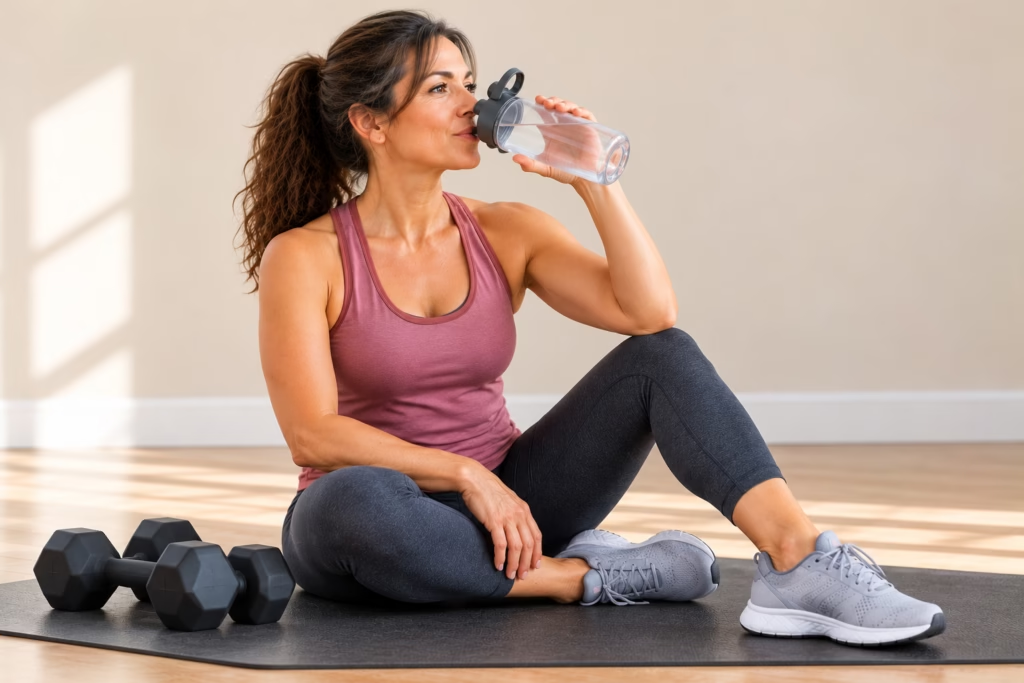
Water plays an important role in nearly every function of your body.
It supports digestion, temperature regulation, nutrient transportation, and physical performance.
Even mild dehydration can leave you feeling tired or make exercise feel harder than usual.
Simple ways to stay hydrated include:
- Drink a glass of water after waking up.
- Keep a reusable water bottle nearby.
- Sip water before, during, and after workouts.
- Enjoy water-rich foods like cucumber, watermelon, and oranges.
- Drink additional fluids when exercising in hot weather.
Your individual hydration needs depend on factors such as activity level, temperature, and overall health.
You don’t need to force yourself to drink excessive amounts of water. Instead, build a consistent hydration habit and pay attention to your body’s needs.
6. Make Strength Training a Priority
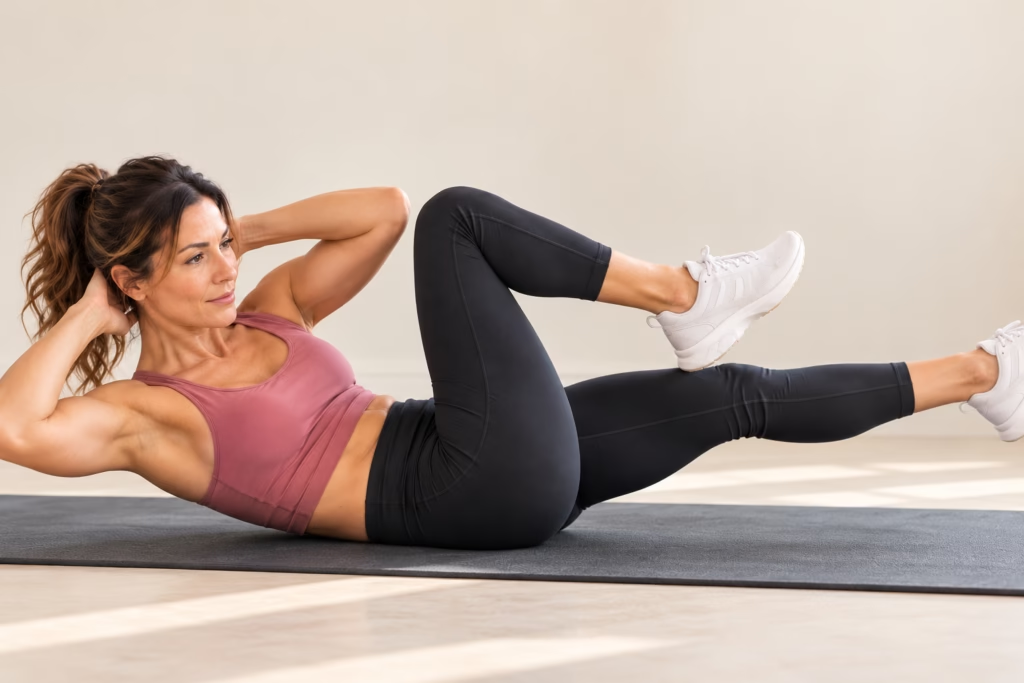
Want to build a stronger, more defined body? Strength training deserves a regular place in your fitness routine.
Resistance exercises challenge your muscles, helping them become stronger over time.
They also support bone health, balance, metabolism, and everyday movements.
And you don’t need a gym membership to begin.
Some of the best strength training exercises at home include:
Bodyweight squats: Strengthen your thighs and glutes while improving lower-body mobility.
Wall push-ups: Build upper-body strength with a beginner-friendly movement.
Glute bridges: Activate your glutes and strengthen the muscles supporting your hips.
Bent-over rows: Use light dumbbells or resistance bands to strengthen your back and arms.
Plank holds: Challenge your core muscles and improve stability.
Start with 2–3 strength training sessions per week, giving your muscles time to recover between challenging workouts.
Beginners can perform 8–12 controlled repetitions of each exercise, adjusting the number based on comfort and ability.
Remember: Good technique matters more than lifting heavy weights or completing endless repetitions.
7. Add Cardio That You Enjoy

Cardio workouts aren’t just about getting sweaty. They help strengthen your heart, improve endurance, and support overall fitness.
You can choose from plenty of activities depending on your fitness level and preferences.
Some options include:
- Brisk walking.
- Cycling.
- Dancing.
- Swimming.
- Low-impact aerobics.
- Stair walking.
- High-intensity interval training (HIIT).
Short interval workouts can be especially convenient when you have limited time.
For example, try this simple beginner-friendly cardio routine:
| Exercise | Duration |
|---|---|
| Marching in place | 40 seconds |
| Side steps | 40 seconds |
| Standing knee raises | 40 seconds |
| Step jacks | 40 seconds |
| Rest | 40 seconds |
Repeat the circuit two or three times, depending on your fitness level.
There’s no jumping required, making it a practical option for anyone who prefers a lower-impact workout.
The best cardio workout is one you enjoy enough to repeat regularly.
8. Follow a Consistent Workout Routine
You don’t need to exercise intensely every day to see improvements in your strength and fitness.
Consistency is far more valuable than occasional extreme workouts.
A simple weekly routine can help you balance strength training, cardio, mobility, and recovery.
Beginner-Friendly Weekly Workout Plan
| Day | Activity |
|---|---|
| Monday | Full-body strength training |
| Tuesday | 30-minute brisk walk |
| Wednesday | Gentle yoga or stretching |
| Thursday | Lower-body and core workout |
| Friday | Low-impact cardio |
| Saturday | Walking or enjoyable outdoor activity |
| Sunday | Rest and recovery |
This is only an example. Adjust the schedule to match your energy, responsibilities, and fitness level.
A useful long-term goal is to work toward at least 150 minutes of moderate aerobic activity each week, along with muscle-strengthening activities on two or more days.
Short workouts count, too.
Even 10–15 minutes of movement can help you stay active on busy days.
Fitness tip: Schedule workouts like appointments. Having a regular time makes it easier to turn exercise into a habit.
9. Prioritize Quality Sleep

Sleep is often overlooked when people think about improving their fitness.
But your body needs adequate rest to recover from workouts and support muscle repair.
Poor sleep can affect energy levels, concentration, appetite regulation, and exercise performance.
Most adults benefit from around 7–9 hours of sleep each night.
To improve your sleep routine:
- Go to bed and wake up at similar times.
- Keep your bedroom cool, dark, and comfortable.
- Reduce screen time before bed.
- Avoid caffeine too close to bedtime.
- Try gentle stretching or relaxing breathing exercises.
A consistent evening routine can help your body prepare for rest.
Think of sleep as an essential part of your fitness plan, not something that comes after everything else.
10. Manage Everyday Stress
Stress is a normal part of life, but constantly feeling overwhelmed can make healthy habits harder to maintain.
You may feel less motivated to exercise, struggle with sleep, or find yourself reaching for convenience foods more often.
That’s why managing stress matters just as much as planning your workouts.
Simple ways to relax include:
- Taking a short walk outdoors.
- Practicing deep breathing.
- Listening to calming music.
- Doing gentle yoga.
- Spending time with friends or family.
- Taking breaks from screens.
You don’t need an hour-long meditation session to experience the benefits of relaxation.
Even five minutes of quiet breathing can help you feel calmer.
Try this breathing exercise: Inhale gently for four seconds, then exhale slowly for six seconds. Repeat for one or two minutes without forcing your breath.
Taking care of your mental well-being makes it easier to maintain healthy routines over time.
11. Be Patient and Celebrate Progress

Building a strong, healthy body takes time.
There will be weeks when you feel motivated and energetic. Other weeks, work, family responsibilities, or unexpected events may interrupt your routine.
That’s completely normal.
The important thing is learning to return to your habits without feeling that you’ve failed.
Instead of focusing only on visible changes, notice improvements such as:
- Feeling stronger during everyday activities.
- Walking longer without getting tired.
- Improving your posture.
- Sleeping more comfortably.
- Having better balance and flexibility.
- Completing exercises that once felt difficult.
These improvements show that your efforts are making a difference.
Progress doesn’t have to happen quickly to be meaningful.
And you don’t have to be perfect to become stronger.
How to Start These 11 Healthy Fitness Habits
Trying to follow all 11 rules immediately can feel overwhelming.
A better approach is to introduce a few habits at a time.
Week 1: Focus on hydration, balanced meals, and a daily walk.
Week 2: Add two beginner-friendly strength workouts.
Week 3: Establish a more consistent sleep schedule and include gentle stretching.
Week 4: Review your progress and adjust your fitness routine based on what feels sustainable.
This gradual approach gives you time to build confidence without creating unnecessary pressure.
Remember, your routine should support your life, not take it over.
Final Thoughts
Building a lean, strong, and healthy body isn’t about following extreme rules or chasing quick results.
It’s about consistently giving your body what it needs: nourishing food, regular movement, strength training, adequate rest, and time to recover.
Start with one or two habits that feel manageable. As they become part of your routine, build on them.
Over time, these small daily choices can support stronger muscles, better mobility, improved endurance, and a healthier relationship with fitness.