Carnivore Diet for Beginners: What to Eat & How It Works
The Carnivore Diet is one of the most talked‑about eating styles on Pinterest and Google right now — and for good reason. From dramatic carnivore diet before and after stories to ultra‑simple meal plans, this way of eating promises fat loss, mental clarity, and fewer food rules.
But what exactly is the Carnivore Diet? Is it safe? And how do beginners start without feeling overwhelmed?
This complete guide breaks everything down in a simple, realistic, and beginner‑friendly way — so you can decide if an animal‑based diet is right for you.
What Is the Carnivore Diet?
The Carnivore Diet is a way of eating that focuses exclusively (or almost exclusively) on animal‑based foods. That means meals are built around:
- Meat
- Fish
- Eggs
- Some animal‑based fats
Plant foods like fruits, vegetables, grains, legumes, nuts, and seeds are eliminated.
At its core, the Carnivore Diet is about simplicity — fewer ingredients, fewer cravings, and fewer decisions.
Many people also refer to it as:
- An animal based diet
- A modern version of the caveman diet
- A stricter form of keto
Carnivore Diet vs Keto: What’s the Difference?
While the two diets are often confused, they are not the same.
Keto allows low‑carb vegetables, nuts, seeds, and keto carnivore recipes that include plant foods.
Carnivore, on the other hand, removes all plant foods and relies entirely on animal products.
Key difference:
- Keto = low carb
- Carnivore = zero or near‑zero carb
Some people transition from keto to carnivore when weight loss stalls or digestive issues persist.
Carnivore Diet for Beginners: How It Works
For beginners, the Carnivore Diet works by:
- Removing carbohydrates completely
- Stabilizing blood sugar
- Increasing protein and fat intake
- Reducing food triggers and cravings
Without carbs, the body shifts into fat‑burning mode and relies on fat and protein for energy.
Many beginners are drawn to carnivore because there’s:
- No calorie counting
- No macro tracking
- No complicated recipes
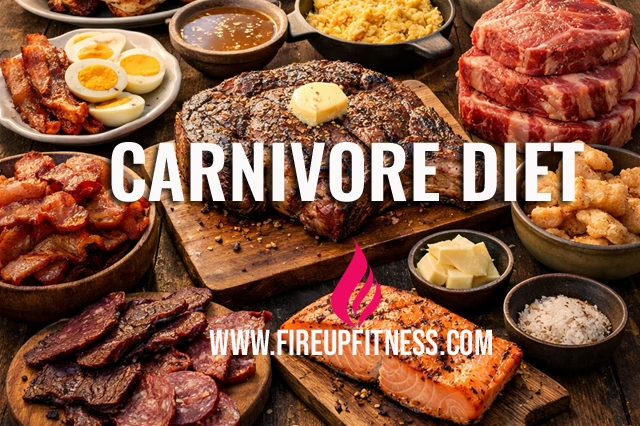
Carnivore Diet Food List (What You Can Eat)
Here’s a beginner‑friendly caveman diet food list for carnivore eating.
Meat
- Beef (steak, ground beef, roasts)
- Lamb
- Pork
- Bison
- Organ meats (liver, heart — optional)
Poultry
- Chicken
- Turkey
- Duck
Seafood
- Salmon
- Sardines
- Tuna
- Shrimp
Eggs
- Whole eggs
Animal Fats
- Butter
- Ghee
- Beef tallow
- Bacon fat
Optional (Depends on Tolerance)
- Cheese
- Heavy cream
- Greek yogurt
Carnivore Diet Grocery List & Shopping List
A simple carnivore diet grocery list keeps things stress‑free.
Staples to buy:
- Ground beef
- Eggs
- Chicken thighs
- Frozen salmon
- Butter or ghee
Shopping tips:
- Buy in bulk
- Choose fattier cuts
- Don’t overcomplicate meals
This minimal carnivore diet shopping list is one reason the diet is so easy to stick to.
Carnivore Diet Snacks (Yes, They Exist)
While many people find they snack less, carnivore diet snacks can help during the transition.
Snack ideas include:
- Hard‑boiled eggs
- Beef jerky (no sugar)
- Cheese slices
- Leftover steak bites
Simple snacks make it easier for beginners to stay consistent.
Carnivore Diet Before and After: What Results Look Like
One reason this diet is so popular online is the dramatic carnivore diet before and after transformations.
Common changes people report:
- Rapid water weight loss (first 1–2 weeks)
- Reduced bloating
- Increased energy
- Improved mental focus
Fat loss typically becomes more noticeable after the first few weeks as the body adapts.
Results vary, but consistency is key.
Benefits of the Carnivore Diet
People follow the Carnivore Diet for many reasons, including:
- Simpler digestion
- Reduced inflammation
- Fewer cravings
- Stable energy levels
- Easier weight management
By removing plant foods that may trigger sensitivities, many experience noticeable improvements.
Common Side Effects (And How to Manage Them)
Some beginners experience temporary side effects:
- Fatigue
- Headaches
- Digestive changes
How to reduce symptoms:
- Increase salt intake
- Drink enough water
- Eat enough fat
Most symptoms fade as the body adapts.
Is the Carnivore Diet Safe?
Safety depends on:
- Individual health
- Food quality
- Adequate calorie intake
Many people run the Carnivore Diet as an elimination phase, while others follow it long‑term under guidance.
If you have medical conditions, professional guidance is recommended.
Sample Simple Carnivore Meals (Caveman Diet Recipes)
These beginner‑friendly caveman diet recipes keep things realistic:
- Steak cooked in butter
- Ground beef bowls with eggs
- Chicken thighs with crispy skin
- Salmon pan‑fried in ghee
No complicated keto carnivore recipes required.
Who Should Try the Carnivore Diet?
The Carnivore Diet may appeal to:
- Beginners overwhelmed by dieting
- People sensitive to plant foods
- Those transitioning from keto
It’s not about perfection — it’s about simplicity.
Final Thoughts: Is the Carnivore Diet Right for You?
The Carnivore Diet is not a trend — it’s a radical simplification of eating. For many beginners, that simplicity is exactly what makes it effective.
If you’re curious, start slow, listen to your body, and focus on quality animal foods.
Next steps:
- Try a 7‑day carnivore meal plan
- Save a carnivore grocery list
- Track how your body feels
Consistency matters more than perfection.