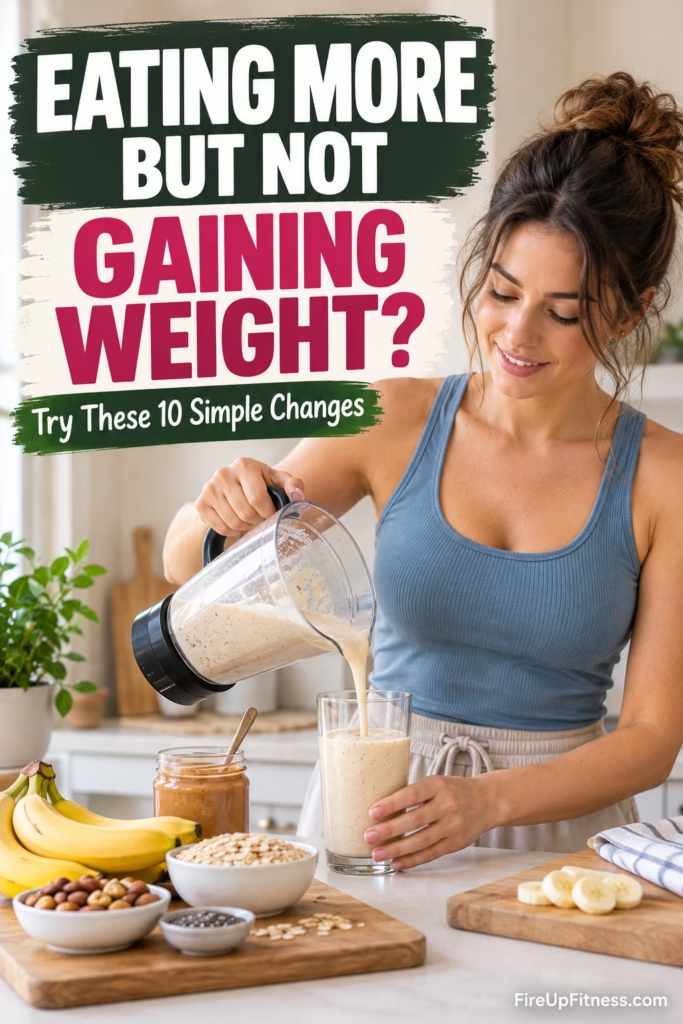
How to Gain Weight Naturally: 10 Tips for Women
Trying to gain weight but feel like nothing is working? You eat regular meals, add an extra snack here and there, and still struggle to see a difference.
For some women, gaining weight can be just as challenging as losing it. Maybe you have a naturally small appetite, a busy schedule that makes eating regularly difficult, or you’re hoping to build muscle and feel stronger.
The good news? Healthy weight gain doesn’t have to mean forcing yourself to eat huge meals or relying on junk food.
A few simple changes to what you eat, how often you eat, and how you exercise can make a meaningful difference.
Whether you’re naturally slim, trying to regain weight, or hoping to build a stronger body, these 10 healthy weight gain tips for women can help you get started.

1. Eat a Little More Than You Normally Do
One of the simplest ways to gain weight naturally is to eat slightly more calories than your body uses each day.
But that doesn’t mean filling your plate with unhealthy foods.
Instead, make the meals you already enjoy a little more nourishing and calorie-rich.
Try these easy changes:
- Add peanut butter to your morning oatmeal.
- Include avocado with your eggs or sandwiches.
- Sprinkle nuts and seeds over yogurt.
- Add an extra serving of rice, potatoes, or whole-grain bread.
- Drizzle olive oil over cooked vegetables.
A daily increase of around 300–500 calories is a common starting point for gradual weight gain, although individual needs vary.
Try this today: Rather than completely changing your diet, add one nutritious extra snack to your daily routine.
Small changes are often easier to maintain than suddenly doubling your food portions.
2. Include Protein in Every Main Meal
Want to gain weight while building a stronger, more defined body?
Protein deserves a place on your plate.
Your muscles need protein to repair and grow, especially when you’re doing strength-training exercises.
Some excellent protein-rich foods include:
- Eggs
- Chicken and turkey
- Salmon and tuna
- Greek yogurt
- Cottage cheese
- Beans and lentils
- Tofu
- Milk
For women who exercise regularly and want to build muscle, approximately 1.2–2 grams of protein per kilogram of body weight daily may be appropriate, depending on training and individual needs.
You don’t need to count every gram to get started.
Easy meal idea: Enjoy scrambled eggs with whole-grain toast for breakfast, a chicken and avocado sandwich for lunch, and salmon with rice for dinner.
Spreading protein throughout the day can make meeting your needs easier.
3. Add Healthy Fats Without Eating Bigger Portions
Do you get full quickly?
This tip may be especially helpful.
Healthy fats contain more calories per gram than protein or carbohydrates, making them a convenient way to increase your energy intake without dramatically increasing meal size.
Some nutritious options include:
- Avocados
- Almonds and walnuts
- Peanut or almond butter
- Olive oil
- Chia seeds
- Pumpkin seeds
- Salmon
For example, adding a tablespoon of peanut butter to a smoothie provides extra calories, protein, and flavor.
You can also sprinkle chopped walnuts over oatmeal or add olive oil to your favorite pasta dish.
The goal isn’t to eat more food than feels comfortable. It’s to make the food you already eat work harder for you.
4. Don’t Be Afraid of Carbohydrates
Carbohydrates sometimes get a bad reputation, but they’re an important source of energy, especially for active women.
When you’re trying to gain weight, eating enough carbohydrates can help fuel workouts and support muscle recovery.
Choose foods such as:
- Oatmeal
- Brown or white rice
- Whole-grain pasta
- Sweet potatoes
- Quinoa
- Bananas
- Whole-grain bread
Try pairing carbohydrates with protein and healthy fats for satisfying meals.
For example, a bowl of oatmeal with banana, peanut butter, and milk makes a convenient breakfast.
Or enjoy rice with chicken, vegetables, and avocado for lunch.
You don’t need complicated recipes. Often, the best weight gain meals are simple foods you already enjoy.
5. Eat Smaller Meals More Often
One of the biggest challenges with gaining weight is feeling full before you’ve eaten enough.
Trying to force down three enormous meals isn’t always the answer.
Instead, experiment with eating three main meals and two or three snacks throughout the day.
Here’s what that might look like:
| Time | Meal idea |
|---|---|
| Breakfast | Eggs, avocado toast, and fruit |
| Midmorning | Greek yogurt with granola |
| Lunch | Chicken, rice, and vegetables |
| Afternoon | Banana with peanut butter |
| Dinner | Salmon, potatoes, and vegetables |
| Evening | Milk smoothie or trail mix |
You can adjust this schedule to suit your appetite and daily routine.
Helpful habit: Keep easy snacks available so you don’t accidentally skip meals when life gets busy.
6. Choose Snacks That Actually Help You Gain Weight
Not all snacks need to be light.
When healthy weight gain is your goal, snacks can provide extra nourishment between meals.
Try these combinations:
- Apple slices with peanut butter
- Greek yogurt with granola and berries
- Whole-grain crackers with cheese
- Trail mix with nuts and dried fruit
- Avocado toast topped with eggs
- Homemade oatmeal energy bites
One particularly convenient option is a homemade smoothie.
Easy Banana Peanut Butter Smoothie
Blend together:
- 1 banana
- 1 cup whole milk or fortified soy milk
- 2 tablespoons peanut butter
- ½ cup Greek yogurt
- ¼ cup rolled oats
- A little cinnamon, if desired
Blend until smooth.
This smoothie provides a combination of carbohydrates, protein, and fats, making it useful when you’re struggling to eat enough through solid meals alone.
You can enjoy it between meals or after a workout.
7. Drink Calories When Your Appetite Is Low
Sometimes drinking something nutritious feels easier than sitting down to another meal.
That’s where smoothies, milk, and other nourishing drinks can help.
A homemade smoothie made with fruit, yogurt, milk, oats, and nut butter can add meaningful calories without requiring a large plate of food.
However, timing matters.
Drinking large amounts of water immediately before eating may make you feel full sooner.
Try having your larger drinks between meals if early fullness is a problem.
And remember, water is still essential. You don’t need to replace regular hydration with high-calorie beverages.
8. Build Muscle With Simple Strength Exercises
Eating more can help increase body weight, but strength training gives your body a reason to build muscle.
You don’t need an expensive gym membership to begin.
Start with a few basic movements that strengthen your legs, arms, back, and core.
Beginner Strength Workout for Women
| Exercise | Repetitions |
|---|---|
| Bodyweight squats | 10–12 |
| Wall or incline push-ups | 8–10 |
| Glute bridges | 12–15 |
| Reverse lunges | 8 per leg |
| Bird dogs | 10 per side |
Begin with a five-minute warm-up, such as walking in place and gentle arm circles. Complete one or two rounds of the exercises, resting as needed.
Try this workout two or three times per week on nonconsecutive days.
As your strength improves, gradually increase the repetitions or add manageable resistance.
Remember: You don’t have to work out every day to build muscle. Consistency, adequate nutrition, and recovery matter more than exhausting yourself.
9. Get Enough Sleep to Support Muscle Growth
You can eat nutritious meals and exercise regularly, but your body also needs time to recover.
Sleep supports muscle repair, normal hormone function, and overall health.
Most adults should aim for around 7–9 hours of sleep each night.
A few habits may help improve your sleep:
- Go to bed around the same time each evening.
- Keep your bedroom cool, dark, and comfortable.
- Limit caffeine late in the day.
- Give your muscles time to recover between challenging workouts.
Rest days aren’t wasted days. They’re part of building a stronger body.
10. Track Your Progress Without Obsessing Over the Scale
Healthy weight gain takes time.
You may not notice dramatic changes after a week or two, and that’s perfectly normal.
Instead of checking your weight several times a day, consider monitoring your progress under similar conditions once a week or every couple of weeks.
You can also look for other signs of progress.
Are you feeling stronger during workouts? Do you have more energy throughout the day? Are you able to complete exercises that previously felt difficult?
Those improvements matter, too.
The best progress is the kind you can maintain without making food or exercise feel like a constant struggle.
Best Foods for Healthy Weight Gain in Women
Wondering what to add to your grocery list? These foods offer a useful combination of energy and nutrients.
| Food | Why it’s helpful |
|---|---|
| Peanut butter | Calorie-dense, with protein and healthy fats |
| Avocado | Provides unsaturated fats and fiber |
| Eggs | Good source of protein and essential nutrients |
| Greek yogurt | Protein-rich and easy to pair with toppings |
| Oats | Provide carbohydrates and fiber |
| Nuts and seeds | Convenient, energy-dense snacks |
| Rice and potatoes | Help increase carbohydrate and energy intake |
| Salmon | Provides protein and omega-3 fats |
| Whole milk | Offers protein, calcium, and calories |
| Beans and lentils | Provide plant protein, carbohydrates, and fiber |
You don’t need to eat every food on this list. Choose options that fit your budget, preferences, and dietary needs.
A Simple One-Day Meal Plan for Healthy Weight Gain
Not sure how to put everything together?
Here’s an easy example you can customize.
Breakfast: Two scrambled eggs, avocado toast, and a banana.
Morning snack: Greek yogurt topped with granola and chopped walnuts.
Lunch: Chicken and rice bowl with roasted vegetables and olive oil.
Afternoon snack: Homemade banana and peanut butter smoothie.
Dinner: Baked salmon, sweet potatoes, and steamed broccoli.
Evening snack: Whole-grain toast with almond butter or a small bowl of trail mix.
This is a meal inspiration guide rather than a fixed-calorie plan. Portion sizes should reflect your personal energy needs and appetite.
Common Mistakes That Can Make Weight Gain Harder
Even with good intentions, a few everyday habits may slow your progress.
- Skipping breakfast: This can make it harder to eat enough throughout the day.
- Relying mostly on junk food: Extra calories alone don’t guarantee balanced nutrition.
- Doing excessive cardio: High activity levels can increase calorie needs, making it harder to maintain a surplus.
- Not eating enough protein: This may limit muscle-building progress when combined with strength training.
- Expecting immediate results: Gradual, sustainable changes usually take time.
The solution isn’t to make your routine more complicated. It’s to find a consistent balance between nourishing meals, strength training, and rest.
Frequently Asked Questions About Healthy Weight Gain
How can a skinny woman gain weight naturally?
Start by adding nutrient-dense foods to your meals, eating regularly, and including protein throughout the day. Strength training can help you build muscle while gradually increasing your overall body weight.
How long does it take to gain weight?
It depends on your starting point, calorie intake, activity level, genetics, and health. Some people notice changes within a few weeks, while others need several months of consistent habits.
Can I gain weight without going to the gym?
Yes. You can gain weight by consuming more energy than your body uses. However, home-based strength exercises can help support muscle development rather than relying on dietary changes alone.
What should I eat before bed to gain weight?
A nutritious evening snack can help increase daily calorie intake. Try Greek yogurt with granola, peanut butter toast, cottage cheese with fruit, or a homemade smoothie.
Why am I eating more but not gaining weight?
You may still be eating fewer calories than you realize, or your activity level may be increasing your energy needs. Certain medical conditions and medications can also affect weight. If you’re experiencing unexplained weight loss, persistent poor appetite, digestive symptoms, or difficulty gaining weight despite sustained efforts, consult a healthcare professional.
Final Thoughts: Start Small, Stay Consistent
Gaining weight in a healthy way isn’t about eating everything in sight or forcing yourself through uncomfortable meals.
It’s about giving your body enough nourishment, building strength, and developing habits you can comfortably maintain.
Start with one or two changes this week. Add peanut butter to breakfast, prepare a nourishing smoothie, or try a short strength workout at home.
Over time, those small actions can add up.
And remember, your goal isn’t simply to weigh more. It’s to feel healthier, stronger, and more confident in your body.
What is your biggest challenge when trying to gain weight: eating enough, finding the right foods, or staying consistent? Share your experience in the comments.
Save this guide to your Pinterest health and wellness board so you can return to these healthy weight gain tips whenever you need meal ideas or motivation.