
5 House Cleaning Workouts to Burn Calories at Home
What if you could get your house clean and sneak in a workout at the same time?
Think about everything you do on a typical cleaning day. You bend to pick up laundry, push the vacuum across the floor, carry baskets from room to room, and reach to wipe down surfaces. By the time you’re finished, you’ve probably moved more than you realize.
Here’s something worth knowing: house cleaning can count as physical activity. And with a few intentional changes, ordinary household chores can become an easy way to burn extra calories, work your muscles, and spend less time sitting.
This is especially helpful for busy women who struggle to find time for exercise or simply want to move more without adding another responsibility to their day.
You don’t need special equipment, workout clothes, or a perfectly organized home. You just need a few everyday chores and a willingness to make them a little more active.
Let’s turn your next cleaning session into a practical, beginner-friendly workout.
Does Cleaning Your House Really Count as Exercise?
Yes, but there’s an important difference between simply moving around and getting a moderate-intensity workout.
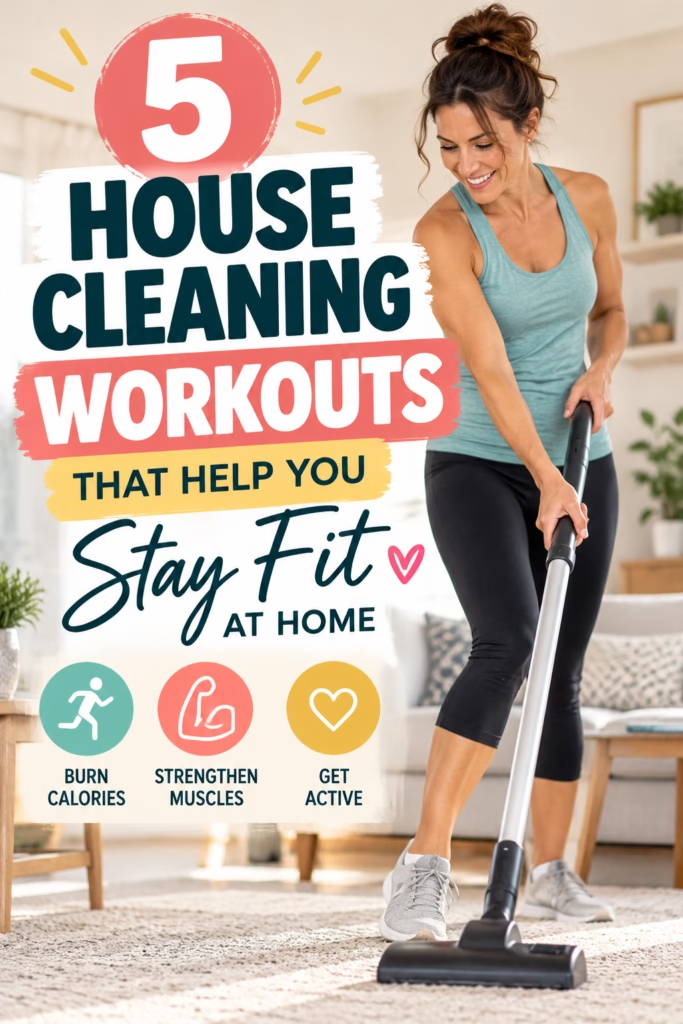
Light activities such as folding clothes and dusting help break up sitting time. More demanding chores, including vigorous mopping, scrubbing, vacuuming, and gardening, can raise your heart rate and make your muscles work harder.
When you clean, your body performs many of the same basic movements used in exercise:
- Squatting to pick things up works your legs and glutes.
- Pushing a vacuum engages your arms, shoulders, and legs.
- Reaching and wiping surfaces challenges your shoulder mobility.
- Carrying laundry requires grip strength and core stability.
- Raking leaves involves repeated upper-body movement and leg work.
Of course, cleaning won’t replace a complete strength-training program. But it can make a meaningful contribution to your daily movement, particularly when you’re trying to build a more active lifestyle.
And that’s where these five house cleaning workouts come in.
1. Turn Picking Up Laundry Into a Squat Workout
Laundry on the floor. Toys under the couch. Random things scattered around the bedroom.
Instead of thinking of these as annoying little tasks, use them as opportunities to practice a movement that strengthens your lower body.
Squats engage your thighs, glutes, and core, and they also help you build strength for everyday activities like getting out of a chair.
How to do it
- Stand with your feet about shoulder-width apart, close to the item.
- Bend your hips and knees as though you’re sitting back into a chair.
- Keep your chest lifted and your spine in a comfortable, neutral position.
- Pick up the item without reaching too far forward.
- Push through your feet to stand back up.
- Repeat as you tidy the room.
Make it a workout: Try 8–12 controlled squats, using lightweight items such as clothes or small toys.
You don’t need to lower yourself all the way to the floor. A partial squat is fine, and using a hip hinge may be more practical for certain objects.
For women over 40, practicing comfortable squatting movements can be especially useful for maintaining everyday lower-body strength.
Beginner modification: Hold a sturdy counter or chair for support when practicing unloaded squats. For heavier objects, use safe lifting techniques or ask for help.
2. Make Sweeping and Mopping a Full-Body Movement
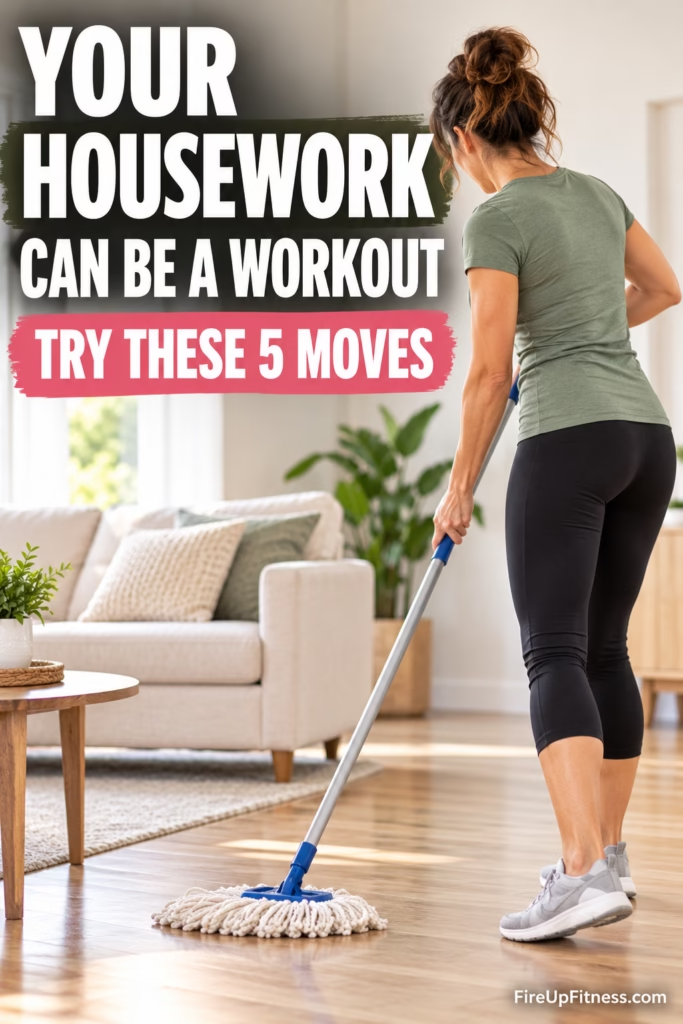
Have you ever finished mopping the kitchen and noticed that your arms and shoulders felt tired?
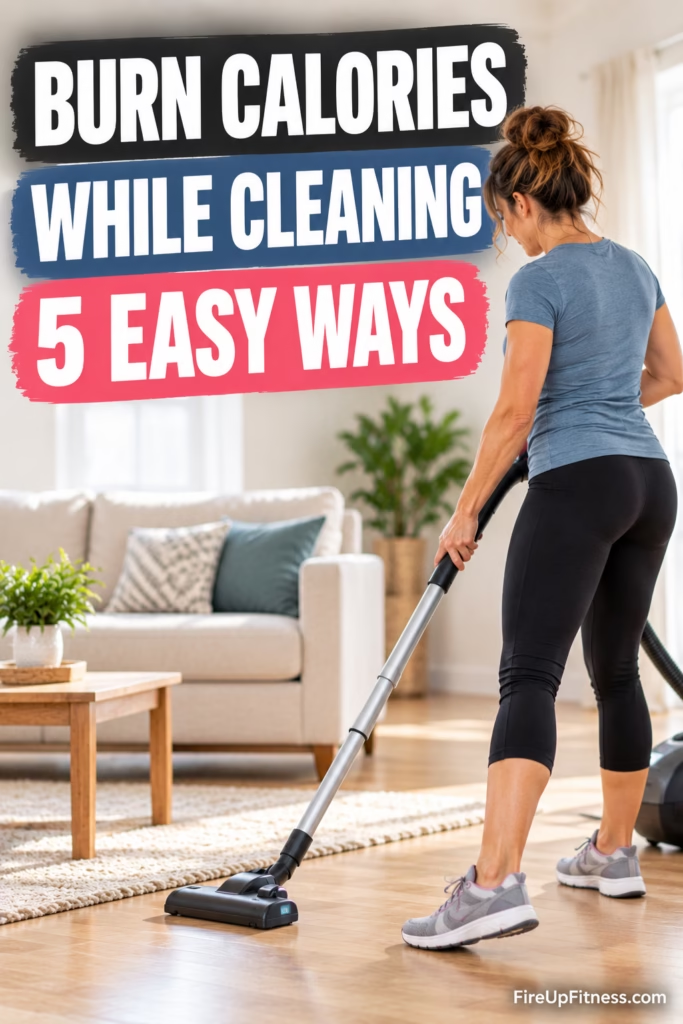
That’s because sweeping and mopping require repeated pushing and pulling, along with balance and movement from your legs and core.
The trick is to use your whole body rather than making your lower back do all the work.
How to do it
- Stand tall with your knees slightly relaxed.
- Hold the broom or mop with a comfortable grip.
- Gently brace your abdominal muscles while breathing normally.
- Push and pull using smooth movements.
- Take small steps as you move across the floor.
- Switch your hand position occasionally.
Make it a workout: Sweep or mop continuously for 5–10 minutes at a steady pace.
Instead of stretching your arms as far as possible, move your feet to stay close to the area you’re cleaning.
This helps you maintain better posture while keeping your legs involved.
You can also alternate between sweeping and wiping surfaces to vary the muscles you’re using.
Beginner modification: Work in shorter 2–3 minute intervals and take breaks when your shoulders or back begin to tire.
3. Sneak in Simple Exercises While Cooking
Dinner is cooking, the kitchen smells wonderful, and you’re waiting for the next step in the recipe.
Rather than spending every spare minute standing still, use safe breaks in your kitchen routine for a little extra movement.
You don’t have to turn your kitchen into a gym. A few simple exercises can make the time more active.
Try this mini kitchen workout
March in place — 60 seconds
Stand away from the stove and lift one knee at a time in a comfortable marching rhythm. Swing your arms naturally.
Standing calf raises — 15 repetitions
Hold a stable countertop for balance. Slowly lift your heels, pause briefly, and lower them back down.
Side steps — 60 seconds
Step to one side, bring your feet together, and repeat in the opposite direction. Keep your knees soft.
Shoulder blade squeezes — 10 repetitions
Stand tall, gently draw your shoulder blades together, hold for two seconds, and relax.
Make it a workout: Complete one round during a safe break in meal preparation.
These movements can help reduce prolonged standing in one position and add a little more activity to your day.
Just remember to keep exercise separate from chopping, stirring hot food, or handling kitchen equipment.
Beginner modification: March slowly or perform the calf raises with both hands resting on a sturdy counter.
4. Turn Your Cleaning Playlist Into a 15-Minute Cardio Session
Some days, the hardest part of cleaning is simply getting started.
Here’s a little trick: put on three or four of your favorite upbeat songs and make a goal to keep moving safely until the playlist ends.
You don’t need to dance wildly around the house or rush through chores. Just choose activities that naturally keep you on your feet.
Try this 15-minute cleaning circuit
| Time | Cleaning activity |
|---|---|
| 3 minutes | Put away clothes and pick up clutter |
| 4 minutes | Vacuum or sweep a room |
| 3 minutes | Wipe countertops and tables |
| 3 minutes | Dust furniture and organize shelves |
| 2 minutes | Walk around putting things back in place |
The idea is to move continuously at a comfortable, purposeful pace.
If your breathing becomes slightly faster but you can still hold a conversation, you may be working at a moderate intensity.
However, not every cleaning task will raise your heart rate enough to count as moderate exercise.
Make it a workout: Start with one 15-minute cleaning session. On days when you have more energy, repeat it in another room.
Beginner modification: Start with 5–10 minutes and gradually work toward longer sessions.
A word of caution: faster isn’t always better. Never rush while carrying heavy objects, cleaning stairs, or walking across wet floors.
5. Use Gardening and Yard Work to Strengthen Your Body
A little time outdoors can be good for both your home and your fitness routine.
Raking leaves, pulling weeds, planting flowers, and tidying the garden all involve physical effort. Depending on the task, gardening can engage your arms, shoulders, legs, and core.
Raking is particularly useful because it involves repeated upper-body movements while you step around the yard.
How to do it
- Start with a few minutes of easy walking.
- Hold your rake comfortably, keeping your shoulders relaxed.
- Pull leaves toward you using controlled movements.
- Step and reposition your feet rather than twisting repeatedly at the waist.
- Switch sides regularly to avoid overworking one arm.
- Take short breaks as needed.
Make it a workout: Aim for 15–30 minutes of moderate gardening or yard cleaning.
Don’t have a yard? You can get similar opportunities for movement by sweeping a patio, watering plants, or organizing lightweight outdoor items.
Beginner modification: Start with 10 minutes and avoid repetitive bending or lifting heavy bags of soil or leaves.
How Many Calories Can You Burn Cleaning Your House?
You may be surprised by how much energy some household chores require.
However, calorie burn depends on your body weight, the task, your pace, and how long you’re active.
Here are approximate estimates for a person weighing 155 pounds (70 kg) during 30 minutes of activity.
| Cleaning activity | Calories burned |
|---|---|
| Light cleaning and dusting | 70–100 |
| Vacuuming | 90–130 |
| Sweeping or mopping | 100–140 |
| Moderate gardening | 130–170 |
| Raking leaves | 130–170 |
These are illustrative estimates, not exact measurements. A slow, relaxed cleaning session may burn fewer calories than a vigorous one.
And remember, you don’t need to chase a specific calorie number for your movement to be worthwhile.
Building an active lifestyle is about what you do consistently, not how many calories you can burn during one afternoon.
A Simple 30-Minute House Cleaning Workout Plan
Want to put everything together? This practical routine lets you work through your cleaning list while adding some intentional movement.
Your cleaning workout
30 minutes
0 of 6 activities completed
0 / 30 min
Warm up with easy walking
3 min
Pick up clutter with controlled squats
5 min
Sweep or mop the floors
7 min
Vacuum or wipe surfaces
7 min
Put away laundry and tidy up
5 min
Cool down with gentle stretches
3 min
Reset routine
You can follow this routine once or several times per week, depending on your schedule and energy level.
The important part is to keep your movements controlled, take breaks when necessary, and choose tasks that suit your fitness level.
Can House Cleaning Help You Lose Body Fat?
House cleaning can support fat loss, but it helps to understand how.
Your body uses energy throughout the day, including when you’re walking, standing, cooking, and cleaning. This everyday movement contributes to what researchers call non-exercise activity thermogenesis, or NEAT.
Increasing your daily movement can raise your overall energy expenditure.
Over time, this may support fat loss when combined with balanced nutrition and a sustainable calorie deficit.
But there’s one thing cleaning cannot do: specifically burn belly fat or remove fat from your arms and thighs.
Fat loss happens across the body, and where you lose fat first depends on factors such as genetics, age, and hormones.
Think of house cleaning workouts as one helpful piece of a bigger fitness routine, not a shortcut to changing your body.
Why House Cleaning Workouts Are Great for Busy Women Over 40
As life gets busier, finding a dedicated hour for exercise can feel difficult.
Between family responsibilities, work, cooking, and managing the house, personal fitness sometimes slips down the priority list.
That’s why everyday movement matters.
House cleaning workouts can make staying active feel more achievable because they fit into tasks you’re already doing.
They may help you:
- Break up long periods of sitting.
- Practice useful movements such as squatting, reaching, and carrying.
- Improve everyday muscular endurance.
- Add more activity without extra equipment.
- Build confidence before starting a structured workout routine.
However, after 40, maintaining muscle mass becomes increasingly important. Household chores alone usually don’t provide enough resistance to build or preserve muscle optimally.
For better results, combine your cleaning routine with strength training at least twice a week, along with walking or other aerobic activities.
Even a short bodyweight routine featuring squats, wall push-ups, and glute bridges can complement the movement you’re already getting from cleaning.
5 Mistakes to Avoid When Turning Housework Into Exercise
Making chores more active is helpful, but it shouldn’t come at the expense of your comfort or safety.
1. Rushing through everything. Moving a little faster can increase activity, but rushing on slippery floors or around furniture increases the risk of accidents.
2. Twisting your back repeatedly. Turn with your feet when vacuuming, mopping, or raking instead of forcing your lower back into awkward positions.
3. Holding your breath. Breathe naturally during squats, lifting, and other cleaning movements.
4. Trying to lift too much. Heavy laundry baskets, furniture, and gardening supplies can strain your back. Divide loads into smaller portions when possible.
5. Treating cleaning as your only workout. Cleaning is useful physical activity, but dedicated strength training and cardiovascular exercise provide benefits that lighter chores may not.
Frequently Asked Questions
Is house cleaning a good workout?
House cleaning can be a useful form of physical activity, particularly when you’re vacuuming, mopping, scrubbing, or gardening. Some chores may reach moderate intensity, while lighter tasks mainly help you stay on your feet and reduce sitting time.
Can I burn 200 calories cleaning my house?
It’s possible, depending on your body weight, how long you clean, and the intensity of the work. Vigorous chores performed for an extended period generally burn more calories than light tidying.
Which household chore is the best workout?
Gardening, raking, vigorous mopping, and sustained vacuuming can provide more physical activity than tasks like folding laundry. The best choice is one you can perform comfortably and consistently.
Can cleaning help tone my arms and legs?
Cleaning uses many muscle groups and may improve muscular endurance. However, building noticeable muscle definition usually requires progressive resistance training and, depending on your goals, changes in overall body fat.
How long should I clean to get fitness benefits?
Even 10–15 minutes of movement is worthwhile. For general health, adults should aim for at least 150 minutes of moderate-intensity aerobic activity weekly, plus muscle-strengthening activities on two or more days. More demanding household chores can contribute when performed at sufficient intensity.
Final Thoughts: Make Your Cleaning Routine Work for You
A cleaner house isn’t the only thing you can get out of your daily chores.
Every time you squat to pick something up, walk from room to room, or spend a few minutes sweeping the floor, you’re giving your body another opportunity to move.
You don’t have to turn every cleaning session into a workout, and you certainly don’t need to exhaust yourself to make it count.
Start small. Put on some music, choose a few active chores, and enjoy the satisfaction of getting things done while supporting your fitness.
A little more movement today can become a healthier habit tomorrow.
And the next time you look at a pile of laundry or a floor that needs mopping, remember: it’s not just another chore. It can also be an opportunity to move your body.