Seated Arm Workout: 5-Minute Dumbbell Arm Workout at Home
If most of your day is spent sitting, chances are your arms and shoulders aren’t getting the attention they deserve. Long hours at a desk can quietly weaken your upper body, tighten your shoulders, and drain your energy—often without you noticing until discomfort sets in.
That’s where a seated arm workout becomes a game changer.
As a fitness professional, I often remind clients that strength isn’t built only in gyms or during long workouts. It’s built through consistency, smart movement, and meeting your body where it is. This short, effective routine is designed to fit into real life—whether you’re working from home, in an office, or squeezed into back-to-back meetings.
This arm strength workout proves that even five focused minutes can activate muscles, improve posture, and leave your arms feeling worked—in the best way.

Why Seated Arm Workouts Are Underrated (and Effective)
Seated workouts are often dismissed as “easy,” but that assumption couldn’t be more wrong.
When you remove momentum and standing support, your muscles are forced to work harder with less assistance. A seated position encourages better control, cleaner form, and more intentional movement—all essential for building strength safely.
This style of at home workout is especially effective if you:
- Sit for most of the day
- Want to strengthen your arms without impact
- Need a quick routine that fits into your schedule
- Prefer lighter weights with higher muscle engagement
The result is strength you can feel—without floor exercises, jumping, or setup time.
Equipment: Keep It Simple
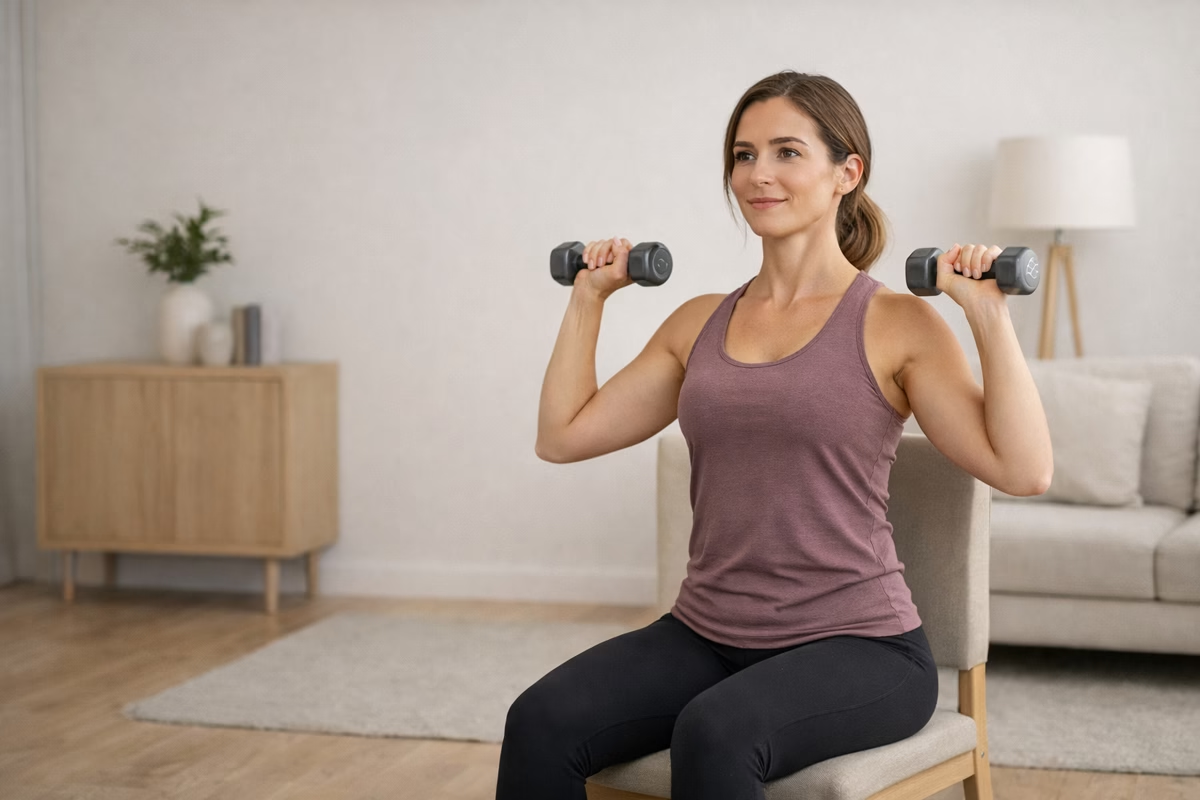
This Dumbbell Arm Workout uses light weights, typically between 2 and 5 pounds. The goal is not to lift heavy, but to maintain tension and control throughout each movement.
If dumbbells aren’t available, everyday items work just as well:
- Water bottles
- Small cans
- Lightweight books
Choose a weight that allows you to complete each movement with good form while still feeling challenged by the end of the 30 seconds.
How the Workout Is Designed
This routine follows a simple but effective structure:
- Each exercise lasts 30 seconds
- There is no rest between movements
- The workout flows continuously for about five minutes
- All exercises are performed seated
This keeps the muscles engaged while improving circulation—ideal for a midday reset or quick strength break.
Set Yourself Up for Success
Before you begin, take a moment to set your posture:
- Sit tall with your spine long
- Feet planted firmly on the floor
- Chest open
- Shoulders relaxed and pulled slightly back
Good posture isn’t just about looking confident—it ensures the right muscles are doing the work and protects your shoulders throughout the routine.
If you prefer to follow along visually, the full seated arm workout is available in the video below. This guided routine shows proper form, pacing, and transitions so you can get the most out of every movement—perfect if you’re doing this workout at your desk or at home.
Bookmark this page or save it on Pinterest so you can come back to this seated arm workout anytime you need a quick strength break.
The Seated Arm Workout Routine
Controlled Bicep Curls
With elbows tucked close to your sides and arms bent at 90 degrees, curl the weights upward with control, then lower slowly.
Focus on squeezing the biceps at the top. Avoid rushing—this is about muscle engagement, not speed.
Curl With Arm Opening
From the curl position, open the arms outward as you lower the weights. Keep your elbows stable and your chest lifted.
This variation activates the shoulders and upper back while maintaining bicep tension.
Seated Shoulder Lifts
Lift your arms to shoulder height with elbows bent, then lower them back down with control.
This movement strengthens the shoulders and reinforces upright posture—especially helpful if you spend hours hunched over a screen.
Goalpost Raises
Hold your arms in a goalpost position at shoulder height. Lift your hands upward, keeping elbows aligned with your shoulders, then lower.
This targets the upper back and rotator cuff, supporting shoulder stability and long-term joint health.
Seated Shoulder Press
Press the weights upward from the goalpost position, stopping just short of locking the elbows.
Lower slowly, maintaining tension throughout. This move builds shoulder strength while improving overhead control.
Alternating Shoulder Press
Press one arm at a time while the other remains lifted.
This unilateral movement challenges coordination, balance, and muscular control, helping to correct imbalances between sides.
Seated Chest Press
Bring your arms forward, pressing your forearms together, then open back out.
Imagine resistance between your arms. This engages the chest and shoulders and often creates a deep, satisfying burn.
Front Arm Extensions
With elbows lifted and palms facing inward, extend your arms forward and pull them back in.
This strengthens the front of the shoulders and builds endurance in the arms.
Overhead Tricep Extensions
Lift your arms overhead and bend at the elbows to lower the weights, then extend back up.
Keep your elbows steady and close together. This move targets the triceps—essential for arm definition and strength.
Tricep Extension to Shoulder Press
Finish strong by combining a tricep extension with a shoulder press.
This compound movement challenges multiple muscle groups and brings the workout to a powerful close.
After the Workout
Let your arms rest by your sides. Roll your shoulders gently and stretch your triceps and upper back if needed.
Even in just five minutes, this seated arm workout can increase circulation, reduce stiffness, and re-energize your body.
How Often Should You Do This Workout?
This routine is safe and effective enough to repeat:
- Daily as a movement break
- 3–5 times per week for strength
- During long workdays to offset prolonged sitting
It pairs well with walking, stretching, or lower-body workouts.
Final Thoughts
Strength training doesn’t require a gym membership or a long time block. This Dumbbell Arm Workout proves that consistent, focused movement—done right where you are—can make a real difference.
If your day involves a lot of sitting, think of this routine as essential maintenance for your body. A few minutes of movement now can prevent stiffness, weakness, and discomfort later.
Progress isn’t about doing more.
It’s about doing what you can—consistently.