4 Best Yoga Poses for Athletes to Improve Flexibility
Ever finish a workout feeling strong, only to wake up the next morning with tight hips, stiff shoulders, or sore muscles?
Whether you love running, cycling, strength training, or playing sports, your body needs more than challenging workouts to perform well. It also needs flexibility, mobility, and enough recovery time.
That’s where yoga for athletes can make a difference.
You don’t have to be naturally flexible or spend an hour on a yoga mat. Just a few simple poses can help release everyday tension, improve your range of motion, and make moving more comfortable.
The best part? These four yoga stretches are easy to practice at home, even on your rest days.
Why Athletes Should Practice Yoga
When you’re focused on improving your fitness, stretching and mobility work can easily become an afterthought.
But tight hips, limited shoulder mobility, and a stiff back can make certain movements feel harder than they should.
Practicing yoga regularly may help you:
- Improve flexibility: Move more comfortably through exercises such as squats, lunges, and overhead movements.
- Support muscle recovery: Gentle stretching may ease feelings of tightness after demanding workouts.
- Improve balance and body awareness: Develop better control over your movements.
- Support better posture: Counteract stiffness from sitting, cycling, and repetitive training.
- Reduce stress: Use slow breathing and mindful movement to relax after exercise.
Yoga isn’t a guaranteed way to prevent injuries or eliminate muscle soreness, but it can be a valuable addition to a balanced training routine.
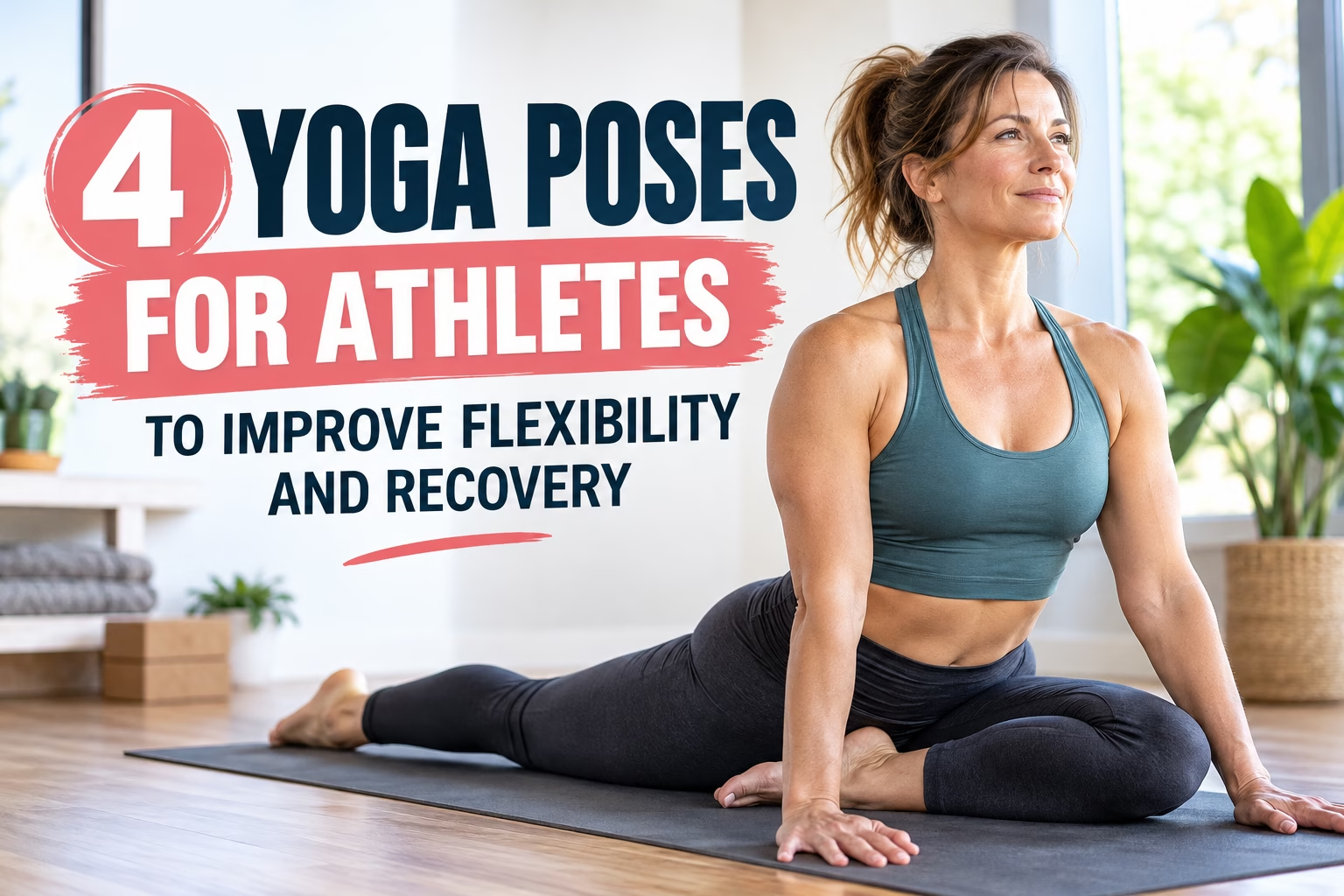
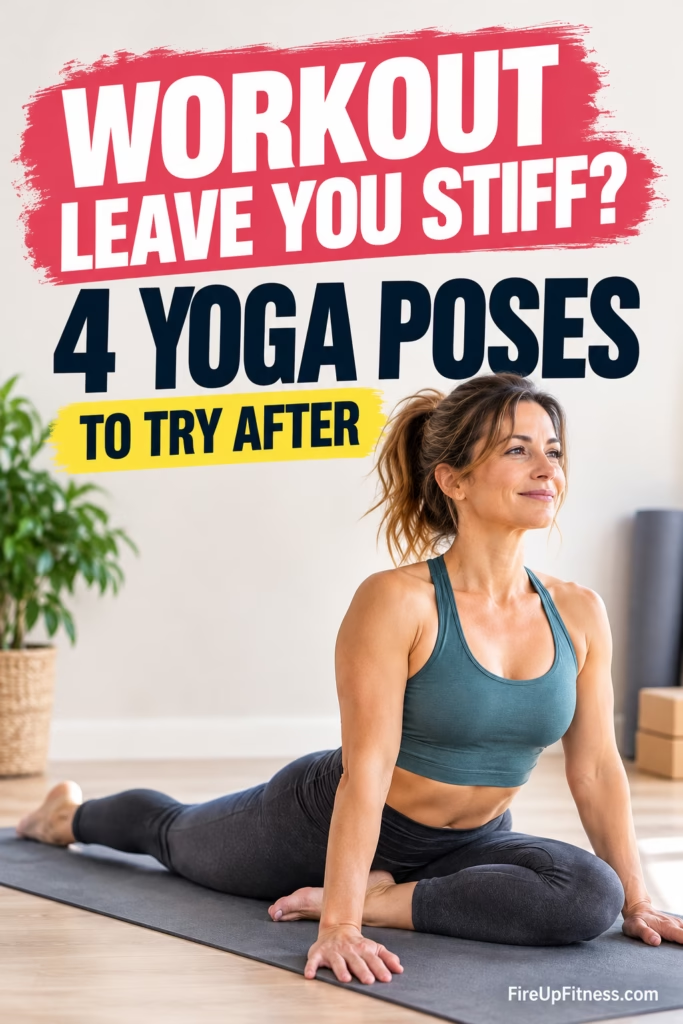
1. Pigeon Pose: Release Tight Hips After Running
Pigeon Pose is a popular yoga stretch for runners, cyclists, and anyone who experiences tightness around the hips.
It primarily stretches the outer hip and gluteal muscles of the front leg while also providing a stretch through the front of the opposite hip.
How to Do Pigeon Pose
- Begin on your hands and knees on a comfortable yoga mat.
- Bring your right knee forward toward your right wrist.
- Position your right shin diagonally across the mat, keeping your right foot comfortable rather than forcing it forward.
- Extend your left leg straight behind you.
- Keep your hips supported and lower your upper body slightly forward if comfortable.
- Hold for 20–30 seconds while breathing slowly.
- Switch legs and repeat.
Beginner tip: Place a folded blanket or yoga block beneath your front hip for support. Avoid forcing your knee or hip into a deeper stretch.
Why athletes love it: Pigeon Pose can be especially helpful after running or lower-body training when the hips and glutes feel tight.
2. Camel Pose: Open Your Chest and Improve Posture
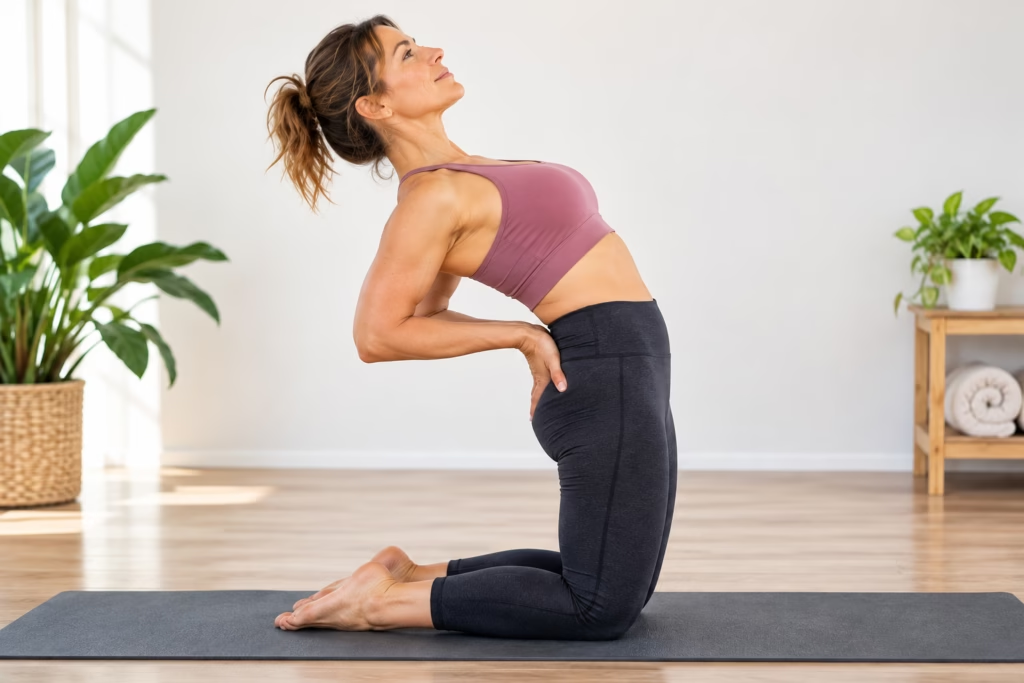
Do your shoulders feel rounded after cycling, lifting weights, or spending hours sitting?
Camel Pose is a kneeling backbend that stretches the front of the body, including the chest, shoulders, and abdominal muscles.
It also challenges your ability to control spinal extension.
How to Do Camel Pose
- Kneel on your mat with your knees hip-width apart.
- Keep your thighs upright and gently engage your abdominal muscles.
- Place both hands on your lower back for support.
- Lift your chest and slowly lean backward, moving only as far as comfortable.
- Keep your neck neutral rather than dropping your head backward.
- Hold for 10–20 seconds.
- Return slowly to an upright kneeling position.
Beginner tip: Keep your hands on your lower back instead of reaching for your heels. A small, controlled backbend is enough to begin.
Why athletes love it: Camel Pose offers a useful counter-movement to activities that involve prolonged forward-leaning positions, such as cycling.
Avoid deep backbends if they cause lower-back discomfort.
3. Reclined Figure-Four Stretch: Ease Tight Glutes and Hips
This gentle stretch is sometimes called Reclined Pigeon Pose or Eye of the Needle.
It’s an excellent alternative to traditional Pigeon Pose, especially when your hips feel particularly stiff.
Because you’re lying on your back, you can control the intensity without placing as much pressure on your knees.
How to Do the Reclined Figure-Four Stretch
- Lie on your back with both knees bent and your feet flat on the floor.
- Cross your right ankle over your left thigh, just above the knee.
- Allow your right knee to move gently outward.
- Lift your left foot off the floor.
- Reach your hands behind your left thigh and gently bring it toward your chest.
- Hold for 30–45 seconds while keeping your head and shoulders relaxed.
- Release and repeat on the opposite side.
Beginner tip: Keep your supporting foot on the floor if lifting your leg feels too intense.
Why athletes love it: This stretch targets the glutes and deep hip rotators, making it useful after running, squats, lunges, or cycling.
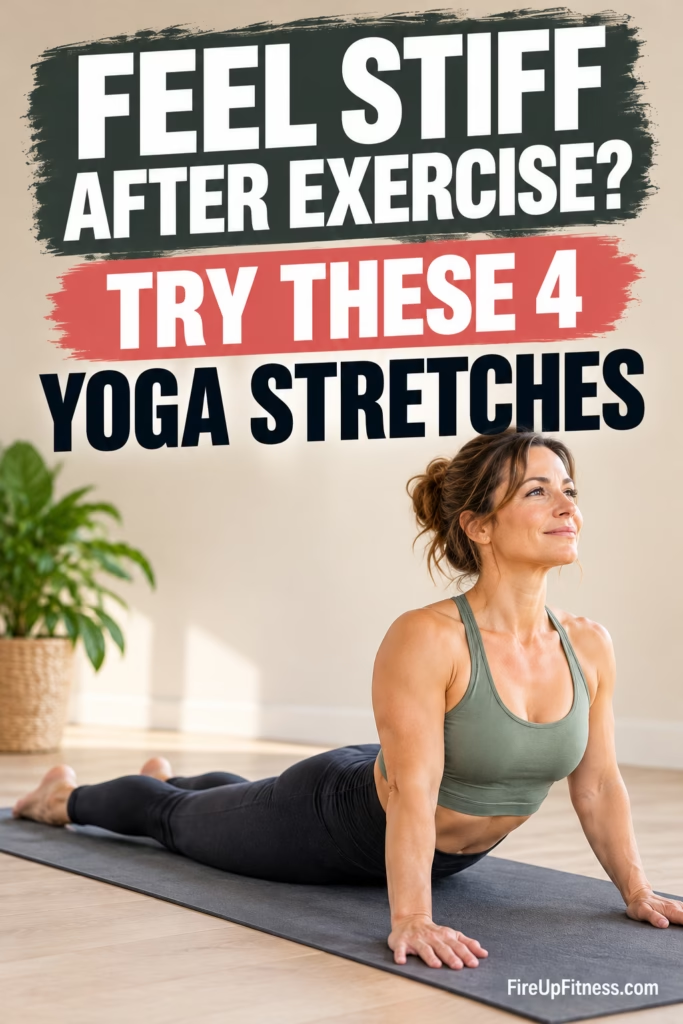
4. Cobra Pose: Stretch Your Front Body and Improve Spinal Mobility
Cobra Pose is a simple yoga backbend that can help improve spinal mobility and stretch the front of your torso.
It may feel particularly refreshing after long periods of sitting or training in a forward-bent position.
How to Do Cobra Pose
- Lie face down on your yoga mat with your legs extended behind you.
- Place your palms beneath your shoulders.
- Keep your elbows close to your ribs.
- Gently engage your back muscles and lift your chest away from the floor.
- Use your hands for light support without forcing your arms straight.
- Keep your shoulders relaxed and your neck aligned with your spine.
- Hold for 10–20 seconds before slowly lowering your chest.
Beginner tip: Try Baby Cobra by lifting your chest only a few inches while keeping your elbows bent.
Why athletes love it: Cobra Pose encourages gentle spinal extension and stretches the abdominal area, which can complement many strength-training and cardio activities.
Skip the pose if backbending causes pain or uncomfortable pressure in your lower back.
A Simple 5-Minute Yoga Routine for Athletes
You don’t need a lengthy yoga session to begin improving your flexibility. Try this short routine after a workout or during a recovery day.
| Yoga pose | Time |
|---|---|
| Pigeon Pose | 30 seconds per side |
| Camel Pose | 20 seconds, repeat twice |
| Reclined Figure-Four Stretch | 45 seconds per side |
| Cobra Pose | 20 seconds, repeat twice |
| Gentle breathing and relaxation | 1 minute |
Take a few extra seconds between poses to transition comfortably. The full routine takes approximately five minutes.
Aim to practice three or four times per week, adjusting the frequency based on how your body feels.
When Is the Best Time to Do Yoga for Athletes?
After a workout: Gentle, longer-held stretches can help you relax and work on flexibility once your muscles are warm.
On recovery days: A short yoga session can keep you moving without adding another demanding workout.
Before a workout: Choose dynamic movements instead of holding deep stretches for long periods. Controlled hip circles, gentle spinal movements, and walking lunges are often more suitable for warming up.
Remember, yoga should create a comfortable stretching sensation, not sharp pain. Never force yourself into a pose just to achieve a deeper stretch.
Final Thoughts: Train Hard, but Make Time to Recover
Improving athletic performance isn’t only about how much you lift, how far you run, or how hard you train.
It’s also about how well your body moves and recovers between workouts.
These four yoga poses can help you build a simple flexibility routine that supports your favorite physical activities without requiring expensive equipment or extra gym time.
Start with just five minutes after your next workout. Pay attention to which areas feel tight, move slowly, and give your body time to adapt.
You might be surprised how enjoyable a little extra mobility work can feel.
Which area gets the tightest after your workouts: your hips, legs, shoulders, or lower back? Share your answer in the comments. And save this routine for your next recovery day!