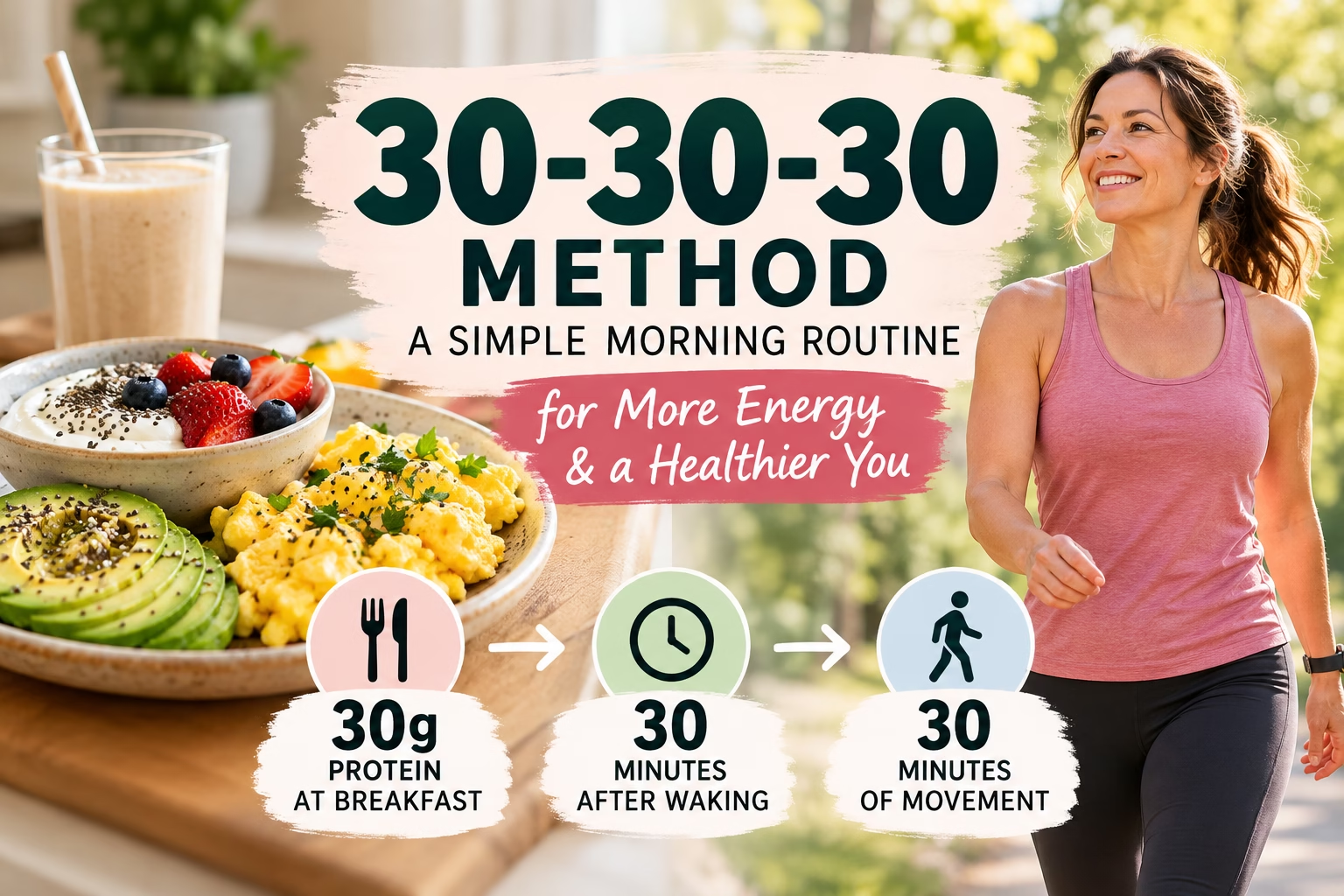
30-30-30 Method: How to Start This Morning Routine
Ever wake up feeling tired, rush through breakfast, and promise yourself that tomorrow you’ll start a healthier morning routine?
The problem isn’t always a lack of motivation. Sometimes, your mornings simply need a little more structure.
That’s where the 30-30-30 method comes in.
This popular morning wellness routine combines a protein-rich breakfast with gentle movement to help you build healthier habits, support muscle health, and start your day feeling more energized.
The best part? You don’t need an expensive gym membership, complicated meal plan, or exhausting workout.
Here’s how the 30-30-30 method works, what science actually says about it, and how to make it fit your lifestyle, especially after 40.
What Is the 30-30-30 Method?
The 30-30-30 method is a simple morning routine built around three numbers.
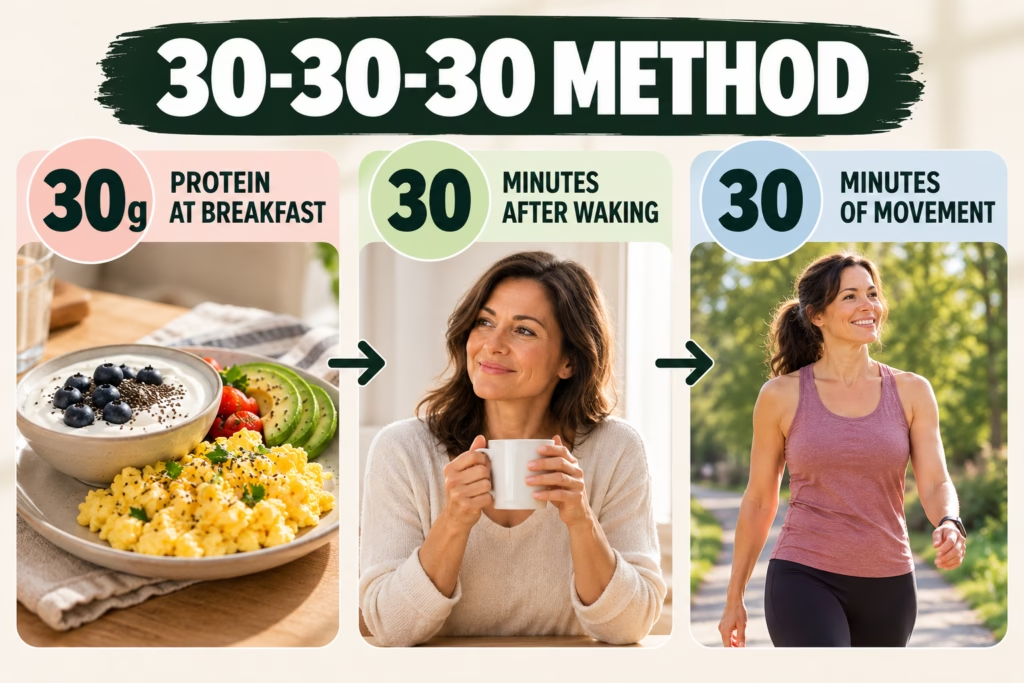
The traditional 30-30-30 formula: Eat 30 grams of protein within 30 minutes of waking, then complete 30 minutes of low-intensity exercise.
The protein-first breakfast idea has roots in Tim Ferriss’s book The 4-Hour Body. The combined routine later became popular through social media.
Although the numbers make the method easy to remember, there’s an important distinction: the individual habits have potential benefits, but the exact 30-30-30 formula hasn’t been proven superior to other healthy morning routines.
Think of it as a flexible starting point rather than a strict rule.
1. Start Your Morning With 30 Grams of Protein
Protein is especially important as we get older because it helps maintain muscle, supports recovery, and contributes to everyday strength.
For women over 40, including protein at breakfast can be a practical way to support healthy aging.
A protein-rich breakfast may also help you feel satisfied longer, making it easier to stay focused during a busy morning.
Easy Breakfast Ideas With Around 30 Grams of Protein
| Breakfast | Approximate protein |
|---|---|
| 1 cup plain Greek yogurt + 2 eggs | 35–40g |
| 1 cup cottage cheese + 1 tbsp chia seeds | 30–32g |
| 3 eggs + ½ cup cottage cheese | 36g |
| Protein smoothie with milk and protein powder | 30–35g |
| 4 oz cooked tofu + 1 cup fortified soy milk | 25–30g |
Protein amounts vary by brand and portion size.
You can also add berries, whole-grain toast, oats, or vegetables for fiber and other important nutrients.
Simple tip: Prepare your breakfast ingredients the night before. Having everything ready makes mornings much easier.
2. Eat Within 30 Minutes of Waking — But Don’t Stress About the Clock
The second part of the method encourages eating within 30 minutes of getting out of bed.
For some women, having breakfast early creates a helpful routine and prevents the morning from becoming a rush of coffee, chores, and forgotten meals.
However, there’s no strong evidence that eating within exactly 30 minutes provides special metabolic benefits.
Your overall nutrition, food quality, and consistency matter much more than hitting a specific minute.
If eating immediately after waking feels uncomfortable, that’s okay. You can enjoy breakfast a little later.
The goal is to find a breakfast schedule that supports your energy and daily routine.
3. Move Your Body for 30 Minutes
After breakfast, the 30-30-30 method recommends 30 minutes of low-intensity physical activity.
You don’t need to run, jump, or push yourself through a demanding workout.
Gentle, consistent movement can help support cardiovascular health, improve mobility, and lift your mood.
Morning walking

A comfortable walk around your neighborhood is one of the easiest ways to get moving. Start with 10–15 minutes and gradually build toward 30.
Gentle yoga

Try easy standing stretches, Cat-Cow, or a relaxed yoga flow to improve flexibility and ease morning stiffness.
Easy cycling

Ride a stationary bike at a comfortable pace while listening to music or your favorite podcast.
You should be able to speak comfortably during low-intensity activity.
And remember, 30 minutes isn’t mandatory. Even a shorter session can be beneficial, particularly when you’re just starting.
Why the 30-30-30 Method May Be Helpful After 40
As women move through their 40s and beyond, changes in muscle mass, sleep patterns, and hormones can influence how they feel throughout the day.
A simple morning routine can make healthy habits easier to maintain.
Here are four potential benefits.
Supports Muscle Health
Protein provides amino acids needed for muscle maintenance and repair. Combining adequate daily protein with regular strength training is particularly valuable as you age.
Encourages Better Morning Energy
A balanced breakfast provides nutrients your body needs for everyday activities. Gentle movement can also help you feel more alert.
Makes Exercise Feel Manageable
A 30-minute walk may feel less intimidating than an intense workout. When exercise feels achievable, you’re more likely to repeat it.
Creates a Consistent Routine
Following a familiar morning pattern reduces the number of decisions you need to make before your day begins.
And sometimes, consistency is what makes the biggest difference.
A Simple 30-30-30 Morning Schedule
Here’s an example of how you could fit the routine into a normal weekday.
| Time | Morning activity |
|---|---|
| 6:30 AM | Wake up and drink water |
| 6:45 AM | Enjoy a protein-rich breakfast |
| 7:15 AM | Take a comfortable 30-minute walk |
| 7:45 AM | Shower and prepare for your day |
| 8:00 AM | Begin your daily activities |
You can adjust the times to match your work schedule, family responsibilities, or preferred wake-up time.
What About the 30-30-25 Method?
You may also come across the term 30-30-25 method online.
Unlike the 30-30-30 routine, the 30-30-25 method doesn’t have one universally recognized definition.
Some fitness creators use similar numbers to describe workout intervals, while others apply them to nutrition routines.
Rather than trying to follow multiple numbered methods, focus on habits that fit your lifestyle and are easy to maintain.
5 Common 30-30-30 Mistakes to Avoid
Even a simple routine can become unnecessarily complicated.
1. Treating 30 minutes as a strict deadline. Eating a little later doesn’t mean you’ve missed out on the benefits of a nutritious breakfast.
2. Focusing only on protein. Your body also needs fiber, healthy fats, carbohydrates, vitamins, and minerals.
3. Making exercise too intense. The traditional method emphasizes gentle movement. Save demanding workouts for times that fit your fitness level and recovery needs.
4. Ignoring strength training. Walking is excellent, but it doesn’t replace muscle-strengthening exercise. Aim to include strength training at least twice a week.
5. Giving up when mornings get busy. A 10-minute walk and a balanced breakfast are still worthwhile. You don’t need a perfect routine to make progress.
Is the 30-30-30 Method Right for Everyone?
The 30-30-30 method can be a convenient option for adults who enjoy eating breakfast and moving early in the day.
But it’s not necessary for everyone.
Some people prefer exercising later, while others feel better eating breakfast after they’ve been awake for a while.
People with diabetes, digestive conditions, kidney disease, or specific dietary needs may also need a more individualized approach.
The most useful routine is one that supports your health without adding unnecessary stress.
Frequently Asked Questions
Does the 30-30-30 method really work?
It can help you establish a consistent breakfast and exercise routine. Protein supports muscle health, and regular movement offers many benefits. However, research hasn’t established that the exact 30-30-30 combination produces unique results.
Can I drink coffee before breakfast?
Yes. Coffee can fit into the routine if you tolerate caffeine well. There’s no need to avoid milk or other additions solely to follow the method.
Do I need exactly 30 grams of protein?
No. Thirty grams is a convenient target, not a universal requirement. Your ideal protein intake depends on factors such as age, body size, activity level, and health needs.
Can I follow the method without walking?
Absolutely. Gentle cycling, swimming, yoga, and other comfortable low-intensity activities can be alternatives.
What happens if I miss a day?
Nothing special happens. Simply return to your routine when you can. Long-term consistency matters more than perfection.
Final Thoughts: Make Your Mornings Work for You
The 30-30-30 method offers a straightforward reminder to nourish your body, move regularly, and create a more intentional start to your day.
You don’t have to follow every number perfectly to benefit from these habits.
Start with a breakfast you enjoy, choose movement that feels comfortable, and build a routine you can maintain.
A healthier morning doesn’t need to be complicated. Sometimes, the simplest habits are the easiest ones to keep.