Belly Fat Loss: 5 Simple Habits for a Flat Stomach
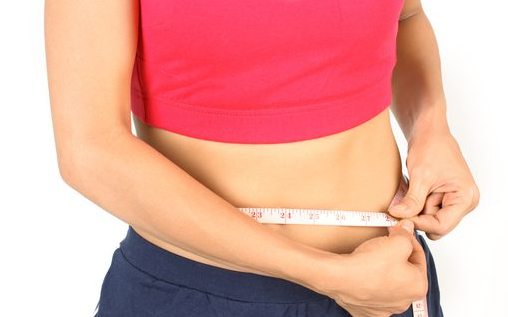
Struggling with stubborn belly fat? You’re not alone. Belly fat loss is one of the most common health and fitness goals for both men and women. Excess abdominal fat isn’t just a cosmetic concern—it’s also linked to health risks like heart disease, type 2 diabetes, and metabolic syndrome.
Fortunately, reducing belly fat doesn’t require extreme diets or endless hours at the gym. The key lies in adopting sustainable, science-backed lifestyle habits that support healthy living and long-term fat loss. In this article, we’ll break down five powerful strategies to help you lose belly fat and work toward a flat stomach—naturally and effectively.
Why Belly Fat Accumulates
Before jumping into the solution, it’s important to understand why belly fat tends to accumulate in the first place. Common causes include:
- Poor diet
- Chronic stress
- Lack of physical activity
- Hormonal imbalances (especially high cortisol levels)
- Inadequate sleep
- Excessive alcohol consumption
Targeted belly fat loss begins by addressing these root causes through consistent, healthy choices.
1. Increase Your Fiber Intake
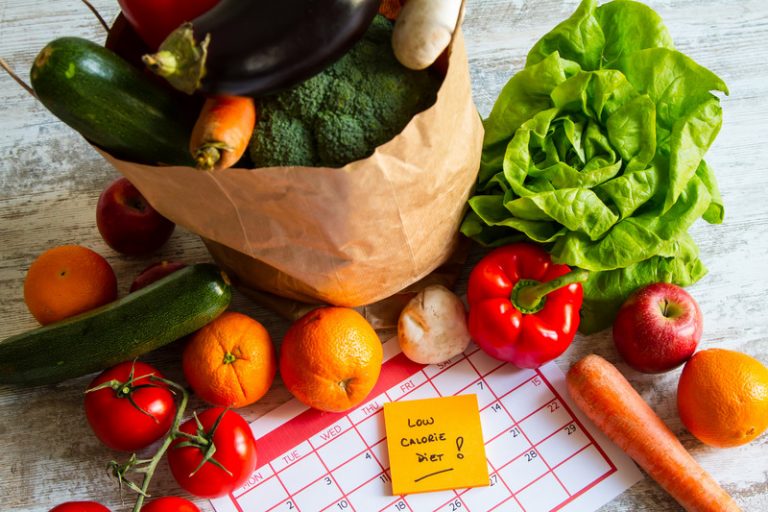
Adding more fiber-rich foods to your diet can play a major role in reducing belly fat. Soluble fiber, in particular, slows digestion and helps you feel full longer, which can reduce overall calorie intake.
Benefits of Fiber for Fat Loss:
- Reduces appetite naturally
- Supports digestive health
- Helps prevent bloating and constipation
- Regulates blood sugar levels
High-Fiber Foods to Include:
- Oats
- Lentils
- Black beans
- Chia seeds
- Avocados
- Apples
- Carrots
Aim for at least 25–30 grams of fiber per day. Not only will this help with belly fat loss, but it will also improve your overall health.
2. Limit Alcohol Consumption
While the occasional glass of wine may not harm your health, regular alcohol intake can slow down your fat-burning efforts. Alcohol is high in empty calories and increases the production of cortisol—a hormone associated with abdominal fat storage.
How Alcohol Affects Belly Fat:
- Disrupts metabolic function
- Encourages fat accumulation in the abdomen
- Increases appetite, especially for unhealthy foods
If you’re serious about achieving a flat stomach, consider reducing your alcohol intake. Try cutting back to only one or two drinks per week or replace alcoholic beverages with healthier alternatives like sparkling water with lemon.
3. Manage Stress to Control Cortisol
Chronic stress can make it difficult to lose body fat, particularly around the midsection. When you’re stressed, your body releases more cortisol, which encourages fat storage—especially in the belly area.
Simple Stress-Reduction Strategies:
- Practice deep breathing or meditation for 10 minutes a day
- Go for daily walks outdoors
- Listen to calming music
- Prioritize quality sleep
- Limit screen time and social media
By reducing stress, you’ll not only support fat loss, but also improve your overall mental and emotional well-being.
4. Avoid Late-Night Eating
Your body’s ability to digest food slows down at night. Eating close to bedtime may interfere with digestion and increase the likelihood of calorie storage, rather than calorie burning.
Why Timing Matters:
- Eating late can spike insulin levels before bed
- You’re less likely to burn calories when you’re inactive
- Sleep may be disrupted, which also contributes to weight gain
Try to finish your last meal 2–3 hours before going to bed. This gives your digestive system time to process food properly and supports your body’s natural fat-burning cycle.
5. Focus on a Balanced, Nutritious Diet
No single food will cause or prevent belly fat, but a balanced and healthy diet makes all the difference. The goal is to eat a variety of nutrient-dense foods that support fat loss and long-term health.
What to Eat for Belly Fat Loss:
- Lean protein: chicken, turkey, tofu, beans, and eggs
- Healthy fats: olive oil, nuts, seeds, and avocado
- Whole grains: brown rice, quinoa, oats
- Fruits and vegetables: rich in vitamins and antioxidants
- Dairy: low-fat milk, yogurt, and cheese
What to Limit:
- Processed snacks like chips and cookies
- Sugary drinks including soda and energy drinks
- Refined carbs such as white bread and pastries
- High-sugar desserts and candy
Maintaining a consistent meal schedule and avoiding overeating can also help you stay on track with your fat loss goals.
Bonus Tips for Belly Fat Loss
In addition to the core strategies above, consider incorporating the following habits for faster and more effective results:
1. Stay Hydrated
Drinking enough water helps flush out toxins, supports digestion, and may reduce overeating by keeping you full between meals.
2. Prioritize Sleep
Aim for 7–9 hours of quality sleep each night. Poor sleep disrupts hormones that regulate hunger and satiety, which can contribute to weight gain.
3. Add Physical Activity
While this article focuses on lifestyle habits, regular exercise still plays a vital role in fat loss. Include:
- Strength training (2–3 times per week)
- Cardiovascular activity like walking or swimming
- Core exercises to strengthen abdominal muscles
What Not to Do When Trying to Lose Belly Fat
Don’t Rely on Quick Fixes
Avoid diet pills, extreme detoxes, or crash diets. They rarely work long-term and can harm your metabolism.
Don’t Skip Meals
Skipping meals can slow your metabolism and lead to overeating later in the day.
Don’t Focus Only on the Scale
Measure your progress with how your clothes fit, energy levels, and improvements in mood—not just the number on the scale.
Final Thoughts: Commit to the Process
Belly fat loss takes time, consistency, and a realistic approach. These lifestyle habits—eating a balanced diet, managing stress, avoiding late-night meals, and limiting alcohol—are simple yet powerful steps that promote sustainable results.
Instead of chasing fast fixes, commit to long-term change. By doing so, you’ll not only work toward a flat stomach but also embrace a healthier, more energized version of yourself.