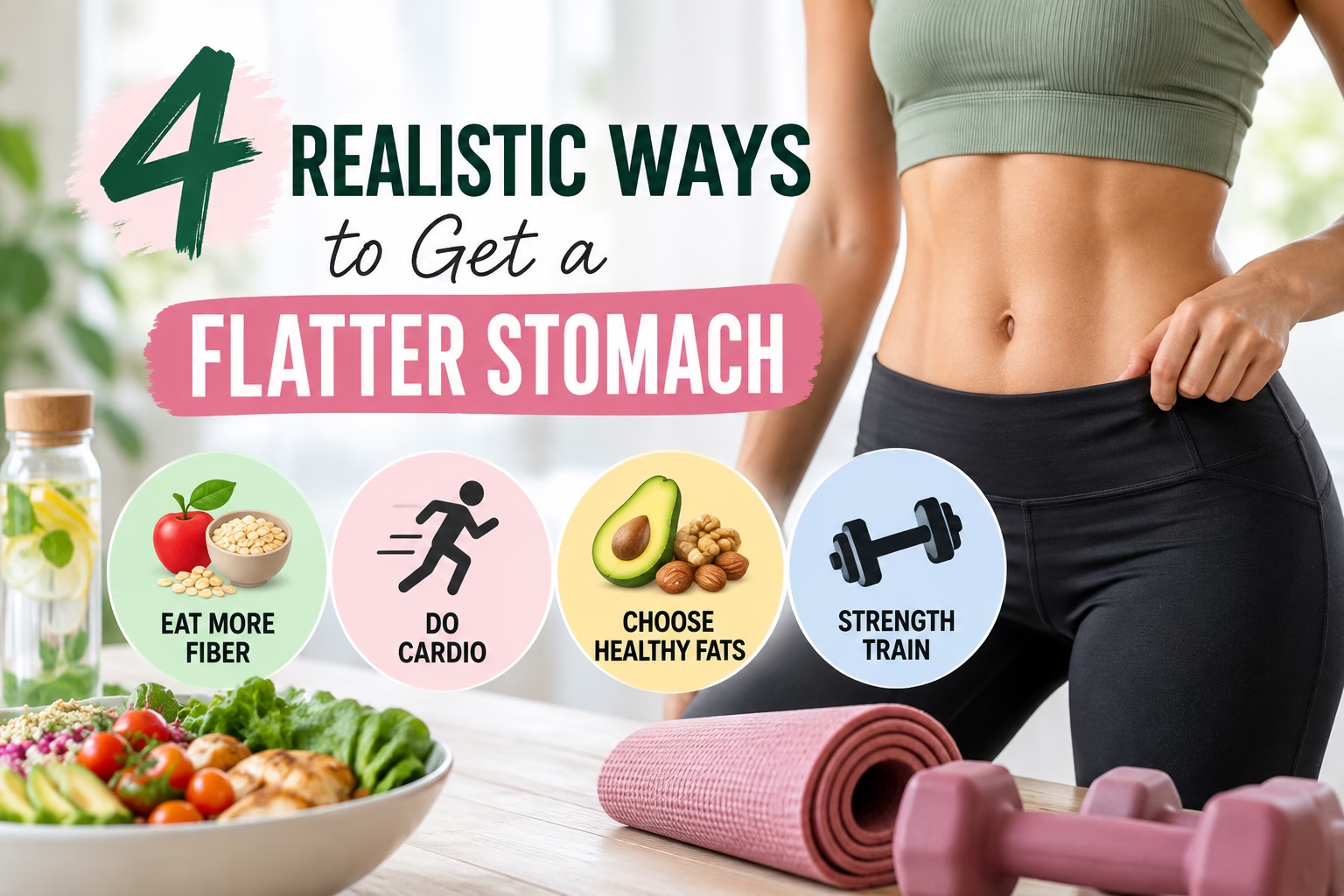
4 Realistic Ways to Get a Flatter Stomach
A flatter stomach is one of those fitness goals that sounds simple until you actually start working toward it.
You eat healthier for a few days. You start walking more. Maybe you even add a few ab workouts. Then you look in the mirror and wonder why your stomach seems to be the last place you notice a difference.
Sound familiar?
Belly fat can be stubborn, especially as we get older. Stress, sleep, activity levels, eating habits, hormones, genetics and overall body composition can all influence where the body tends to store fat.
And here’s something important to understand from the beginning: you can’t specifically choose to burn fat only from your stomach.
Doing hundreds of crunches may strengthen your abdominal muscles, but it won’t magically melt the layer of fat covering them. A better approach is to focus on habits that support overall fat loss while building and strengthening your core and the rest of your body.
The good news is that you don’t need an extreme diet or hours of exercise every day.
A few sustainable changes practiced consistently can make a much bigger difference than a “flat belly challenge” you abandon after a week.
Here are four practical strategies that can help you work toward a flatter, stronger stomach while improving your overall health.

Why Is Belly Fat So Hard to Lose?
Before changing your diet or adding another workout, it helps to understand what you’re actually trying to accomplish.
The abdominal area can contain two main types of fat.
Subcutaneous fat sits underneath your skin. It’s the softer fat you can pinch around your stomach.
Visceral fat is stored deeper inside the abdomen around internal organs. Higher amounts of visceral fat are associated with an increased risk of health problems, including cardiovascular disease and type 2 diabetes.
Reducing abdominal fat isn’t simply about fitting into smaller jeans. Maintaining a healthy body composition can be an important part of supporting long-term health.
But don’t let that convince you that you need drastic measures.
Think about your progress in months rather than days.
Your body responds to what you do consistently, and that means everyday habits matter.
1. Eat More Soluble Fiber
One of the easiest places to begin is probably already sitting in your kitchen.
Eat more fiber-rich whole foods.
Soluble fiber absorbs water and forms a gel-like substance during digestion. This can slow digestion and help meals feel more satisfying, potentially making it easier to manage hunger and overall calorie intake.
Good sources of soluble fiber include:
- Oats
- Beans and lentils
- Apples
- Pears
- Avocados
- Barley
- Carrots
- Flaxseeds
- Chia seeds
You don’t need to completely redesign your diet.
Small changes count.
Add berries or chia seeds to oatmeal in the morning. Put beans in your lunchtime salad. Snack on an apple instead of reaching automatically for highly processed snacks. Add lentils to soups and stews.
These aren’t flashy “flat stomach hacks,” but they’re exactly the type of habits that can become sustainable.
Make Fiber Easier to Eat Every Day
Try building your meals around foods that naturally contain fiber rather than obsessing over a specific number.
For example:
Breakfast: Oatmeal with berries and chia seeds
Lunch: Chicken and avocado salad with beans
Snack: Apple with a small handful of nuts
Dinner: Vegetables, lentils and your favorite lean protein
Increase fiber gradually and drink enough fluids, especially when your current diet is relatively low in fiber.
The goal isn’t perfection. It’s making your normal meals slightly better.
2. Make Cardio Something You’ll Actually Do
You don’t have to become a runner to lose body fat.
Walking counts.
Cycling counts.
Swimming counts.
Dancing in your living room counts.
The best cardio exercise isn’t necessarily the one that burns the most calories in 30 minutes. It’s the activity you’re willing and able to repeat week after week.
Regular aerobic activity can support calorie expenditure, cardiovascular fitness and overall fat loss when paired with appropriate nutrition.
Try activities such as:
- Brisk walking
- Jogging
- Cycling
- Swimming
- Hiking
- Dancing
- Low-impact cardio workouts
- Using an elliptical or stationary bike
For many beginners, brisk walking is one of the easiest places to start.
You don’t need special equipment, and you can adjust the pace and duration to match your current fitness level.
Try a 20-minute walk after dinner. Once that feels comfortable, increase it to 25 or 30 minutes or add short periods of faster walking.
Those extra minutes add up over an entire week.
How Much Cardio Should You Do?
A useful general target for adults is at least 150 minutes of moderate-intensity aerobic activity per week, with additional benefits possible at higher activity levels.
That doesn’t have to happen in long workouts.
You could spread your activity throughout the week:
- 30-minute brisk walks five days a week
- Several shorter walks throughout the day
- A combination of walking, cycling and other activities you enjoy
And you don’t need to punish yourself with exhausting workouts.
Consistency matters more than making every workout brutally difficult.
Related: Lazy Girl Workout: Low-Impact Exercises That Still Work
3. Don’t Be Afraid of Healthy Fats
One mistake people sometimes make when trying to flatten their stomach is cutting almost all fat from their diet.
Dietary fat isn’t automatically body fat.
Your body needs fat, and foods containing unsaturated fats can absolutely fit into a balanced eating pattern.
Good options include:
- Avocados
- Olive oil
- Almonds
- Walnuts
- Chia seeds
- Flaxseeds
- Natural nut butters
- Fatty fish
The important part is portion awareness.
Healthy fats are nutrient-dense, but they’re also calorie-dense. Pouring half a bottle of olive oil over a salad won’t suddenly accelerate belly fat loss just because olive oil is considered a healthier fat.
Instead, use reasonable portions as part of balanced meals.
For example, add a small amount of avocado to your lunch, sprinkle seeds over yogurt or vegetables, or use olive oil when preparing dinner.
A Mediterranean-style eating pattern can be a useful framework because it emphasizes vegetables, fruits, whole grains, legumes, nuts, seeds, fish and unsaturated fats rather than highly processed foods.
4. Strength Train to Build a Stronger, Leaner Body
Cardio often gets most of the attention when people want to lose belly fat.
But strength training deserves a place in your routine too.
When you’re losing body fat, you generally want to preserve as much lean muscle as possible. Resistance training provides the muscles with a reason to stick around.
It can also help you become stronger, improve everyday function and change your overall body composition.
And no, you don’t need a complicated gym program.
You can start at home with basic exercises such as:
- Squats
- Lunges
- Glute bridges
- Push-ups or wall push-ups
- Rows
- Deadlifts
- Planks
- Bird dogs
Beginners can start with bodyweight exercises and gradually introduce dumbbells or other resistance as they become stronger.
Don’t Train Only Your Abs
It’s tempting to spend your entire workout doing crunches when your goal is a flatter stomach.
But training your whole body usually makes much more sense.
Squats train large muscles in your lower body. Push-ups work your chest, shoulders, arms and core. Rows strengthen your back and arms. Lunges challenge your legs, glutes and balance.
Then you can add a few dedicated core exercises.
A simple routine could include:
- Bodyweight squats
- Wall or incline push-ups
- Glute bridges
- Dumbbell or resistance rows
- Planks
Perform 2–3 rounds at a comfortable level, focusing on controlled movement and good form.
As you become stronger, gradually increase the resistance, repetitions or difficulty.
What About Ab Exercises?
Ab exercises are still valuable.
They simply serve a different purpose than many people assume.
Core exercises strengthen the muscles underneath your abdominal fat. They can improve core strength, stability and movement, but they can’t tell your body where to remove stored fat.
Useful beginner core exercises include:
- Dead bugs
- Bird dogs
- Planks
- Side planks
- Heel taps
- Reverse crunches
Instead of doing hundreds of rushed crunches, choose two or three exercises and perform them slowly with good form.
Quality beats quantity.
A Simple Weekly Routine for a Flatter, Stronger Stomach
You don’t need to exercise seven days a week.
A realistic week might look something like this:
Monday: 30-minute brisk walk + short core workout
Tuesday: Full-body strength training
Wednesday: Easy walk or active recovery
Thursday: 30-minute cardio workout
Friday: Full-body strength training + core
Saturday: Longer walk, hike, bike ride or another enjoyable activity
Sunday: Rest or gentle mobility
Adjust the routine around your schedule, fitness level and recovery needs.
The routine you can maintain is far more useful than an “ideal” routine you dread doing.
Don’t Forget About Sleep and Stress
Food and exercise usually get all the attention, but your lifestyle outside the gym matters too.
Poor sleep can make healthy eating and exercise feel considerably harder. When you’re exhausted, you may have less energy to exercise and find yourself reaching for convenient, calorie-dense foods more often.
Stress can create similar challenges.
You don’t need a perfect eight-hour sleep schedule or a completely stress-free life.
Instead, look for small improvements.
Try going to bed a little earlier, putting your phone away before bedtime, taking a walk outside, creating a relaxing evening routine or simply giving yourself some quiet time during a hectic day.
These habits may seem unrelated to your stomach, but they can make it easier to maintain the behaviors that support your overall goals.
How to Stay Consistent When Results Feel Slow
This may be the most important part.
There will probably be weeks when you feel like you’re doing everything right but don’t see much difference in the mirror.
That doesn’t automatically mean your plan isn’t working.
Your body can change gradually, and scale weight can fluctuate from day to day because of hydration, food intake and other factors.
Instead of judging your progress every morning, pay attention to the bigger picture.
Ask yourself:
Am I getting stronger?
Can I walk farther without feeling tired?
Are my clothes fitting differently?
Am I eating more balanced meals than I was a month ago?
Do I have more energy?
Those are meaningful signs of progress too.
Common Flat-Stomach Mistakes to Avoid
Trying to Spot-Reduce Belly Fat
No exercise can force your body to burn fat specifically from your stomach. Train your abs for strength while focusing on overall fat loss.
Cutting Calories Too Aggressively
Eating dramatically less may feel productive initially, but extreme restriction can be difficult to sustain. Aim for balanced eating habits you can maintain.
Doing Only Cardio
Cardio is useful, but pairing it with strength training gives you a more balanced fitness routine.
Expecting Results in a Week
Social media can make body changes look instant.
Real progress usually isn’t.
Give your body time.
Quitting After an Imperfect Day
One restaurant meal doesn’t ruin your progress.
Neither does missing one workout.
Your long-term pattern matters far more than one day.
Simply return to your normal routine at the next opportunity.
How to Get a Flatter Stomach Without Making Fitness Your Whole Life
You don’t need to plan every waking hour around fat loss.
Start with a few basics:
Eat mostly nutrient-dense whole foods.
Include fiber and protein in your meals.
Walk regularly.
Strength train a few times each week.
Train your core for strength rather than endless calorie burning.
Get enough rest.
Be patient.
That’s far less exciting than a “7-Day Flat Belly Secret.”
But it’s much closer to how lasting results are actually built.
Final Thoughts
Working toward a flatter stomach doesn’t have to mean starving yourself, eliminating entire food groups or spending an hour doing crunches every night.
Focus on what you can consistently control.
Eat more fiber-rich whole foods. Choose healthy fats in sensible portions. Get your body moving with cardio you enjoy. Strength train regularly. Take care of your sleep and recovery.
Then give those habits enough time to work.
Some days you’ll have an excellent workout and eat exactly as planned. Other days you’ll be busy, tired or simply not motivated.
That’s normal.
You don’t need a perfect routine.
You need one you can return to.
Because a healthier, stronger body isn’t built from one perfect week. It’s built from the small choices you keep making long after the initial motivation wears off.