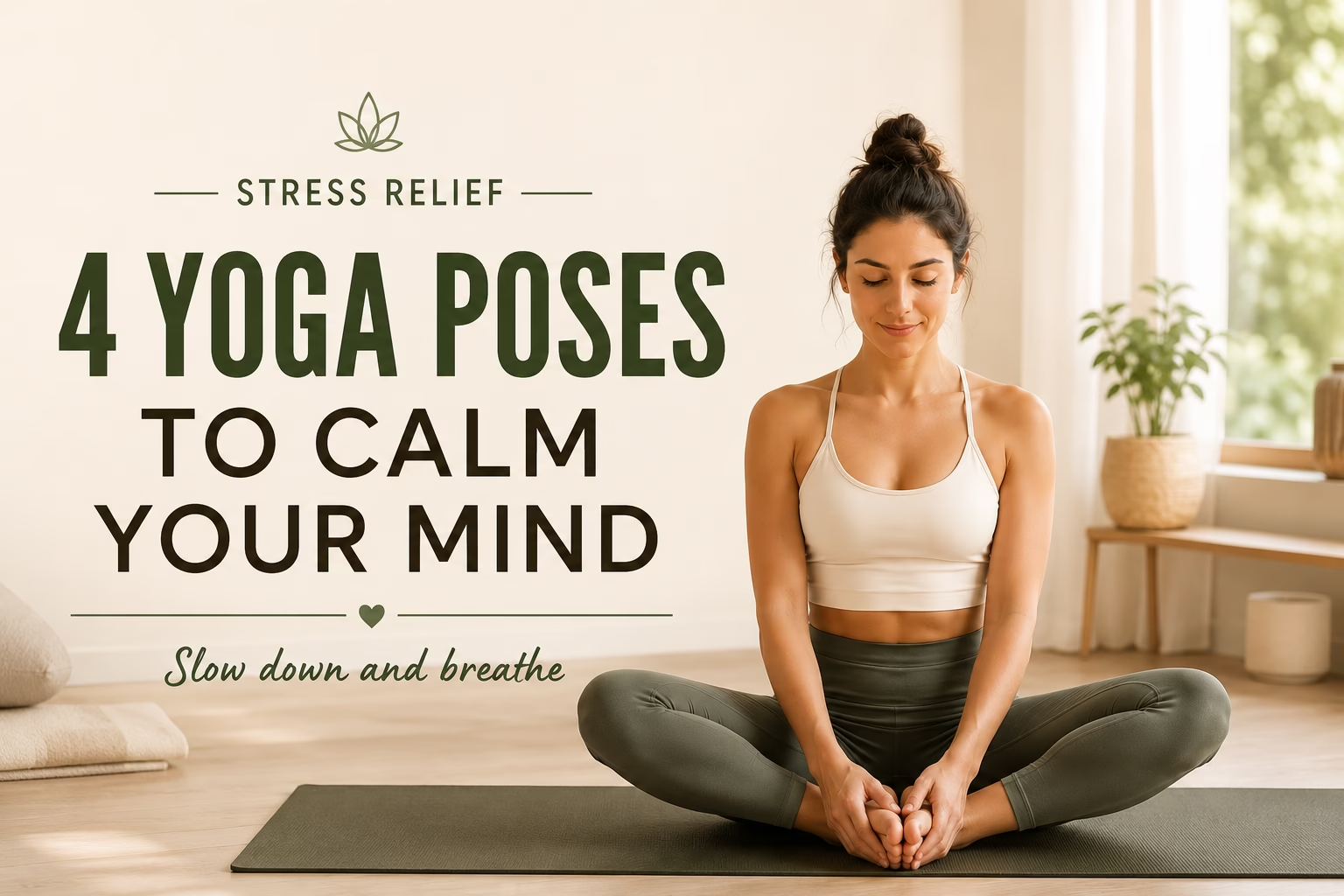
Yoga for Stress Relief: 4 Simple Poses to Calm Your Mind
Some days, stress arrives quietly.
It starts with a busy morning, a growing to-do list, unanswered messages, deadlines, responsibilities, and thoughts that refuse to slow down. Before you realize it, your shoulders feel heavy, your breathing becomes shallow, and even small things begin to feel overwhelming.
Modern life rarely gives us permission to pause.
We move from one task to another while carrying invisible tension in our bodies. The mind keeps racing long after the day ends. And eventually, we stop noticing how exhausted we truly are.
But your body notices.
Stress settles into your neck, lower back, jaw, chest, and even your sleep. It drains your energy, affects your mood, and leaves you feeling disconnected from yourself.
This is exactly why so many people turn to yoga for stress relief.

Not because yoga magically removes problems, but because it helps you reconnect with calmness in the middle of chaos.
Yoga is one of the simplest and most natural ways to relax both the mind and body. Through slow movement, mindful breathing, and gentle stretching, yoga teaches your nervous system how to slow down again.
And the beautiful part?
You don’t need to be flexible.
You don’t need expensive equipment.
You don’t even need experience.
You simply need a few quiet minutes and the willingness to breathe.
If you’ve been searching for:
- Yoga for stress relief
- Beginner yoga poses for anxiety
- Easy yoga stretches to relax
- Calming yoga exercises at home
- Gentle yoga for mental wellness
…these poses are a wonderful place to begin.
As the saying goes:
“Almost everything will work again if you unplug it for a few minutes — including you.”
Let’s slow things down together.
Why Yoga Helps With Stress and Anxiety
When you’re stressed, your body reacts as if it’s under threat. Your muscles tighten, your heart rate increases, and your thoughts become louder and faster.
The problem is that many of us stay in this state for hours — sometimes even years.
Yoga interrupts that cycle.
Through deep breathing and mindful movement, yoga activates the body’s relaxation response. It signals to your brain that you are safe, grounded, and allowed to relax.
This is why many people notice that after yoga they:
- Feel mentally lighter
- Sleep more peacefully
- Experience less tension in their shoulders and back
- Feel calmer emotionally
- Think more clearly
- Have better focus and patience
Sometimes stress doesn’t disappear because life becomes easier.
Sometimes it disappears because your body finally feels supported.
1. Mountain Pose (Tadasana)
At first glance, Mountain Pose may seem almost too simple to matter.
But in reality, this pose teaches one of the most powerful lessons in yoga: how to stand still without feeling restless.
In a world constantly demanding your attention, learning to pause is healing.
How to Do It
- Stand upright with your feet together or hip-width apart
- Press your feet evenly into the floor
- Relax your knees without locking them
- Gently engage your core
- Roll your shoulders back and down
- Let your arms rest naturally by your sides
- Turn your palms slightly forward
- Close your eyes if comfortable
- Take 5–10 slow, deep breaths
Why This Pose Feels So Calming
Mountain Pose improves posture while helping you feel emotionally grounded. It encourages slow breathing and body awareness, which can instantly calm an anxious mind.
This pose reminds you that peace does not always come from escaping life.
Sometimes it comes from learning how to stand calmly within it.
2. Cobra Pose
Stress has a physical shape.
It curls the shoulders forward.
It tightens the chest.
It makes us feel emotionally closed off.
Cobra Pose gently opens the front of the body and creates space where tension often lives.
How to Do It
- Lie on your stomach with your legs extended behind you
- Place your palms directly beneath your shoulders
- Spread your fingers wide
- Keep your pelvis grounded on the mat
- Press gently into your hands as you lift your chest
- Draw your shoulder blades together softly
- Relax your shoulders away from your ears
- Lift only as high as feels comfortable
- Hold for several slow breaths
Why This Pose Helps Relieve Stress
Cobra Pose stretches the chest, shoulders, and abdomen while encouraging fuller breathing. Many people feel emotionally lighter after this pose because it counters the collapsed posture stress often creates.
It’s especially helpful after spending long hours sitting, working, scrolling, or carrying emotional tension throughout the day.
Sometimes the body needs openness before the mind can relax.
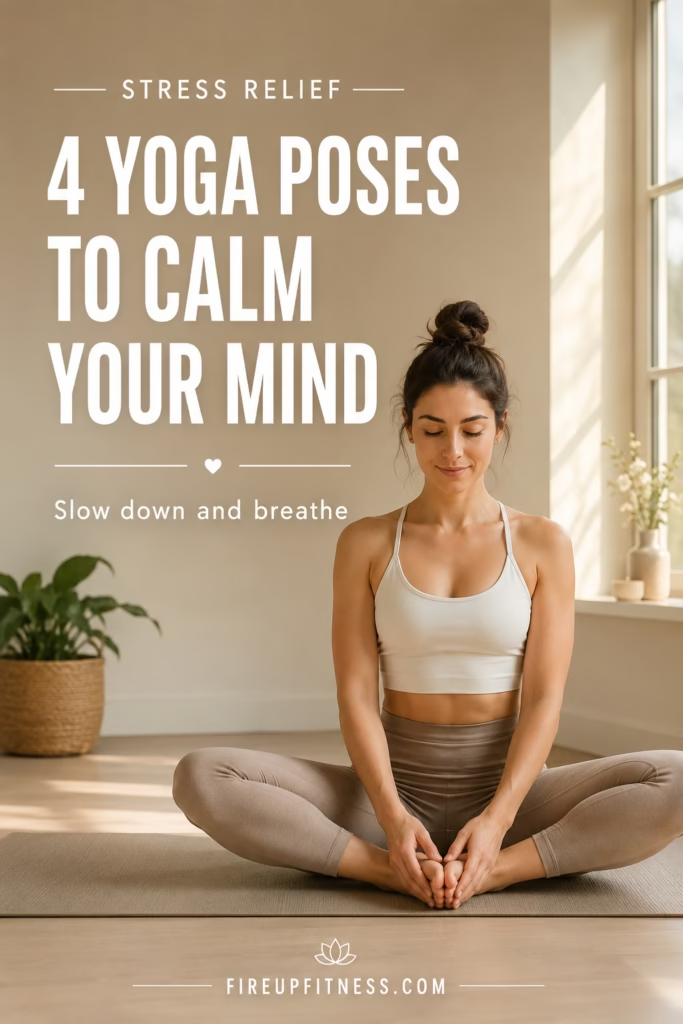
3. Butterfly Pose
Butterfly Pose feels soft, grounding, and deeply comforting.
It invites you to slow down instead of constantly pushing yourself forward.
For many people, stress settles heavily into the hips and lower back without them even realizing it. This pose gently releases that stored tension.
How to Do It
- Sit comfortably on the floor
- Bring the soles of your feet together
- Allow your knees to fall outward naturally
- Hold your feet or ankles gently
- Sit tall and lengthen your spine
- Slowly lean forward only as far as feels comfortable
- Relax your jaw and shoulders
- Breathe deeply for 5–10 breaths
Why This Pose Feels Therapeutic
Butterfly Pose encourages relaxation instead of force. It softens tight hips, calms the nervous system, and creates a feeling of emotional release.
And honestly, sometimes your body just needs permission to stop holding everything so tightly.
4. Forward Fold
There’s something deeply soothing about Forward Fold.
Maybe it’s the stillness.
Maybe it’s the way the spine lengthens.
Or maybe it’s the simple feeling of finally letting go.
This pose is especially comforting after a mentally exhausting day.
How to Do It
- Stand upright with your feet hip-width apart
- Slowly fold forward from your hips
- Reach toward your toes, ankles, or shins
- Let your head and neck relax completely
- Keep a slight bend in your knees if needed
- Breathe slowly and deeply
- Stay here for 5–10 breaths
Why This Pose Relieves Anxiety
Forward Fold stretches the spine, hamstrings, neck, and shoulders while helping quiet mental chatter.
Allowing the head to hang below the heart can feel incredibly calming for an overstimulated nervous system.
It’s one of those poses that makes you feel like you can finally exhale fully.
How to Create a Relaxing Yoga Routine at Home
You don’t need a perfect morning routine or a fancy yoga studio to feel the benefits of yoga.
Even 10 quiet minutes can completely change the direction of your day.
Here are a few simple ways to make your practice more calming:
- Practice in a quiet room with minimal distractions
- Turn off notifications for a little while
- Use soft lighting or natural sunlight
- Focus on breathing slowly instead of “doing it perfectly”
- Move gently and without pressure
- Wear comfortable clothing
- Allow yourself to rest between poses
Most importantly, let yoga become a moment where you stop demanding so much from yourself.
Yoga Is Not About Perfection
One of the biggest reasons people avoid yoga is because they think they’re “not flexible enough.”
But yoga was never about being flexible.
It’s about learning to listen to your body instead of fighting against it.
Some days your stretches will feel deeper.
Some days your mind will wander constantly.
Some days you may only manage five quiet breaths.
That still counts.
Healing is not built through perfection.
It’s built through consistency, patience, and self-kindness.
A Gentle Reminder for Stressful Days
You are allowed to slow down.
You are allowed to rest without feeling guilty.
You are allowed to care for your mind just as much as your responsibilities.
The world will always ask for more from you.
Yoga teaches you how to return to yourself before burnout takes over.
And sometimes, the most productive thing you can do is pause long enough to breathe deeply again.
Final Thoughts
Stress may be unavoidable, but staying trapped in stress doesn’t have to be.
These simple yoga poses can help relax your body, calm anxious thoughts, improve breathing, and bring a little peace back into your day.
Start slowly.
Move gently.
Breathe deeply.
Your body has been carrying you through every difficult moment of your life.
It deserves care too.