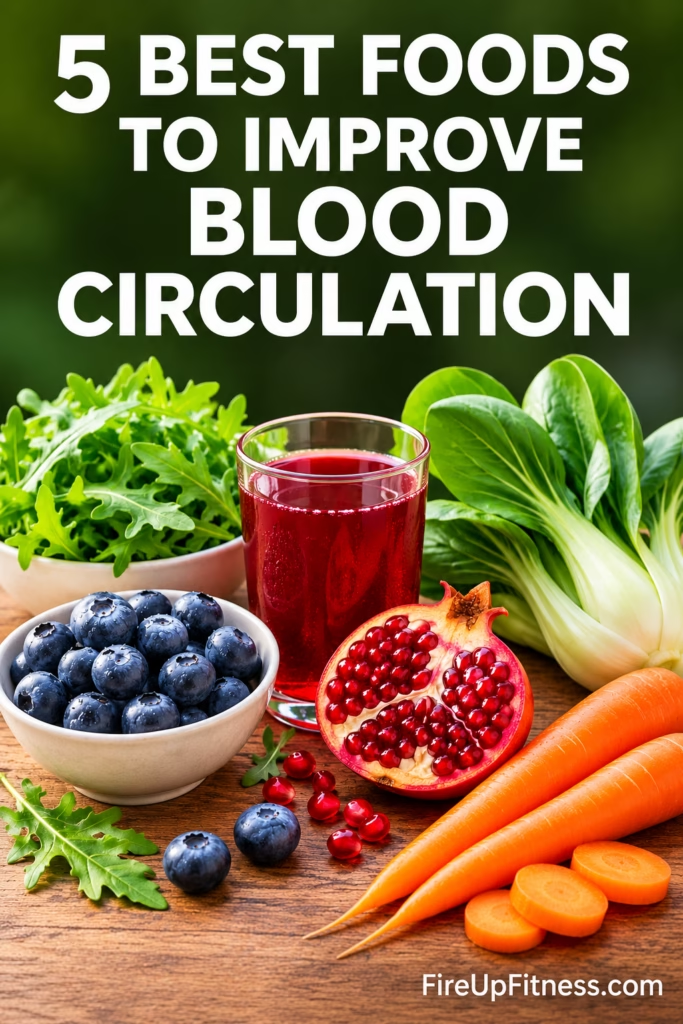
5 Foods That Boost Blood Circulation
Good blood circulation plays an important role in keeping your body healthy, energized, and functioning properly. Every heartbeat sends oxygen-rich blood throughout your body, delivering essential nutrients to your brain, muscles, heart, and other organs.
When circulation is working efficiently, your body can support healthy muscle function, brain performance, and everyday activities. However, poor circulation may contribute to symptoms such as cold hands and feet, numbness, or discomfort.
The good news is that your daily diet can help support healthy blood vessels and cardiovascular function. Certain foods contain natural nitrates, antioxidants, vitamins, and other nutrients that help maintain healthy blood flow.
Here are five of the best foods to improve blood circulation naturally, along with simple ways to include them in your meals.
1. Arugula: A Leafy Green That Supports Healthy Blood Flow
Arugula, also known as rocket, is a peppery leafy green that deserves a place in a heart-healthy diet.
One of its most interesting nutritional benefits is its naturally occurring nitrate content. Dietary nitrates can be converted into nitric oxide, a molecule that helps blood vessels relax and widen, allowing blood to flow more easily.
Why arugula is good for circulation:
- Provides dietary nitrates that support nitric oxide production.
- Contains vitamin K, folate, and beneficial plant compounds.
- Supplies antioxidants that help protect cells from oxidative stress.
- Makes a nutritious addition to a balanced, heart-healthy diet.
Easy ways to eat more arugula
Add a handful of fresh arugula to your favorite salad, sandwich, or grain bowl. You can also toss it with olive oil, lemon juice, and cherry tomatoes for a quick side dish.
For a simple lunch, combine arugula with grilled chicken, avocado, and quinoa.
Healthy eating tip: Eating nitrate-rich vegetables regularly may help support blood vessel function as part of an overall nutritious diet.
2. Blueberries: Antioxidant-Rich Berries for Heart Health
Blueberries are small, sweet, and packed with beneficial plant compounds that make them an excellent choice for cardiovascular wellness.
They are especially rich in anthocyanins, the natural pigments responsible for their deep blue color.
Anthocyanins have antioxidant and anti-inflammatory properties that may help support healthy blood vessel function.
Oxidative stress can damage cells, including those lining your blood vessels. Over time, this damage may contribute to cardiovascular problems.
Including antioxidant-rich foods such as blueberries in your diet can help support your body’s natural protective systems.
Benefits of blueberries for circulation:
- Provide anthocyanins that may support endothelial function, which helps regulate blood vessel relaxation.
- Contain antioxidants that help protect cells against oxidative damage.
- Supply fiber and vitamin C.
- May contribute to healthy blood pressure as part of a balanced diet.
Easy ways to enjoy blueberries
Blueberries are convenient because they require very little preparation.
Add them to oatmeal, Greek yogurt, or a morning smoothie. You can also enjoy a handful of fresh or frozen blueberries as an afternoon snack.
For a filling breakfast, try overnight oats with blueberries, chia seeds, and plain yogurt.
Healthy eating tip: Choose whole blueberries more often than blueberry juice to benefit from their natural fiber.
3. Pomegranate Juice: A Refreshing Drink for Blood Vessel Health
Pomegranates are known for their vibrant red seeds and naturally occurring polyphenols.
These plant compounds have antioxidant properties that may help protect blood vessels from oxidative stress.
Some research suggests that pomegranate juice may support healthy blood pressure and vascular function, although evidence for directly improving circulation remains limited.
Pomegranate also contains compounds that may help preserve nitric oxide activity, which plays a role in maintaining normal blood vessel relaxation.
Why pomegranate may support healthy circulation:
- Contains polyphenols with antioxidant properties.
- May support healthy endothelial function.
- Could contribute to healthy blood pressure.
- Provides potassium and other beneficial nutrients.
How to add pomegranate to your diet
Enjoy a small glass of 100% unsweetened pomegranate juice with breakfast or lunch.
You can also sprinkle fresh pomegranate seeds over salads, oatmeal, or yogurt.
Whole pomegranate seeds provide fiber, making them a useful alternative to juice.
Healthy eating tip: Choose pomegranate juice without added sugar and keep portions moderate. People taking blood pressure medication or certain other medications should check with their healthcare professional about potential interactions.
4. Carrots: A Crunchy Vegetable for Cardiovascular Wellness
Carrots are often associated with eye health, but they also contain nutrients that support your heart and blood vessels.
These colorful root vegetables provide beta-carotene, an antioxidant that your body converts into vitamin A.
Carrots also contain potassium, fiber, and other plant compounds that contribute to a nutritious eating pattern.
Unlike nitrate-rich leafy greens, carrots are not generally considered a major dietary source of nitric oxide. Their potential cardiovascular benefits come primarily from their overall nutritional composition.
Why carrots are a healthy choice:
- Provide antioxidants that help protect cells from oxidative stress.
- Contain potassium, which supports normal blood pressure regulation.
- Supply dietary fiber that contributes to healthy cholesterol levels.
- Offer nutrients that support overall cardiovascular wellness.
Simple ways to eat more carrots
Enjoy raw carrot sticks with hummus, add shredded carrots to salads, or roast them with olive oil and herbs.
Carrots also work well in homemade soups, vegetable stir-fries, and grain bowls.
For a quick snack, pair sliced carrots with a yogurt-based dip.
Healthy eating tip: Eating carrots with a little healthy fat, such as olive oil or avocado, can help your body absorb beta-carotene.
5. Bok Choy: A Nutrient-Dense Vegetable for Healthy Circulation
Bok choy is a leafy green vegetable commonly used in Asian-inspired cooking.
It belongs to the cruciferous vegetable family, alongside broccoli, cabbage, and kale.
Bok choy contains vitamins, minerals, antioxidants, and varying amounts of dietary nitrates that can contribute to a circulation-supporting diet.
It is also naturally low in calories, making it an easy vegetable to include in balanced meals.
Benefits of bok choy:
- Provides vitamin C and other antioxidants.
- Contains potassium, which helps support healthy blood pressure.
- Supplies dietary fiber for digestive and cardiovascular health.
- Contributes beneficial plant compounds that support overall wellness.
Easy ways to prepare bok choy
Bok choy cooks quickly and pairs well with many everyday ingredients.
Try lightly sautéing it with garlic, ginger, and olive oil. You can also add chopped bok choy to vegetable soups, noodle dishes, or stir-fries.
For a simple dinner, serve steamed bok choy alongside baked salmon and brown rice.
Healthy eating tip: Lightly steaming or stir-frying bok choy can preserve its appealing texture while making it easy to enjoy.
Other Everyday Habits That Support Healthy Blood Circulation
Eating nutritious foods is an important part of cardiovascular health, but your daily habits matter too.
A few practical lifestyle changes can help support healthy blood flow throughout your body.
- Walk regularly. Walking activates your leg muscles and helps support circulation, especially after sitting for long periods.
- Stay adequately hydrated. Drinking enough water helps maintain normal blood volume and overall body function.
- Move throughout the day. Take short movement breaks when working at a desk or sitting for extended periods.
- Exercise consistently. Activities such as cycling, swimming, and strength training support cardiovascular fitness.
- Limit smoking and tobacco exposure. Smoking damages blood vessels and increases cardiovascular risk.
- Prioritize quality sleep. Consistent, restorative sleep supports heart health and healthy blood pressure regulation.
Small, sustainable habits can make a meaningful difference to your long-term cardiovascular wellness.
Frequently Asked Questions About Foods for Blood Circulation
What foods are good for blood circulation?
Leafy greens such as arugula, antioxidant-rich berries, pomegranates, carrots, and bok choy are nutritious choices. Other heart-healthy foods include beets, citrus fruits, nuts, seeds, and oily fish.
Can foods naturally improve blood flow?
Certain foods contain dietary nitrates, polyphenols, and other compounds that may support blood vessel function. However, no single food can treat blocked arteries or cure poor circulation.
Which fruits support healthy blood vessels?
Blueberries, strawberries, oranges, and pomegranates contain antioxidants and other nutrients associated with cardiovascular health.
How long does it take to improve circulation through diet?
Some dietary nitrates can temporarily affect blood vessel function within hours, but lasting cardiovascular benefits depend on consistent eating habits, physical activity, and overall health. There is no guaranteed timeline for improving circulation through diet alone.
What are common signs of poor circulation?
Possible symptoms include cold hands or feet, numbness, tingling, leg discomfort when walking, and slow-healing wounds. These symptoms can have several causes, so persistent problems should be evaluated by a healthcare professional. Sudden severe limb pain, unusual coldness, or color changes require urgent medical attention.
Final Thoughts: Nourish Your Body for Better Circulation
Supporting healthy blood circulation doesn’t require a complicated eating plan. Simple foods such as arugula, blueberries, pomegranates, carrots, and bok choy can provide valuable nutrients that help maintain healthy blood vessels and cardiovascular function.
Try adding one or two of these foods to your weekly meals, then gradually build more variety into your diet.
Remember, the greatest benefits come from your overall eating pattern rather than any individual ingredient. Pair nutritious meals with regular movement, sufficient sleep, and other heart-healthy habits.
A healthier circulation-supporting routine begins with the small choices you make every day.