6-Day Healthy Eating Plan for a Healthy Waistline
A healthier waistline doesn’t have to begin with skipping meals, drinking nothing but smoothies, or following a complicated diet. Sometimes, the simplest approach is to plan your meals, choose nourishing foods, and stay consistent with everyday habits.
Many women want to know how to improve their stomach area, especially when changes in their bodies become more noticeable with age. While quick fixes often promise dramatic results in just one week, building a healthy body takes more than a few days of restrictive eating.
The good news? You can use six days to create a refreshing routine that supports your metabolism, digestion, energy levels, and overall well-being.
This 6-day healthy eating plan focuses on balanced meals, fruits, vegetables, lean proteins, whole grains, and enjoyable physical activity. It’s designed to help you develop better eating habits without feeling deprived.
And on Sunday? Take a break from structured meal planning, enjoy your favorite nourishing foods, and prepare for another healthy week.
Understanding Belly Fat and Why Healthy Habits Matter
Before starting any eating plan, it helps to understand how your body stores fat.
There are two main types of belly fat:
- Subcutaneous fat: The fat located just beneath your skin. It provides cushioning and helps protect your body.
- Visceral fat: Fat stored deeper in your abdomen around internal organs. Excess visceral fat is associated with increased health risks.
Genetics, hormones, age, sleep, stress, and daily activity can all influence body composition.
Although some diets promise to help you lose 10 pounds in a week, rapid changes on the scale often reflect water and glycogen fluctuations rather than lasting changes in body fat.
You also cannot choose exactly where your body loses fat. Instead, focus on habits that support a healthy weight, stronger muscles, and long-term wellness.
Day 1: Start Fresh With Fruits and Vegetables
The first day is about keeping things simple and giving your body the nutrients it needs.
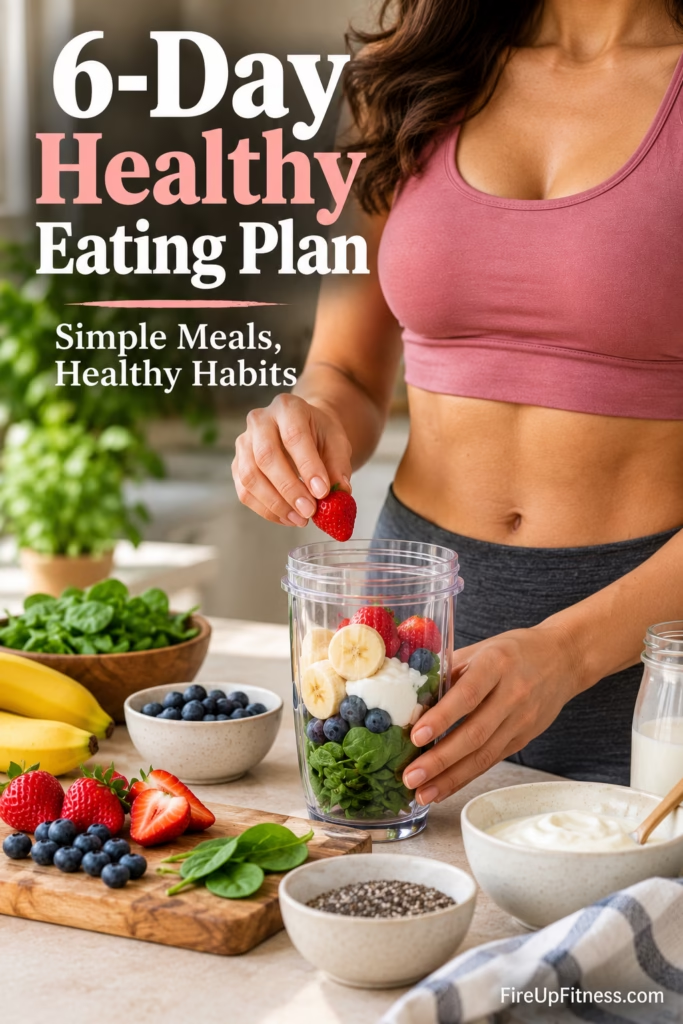
Breakfast: Berry and banana smoothie
Blend together:
- 1 cup unsweetened almond milk or low-fat milk
- ½ cup mixed berries
- ½ banana
- ½ cup plain Greek yogurt
- 1 tablespoon chopped walnuts or chia seeds
This combination provides fiber, protein, and healthy fats to help you feel satisfied throughout the morning.
Lunch: Homemade vegetable soup
Prepare a comforting bowl of vegetable soup using carrots, spinach, zucchini, tomatoes, celery, and low-sodium vegetable broth.
Add lentils, chickpeas, or beans for extra protein and fiber.
Dinner: Grilled chicken or tofu with vegetables
Enjoy grilled chicken or tofu with steamed broccoli, roasted sweet potatoes, and a drizzle of olive oil.
Healthy habit for Day 1: Drink water regularly and take a comfortable 20-minute walk after one of your meals.
Day 2: Add More Color to Your Plate
Eating a variety of colorful foods helps provide vitamins, minerals, antioxidants, and fiber.
Breakfast: Tropical fruit smoothie
Blend pineapple, mango, spinach, plain Greek yogurt, and unsweetened milk into a refreshing breakfast smoothie.
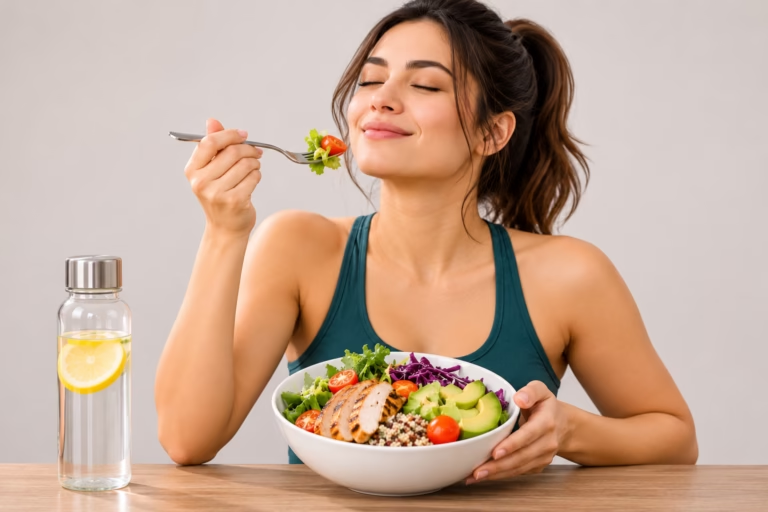
Lunch: Crunchy vegetable salad
Combine:
- Mixed leafy greens
- Cucumber and cherry tomatoes
- Shredded carrots
- Chickpeas
- Avocado
- Olive oil and lemon dressing
Dinner: Quinoa and roasted vegetables
Serve cooked quinoa with roasted bell peppers, zucchini, broccoli, and a portion of baked salmon or seasoned tofu.
For a snack, enjoy sliced apples with peanut butter or a small bowl of yogurt.
Healthy habit for Day 2: Replace one sugary beverage with water, unsweetened tea, or sparkling water with fresh lemon.
Day 3: Focus on Fiber and Digestive Health
Fiber supports digestive regularity, helps maintain healthy cholesterol levels, and contributes to feelings of fullness.
Breakfast: Whole-grain tomato sandwich
Toast two slices of whole-grain bread and top with sliced tomatoes, fresh basil, black pepper, and a little olive oil.
Add a boiled egg or cottage cheese for extra protein.
Lunch: Hearty potato and vegetable salad
Combine boiled potatoes, spinach, cucumbers, cherry tomatoes, and white beans with a light lemon dressing.
Dinner: Fish and vegetable soup
Prepare a warm bowl of soup with fish, carrots, celery, spinach, and herbs. Serve with a small portion of brown rice or whole-grain bread.
Healthy habit for Day 3: Take a 10–15-minute walk after dinner to support your daily movement routine.
Day 4: Choose Simple, Nourishing Meals
Healthy eating doesn’t require expensive ingredients or complicated recipes.
Breakfast: Apple and orange yogurt bowl
Combine plain Greek yogurt, diced apples, orange segments, oats, and a sprinkle of cinnamon.
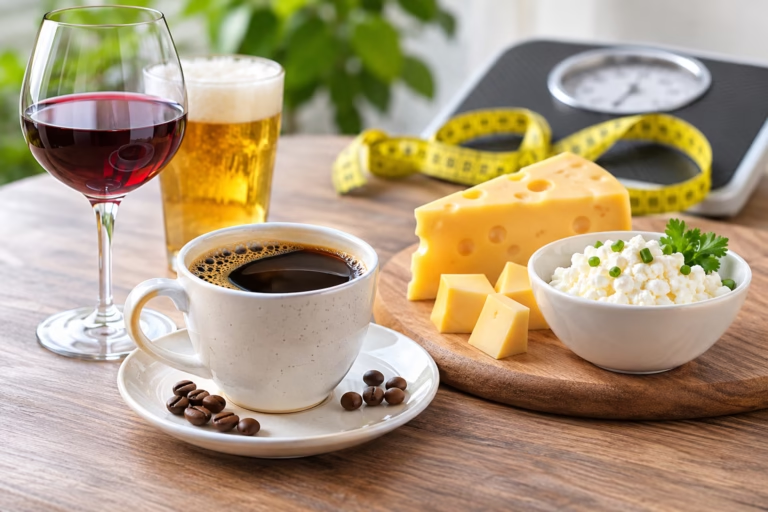
Enjoy black coffee or unsweetened tea alongside your meal, if desired.
Lunch: Fresh fruit and protein salad
Prepare a colorful salad with spinach, strawberries, orange slices, walnuts, and grilled chicken or chickpeas.
Add a simple olive oil dressing.
Dinner: Mediterranean tomato salad
Combine tomatoes, cucumber, fresh basil, mint, olive oil, and a little lemon juice.
Serve with grilled fish, tofu, or beans and a portion of whole-grain pita bread.
Healthy habit for Day 4: Eat slowly, enjoy your food, and pay attention to your body’s hunger and fullness signals.
Day 5: Build a Routine You Can Repeat
By the fifth day, you may notice that planning meals feels easier and your food choices are becoming more intentional.
Rather than constantly searching for new recipes, repeat meals you’ve enjoyed.
Breakfast: Protein-rich smoothie
Blend berries, spinach, Greek yogurt, unsweetened milk, and chia seeds.
Lunch: Leftover vegetable and lentil soup
Enjoy a bowl of homemade soup with a slice of whole-grain toast.
Dinner: Chicken or tofu rice bowl
Combine brown rice, grilled chicken or tofu, roasted vegetables, and a light yogurt-based dressing.
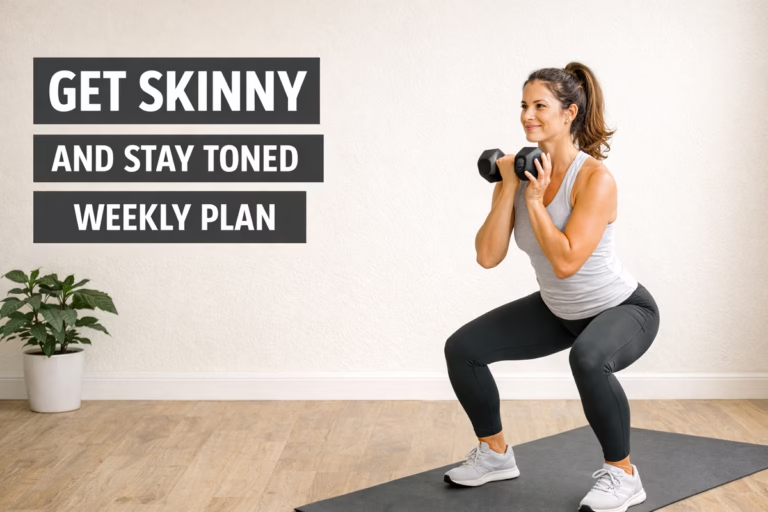
Healthy habit for Day 5: Try 20 minutes of beginner-friendly strength exercises, such as squats, wall push-ups, and glute bridges.
Strength training helps maintain muscle mass, which becomes increasingly important for healthy aging.
Day 6: Enjoy Balanced Meals Without Strict Rules
The final day is about flexibility.
You don’t need to eliminate rice, beans, potatoes, or other carbohydrate-rich foods to eat well. These foods can be part of a balanced diet.
Breakfast: Eggs and whole-grain toast
Prepare scrambled eggs with spinach and tomatoes. Serve with whole-grain toast and fresh fruit.
Lunch: Rice and bean bowl
Combine brown rice, black beans, lettuce, tomatoes, avocado, and fresh lime juice.
Dinner: Homemade vegetable stir-fry
Stir-fry broccoli, carrots, mushrooms, and bell peppers with tofu or chicken.
Serve over rice or whole-grain noodles.
Healthy habit for Day 6: Choose an activity you genuinely enjoy, such as cycling, swimming, hiking, dancing, or walking outdoors.
Day 7: Rest, Recharge, and Prepare for the Week
Sunday doesn’t need to be a day of strict rules or a reward for following a meal plan.
Instead, use it to recharge.
Enjoy balanced meals, spend time with family, and prepare a few ingredients for the coming week.
You might wash vegetables, cook a batch of brown rice, prepare homemade soup, or portion out healthy snacks.
Remember, rest and recovery are important parts of a healthy lifestyle.
Simple 6-Day Healthy Eating Plan at a Glance
| Day | Breakfast | Lunch | Dinner |
|---|---|---|---|
| 1 | Berry banana smoothie | Vegetable lentil soup | Chicken or tofu with vegetables |
| 2 | Tropical smoothie | Chickpea salad | Quinoa and roasted vegetables |
| 3 | Tomato sandwich | Potato and bean salad | Fish and vegetable soup |
| 4 | Fruit yogurt bowl | Fruit and protein salad | Mediterranean tomato salad with protein |
| 5 | Protein smoothie | Lentil soup | Chicken or tofu rice bowl |
| 6 | Eggs and toast | Rice and beans | Vegetable stir-fry |
This is a flexible meal-planning example, not a personalized calorie-controlled diet. Adjust portions and meals to your nutritional needs, activity level, and preferences.
5 Simple Habits That Support a Healthy Waistline
A six-day meal plan can help you get organized, but lasting improvements come from everyday choices.
1. Include protein in every meal
Protein supports muscle maintenance and helps keep meals satisfying. Good sources include eggs, yogurt, fish, beans, lentils, chicken, and tofu.
2. Eat more fiber-rich foods
Vegetables, fruits, oats, beans, and whole grains support digestive health and provide essential nutrients.
3. Move your body every day
Walking, swimming, gardening, cycling, and strength training all count toward a more active lifestyle.
Aim to gradually build toward 150 minutes of moderate physical activity each week, along with muscle-strengthening exercises at least twice weekly.
4. Prioritize sleep and stress management
Poor sleep and ongoing stress can influence appetite, energy, and eating habits.
Try maintaining a consistent bedtime, practicing gentle stretching, and taking short breaks during busy days.
5. Stay consistent without being restrictive
One meal won’t determine your health, and missing a workout doesn’t erase your progress.
Focus on building habits you can comfortably maintain rather than chasing rapid results.
Can You Really Change Your Belly in Just One Week?
You may notice changes in digestion, bloating, or energy after improving your eating habits, but substantial body-fat changes generally take longer.
Promises to lose belly fat fast in a week or drop 10 pounds through restrictive eating are not realistic or appropriate goals for most people.
Instead of judging success by a number on the scale, pay attention to how you feel.
Are you more energetic? Are your meals more balanced? Are you moving more comfortably? Are you developing habits you can repeat?
These are meaningful signs of progress.
Final Thoughts: Six Days to Build Better Habits
Improving your eating habits doesn’t have to mean giving up your favorite foods or following an exhausting diet.
This six-day healthy eating plan gives you a simple starting point with nourishing meals, colorful vegetables, satisfying proteins, and everyday movement.
Start with one day, repeat the meals you enjoy, and make small adjustments that fit your lifestyle.
The goal isn’t to change your body overnight. It’s to build a healthier routine that helps you feel stronger, more energetic, and confident in the long run.