Cardio Workouts for Women to Build Stamina After 40
Have you ever climbed a flight of stairs and wondered why you’re breathing harder than you used to? Or noticed that a short walk leaves you wanting to sit down and rest?
It’s frustrating when everyday activities start feeling more demanding. Maybe you want to enjoy longer walks, keep up with your family, or simply move through your day without getting winded so quickly.
The good news? You can improve your stamina at any age, and you don’t need exhausting workouts to get started.
Building endurance is about gradually teaching your heart, lungs, and muscles to handle activity more comfortably. Simple exercises like walking, gentle intervals, and strength training can make a meaningful difference over time.
Here are three beginner-friendly workouts to help you build stamina after 40, plus an easy weekly plan to get started.
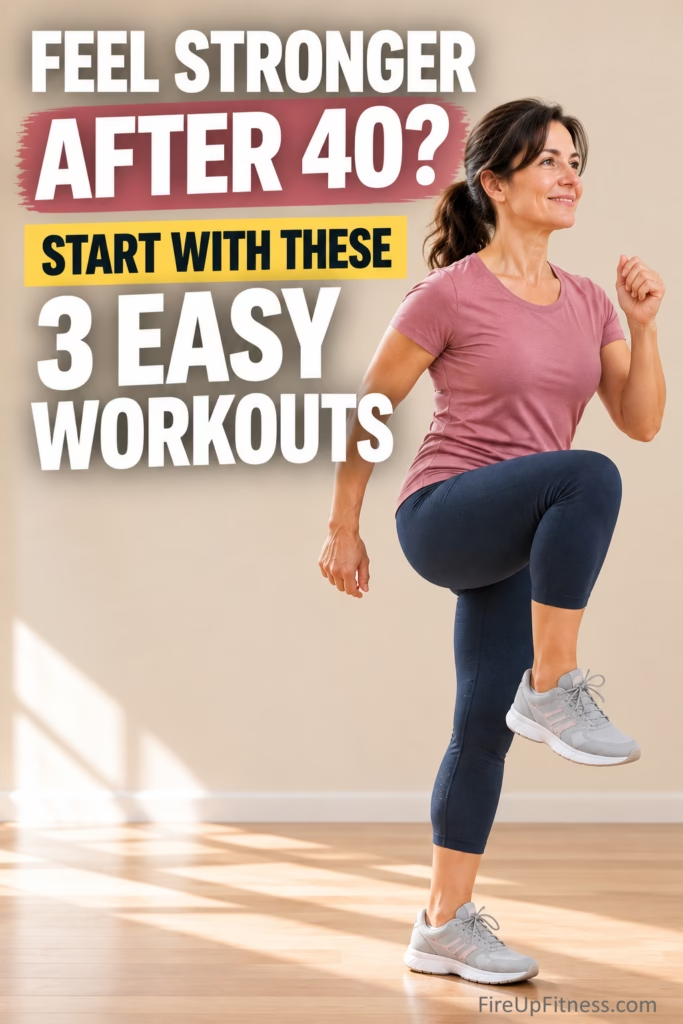
Why Does Your Stamina Seem Lower After 40?
Remember when you could walk for hours, run up the stairs, or spend an entire afternoon doing chores without thinking much about your energy?
As we get older, changes in muscle mass, physical activity, and cardiovascular fitness can affect how easily we handle everyday movement.
But age isn’t the only reason your stamina might decline.
Spending long hours sitting, skipping regular exercise, poor sleep, and not giving your body enough recovery time can all play a role.
The encouraging part is that your body can adapt to regular movement, even when you haven’t exercised consistently in years.
You don’t need to start running or sign up for intense fitness classes. A few manageable workouts each week can help you gradually improve your endurance.
However, new, persistent, or unexplained fatigue or breathlessness shouldn’t automatically be blamed on aging or inactivity. Speak with a healthcare professional if these symptoms are unusual for you.
1. Brisk Walking: The Simplest Way to Start Building Stamina
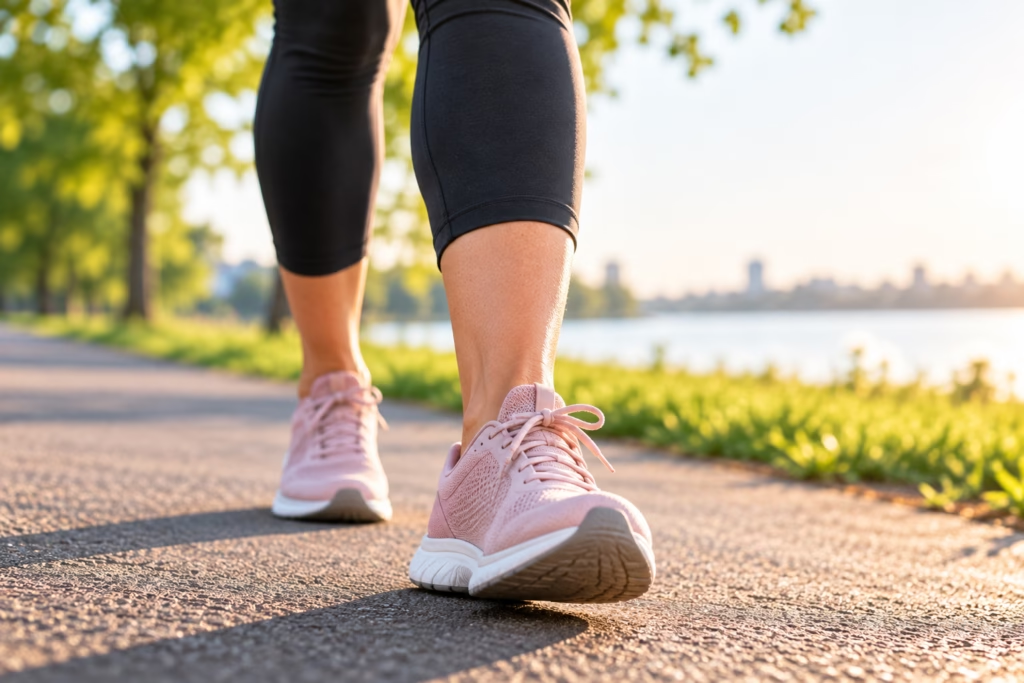
BEGINNER-FRIENDLY CARDIO
Walking might seem too simple to make much of a difference, but it’s one of the most practical exercises for improving cardiovascular endurance.
It gets your heart pumping, activates your leg muscles, and helps your body become more comfortable with sustained movement.
And unlike complicated workout routines, walking fits easily into everyday life.
You can walk around your neighborhood, use a treadmill, or even march around your living room when the weather isn’t cooperating.
Try This 20-Minute Walking Workout
Minutes 1–5: Start slowly
Walk at a comfortable pace. Let your arms swing naturally and give your body time to warm up.
Minutes 6–15: Pick up your pace
Increase your speed until you’re breathing a little faster but can still speak in complete sentences.
You should feel like you’re exercising without struggling to catch your breath.
Minutes 16–20: Slow down
Gradually return to a comfortable pace and allow your breathing to settle.
How to Make Walking More Effective
Once 20 minutes starts feeling easier, try adding five minutes to your walk or slightly increasing your pace.
You can also choose a route with a gentle incline to challenge your legs and cardiovascular system.
After 40 tip: You don’t need to walk fast every day. Alternating comfortable walks with slightly brisker sessions can help you build endurance while allowing time for recovery.
And on busy days, remember that two 10-minute walks still contribute to your daily physical activity.
2. Gentle Interval Cardio: Train Your Body to Handle More Activity
LOW-IMPACT ENDURANCE WORKOUT
Do you find yourself slowing down halfway through a walk because your legs feel tired or your breathing gets heavier?
Gentle interval training may help.
Instead of moving at the same speed throughout your workout, you’ll alternate between short periods of faster movement and slower recovery.
This allows you to challenge your endurance without maintaining a demanding pace for the entire session.
And there’s no need to sprint, jump, or do burpees.
Try This 15-Minute Beginner Interval Workout
Start with three minutes of easy marching or walking to warm up.
Then repeat this four times:
- 1 minute of brisk marching or walking
- 1 minute of slower movement to recover
Finish with four minutes of comfortable walking and gradually slow your pace.
That’s a complete 15-minute session.
Other Low-Impact Interval Exercises to Try
You can also create intervals using:
- Stationary cycling
- Side steps
- Low-impact dancing
- Walking on a treadmill
- Gentle step-ups on a low, stable platform
Choose one activity that feels comfortable for your joints.
As your endurance improves, you can extend the brisk intervals or shorten the recovery periods slightly.
The goal isn’t to finish completely exhausted. You should feel challenged but still in control of your breathing and movements.
Beginner tip: Start with one or two interval sessions per week, leaving time for easier activity and recovery between workouts.
3. Strength Training: Make Everyday Movements Feel Easier
FULL-BODY HOME WORKOUT
When people think about improving stamina, they usually picture walking, cycling, or running.
But strength training deserves a place in your routine, too.
Think about how often you use your muscles throughout the day.
Standing up from a chair, carrying groceries, climbing stairs, cleaning your home, and lifting laundry baskets all require strength.
When your muscles become stronger, many everyday tasks may require less effort.
Try these five simple exercises at home.
Exercise 1: Chair Squats
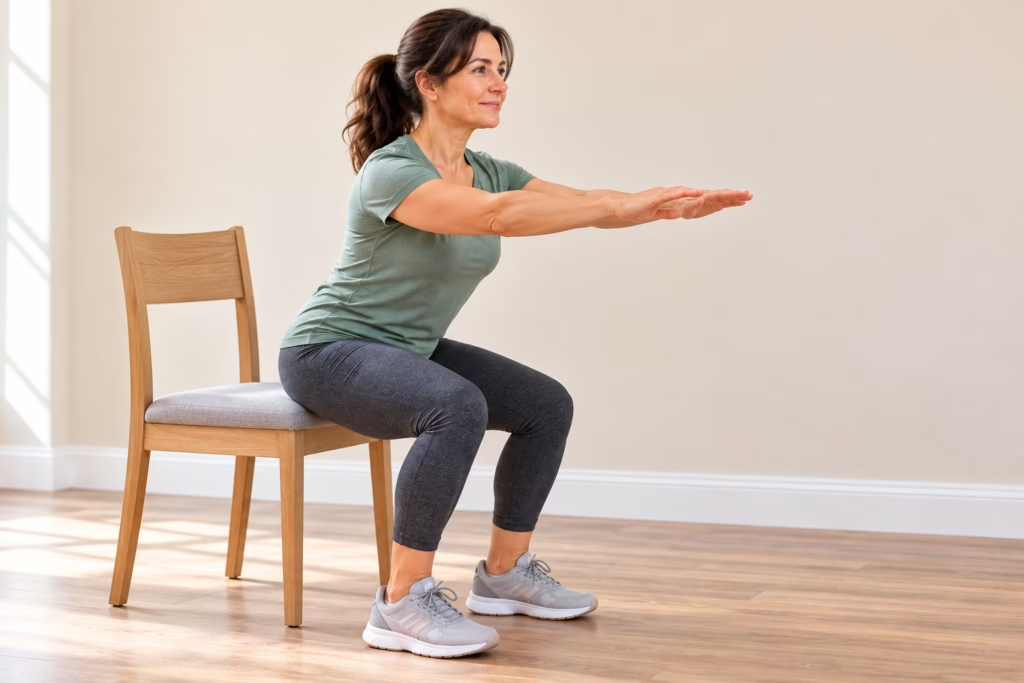
Chair squats strengthen your thighs and glutes while helping you practice standing up and sitting down with control.
How to do it:
- Stand in front of a sturdy chair with your feet hip-width apart.
- Keep your chest lifted and bend your knees.
- Slowly lower your hips toward the chair.
- Lightly touch the seat or sit down.
- Press through your feet to stand again.
Repetitions: 8–12
If balance is a concern, use a stable support nearby.
Exercise 2: Wall Push-Ups
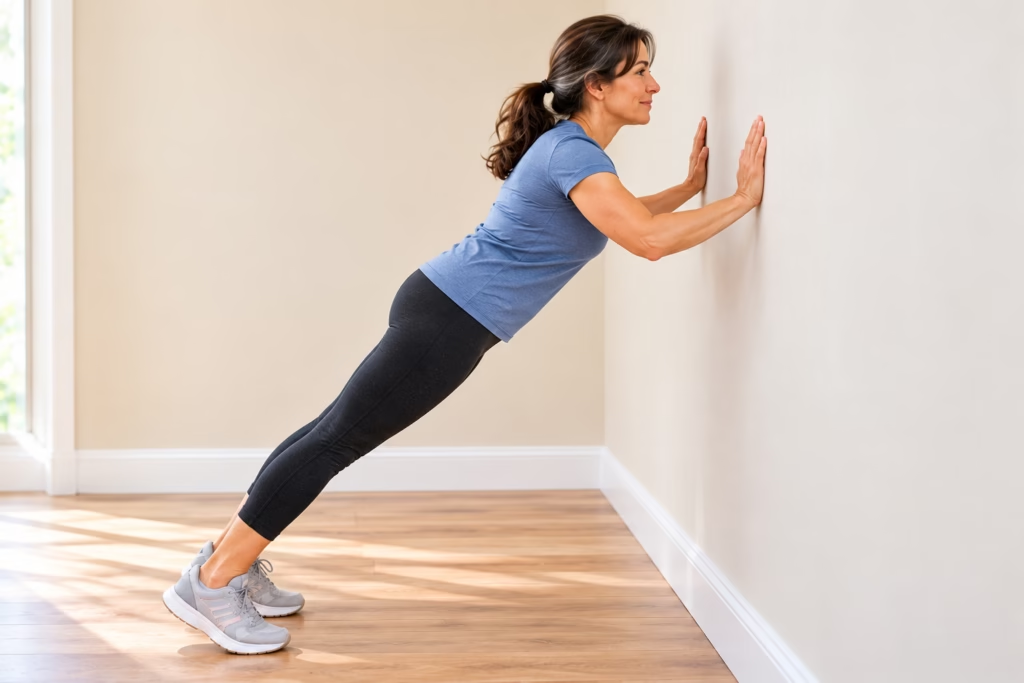
Wall push-ups strengthen your chest, shoulders, and arms without requiring you to get down on the floor.
How to do it:
- Stand facing a wall, about an arm’s length away.
- Place your palms against the wall at shoulder height.
- Bend your elbows and slowly bring your chest toward the wall.
- Push through your hands to return to standing.
Repetitions: 8–12
Move your feet slightly closer to the wall if you need an easier version.
Exercise 3: Standing Knee Raises
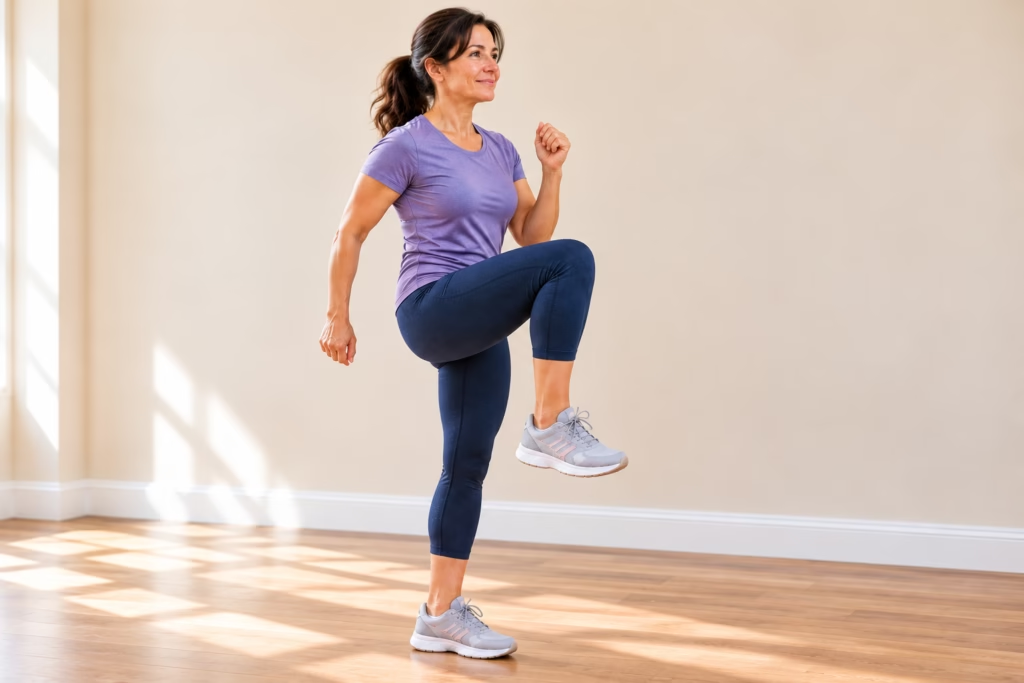
Standing knee raises challenge your balance and strengthen muscles used for walking and climbing stairs.
How to do it:
- Stand tall with your feet hip-width apart.
- Gently engage your abdominal muscles.
- Lift your right knee to a comfortable height.
- Lower it slowly.
- Repeat with your left leg.
Repetitions: 10 per leg
Hold the back of a sturdy chair if you need additional balance support.
Exercise 4: Glute Bridges
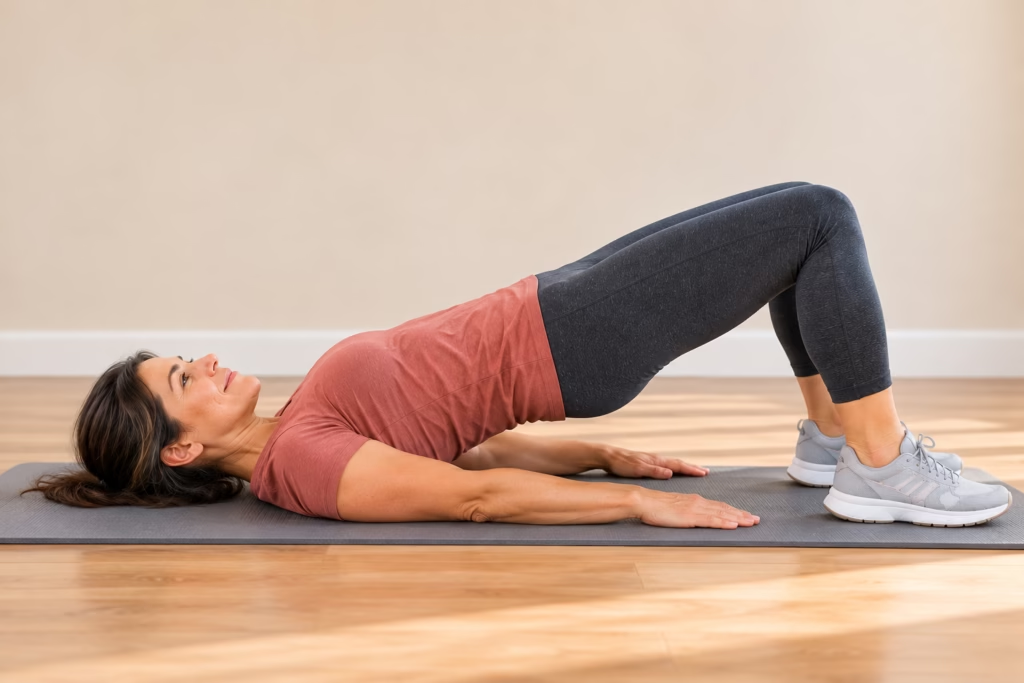
Glute bridges strengthen your hips and glutes, which play an important role in walking, standing, and maintaining lower-body stability.
How to do it:
- Lie on your back with your knees bent and feet flat on the floor.
- Keep your arms relaxed beside your body.
- Gently tighten your abdominal muscles.
- Press through your heels and lift your hips.
- Pause briefly before lowering slowly.
Repetitions: 10–12
Avoid arching your lower back excessively.
Exercise 5: Bird Dogs
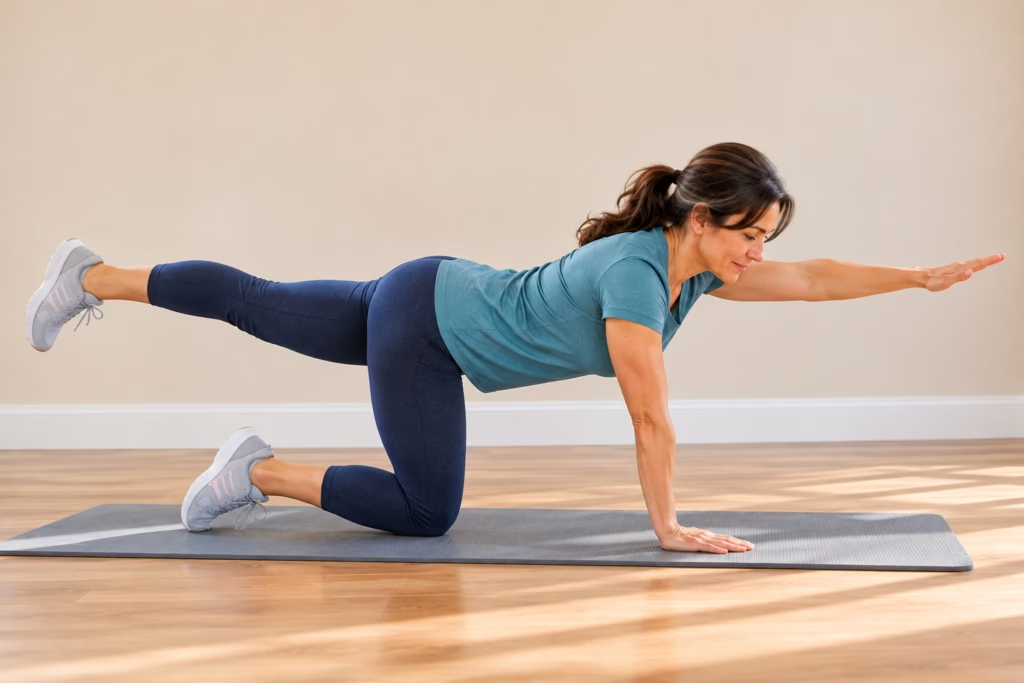
Bird dogs strengthen muscles that support your spine while improving balance and coordination.
How to do it:
- Start on your hands and knees.
- Keep your back in a comfortable, neutral position.
- Slowly extend your right arm and left leg.
- Hold for two seconds without twisting your hips.
- Return to the starting position and switch sides.
Repetitions: 8 per side
For an easier variation, extend only one arm or one leg at a time.
How Often Should You Do These Exercises?
Begin with one set of each exercise, twice a week.
Rest briefly between movements and focus on controlled repetitions rather than rushing.
As you get stronger, gradually increase to two sets. You can later add a resistance exercise for your back, such as a resistance-band row, to make your routine more balanced.
Your Simple 7-Day Stamina-Building Workout Plan
You don’t need a complicated schedule to improve your endurance. The secret is finding a routine that challenges you without making exercise feel overwhelming.
Here’s a beginner-friendly plan you can adjust to your fitness level.
| Day | Workout | Duration |
|---|---|---|
| Monday | Brisk walking | 20 minutes |
| Tuesday | Five strength exercises | 15–20 minutes |
| Wednesday | Gentle interval cardio | 15 minutes |
| Thursday | Easy walking or stretching | 15 minutes |
| Friday | Brisk walking | 20–25 minutes |
| Saturday | Five strength exercises | 15–20 minutes |
| Sunday | Rest or relaxed walking | Optional |
This plan is a starting point rather than a final goal.
Over time, work toward at least 150 minutes of moderate-intensity aerobic activity per week, along with muscle-strengthening exercises on two or more days.
There’s no need to reach that amount immediately. Increase your activity gradually as your body adapts.
5 Small Habits That Help You Build Stamina Faster

Exercise is important, but what you do between workouts can also affect how well you feel and perform.
1. Stop Sitting for Hours Without Moving
Long periods of sitting can make it harder to maintain an active lifestyle.
Try standing up, stretching, or walking around your home regularly throughout the day.
Even a few minutes of movement can help break up sedentary time.
2. Don’t Push Hard Every Single Day
It’s tempting to exercise harder when you’re excited about making progress.
But your muscles and cardiovascular system need time to adapt.
Mix more challenging workouts with easier movement and recovery days.
3. Eat Regular, Balanced Meals
Your body needs adequate nourishment to support daily activities and exercise.
Include a variety of protein-rich foods, whole grains, fruits, vegetables, and healthy fats in your meals.
Carbohydrate-rich foods such as oats, potatoes, and whole grains provide useful energy for physical activity.
4. Make Sleep a Priority
Poor sleep can affect exercise performance, concentration, and how energetic you feel.
Most adults benefit from approximately seven to nine hours of sleep each night.
Try maintaining a consistent bedtime and giving yourself enough time to recover.
5. Increase Your Activity Little by Little
One of the biggest mistakes beginners make is doing too much too soon.
Instead of suddenly doubling your walking distance or workout duration, make small changes.
Add a few minutes to your walk, complete another repetition, or gradually increase your pace.
These manageable improvements can add up over time.
How Long Does It Take to Improve Stamina?
You may begin noticing small improvements after a few weeks of consistent exercise, although the timeline varies depending on your starting fitness level, health, recovery, and workout routine.
For example, a 15-minute walk that initially feels challenging might gradually become more comfortable.
You may also notice that you can:
- Walk longer without needing frequent breaks.
- Climb stairs with less breathlessness.
- Complete household tasks more comfortably.
- Recover more quickly after moderate activity.
- Finish your usual workout with more energy remaining.
Rather than comparing yourself with someone else, pay attention to how your own body responds.
A simple way to track progress is to repeat the same comfortable walking route every couple of weeks and notice whether it feels easier.
If you develop chest pain, dizziness, or unusual shortness of breath during exercise, stop and seek medical advice. Sudden or severe symptoms may require urgent medical care.
The Biggest Mistake? Thinking Every Workout Has to Be Hard
Here’s something worth remembering: You don’t have to feel exhausted after exercise for it to be effective.
A comfortable walk, a few rounds of chair squats, or 15 minutes of gentle intervals can all contribute to better fitness.
What matters is gradually building a routine that you can maintain.
Some days you’ll feel ready for a brisk walk. Other days, slower movement may be more appropriate.
Both can have a place in a healthy, active lifestyle.
Final Thoughts: Stronger Stamina Starts With Small Steps
Getting winded during everyday activities can be discouraging, but declining endurance doesn’t have to be something you simply accept as part of getting older.
Walking, gentle interval cardio, and strength training can help improve your cardiovascular fitness and make daily movement feel more manageable.
You don’t need fancy equipment, long gym sessions, or high-impact workouts.
Start with 15–20 minutes, choose activities you enjoy, and build gradually.
Your challenge this week: Choose one workout from this guide and try it three times, allowing appropriate recovery between sessions. Notice how you feel during each workout rather than focusing only on how long you exercise.
Small, consistent efforts can help you become stronger, more active, and more confident in your everyday movements.