5 Gentle Lower Back Stretches After Sitting All Day
Sitting at a desk for hours can leave your lower back feeling stiff, tight, and uncomfortable. You stand up after a long workday, try to straighten your back, and suddenly realize just how much tension has built up.
Sound familiar?
Whether you work at a computer, spend long hours driving, or simply sit more than you’d like, your lower back can start to feel the effects. Staying in one position for too long may contribute to muscle stiffness, reduced mobility, and everyday discomfort.
The good news? You don’t need an intense workout or expensive equipment to give your back some attention.
These five gentle lower back stretches can help loosen tight muscles, improve flexibility, and make movement feel more comfortable. Most can be done at home with nothing more than a yoga mat and a sturdy chair.
Why Does Your Lower Back Feel Tight After Sitting?
Your body is designed to move, but daily routines often keep you sitting for long periods.
When you stay seated for hours, your hip flexors may become stiff, your back muscles can feel fatigued, and your joints may become less comfortable moving through their usual range of motion.
Common reasons your lower back feels tight include:
- Sitting in the same position for too long.
- Limited movement throughout the day.
- Tight hips and surrounding muscles.
- Poorly supported sitting positions.
- Weakness or reduced endurance in the muscles supporting your spine.
Gentle stretching may help reduce some of this tension. However, regular movement breaks and gradual strengthening are also important for keeping your back comfortable.
1. Butterfly Stretch – Loosen Tight Hips and Lower Back
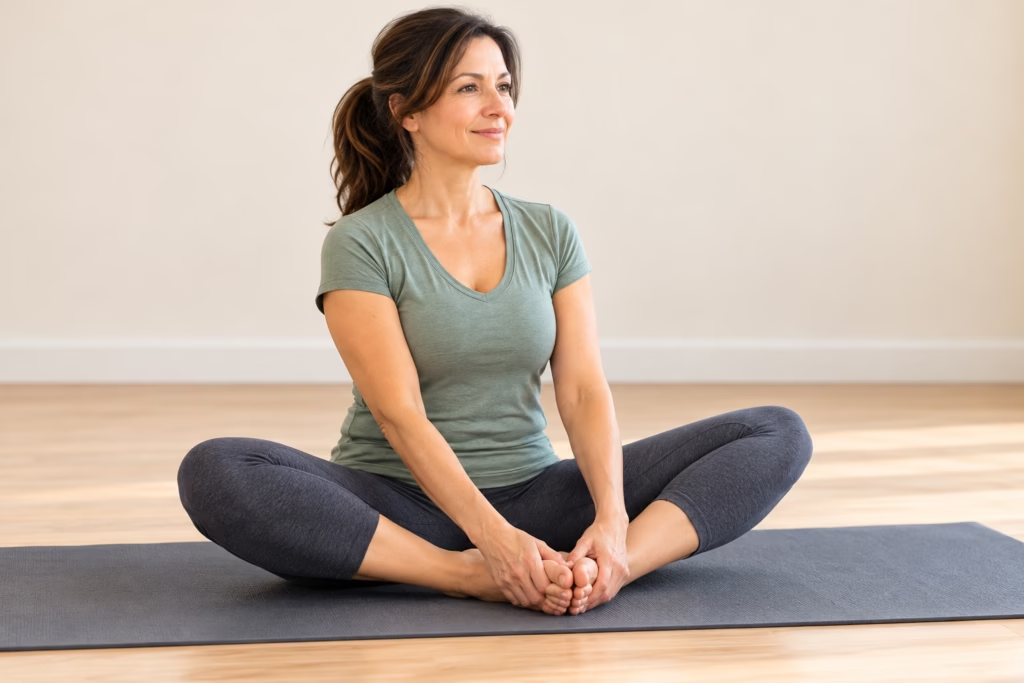
The butterfly stretch is a simple seated movement that targets the inner thighs and hips. Although it doesn’t directly stretch every lower back muscle, improving hip mobility may help you move more comfortably.
How to do it:
- Sit on the floor with your back comfortably upright.
- Bend both knees and bring the soles of your feet together.
- Allow your knees to relax outward toward the floor.
- Hold your feet or ankles gently with your hands.
- Sit tall and breathe slowly for 20–30 seconds.
- Release and repeat twice.
Beginner tip: Place a folded towel under your hips or cushions beneath your knees for additional support. Avoid pressing your knees downward with your elbows.
Why it helps: This stretch encourages hip mobility and may ease tightness around the pelvis that can contribute to discomfort during prolonged sitting.
2. Gentle Cobra Stretch – Open the Front of Your Body
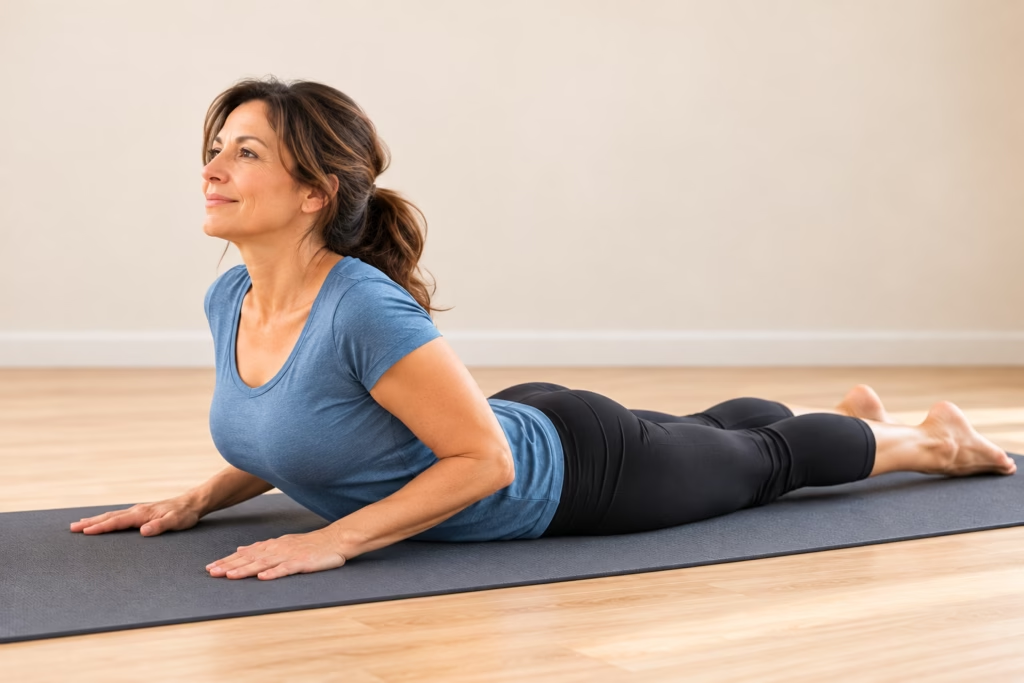
The cobra stretch is a familiar yoga movement that gently extends the spine while opening the front of your torso.
After spending hours leaning forward at a desk, a comfortable amount of spinal extension may feel refreshing.
How to do it:
- Lie on your stomach on a comfortable exercise mat.
- Place your palms beneath or slightly ahead of your shoulders.
- Keep your elbows close to your body.
- Slowly lift your chest using a small amount of pressure through your hands.
- Keep your hips resting on the mat and your shoulders relaxed.
- Hold for 5–10 seconds, then lower gently.
- Repeat 3–5 times.
Beginner tip: Try a baby cobra by keeping your elbows bent and lifting your chest only slightly.
Why it helps: Gentle spinal extension can improve movement variety and may reduce stiffness for some people after prolonged sitting.
Avoid forcing the stretch or arching deeply. Stop if the movement increases your back pain or causes discomfort traveling into your legs.
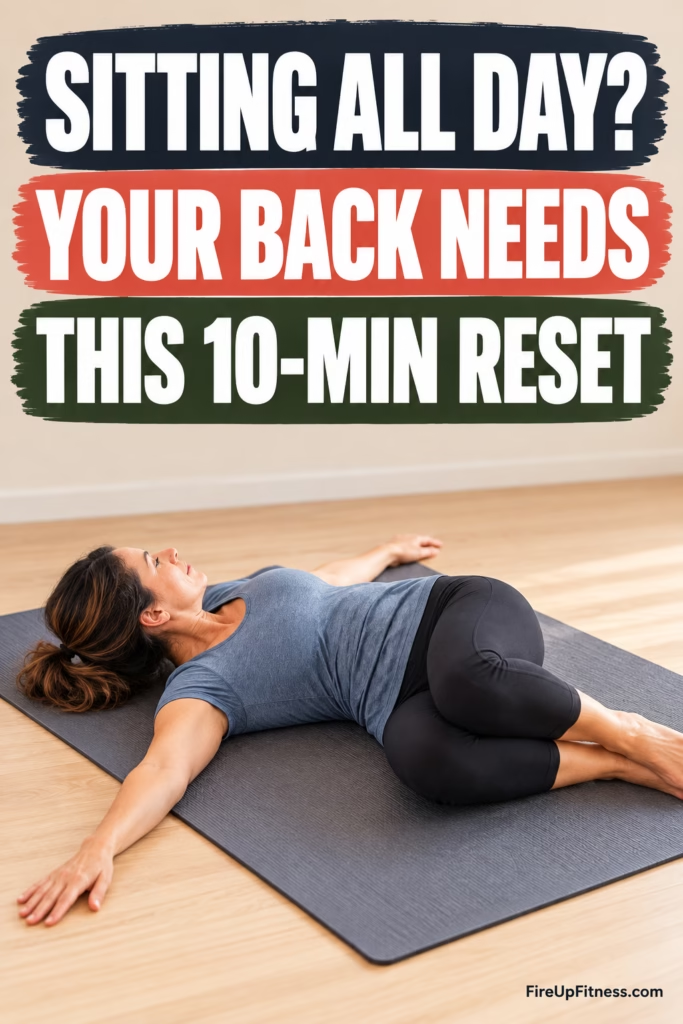
3. Two-Knee Spinal Twist – Release Back Stiffness
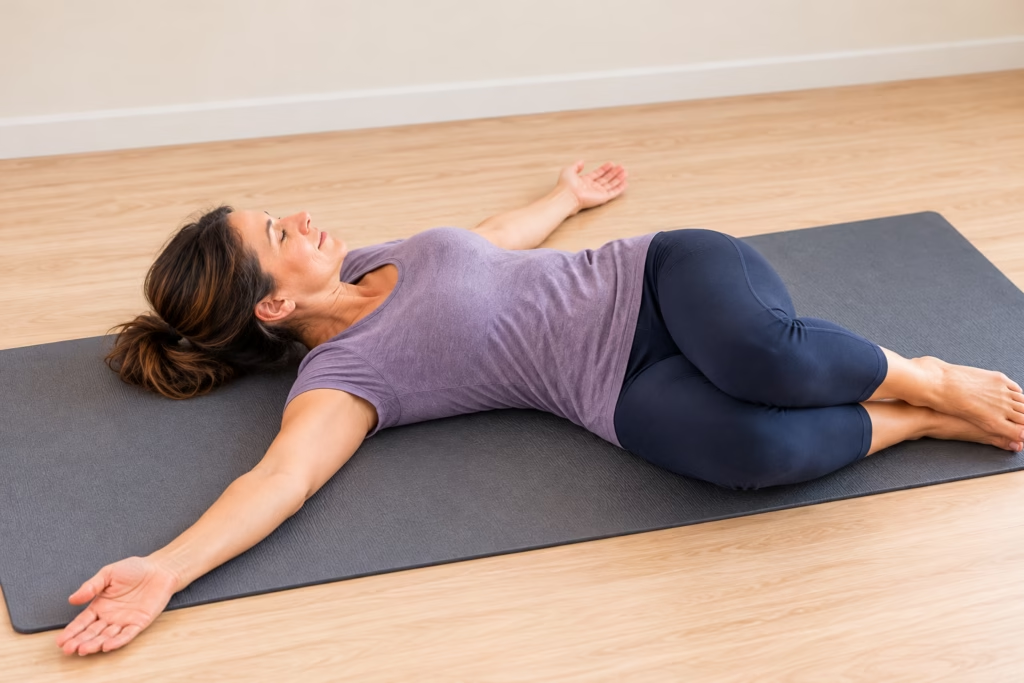
The lying spinal twist is a relaxing movement that gently rotates your spine while stretching muscles around your back and hips.
It’s especially convenient after a long day because you can perform it on the floor without equipment.
How to do it:
- Lie flat on your back with your knees bent and feet resting on the floor.
- Extend your arms outward into a comfortable T-shape.
- Keep your shoulders relaxed against the mat.
- Slowly lower both knees toward your right side.
- Move only as far as feels comfortable without forcing the twist.
- Hold for 10–20 seconds while breathing naturally.
- Return to the center and repeat on your left side.
Complete 2–3 gentle rounds on each side.
Beginner tip: Place a pillow beneath your knees if they don’t comfortably reach the floor.
Why it helps: This movement encourages gentle spinal rotation and may ease stiffness around your lower back and hips.
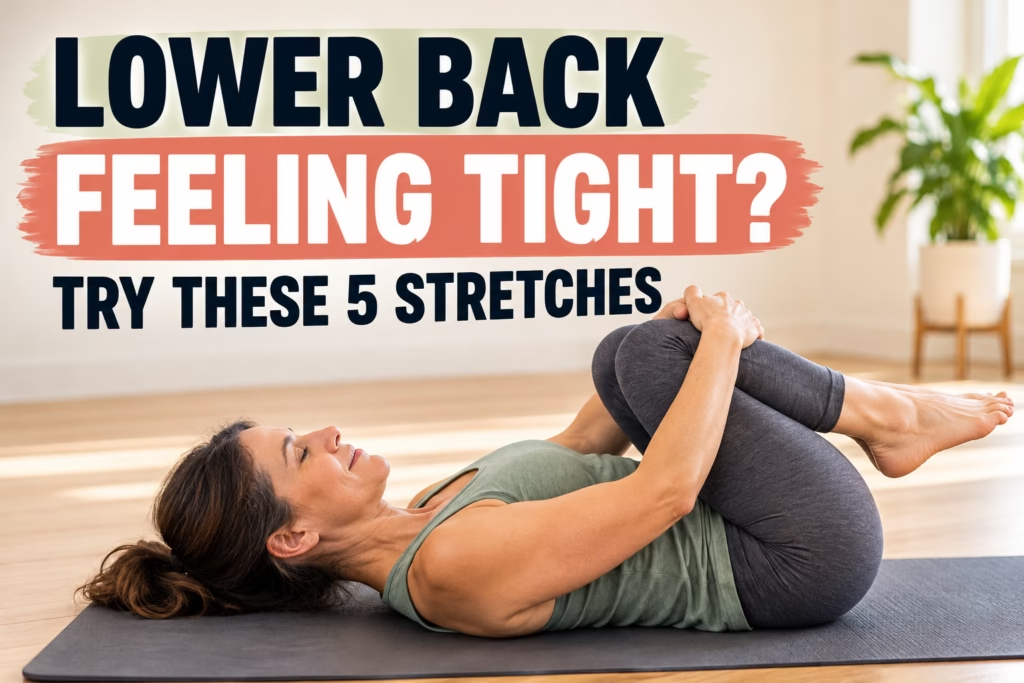
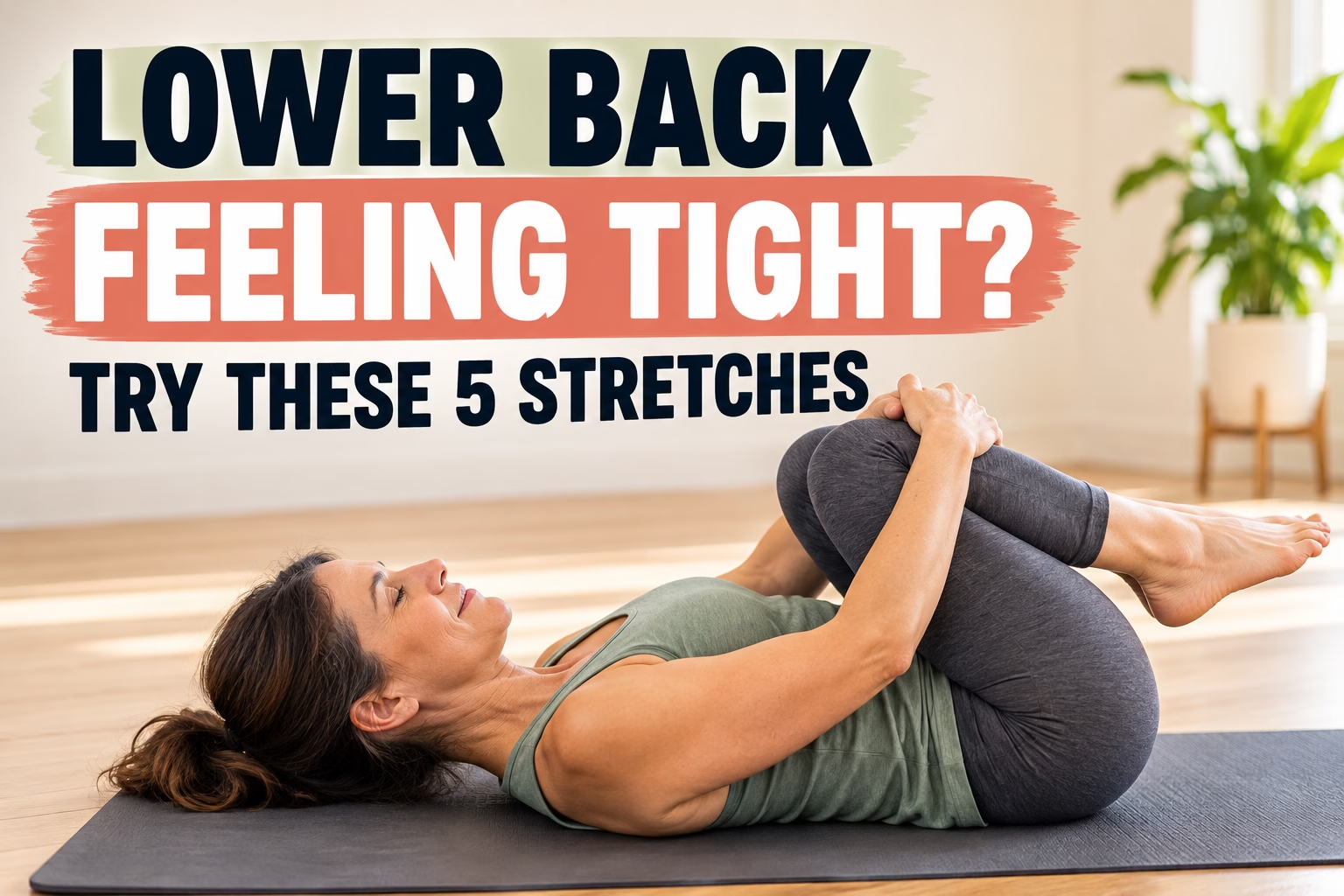
4. Knees-to-Chest Stretch – Gently Relax Your Lower Back
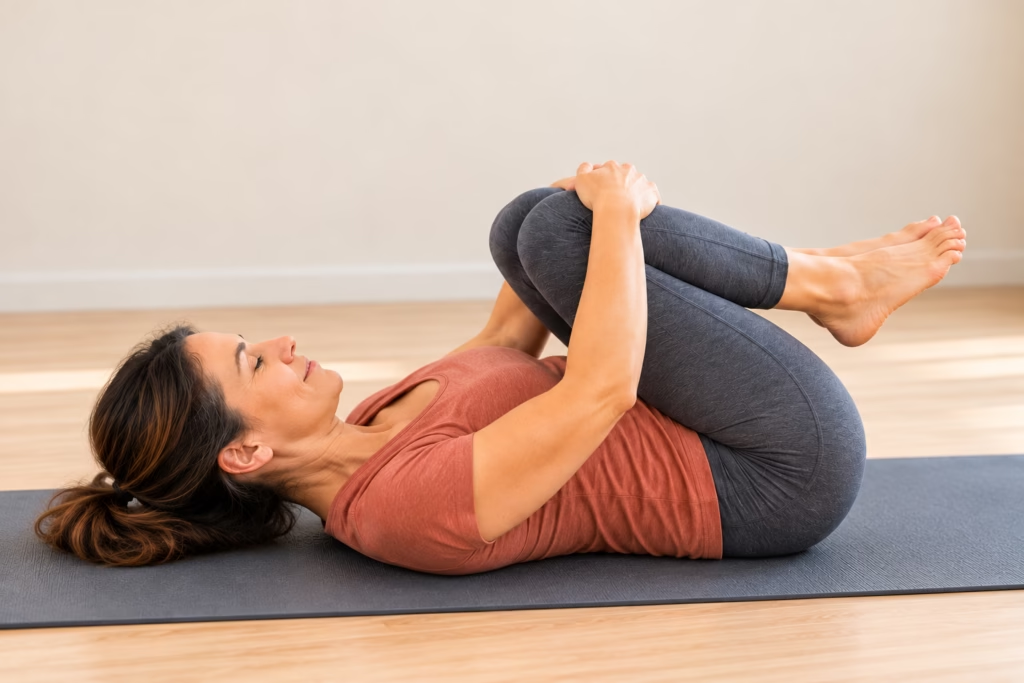
It can feel particularly soothing after a day of sitting, provided bending your spine is comfortable for you.
How to do it:
- Lie on your back with both knees bent.
- Slowly bring one knee toward your chest.
- Hold behind your thigh or around your shin without pulling forcefully.
- Keep your shoulders, neck, and head relaxed.
- Hold for 15–20 seconds.
- Lower your leg and repeat on the other side.
- If comfortable, bring both knees toward your chest together.
Repeat 2–3 times.
Beginner tip: Start with one knee at a time, especially if bringing both knees toward your chest feels uncomfortable.
Why it helps: This stretch gently rounds the lower back and may ease muscle tension for people who find spinal flexion comfortable.
There’s no need to pull your knees as close as possible. A mild, pleasant stretch is enough.
5. Legs-on-Chair Rest – Give Your Back a Comfortable Break
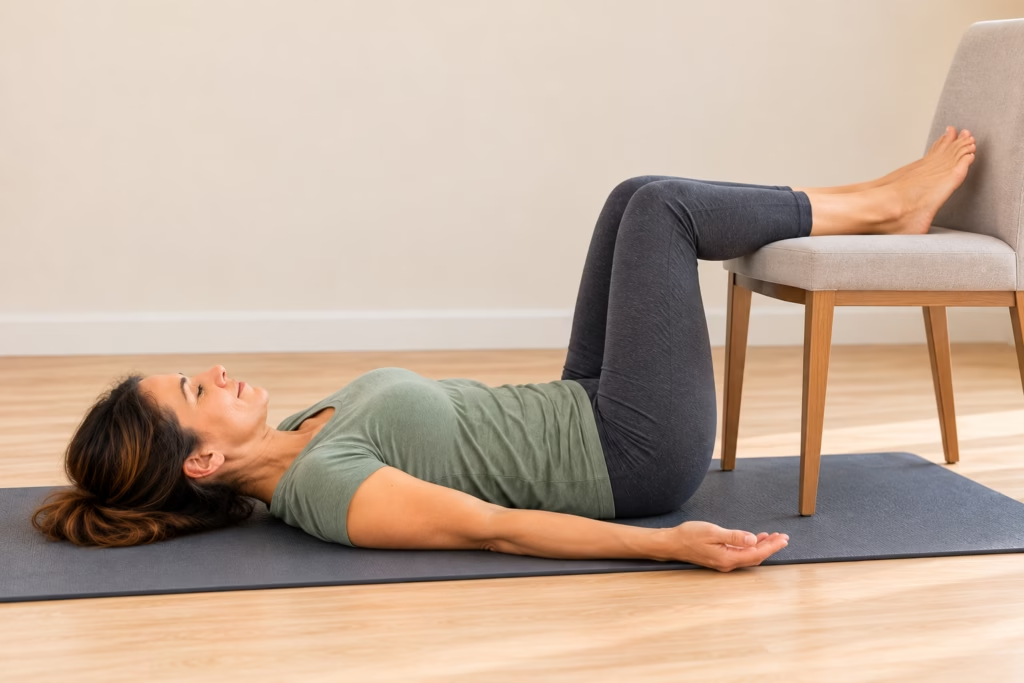
Sometimes your lower back doesn’t need another stretch. It simply needs a chance to rest in a supported position.
The legs-on-chair position is a gentle relaxation exercise that can help reduce muscular effort while you’re lying down.
How to do it:
- Place a sturdy chair in front of your exercise mat.
- Lie on your back with your hips comfortably close to the chair.
- Rest your lower legs on the seat.
- Adjust your position so your hips and knees are bent at approximately 90 degrees.
- Relax your arms beside your body.
- Breathe slowly and allow your back to settle naturally.
- Remain in this position for 3–5 minutes, or longer if comfortable.
Beginner tip: Use a low, stable ottoman or a stack of firm cushions if a chair feels too high.
Why it helps: Supporting your legs can create a comfortable resting position and allow the muscles around your lower back to relax.
Avoid trying to push your lower back forcefully into the floor.
A Simple 10-Minute Lower Back Stretching Routine
You don’t have to spend an hour exercising to give your back some gentle movement. Try this short routine after work or during your evening wind-down.
| Exercise | Duration |
|---|---|
| Butterfly stretch | 1 minute |
| Gentle cobra stretch | 1 minute |
| Two-knee spinal twist | 2 minutes |
| Knees-to-chest stretch | 2 minutes |
| Legs-on-chair rest | 4 minutes |
| Total | 10 minutes |
The knees-to-chest stretch is one of the simplest floor exercises for gently stretching the muscles around your lower back.
Move slowly between exercises and adjust the duration to your comfort level. These stretches should feel gentle, not painful.
5 Small Habits That Help Prevent Lower Back Stiffness
Stretching can be helpful, but what you do throughout the day matters just as much.
- Stand up regularly. Try taking a short movement break every 30–60 minutes instead of remaining seated for hours.
- Walk for a few minutes. Even a brief walk around your home or office can help interrupt prolonged sitting.
- Adjust your workstation. Keep your screen at a comfortable height, support your feet, and position your keyboard so your shoulders can relax.
- Strengthen your supporting muscles. Gentle exercises such as bird dogs, glute bridges, and modified side planks can help improve muscular endurance.
- Change positions often. There’s no single perfect sitting posture. Comfortable, supported positions and regular movement are usually more useful than trying to sit rigidly all day.
Small, consistent movement habits can make a meaningful difference in how comfortable your back feels.
When Should You Avoid Lower Back Stretches?
Not every type of lower back pain responds well to stretching.
Stop any exercise that causes sharp pain, worsening symptoms, numbness, tingling, or pain radiating down your leg. Consult a healthcare professional if discomfort persists, repeatedly returns, or interferes with daily activities.
Seek urgent medical attention for new bowel or bladder control problems, numbness around the groin, significant leg weakness, or severe back pain following an injury.
Final Thoughts: Your Lower Back Needs Movement, Not Just Rest
Long hours of sitting can leave your lower back feeling tight, but you don’t need to push through an intense workout to feel more comfortable.
These five gentle lower back stretches offer a practical way to add movement, improve flexibility, and unwind after a busy day.
Start with the exercises that feel best for your body. Move slowly, breathe naturally, and focus on comfort rather than how deeply you can stretch.
Most importantly, remember that stretching is only one part of back care. Regular walking, movement breaks, and gentle strengthening can help support your spine over time.
Try this 10-minute routine after your next long day of sitting, and save it so you can come back whenever your back needs a little extra attention.