4 Gentle Carpal Tunnel Stretches for Wrist Relief
Ever wake up in the middle of the night because your fingers feel numb? Or notice an uncomfortable tingling sensation in your hands after spending hours on your phone or computer?
At first, you might ignore it. Maybe you shake your hands, stretch your fingers, and hope it disappears.
But when that tingling keeps coming back, even simple activities like cooking, typing, or holding a coffee mug can become frustrating.
The good news? A few gentle carpal tunnel stretches may help ease stiffness, improve wrist mobility, and make everyday movements more comfortable.
And you don’t need fancy equipment or a long workout.
Below are four simple hand and wrist exercises you can try at home, along with a few everyday habits that may help prevent unnecessary strain.
Why Do Your Hands Feel Numb or Tingly?
Your wrist contains a narrow passage called the carpal tunnel. A nerve known as the median nerve travels through this passage and helps control sensation and movement in parts of your hand.
When pressure builds around this nerve, it can cause symptoms of carpal tunnel syndrome.
Some common signs include:
- Tingling or numbness in your thumb, index, or middle finger
- Wrist or hand discomfort, especially at night
- A burning or pins-and-needles sensation
- Difficulty gripping everyday objects
- Weakness or clumsiness when using your hands
- Waking up with numb fingers that need shaking out
Sound familiar?
Although repetitive hand activities can aggravate symptoms, carpal tunnel syndrome isn’t simply caused by typing or scrolling. Pregnancy, diabetes, inflammatory conditions, and other factors can also contribute.
And not every tingling hand means carpal tunnel syndrome. Persistent numbness deserves a proper medical assessment.
Can Stretching Really Help Carpal Tunnel Symptoms?
Gentle stretching may help reduce stiffness and improve the way your hands and wrists move.
However, there’s something important to understand: stretching doesn’t necessarily remove pressure from the median nerve or cure carpal tunnel syndrome.
Think of these movements as a way to keep your hands comfortable and mobile rather than a quick fix.
The secret is to keep everything gentle. Stretching too aggressively can make nerve irritation worse.
4 Gentle Carpal Tunnel Stretches and Hand Exercises
You can do these simple movements while sitting at your desk, watching television, or taking a short break from household chores.
Start with a few repetitions and pay attention to how your hands respond.
1. Finger Flexion and Extension: Wake Up Stiff Fingers
Have you ever noticed how stiff your fingers feel after holding your phone for too long?
This easy exercise encourages gentle movement through your fingers without placing much strain on your wrists.
How to do it:
- Sit comfortably with your shoulders relaxed.
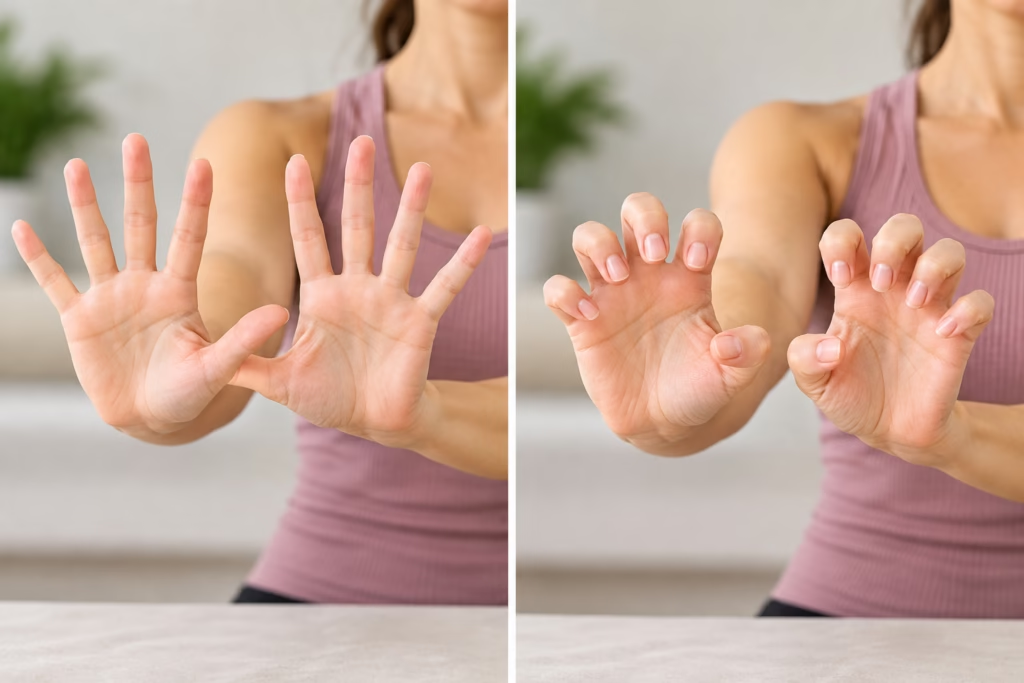
- Extend your hands in front of you, keeping your wrists straight.
- Slowly curl your fingers inward into a loose claw shape.
- Gently straighten your fingers and spread them apart.
- Repeat 5–10 times without forcing the movement.
Why try it: This exercise helps maintain finger mobility and may ease stiffness after prolonged gripping or typing.
Try it during a short break from computer work, especially when your fingers feel tight.
2. Gentle Grip Exercise: Keep Your Hands Moving
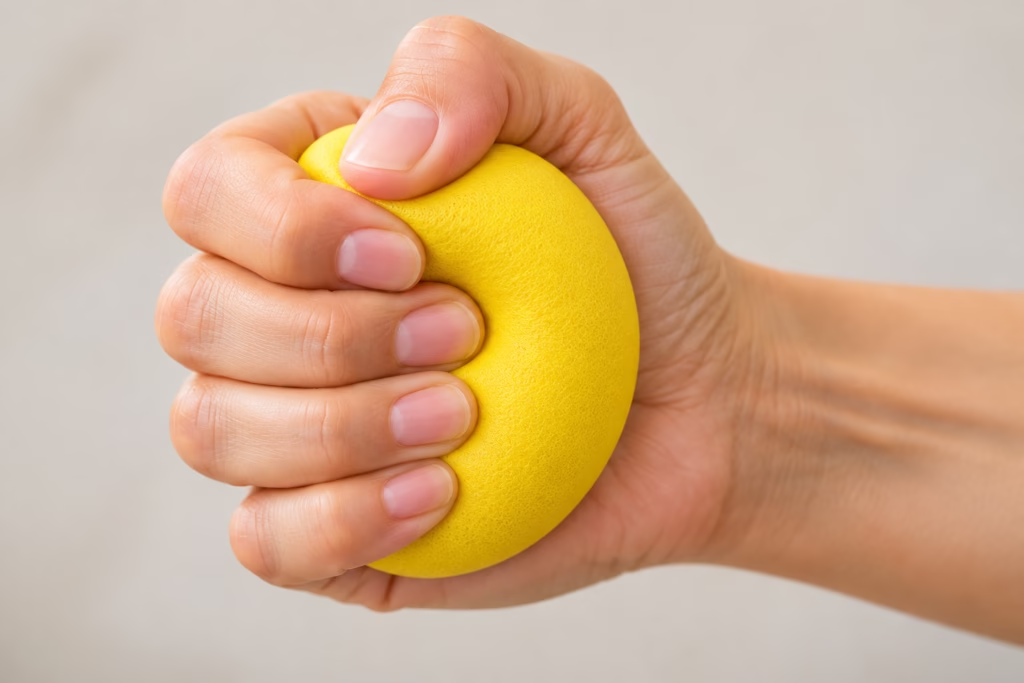
Opening jars, carrying groceries, and holding kitchen utensils all require grip strength.
A gentle squeezing exercise can help maintain hand function, but it shouldn’t be painful or increase tingling.
How to do it:
- Hold a very soft foam ball in one hand.
- Wrap your fingers loosely around it.
- Squeeze gently without using maximum force.
- Release completely and relax your fingers.
- Repeat 5 times, then switch hands.
Why try it: Light gripping may help maintain hand movement and strength when symptoms are mild and the exercise is comfortable.
Avoid firm stress balls or repeated hard squeezing. Grip strengthening is not appropriate for everyone with active carpal tunnel symptoms, particularly when it increases numbness or pain.
3. Wrist Extension Stretch: Release Forearm Tightness
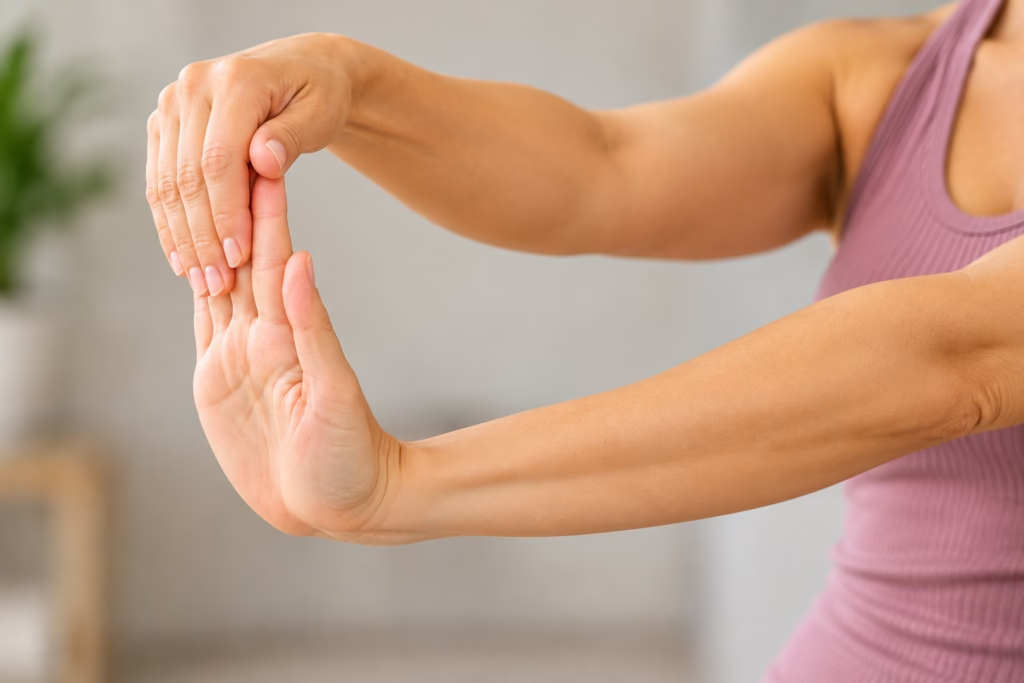
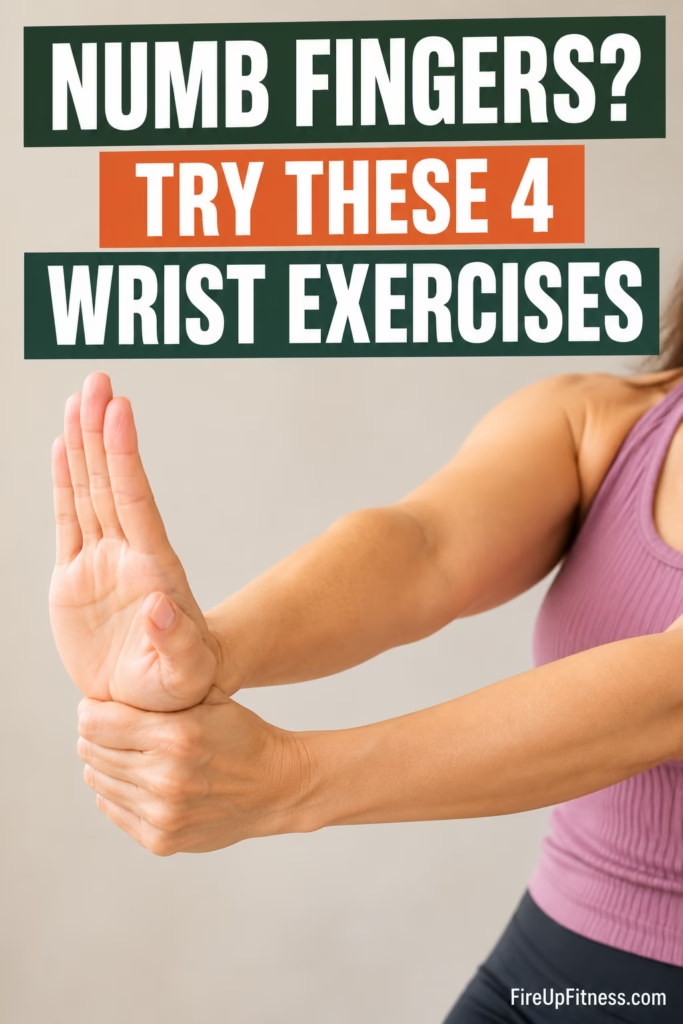
This stretch targets the muscles along the underside of your forearm.
It’s particularly useful for exploring whether your forearms feel tight after long periods of hand activity.
How to do it:
- Extend one arm in front of you with your elbow comfortably straight.
- Turn your palm forward with your fingers pointing upward.
- Use your opposite hand to gently guide your fingers backward.
- Stop when you feel a mild stretch along your forearm.
- Hold for 10–15 seconds, then release.
- Repeat on the opposite side.
Why try it: Gentle wrist extension can improve flexibility in the forearm muscles involved in gripping and wrist movement.
Don’t pull hard on your fingers or hold the stretch if tingling increases. A smaller range of motion is perfectly fine.
4. Gentle Forearm Stretch: Ease Everyday Tension
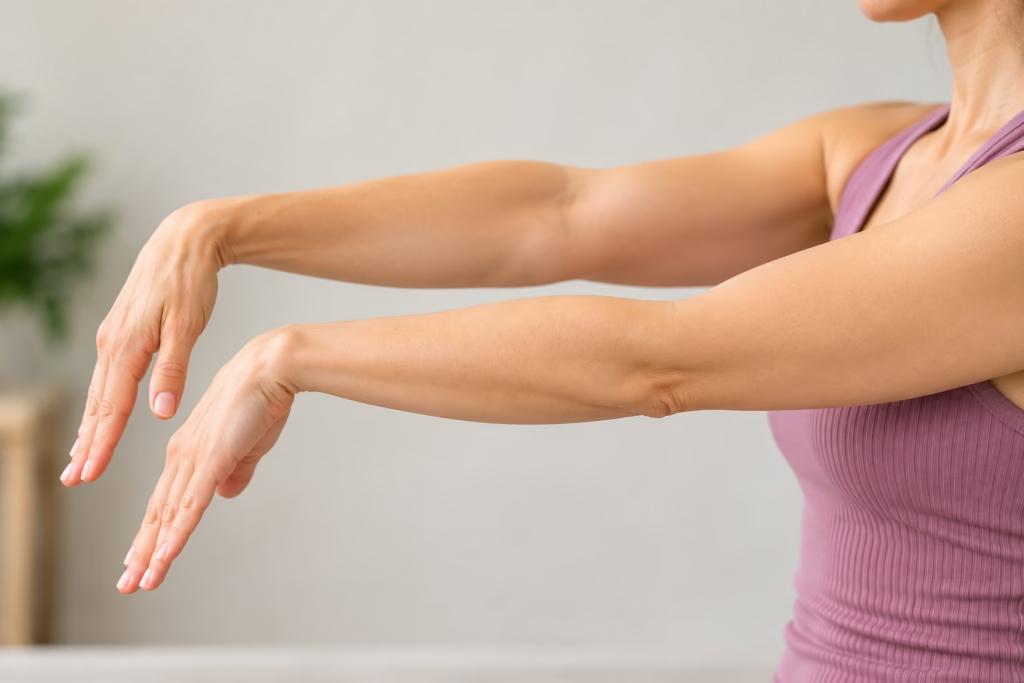
Your forearm muscles work harder than you might realize.
From chopping vegetables to using a computer mouse, these muscles support countless small movements throughout the day.
This gentle exercise encourages relaxed movement without forcing the wrist into an uncomfortable position.
How to do it:
- Sit upright and relax your shoulders.
- Extend both arms comfortably in front of you.
- Keep your palms facing downward and wrists straight.
- Slowly spread your fingers apart.
- Hold for 5–10 seconds, then relax.
- Repeat 3–5 times.
Why try it: This movement encourages comfortable finger and forearm activity without an aggressive stretch.
Remember, you don’t need to feel a strong pulling sensation for a movement to be worthwhile.
A Simple 3-Minute Hand and Wrist Routine
Want something easy to remember? Try this short routine during a break, provided your symptoms don’t worsen.
| Exercise | Amount |
|---|---|
| Finger flexion and extension | 10 repetitions |
| Gentle grip squeeze | 5 per hand |
| Wrist extension stretch | 10–15 seconds per side |
| Gentle forearm stretch | 3–5 repetitions |
Take your time between movements. You can skip any exercise that feels uncomfortable.
Save this routine to your Pinterest wellness board so it’s easy to find the next time your hands feel stiff.
5 Everyday Habits That May Help Your Wrists Feel Better
Stretching is only one part of the picture. How you use your hands throughout the day also matters.
1. Keep Your Wrists Straight While Typing
Look at your hands the next time you’re using your keyboard.
Are your wrists bent upward or resting against a hard desk edge?
Try keeping them in a comfortable, neutral position. Adjust your keyboard and chair height so your hands aren’t constantly reaching or bending.
2. Give Your Hands Regular Breaks
You don’t have to stop working for half an hour.
Simply changing activities for a minute or two can give your hands a break from sustained gripping or repetitive movements.
Stand up, relax your shoulders, and let your arms rest naturally.
3. Stop Gripping Your Phone So Tightly
It’s surprisingly easy to hold your phone in the same position for extended periods.
Try using both hands, switching positions, or placing your phone on a stand.
Small adjustments can make long scrolling sessions more comfortable.
4. Pay Attention to Your Sleeping Position
Do your hands feel especially numb when you wake up?
Sleeping with your wrists bent can increase pressure on the median nerve.
Keeping your wrists in a neutral position may help. A properly fitted nighttime wrist splint is often recommended for mild to moderate carpal tunnel syndrome and has better evidence for symptom management than stretching alone.
5. Don’t Ignore Persistent Numbness
Occasional stiffness after activity is different from repeated numbness, persistent tingling, or worsening weakness.
If symptoms repeatedly wake you at night, affect your grip, or don’t improve, speak with a healthcare professional. Early assessment can help prevent lasting nerve problems.
Common Mistakes to Avoid With Carpal Tunnel Stretches
Sometimes the biggest improvement comes from knowing what not to do.
Avoid forcing your wrists into deep stretches, squeezing a hard ball repeatedly, or continuing exercises that make your fingers more numb.
Also, don’t assume that more repetitions mean faster relief.
Gentle movements should leave your hands feeling the same or more comfortable, not more irritated.
Frequently Asked Questions About Carpal Tunnel Stretches
How often should I do carpal tunnel stretches?
You can try a few gentle movements during your daily breaks, as tolerated. There’s no single stretching schedule proven to work for everyone. Stop or reduce the movements if symptoms increase.
Can carpal tunnel syndrome go away on its own?
Mild symptoms sometimes improve, particularly when a temporary contributing factor resolves. Other cases require treatment, such as nighttime splinting, medical management, or surgery.
Should I stretch my wrists when my fingers are numb?
Avoid aggressive stretching while experiencing numbness. If a gentle movement increases tingling, stop. Recurrent or persistent numbness should be medically evaluated.
What is the best sleeping position for carpal tunnel symptoms?
Keeping your wrists straight rather than curled underneath your body or pillow may reduce nighttime symptoms. A neutral-position wrist splint can help.
Final Thoughts: Give Your Hands the Attention They Deserve
Think about everything your hands do for you.
They prepare meals, carry groceries, type messages, hold loved ones, and help you get through countless little tasks without a second thought.
It’s easy to forget how much you depend on them until discomfort gets in the way.
These four gentle carpal tunnel stretches and exercises won’t solve every wrist problem, but they may help you maintain mobility and build more comfortable daily habits.
Start small, move gently, and pay attention to what your hands are telling you.
One last question: Do your hands bother you more while typing, holding your phone, or sleeping at night?
Share your experience in the comments. You might help another reader recognize a familiar symptom and seek the support they need.
And don’t forget to save this post on Pinterest for your next hand-care break.