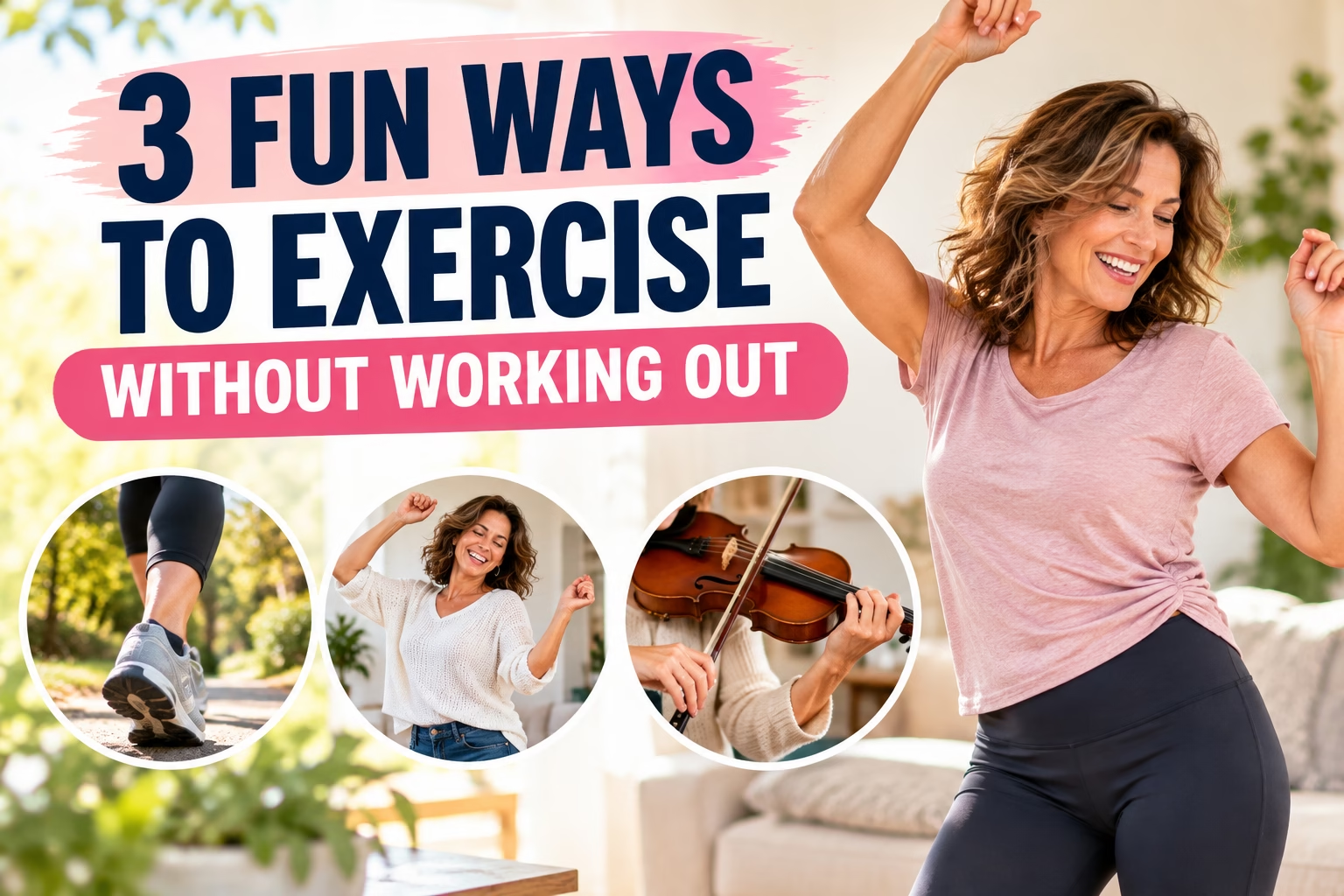
3 Fun Ways to Exercise Without Working Out
What if getting more exercise didn’t mean going to the gym, following a complicated workout routine, or forcing yourself through another sweaty fitness session?
Sometimes, the best way to move your body is to do something you genuinely enjoy.
Think about the last time you danced around your kitchen while making dinner, took a relaxing walk after a stressful day, or spent an afternoon enjoying your favorite hobby. You probably weren’t thinking about burning calories or getting fit. You were simply enjoying yourself.
And that’s exactly the point.
Exercise doesn’t always have to feel like exercise to benefit your body.
For women juggling family responsibilities, work, and everything else life throws their way, finding time for traditional workouts can feel impossible. But staying active doesn’t have to mean adding another demanding task to your schedule.
Here are three enjoyable ways to exercise without feeling like you’re working out, plus a few simple ideas for making everyday movement a natural part of your life.
Why Exercise Doesn’t Have to Happen at the Gym
Somewhere along the way, many of us started believing that exercise only counts when we’re wearing workout clothes, following a fitness video, or spending an hour at the gym.
But your body doesn’t know whether you’re walking on a treadmill or strolling through your neighborhood.
It simply responds to movement.
Everyday physical activity can support your health in meaningful ways. Moving regularly helps improve circulation, maintain mobility, support heart health, and reduce the amount of time you spend sitting.
And here’s something worth remembering: The movement you enjoy is often the movement you’re most likely to keep doing.
Instead of asking yourself, “How can I force myself to exercise today?” try asking, “What would make moving my body enjoyable?”
You might be surprised by how many possibilities you already have.
1. Walking: The Simplest Workout You’re Probably Overlooking
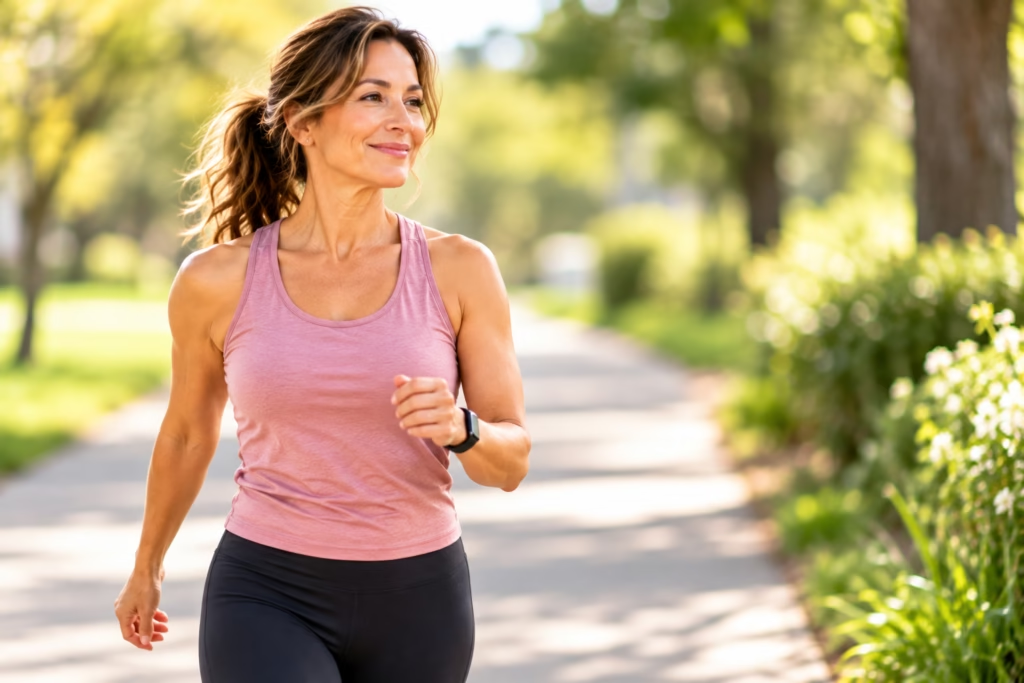
Walking might not seem exciting compared to intense gym workouts, but don’t underestimate what a good walk can do for your body.
It’s simple, accessible, and doesn’t require expensive equipment or complicated instructions.
More importantly, walking can fit into a busy day without making your schedule feel even more overwhelming.
Imagine finishing dinner and heading outside for a peaceful 15-minute walk. The air feels fresh, your mind begins to settle, and you’re finally getting a little time to yourself.
That walk isn’t just a chance to unwind. It’s also an opportunity to support your physical health.
Why Walking Is So Good for You
Regular walking offers several benefits:
- Supports cardiovascular health and healthy blood pressure.
- Helps manage body fat when combined with balanced eating habits.
- Strengthens the muscles used for everyday movement.
- Supports bone health through weight-bearing activity.
- Improves mood and may help reduce stress.
- Helps maintain balance, mobility, and independence as you age.
For women over 40, walking can be especially appealing because it’s generally low-impact and easy to adjust according to energy levels and fitness.
How to Walk More Without Scheduling a Workout
You don’t need to set aside an uninterrupted hour to enjoy the benefits of walking.
A few small changes can make a difference.
Take a 10-minute walk after lunch. Walk while catching up with a friend on the phone. Choose the stairs when practical, park a little farther from the entrance, or enjoy an evening stroll with your family.
Even a short walk around your home counts toward your daily movement.
And don’t worry about walking at the perfect speed. A comfortable pace is a wonderful starting point. As your fitness improves, you can gradually walk a little faster or farther.
Try this: Take a 10-minute walk after one meal each day for a week. Keep it enjoyable rather than treating it like another obligation.
You may discover that those few minutes become one of your favorite parts of the day.
2. Dancing: Turn Your Favorite Music Into a Fun Workout
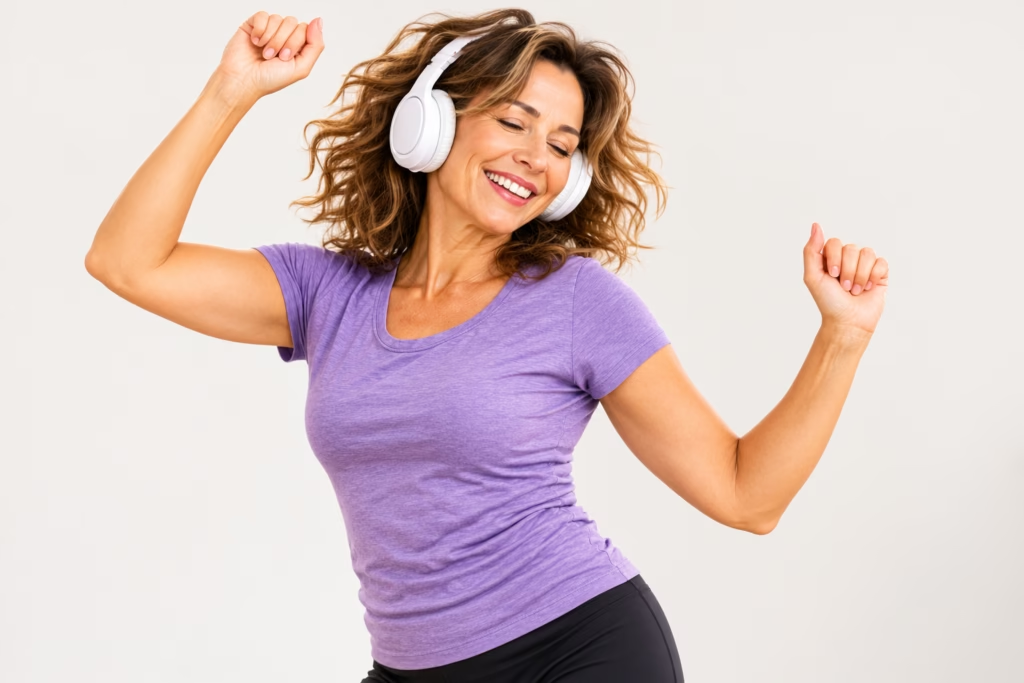
When was the last time you turned up your favorite song and danced just because it made you happy?
Not because you were trying to burn calories.
Not because you were following an exercise program.
Just because the music was too good to sit still.
Dancing is one of those activities that can make you forget you’re exercising.
One moment you’re moving to the rhythm, and before you realize it, you’ve spent 20 minutes being active.
And unlike workouts that sometimes feel repetitive, dancing gives you the freedom to move in ways that feel natural and enjoyable.
Why Dancing Is Good for Your Body
Depending on the style and intensity, dancing can provide a surprisingly effective workout.
It can help:
- Improve cardiovascular endurance.
- Strengthen muscles in your legs, hips, and core.
- Support coordination, agility, and balance.
- Increase your daily energy expenditure.
- Improve mood and provide an enjoyable outlet for stress.
Some dance styles also challenge your memory as you learn steps and movement patterns.
And the best part? You don’t need to be a good dancer to enjoy these benefits.
Make Dancing Part of Your Everyday Life
You don’t need a dance studio, an instructor, or even a partner.
Your living room works perfectly.
Put on a favorite playlist while cleaning the house. Dance while preparing dinner, enjoy a few songs with your children, or make Friday evenings your personal dance break.
Love slower music? That’s fine too.
Gentle dancing still encourages movement, and it may be more comfortable on days when your energy is low.
If you prefer something more energetic, try upbeat pop music, salsa, or a beginner-friendly dance fitness video.
Try this: Create a playlist of five songs that instantly lift your mood. Play it whenever you need a break from sitting.
By the end, you may have enjoyed 15 to 20 minutes of movement without once thinking about exercise.
And remember, you don’t need to track every calorie burned. The enjoyment itself is part of what makes dancing such a sustainable activity.
3. Playing a Musical Instrument: An Unexpected Way to Stay Active
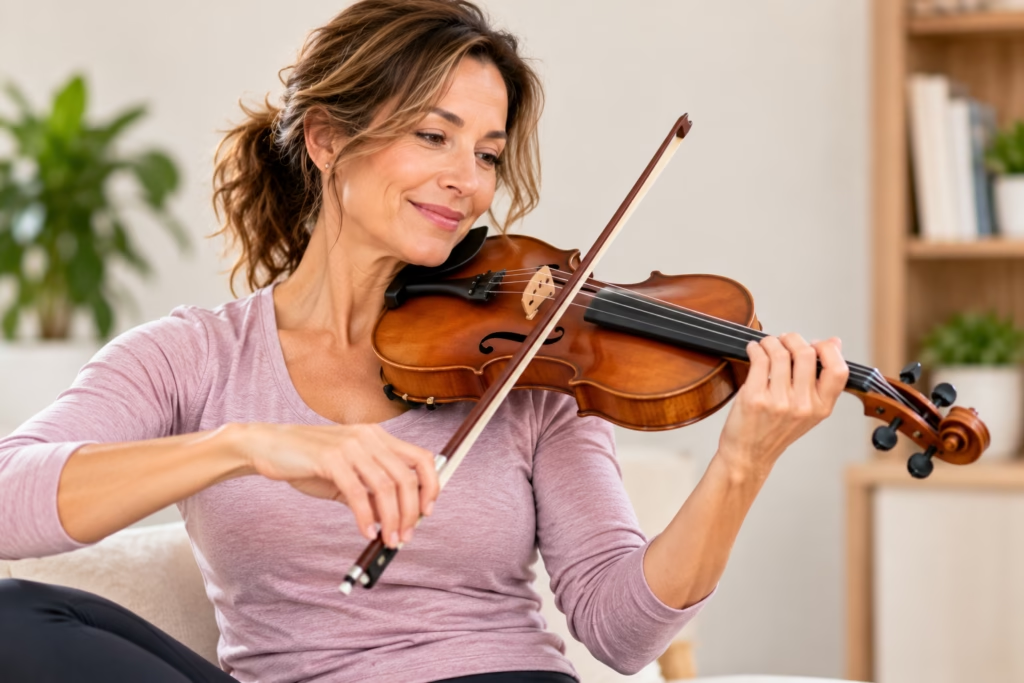
This one might surprise you.
Playing a musical instrument probably isn’t the first activity that comes to mind when you think about exercise.
After all, how much physical activity can you really get from playing the violin, guitar, or drums?
The answer depends on the instrument, how you play it, and how much movement is involved.
Playing an instrument isn’t a replacement for regular aerobic exercise or strength training. However, certain instruments encourage physical movement, coordination, and muscular endurance.
And that makes music an interesting way to bring more activity into your day.
How Playing Music Engages Your Body
Consider someone playing the violin.
They use their arms and shoulders to control the instrument while maintaining an upright posture. Their hands and fingers perform precise movements, and their upper-body muscles help stabilize their position.
A drummer, meanwhile, may use both arms and legs repeatedly, creating a more physically demanding experience.
Even playing the guitar can engage muscles in the hands, arms, shoulders, and upper back.
Depending on the instrument, playing music may help develop:
- Hand-eye coordination and fine motor skills.
- Muscular endurance in frequently used muscle groups.
- Postural awareness.
- Concentration and mental engagement.
- Relaxation and emotional well-being.
However, playing an instrument usually involves less whole-body movement than walking or dancing, so its cardiovascular benefits are generally more limited.
Make Music a More Active Hobby
Already play an instrument? Pay attention to your posture and take regular movement breaks.
You might stand while playing the guitar when appropriate, gently move to the rhythm, or alternate between sitting and standing during practice.
Interested in learning something new? Choose an instrument because you enjoy its sound and the experience of playing it, not simply because it might burn calories.
Music can be a wonderful hobby that supports mental well-being while encouraging certain types of physical activity.
Try this: Spend 15 minutes practicing an instrument you enjoy, then take a short walk or stretch break afterward.
It’s a simple way to combine creativity with more everyday movement.
The Real Secret Is Making Movement Part of Your Life
Here’s something that often gets overlooked in fitness advice.
You don’t have to turn every activity into a workout.
Sometimes, constantly thinking about calories, steps, and exercise goals takes the enjoyment out of moving.
Instead, consider how much time you spend sitting throughout the day.
Maybe you sit while working, watching television, scrolling through your phone, or relaxing after dinner.
There’s nothing wrong with resting. Your body needs that too.
But finding opportunities to break up long periods of sitting can help you become more active without dramatically changing your routine.
You could walk around while talking on the phone, dance to a favorite song between household tasks, or spend a few minutes moving outdoors.
None of these activities needs to feel like a major fitness commitment.
And that’s what makes them so useful.
Can You Really Get Fit Without Traditional Workouts?
Yes, everyday movement can improve your fitness, particularly when you’re starting from a mostly sedentary lifestyle.
However, different activities provide different benefits.
Brisk walking and energetic dancing can contribute to the recommended 150 minutes of moderate-intensity aerobic activity per week for adults.
For overall fitness, it’s also beneficial to include muscle-strengthening activities at least twice a week.
This doesn’t necessarily require a gym membership. Simple activities such as bodyweight squats, wall push-ups, and resistance exercises at home can help maintain strength.
The important thing is to avoid thinking of fitness as an all-or-nothing decision.
You can enjoy walking and dancing while gradually adding other activities that support your long-term health.
What About Days When You Have No Energy?
Some days, even a short walk feels like too much.
Maybe you slept poorly, had a stressful afternoon, or spent the entire day taking care of everyone else.
On those days, you don’t have to push yourself through a demanding routine.
Choose something gentle.
Play a favorite song and sway to the music. Take a slow walk outside for fresh air. Stretch your shoulders while listening to something relaxing.
Or simply rest when your body needs recovery.
Consistency doesn’t mean doing the same amount every single day. It means finding a realistic way to return to movement over time.
That mindset can make staying active feel much less intimidating.
How to Make Exercise Feel Less Like a Chore
One of the easiest ways to build a more active lifestyle is to stop choosing activities based only on how many calories they burn.
Instead, think about what makes you feel good.
Maybe you love being outdoors. Walking through a park could be more appealing than spending 30 minutes on a treadmill.
Perhaps music puts you in a better mood. Dancing around the house might be the activity you actually look forward to.
Or maybe you enjoy creative hobbies. Playing an instrument, followed by a short movement break, could help you spend less of your free time sitting.
The goal is to find activities that fit your personality, energy, and lifestyle.
You don’t need to do everything.
You just need to find something you enjoy enough to repeat.
Final Thoughts: You Don’t Have to Love Working Out to Love Moving
Exercise doesn’t have to be complicated, exhausting, or boring.
Sometimes, it looks like an evening walk through your neighborhood. Sometimes, it’s dancing in your kitchen while your favorite song plays. And sometimes, it’s enjoying a hobby that gets parts of your body moving.
The most important lesson is that physical activity doesn’t have to be limited to a gym or a structured workout routine.
Small moments of movement can add up, and enjoyable activities can make an active lifestyle easier to maintain.
So the next time you feel guilty about missing a workout, remember that staying active isn’t limited to what happens in the gym.
You don’t have to make every movement count as exercise. You just have to give yourself more opportunities to move.
And sometimes, the best exercise is the one that makes you smile.