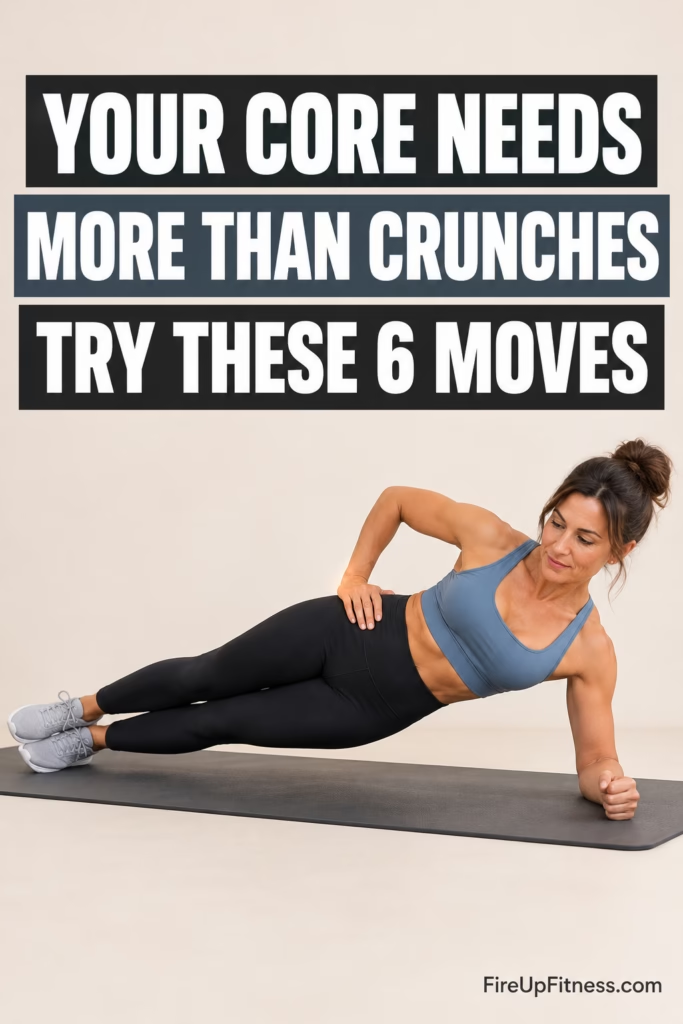
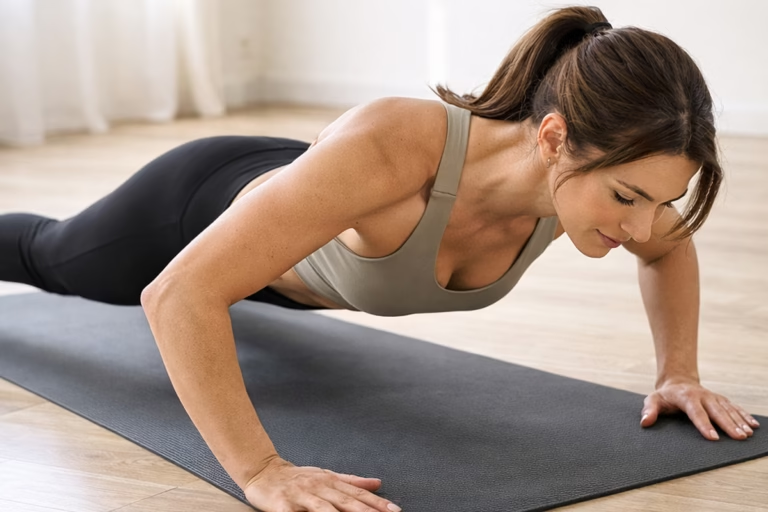
6 Core Exercises for a Stronger, Firmer Stomach
You don’t need to do hundreds of crunches to build a stronger, firmer core. In fact, some of the most effective ab exercises don’t involve crunches at all.
Maybe you’ve been doing sit-ups for weeks, hoping to see more definition around your lower belly, but nothing seems to change. That’s because building abdominal strength and losing belly fat are two different things.
Your core muscles respond to consistent strength training, while changes in belly fat depend on factors such as overall activity, nutrition, sleep, and genetics.
The good news? You can strengthen your abdominal muscles with just a few simple movements, many of which require little or no equipment.
These six core exercises target your abdominal muscles from different angles, helping you improve stability, strengthen your midsection, and feel more confident in everyday movements.
And the best part? You can turn them into a quick 15-minute home workout.
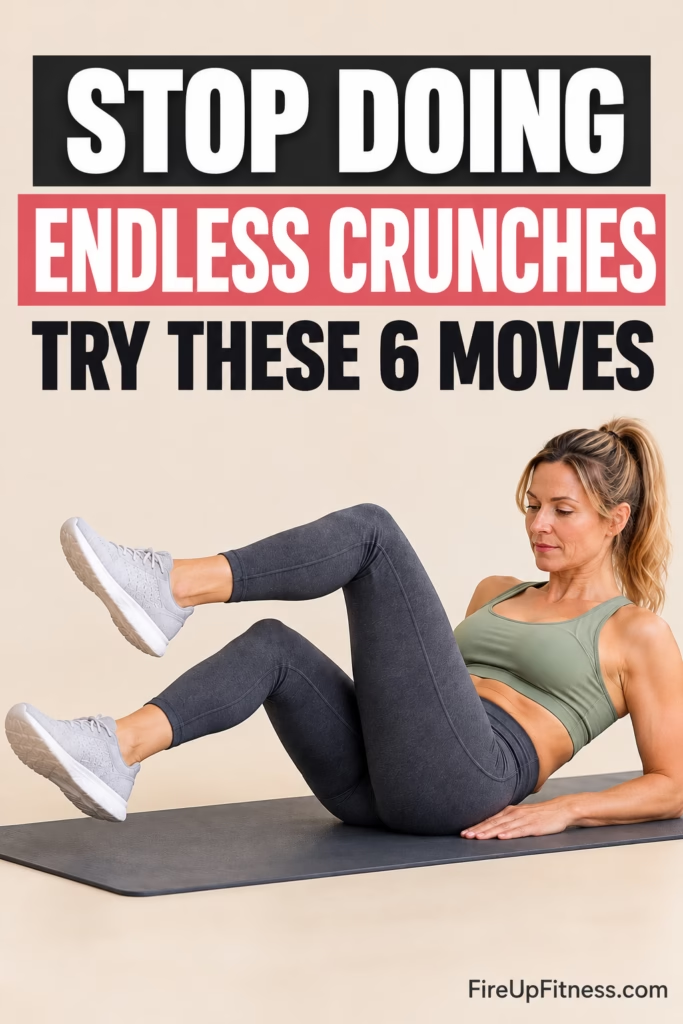
Why Your Lower Belly Needs More Than Crunches
Before getting started, there’s something worth understanding about lower belly exercises.
Your abdominal muscles work together to support your spine, stabilize your pelvis, and control movement. While certain exercises may make you feel more effort in your lower abdominal area, you cannot choose where your body burns fat.
That’s why endless crunches won’t necessarily make stubborn lower belly fat disappear.
Instead, focus on exercises that challenge your entire core, including your rectus abdominis, obliques, and deeper stabilizing muscles.
Combine them with regular walking, full-body strength training, and balanced eating habits for a more complete approach.
1. Heel Taps for Lower Ab Control
Heel taps may look easy, but slow, controlled movements can make your abdominal muscles work surprisingly hard.
This beginner-friendly exercise is especially useful for learning how to engage your core without relying on momentum.
How to do it:
- Lie on your back with your knees bent and feet lifted into a tabletop position.
- Keep your arms beside your body and gently tighten your abdominal muscles.
- Slowly lower one foot until your heel lightly touches the floor.
- Bring your leg back to the starting position.
- Repeat with the opposite foot.
Try: 12–16 alternating taps.
Make it easier: Keep your knees more bent and reduce how far you lower your feet.
Form tip: Keep your lower back comfortable and stable. If it begins to arch excessively, shorten the movement.
2. Mountain Climbers for Core Strength and Cardio
Mountain climbers combine abdominal engagement with full-body movement, making them a practical choice when you’re short on time.
They challenge your shoulders, arms, and core while raising your heart rate.
How to do it:
- Begin in a high plank with your hands directly beneath your shoulders.
- Keep your body in a straight line from head to heels.
- Bring your right knee toward your chest.
- Return your right foot to the starting position.
- Repeat with your left knee.
- Continue alternating at a comfortable pace.
Try: 30 seconds.
Make it easier: Place your hands on a sturdy countertop or bench to reduce the load on your wrists and shoulders.
Form tip: Avoid bouncing your hips. Slow, controlled mountain climbers can be just as challenging for your core.
3. Scissor Kicks to Challenge Your Abdominal Muscles
Scissor kicks are a classic floor exercise that challenges abdominal control while your legs move.
The key is maintaining a stable pelvis rather than lowering your legs as far as possible.
How to do it:
- Lie on your back with your legs extended.
- Keep your head and shoulders resting on the floor.
- Tighten your abdominal muscles and lift both legs slightly.
- Slowly raise one leg while lowering the other.
- Alternate your legs in a controlled scissor-like motion.
Try: 20–30 seconds.
Make it easier: Bend your knees slightly or keep your legs higher above the floor.
Form tip: Avoid forcing your lower back against the floor or allowing it to arch excessively. Stop or modify the exercise if you feel lower-back discomfort.
4. Slider Pikes for a Stronger Core
Ready for something more challenging? Slider pikes require abdominal strength, shoulder stability, and body control.
You’ll need two exercise sliders or small towels on a smooth floor.
How to do it:
- Start in a high plank with your feet resting on sliders.
- Keep your arms straight and shoulders positioned above your wrists.
- Brace your core and slowly slide your feet toward your hands.
- Lift your hips toward the ceiling, forming an inverted V shape.
- Slowly slide your feet back to the plank position.
Try: 6–10 repetitions.
Make it easier: Perform sliding knee tucks instead. Bring both knees toward your chest while keeping your hips relatively low.
Form tip: Avoid dropping your lower back when returning to plank. This is an advanced exercise, so prioritize control over repetitions.
5. Cross-Body Mountain Climbers for Your Obliques
Your obliques are the muscles along the sides of your abdomen. They help your torso rotate and resist unwanted twisting.
Cross-body mountain climbers challenge these muscles while also strengthening your shoulders and improving coordination.
How to do it:
- Begin in a high plank with your hands beneath your shoulders.
- Tighten your abdominal muscles.
- Bring your right knee toward your left elbow.
- Return your right leg to the starting position.
- Bring your left knee toward your right elbow.
- Continue alternating sides.
Try: 20–30 seconds.
Make it easier: Perform the movement slowly with your hands elevated on a sturdy bench.
Form tip: Keep your shoulders stable and avoid twisting your hips excessively.
6. Rolling Planks for Total Core Stability
A strong core isn’t just about moving your body. It’s also about keeping your body steady.
Rolling planks combine a traditional forearm plank with side planks, challenging the muscles around your abdomen, hips, and shoulders.
How to do it:
- Begin in a forearm plank with your elbows beneath your shoulders.
- Hold for 10 seconds while keeping your body straight.
- Slowly rotate onto your right forearm into a side plank.
- Hold for another 10 seconds.
- Return to the center plank.
- Rotate onto your left forearm and hold for 10 seconds.
Try: 2 complete rounds.
Make it easier: Keep your bottom knee on the floor during side planks.
Form tip: Move slowly between positions. Your hips should remain lifted rather than sagging toward the floor.
Your 15-Minute Core Workout at Home
Now that you know the six exercises, here’s how to put them together into a simple routine.
You don’t need to complete every movement at maximum intensity. Focus on maintaining good form throughout the workout.
| Exercise | Reps or time |
|---|---|
| Heel Taps | 16 total |
| Mountain Climbers | 30 seconds |
| Scissor Kicks | 20 seconds |
| Slider Pikes | 8 reps |
| Cross-Body Mountain Climbers | 30 seconds |
| Rolling Planks | 30 seconds |
How to follow the routine:
Start with 2–3 minutes of gentle marching, shoulder circles, and standing torso movements to warm up.
Complete the six exercises in order, resting approximately 20–30 seconds between movements. Rest for 60 seconds after finishing one round.
Repeat for 2–3 rounds, depending on your fitness level. Finish with a couple of minutes of relaxed stretching and breathing.
The full session should take approximately 12–18 minutes, depending on your pace and rest periods.
Beginners can start with one round and build up gradually.
How Often Should You Train Your Abs?
You don’t need to train your abs every single day to make progress.
For most beginners, two to three core workouts per week is a practical starting point. Allow recovery time between challenging sessions, especially when your muscles feel sore.
As the exercises become easier, increase repetitions, improve movement control, or try a more challenging variation.
And remember, your core also works during squats, lunges, push-ups, and many everyday activities.
Common Mistakes That Can Hold Back Your Progress
Even a short workout can become less effective when you’re rushing through the movements.
Here are a few habits worth avoiding:
- Moving too quickly: Using momentum reduces the control required from your abdominal muscles.
- Holding your breath: Breathe steadily throughout each exercise, exhaling during the more challenging portion.
- Ignoring lower-back discomfort: Modify the exercise rather than pushing through pain.
- Training only your abs: Include full-body strength training, walking, and other enjoyable physical activities.
- Expecting instant results: Strength and visible muscle definition develop gradually, and everyone’s body responds differently.
Consistency matters much more than doing one extremely difficult workout.
Can These Exercises Help Reduce Lower Belly Fat?
These exercises can strengthen your abdominal muscles, but they won’t specifically burn fat from your lower belly.
For reducing overall body fat, a sustainable approach generally includes regular physical activity, sufficient protein, balanced meals, and an appropriate calorie intake.
Walking is another helpful addition, especially when combined with strength training.
You may notice improvements in abdominal strength and exercise control before seeing changes in your waistline. Those improvements are meaningful progress, too.
Final Thoughts: Build a Stronger Core One Workout at a Time
A stronger stomach doesn’t come from doing endless crunches or chasing the hardest ab routine.
It comes from practicing movements that challenge your core, gradually improving your strength, and giving your body enough time to recover.
Start with heel taps and slow mountain climbers. Add scissor kicks and rolling planks as your confidence improves. Save slider pikes for when you’re ready for a greater challenge.
You don’t need a perfect workout. You need a routine you can repeat.
Save these six core exercises for your next at-home workout and see how much stronger you feel with consistent practice.