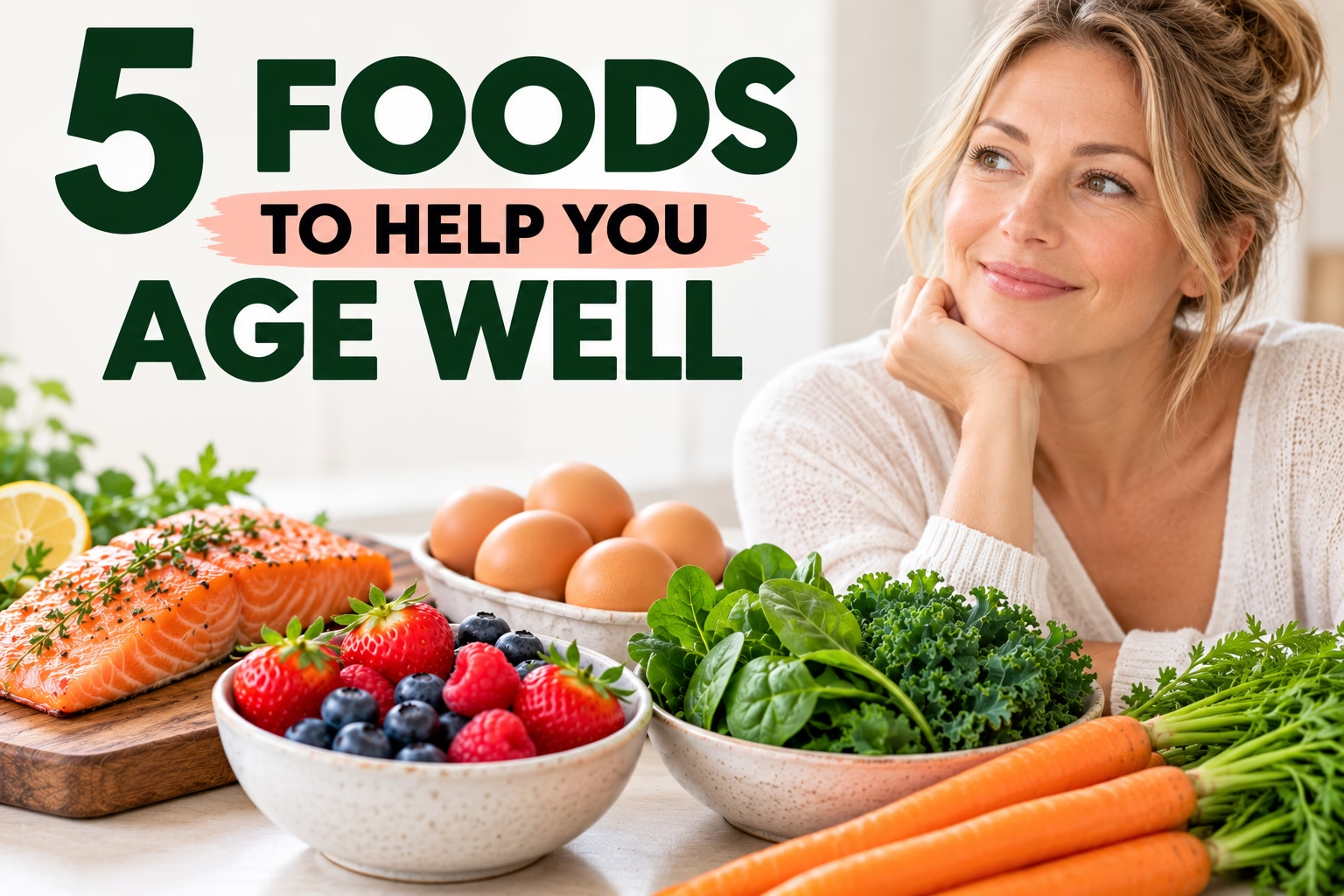
5 Best Foods for Healthy Aging and Glowing Skin
Aging is inevitable, but how well you age can be influenced by the choices you make every day. And one of the simplest places to start is your plate.
You may have noticed that some women seem to maintain glowing skin, healthy hair, and plenty of energy well into their 40s, 50s, and beyond. While genetics and lifestyle certainly play a role, what they eat can also make a difference.
The good news? You don’t need expensive anti-aging supplements, complicated diets, or trendy superfoods to support healthy aging.
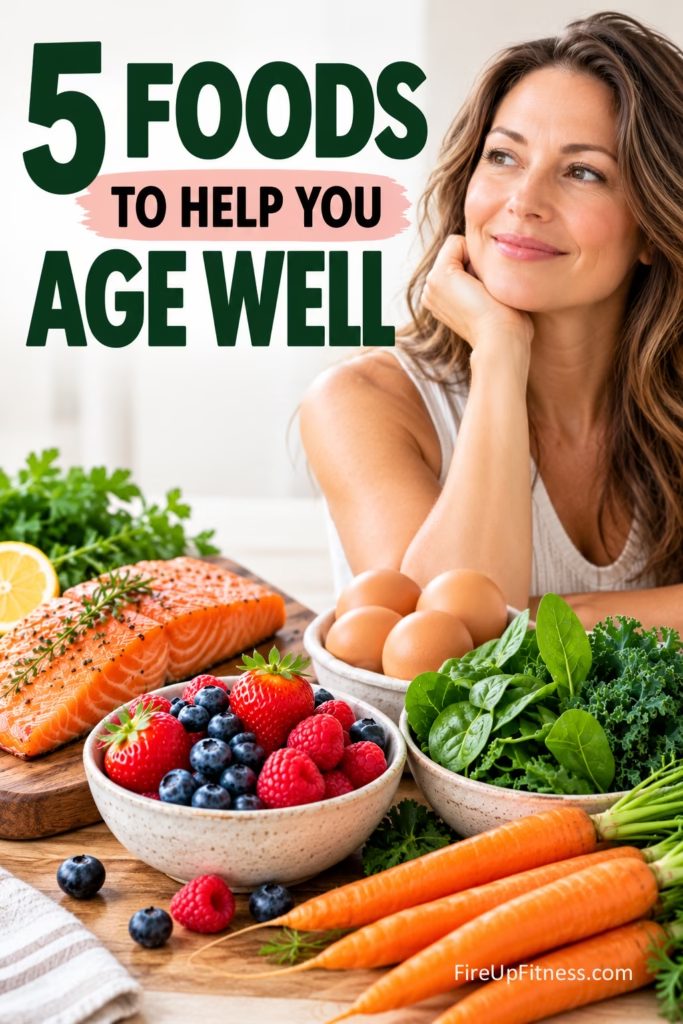
Many everyday foods contain nutrients that help protect your cells, maintain healthy skin, and support your body as you get older.
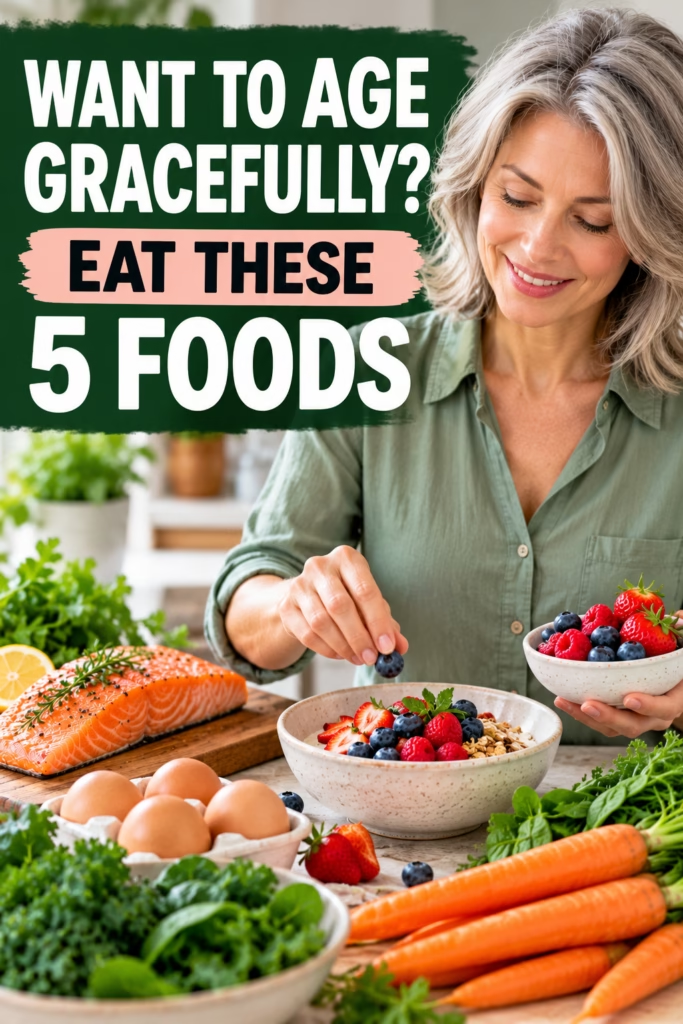
Here are five foods that help you age well and why they deserve a regular place on your plate.
1. Fatty Fish: Nourish Your Skin From Within
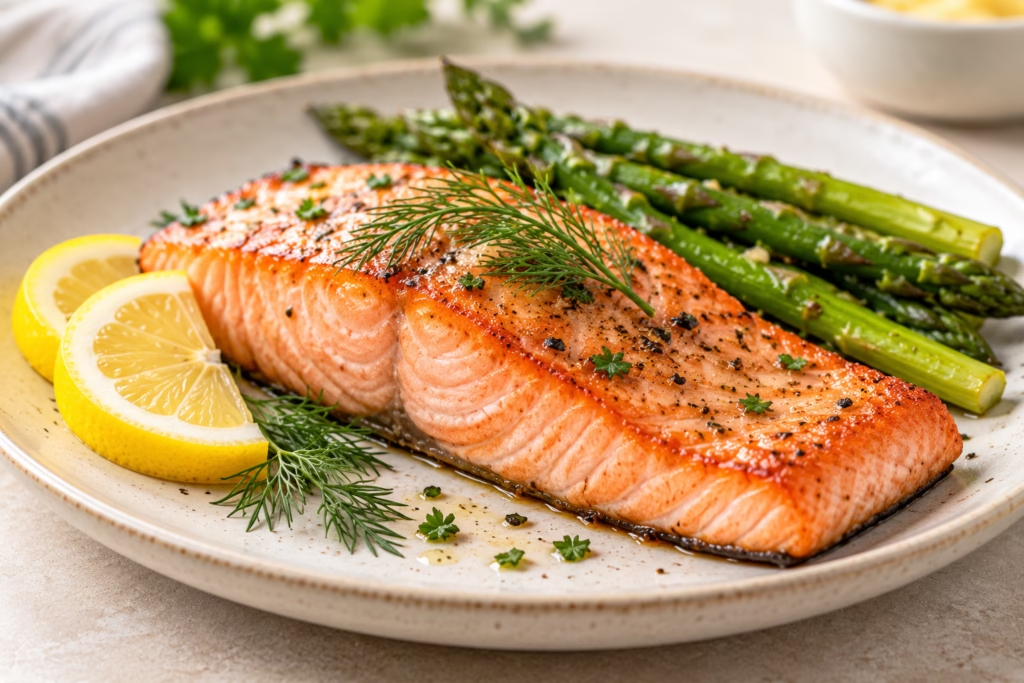
Want to keep your skin looking healthy as you age? Fatty fish is a great place to start.
Salmon, sardines, trout, and mackerel contain omega-3 fatty acids, which help support heart health and the body’s normal inflammatory response.
These healthy fats also play a role in maintaining the skin’s protective barrier, helping it retain moisture and stay comfortable.
Fatty fish provides high-quality protein, which your body needs to maintain muscle and repair tissues. That’s especially important after 40, when preserving muscle becomes increasingly valuable for strength and mobility.
An easy way to enjoy it: Try baked salmon with roasted vegetables, add sardines to whole-grain toast, or prepare a simple fish dinner with lemon and herbs.
You don’t need to eat fish every day. Enjoying a variety of fish, including fatty fish, throughout the week can help you get these valuable nutrients.
2. Berries: Small Fruits With Big Skin Benefits
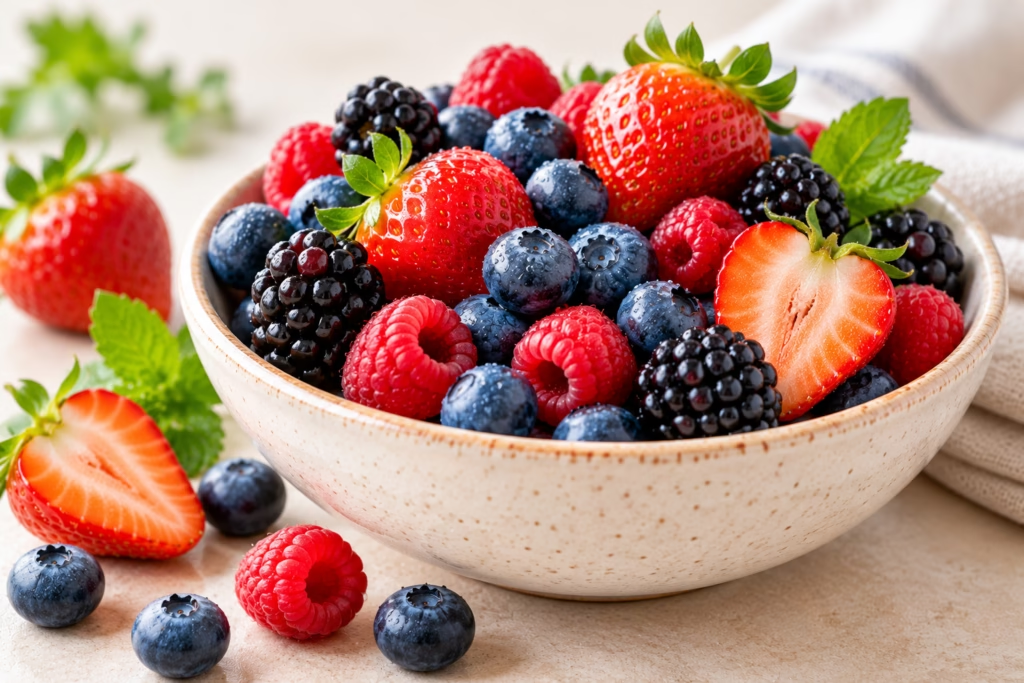
There’s something wonderful about a food that tastes like a treat but also offers impressive nutritional benefits.
Blueberries, strawberries, raspberries, and blackberries are rich in plant compounds called polyphenols, including antioxidants that help protect cells from oxidative stress.
Oxidative stress is one of the processes involved in aging, and eating antioxidant-rich foods supports your body’s natural defenses.
Strawberries are also an excellent source of vitamin C, a nutrient your body needs to produce collagen.
Collagen helps give skin its structure and firmness. Although eating berries won’t erase wrinkles, getting enough vitamin C supports normal collagen production and overall skin health.
Berries also provide fiber, making them a smart choice for digestive health.
An easy way to enjoy them: Add blueberries to oatmeal, blend strawberries into a smoothie, or keep a bowl of mixed berries in the refrigerator for a refreshing afternoon snack.
Frozen berries are just as convenient and can be a budget-friendly option.
3. Eggs: A Simple Food for Healthy Aging After 40
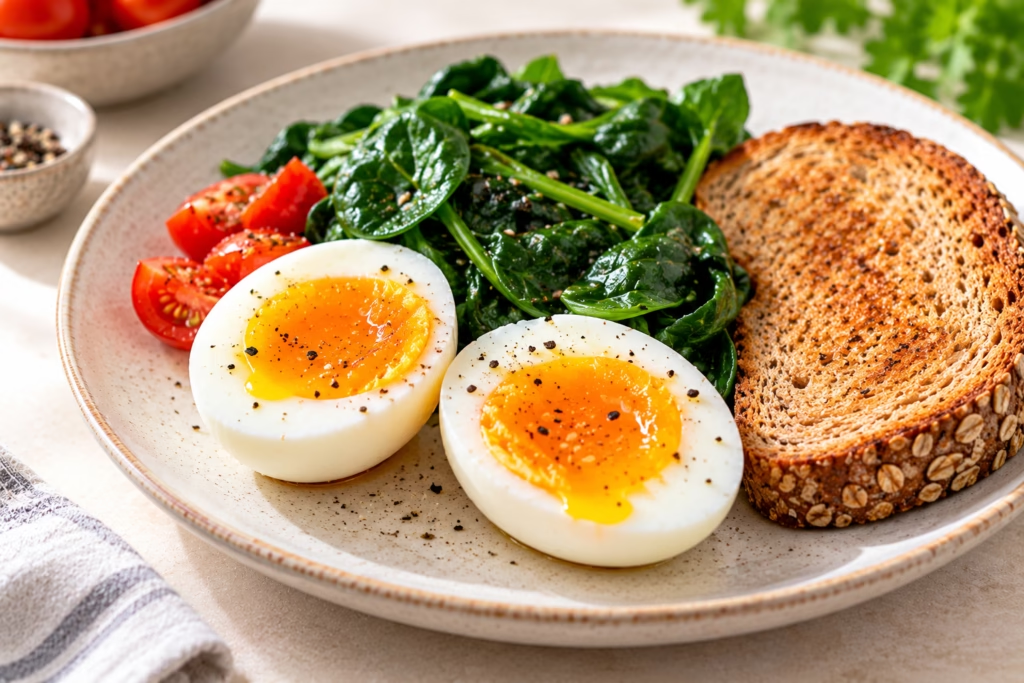
Eggs may be one of the most underrated foods for healthy aging.
They’re affordable, easy to prepare, and packed with nutrients your body continues to need as you get older.
One of their biggest advantages is protein.
As women move through their 40s and beyond, maintaining muscle becomes increasingly important. Adequate protein, combined with regular strength-building activity, helps preserve the muscles that support everyday movement.
Eggs also contain choline, an essential nutrient involved in brain and nervous system function.
And here’s another benefit you might not expect: egg yolks provide lutein and zeaxanthin, two nutrients that accumulate in the retina and support eye health.
For most healthy adults, eggs can fit into a balanced diet, although individual cholesterol and heart-health considerations may affect how often they’re recommended.
An easy way to enjoy them: Try scrambled eggs with spinach, a vegetable omelet, or a hard-boiled egg alongside your breakfast.
Choose cooked eggs rather than raw ones to reduce the risk of foodborne illness.
4. Leafy Greens: Give Your Body More of What It Needs
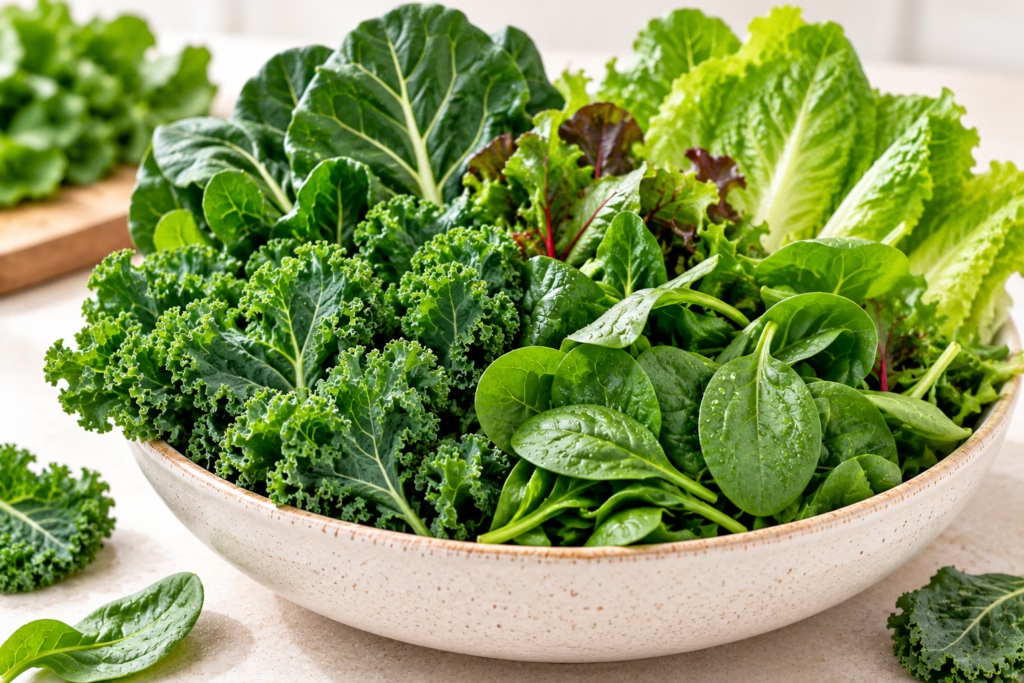
You probably already know that vegetables are good for you. But leafy greens deserve extra attention when it comes to aging well.
Spinach, kale, collard greens, and romaine lettuce offer a combination of vitamins, minerals, fiber, and protective plant compounds.
Many dark leafy greens contain lutein and zeaxanthin, which help support the health of your eyes as you age.
This matters because age-related changes in vision can affect everything from reading to driving and enjoying everyday activities.
Leafy greens also provide vitamin K, which supports normal blood clotting and contributes to bone health.
And unlike many expensive wellness products, these vegetables are easy to find and can be used in countless meals.
An easy way to enjoy them: Add spinach to your morning eggs, mix kale into soups, or prepare a colorful salad with leafy greens, tomatoes, and olive oil.
Cooking some greens can make them easier to eat in larger portions, while pairing them with a little healthy fat can help your body absorb certain nutrients.
Small additions like these can make your everyday meals more nourishing without changing your entire eating routine.
5. Carrots: Support Healthy Skin and Vision Naturally
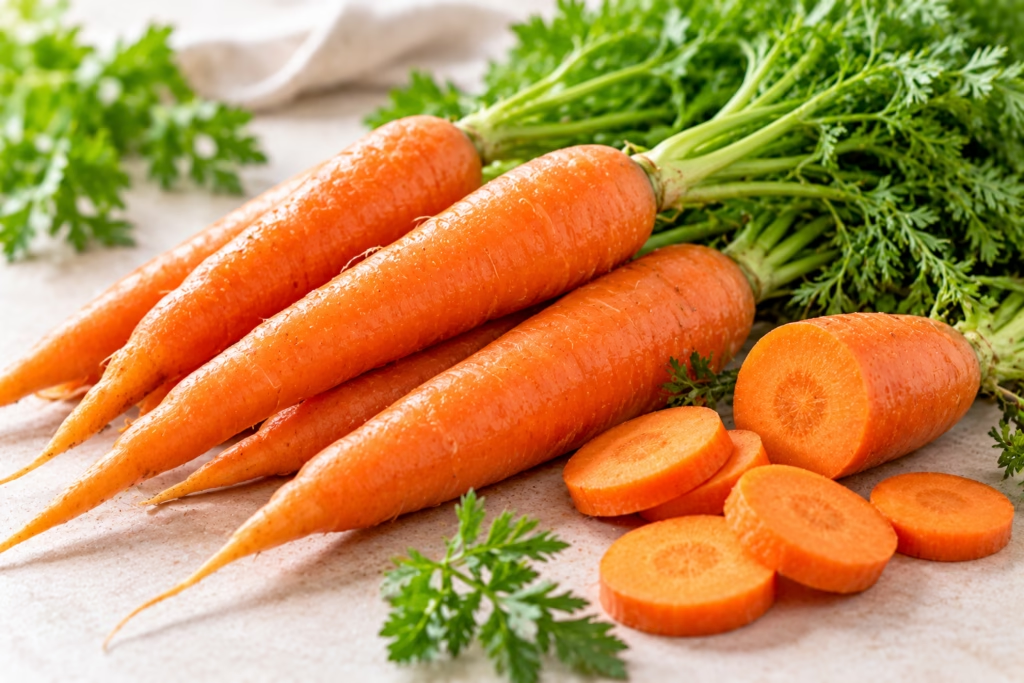
Carrots have long been associated with healthy eyesight, but their benefits go beyond that.
Their bright orange color comes from beta-carotene, a plant pigment that your body can convert into vitamin A.
Vitamin A plays an important role in maintaining normal skin, supporting immune function, and keeping your eyes healthy.
Beta-carotene also acts as an antioxidant, helping protect cells against oxidative damage.
While carrots won’t prevent wrinkles or stop skin from aging, they provide nutrients that support the normal maintenance of healthy skin.
And because carrots are naturally sweet, crunchy, and versatile, they’re an easy addition to almost any eating pattern.
An easy way to enjoy them: Snack on carrot sticks with hummus, add shredded carrots to salads, or roast them with a little olive oil for a naturally sweet side dish.
Can Eating the Right Foods Really Slow Aging?
It’s tempting to believe that a handful of foods can turn back the clock. But aging is much more complicated than that.
No single food has been proven to stop biological aging or guarantee younger-looking skin.
What research does suggest is that eating patterns rich in vegetables, fruits, fish, healthy fats, and other nutrient-dense foods can support long-term health and may reduce the risk of certain age-related diseases.
And that’s an important distinction.
Healthy aging isn’t simply about avoiding wrinkles. It’s also about maintaining your strength, protecting your heart, supporting your brain, and continuing to feel good in your body.
Your eating habits are just one part of the picture. Regular movement, quality sleep, sun protection, avoiding smoking, and managing stress also make a meaningful difference.
The Best Anti-Aging Diet Is One You Can Stick With
You don’t need a refrigerator full of superfoods or a strict meal plan to eat for healthy aging.
Think about what your meals look like over the course of a week.
Maybe you add berries to breakfast a few mornings, enjoy salmon for dinner, include more greens in your lunches, and keep carrots around for an easy snack.
Those choices might seem small, but they help create a varied eating pattern that supplies the nutrients your body needs.
And remember, eating well after 40 isn’t about trying to look 25 again. It’s about giving your body the support it needs to stay healthy, strong, and active through the years ahead.
Final Thoughts
Aging well doesn’t require chasing every new wellness trend.
Sometimes, the most useful habits are also the simplest.
Fatty fish, berries, eggs, leafy greens, and carrots are familiar foods with real nutritional value. Together with a balanced lifestyle, they can help support healthy skin, strong muscles, good vision, and overall well-being.
You can’t control every part of aging, but you can make choices that support your health along the way.
And that’s a much better goal than trying to stop the clock.