7 Things Women Who Age Well Do Differently
Have you ever met a woman in her 50s, 60s, or even 70s who seems full of energy, moves with confidence, and genuinely enjoys life?
It’s not necessarily because she has great genes, follows an expensive wellness routine, or spends hours at the gym.
Often, it’s the little things she does consistently.
The way she moves her body. The foods she eats most often. How she handles stress. The importance she places on sleep. And perhaps most importantly, how she makes time to take care of herself.
Aging well isn’t about looking younger. It’s about feeling stronger, staying active, and enjoying life as the years go by.
And while genetics, health conditions, and life circumstances all influence how we age, our everyday choices can make a meaningful difference.
The good news? You don’t need to change your entire lifestyle to start building healthier habits.
Here are seven things women who age well often make a priority, along with simple ways you can start doing them too.
1. They Move Their Bodies Even When They Don’t Feel Like Exercising
One thing many healthy, active older women have in common is that movement is part of their everyday lives.
They don’t necessarily wake up at 5 a.m. for intense workouts or spend hours lifting weights.
Instead, they look for opportunities to stay active.
They walk after dinner, take the stairs when practical, work in the garden, stretch in the morning, or dance while doing household chores.
These small activities help reduce prolonged sitting and keep the body moving.
Regular physical activity can support cardiovascular health, mobility, mood, and overall fitness as you age.
Try These Simple Ways to Move More
- Take a 10–15 minute walk after breakfast or dinner.
- Stand up and move around regularly when sitting for long periods.
- Stretch gently after waking up.
- Dance to your favorite songs while cleaning.
- Go for a longer walk on weekends.
Start here: Set a goal to move for 10 minutes every day this week.
Once that feels comfortable, gradually increase your activity.
You don’t have to exercise intensely every day to benefit from movement. What matters is finding activities you enjoy and can repeat.
2. They Make Strength Training a Priority
Walking is wonderful for your health, but there’s another habit that becomes increasingly important as you get older: building and maintaining muscle.
Women naturally tend to lose muscle mass and strength with age, particularly during and after midlife.
Without regular strength-building activity, everyday tasks such as climbing stairs, carrying groceries, or getting up from a chair can become more challenging.
Strength training helps maintain muscle, supports bone health, and improves the ability to perform daily activities.
And you don’t need a gym membership to get started.
A Simple Beginner Strength Routine
Try these five exercises at home.
1. Chair Squats
Stand in front of a sturdy chair with your feet about hip-width apart. Slowly bend your knees and hips as though you’re about to sit down. Lightly touch the chair, then stand back up.
Complete 8–12 repetitions.
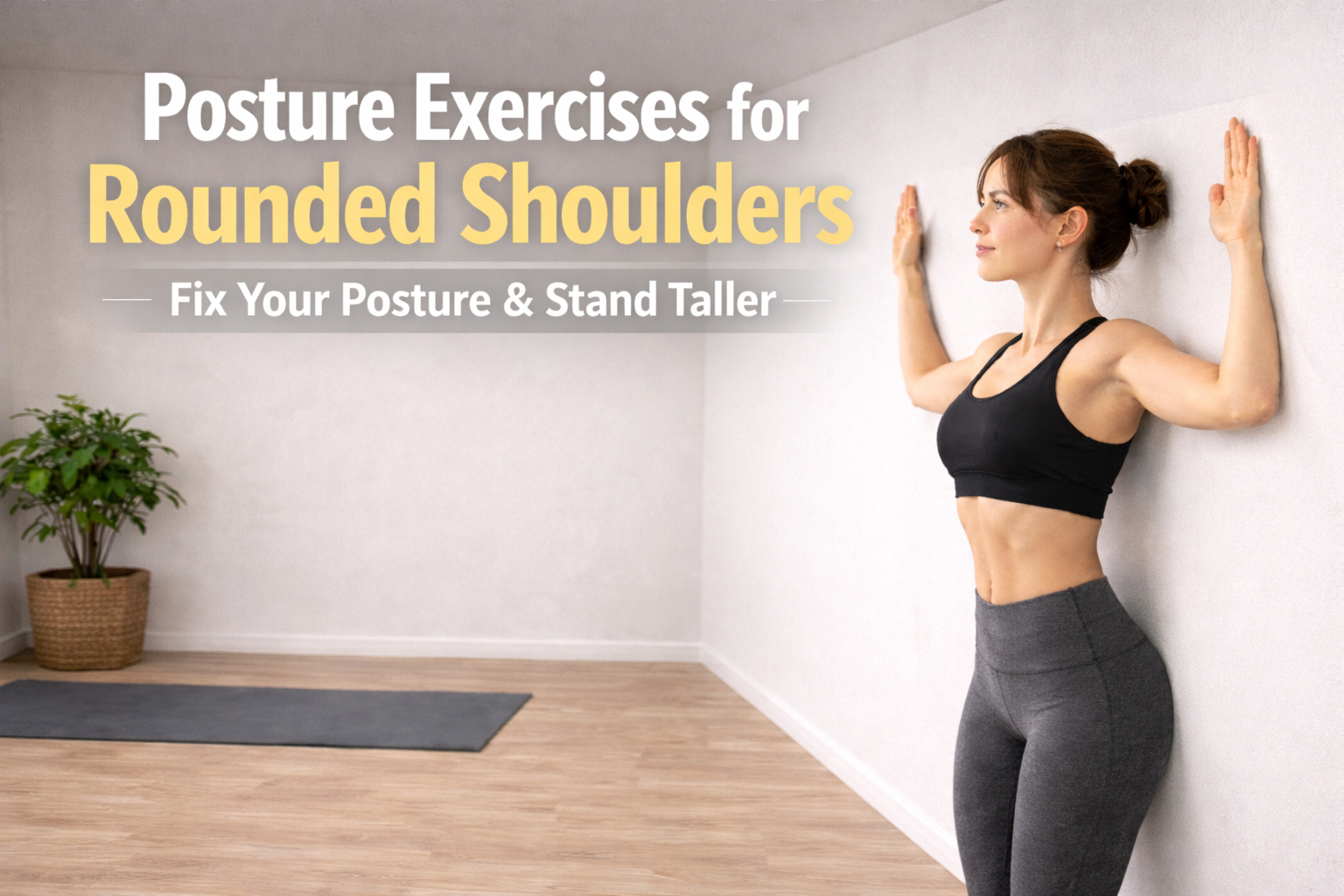
2. Wall Push-Ups
Stand facing a wall with your palms placed at shoulder height. Bend your elbows to bring your chest toward the wall, then push yourself away.
Complete 8–12 repetitions.
3. Standing Calf Raises
Hold the back of a sturdy chair for support. Slowly lift your heels off the floor, pause briefly, and lower them.
Complete 12–15 repetitions.
4. Glute Bridges
Lie on your back with your knees bent and feet flat on the floor. Tighten your glutes and lift your hips until your body forms a comfortable straight line from shoulders to knees. Lower slowly.
Complete 10–12 repetitions.
5. Bird Dogs
Begin on your hands and knees. Extend your right arm and left leg while keeping your back steady. Return to the starting position and switch sides.
Complete 6–10 repetitions per side.
Start with one round, rest as needed, and gradually work toward two rounds.
Aim to include muscle-strengthening activities at least twice a week, allowing recovery between sessions.
Remember: Strength training isn’t just about how your body looks. It’s about maintaining the strength and independence to enjoy life as you get older.
3. They Eat to Nourish Their Bodies, Not Punish Them
Women who maintain healthy habits over the years don’t necessarily follow perfect diets.
Instead, they often focus on eating in ways that support their health and energy.
They understand that food is more than a number on a calorie tracker.
Your body needs protein to maintain muscle, fiber for digestive health, healthy fats for essential body functions, and vitamins and minerals for overall well-being.
As women get older, getting enough protein, calcium, and vitamin D becomes particularly important for supporting muscle and bone health.
Simple Eating Habits Worth Adopting
- Include protein at meals with foods such as eggs, yogurt, beans, fish, tofu, or chicken.
- Eat a variety of colorful fruits and vegetables.
- Choose whole grains more often for additional fiber.
- Include calcium-rich foods such as yogurt, fortified plant beverages, or other suitable sources.
- Drink water regularly, especially during physical activity or warm weather.
- Enjoy favorite foods without turning every meal into a strict set of rules.
You don’t have to eliminate bread, avoid every dessert, or follow the latest diet trend to eat well.
Make Your Next Meal a Little Healthier
Instead of trying to change your entire diet, start with one meal.
For breakfast, you might have oatmeal topped with Greek yogurt and berries.
For lunch, try a vegetable-filled wrap with chicken, beans, or hummus.
For dinner, enjoy a balanced plate with vegetables, a protein source, and a whole grain.
These small improvements can help you build healthier eating patterns without feeling overwhelmed.
4. They Protect Their Sleep Instead of Sacrificing It
It’s easy to underestimate the importance of sleep.
You may tell yourself that staying up another hour to finish chores, watch television, or scroll through your phone won’t make much difference.
But regularly missing sleep can affect how you feel throughout the day.
Sleep plays an important role in memory, concentration, emotional regulation, immune function, and physical recovery.
Most adults need approximately seven to nine hours of sleep each night, although individual requirements vary.
During perimenopause and menopause, hormonal changes and symptoms such as night sweats can make restful sleep more difficult for some women.
That’s why building supportive sleep habits matters.
Evening Habits That May Help You Sleep Better
- Try to go to bed and wake up at consistent times.
- Keep your bedroom cool, dark, and quiet.
- Reduce screen use when it interferes with bedtime.
- Avoid caffeine late in the day if it affects your sleep.
- Create a relaxing evening routine with reading, gentle stretching, or quiet time.
- Get daylight exposure and regular physical activity during the day.
Try this tonight: Start winding down 20–30 minutes earlier than usual.
If you experience persistent insomnia, loud snoring, or daytime sleepiness, speak with a healthcare professional rather than assuming poor sleep is simply part of getting older.
Getting enough rest is one of the most valuable ways to support your health.
5. They Don’t Let Stress Control Their Entire Day
Stress is a normal part of life.
Work responsibilities, family demands, financial concerns, and unexpected challenges can leave anyone feeling overwhelmed.
But when stress becomes constant, it can affect sleep, mood, concentration, and physical well-being.
Women who prioritize healthy aging often recognize the importance of managing stress rather than ignoring it.
That doesn’t mean they never worry or have difficult days.
It means they make room for activities that help them cope.
Five Simple Ways to Manage Daily Stress
Take a short walk. Physical activity can help improve mood and provide a mental break.
Practice slow breathing. Spend a few minutes breathing gently and slowly when you feel tense.
Set realistic boundaries. You don’t have to agree to every request or take responsibility for everything.
Stay connected. Talk to friends, family members, or other supportive people.
Make time for something enjoyable. Gardening, reading, listening to music, or spending time outdoors can offer a welcome break.
One particularly helpful habit is learning to recognize when you’re doing too much.
Sometimes, the best thing you can do for your well-being is say no to one more obligation.
Aging well isn’t about avoiding every stressful situation. It’s about developing healthier ways to respond to life’s challenges.
6. They Keep Their Minds Active and Relationships Strong
Healthy aging involves more than taking care of your muscles and heart.
Your brain and emotional well-being matter too.
Staying mentally engaged, maintaining social connections, and continuing to learn can contribute to a more fulfilling life as you get older.
Women who age well often make room for curiosity, friendships, hobbies, and meaningful experiences.
They don’t assume that getting older means they should stop learning or trying new things.
Easy Ways to Stay Mentally and Socially Active
- Read books or listen to educational podcasts.
- Learn a new recipe, language, craft, or skill.
- Join a walking group, class, or community activity.
- Spend quality time with friends and family.
- Volunteer for a cause you care about.
- Try activities that challenge your thinking and creativity.
You don’t need to fill every hour with activities.
Even small moments of connection can make a difference.
Call an old friend. Invite someone for a walk. Try something you’ve always wanted to learn.
Strong social connections are associated with better health and well-being, while prolonged loneliness and isolation can negatively affect health.
The goal isn’t to stay busy. It’s to stay connected, curious, and engaged with life.
7. They Stop Putting Their Own Health Last
This may be one of the most important habits of all.
Many women spend years caring for everyone around them.
They make sure their families eat well, remember appointments, manage responsibilities, and help others through difficult times.
But somewhere along the way, their own needs get pushed aside.
They postpone medical appointments, skip workouts, ignore fatigue, and tell themselves they’ll focus on their health when life becomes less busy.
Unfortunately, that perfect time may never arrive.
Women who prioritize healthy aging recognize that caring for themselves is not selfish.
It’s necessary.
What Putting Yourself First Can Look Like
It doesn’t mean ignoring your family or responsibilities.
It means making your health part of your everyday schedule.
For example:
- Schedule recommended health screenings and preventive appointments.
- Make time for exercise, even when your schedule is busy.
- Take breaks when you’re physically or mentally exhausted.
- Pay attention to persistent symptoms instead of dismissing them.
- Spend time on hobbies and activities that bring you joy.
- Ask for help when responsibilities become overwhelming.
Preventive care is especially important as you get older. Depending on your personal risk factors and medical history, this may include blood pressure monitoring, cholesterol testing, diabetes screening, cancer screening, and recommended vaccinations.
You deserve the same care and attention you give to the people you love.
A Simple 7-Day Healthy Aging Challenge
Knowing what to do is helpful. Actually doing it is what makes the difference.
Use this beginner-friendly challenge to put the seven habits into practice.
| Day | Your Healthy Aging Habit |
|---|---|
| Monday | Take a 15-minute walk |
| Tuesday | Complete a 10-minute strength workout |
| Wednesday | Add a protein source and vegetables to a meal |
| Thursday | Begin your bedtime routine 30 minutes earlier |
| Friday | Spend 10 minutes relaxing without distractions |
| Saturday | Connect with a friend or try something new |
| Sunday | Review your health priorities and plan next week |
Don’t worry about completing everything perfectly.
The purpose is to discover small habits that fit into your real life.
Once you finish the week, repeat the challenge or choose two or three habits to practice more consistently.
5 Common Mistakes That Can Make Healthy Aging Harder
Sometimes, improving your health isn’t just about what you start doing. It’s also about what you stop doing.
Here are five habits worth reconsidering.
1. Thinking walking is the only exercise you need. Walking is excellent, but adding strength and balance training can provide additional benefits for healthy aging.
2. Following overly restrictive diets. Eating too little or eliminating entire food groups unnecessarily can make it harder to get the nutrients your body needs.
3. Ignoring persistent tiredness. Ongoing fatigue isn’t always caused by a busy schedule. Sometimes, it signals a health concern that needs attention.
4. Assuming getting older means becoming weaker. Some physical changes occur with age, but regular exercise can help preserve and improve strength and function.
5. Waiting for motivation. Building simple routines and making healthy choices convenient can help you stay consistent even when motivation is low.
The goal isn’t to be perfect. It’s to keep making choices that support your well-being.
What Does Aging Well Really Mean?
Aging well looks different for every woman.
For one person, it may mean having the energy to travel and explore new places.
For another, it may mean playing with grandchildren, maintaining independence, managing a chronic health condition, or simply feeling comfortable and capable in everyday life.
It isn’t defined by having wrinkle-free skin, fitting into a smaller clothing size, or looking decades younger.
And it certainly doesn’t mean never experiencing health challenges.
Healthy aging is about supporting your physical, mental, and emotional well-being so you can enjoy the best possible quality of life at every stage.
Your habits are only one part of the picture, but they’re an important part you can influence.
Final Thoughts: The Best Time to Start Is Now
You don’t have to wait until your 50s or 60s to start thinking about healthy aging.
And if you’re already in those decades or beyond, it’s not too late to build habits that support your well-being.
Start walking a little more. Make strength training part of your week. Eat nourishing meals, prioritize sleep, manage stress, and stay connected to the people and activities you love.
Most importantly, stop treating your health as something you’ll get around to later.
You don’t need an expensive wellness routine or a complete lifestyle makeover.
You need small, realistic habits you can maintain.
Because aging well isn’t about trying to stay young forever. It’s about staying strong, active, and able to enjoy the life you’re living.