
Knee Strengthening Exercises: Build Stability and Strength
Your knees do more for you than you probably appreciate. From walking and climbing stairs to squatting and standing from a chair, healthy knees are central to almost every daily movement. But weak or unstable knees can limit your mobility, cause discomfort, and even increase your risk of injury. That’s where the right knee strengthening exercises and stability exercises come in.
Whether you’re dealing with discomfort, recovering from a past injury, or just want to build resilience through movement, this comprehensive guide will show you how to strengthen knees safely, including modifications for bad knee workouts and movements perfect for people with bad knees.
Why Knee Strength Matters
Our knees are complex joints that act as shock absorbers and hinge points every time we walk, run, sit, or stand. When the muscles around the knee—especially the quads, glutes, hamstrings, and calves—are weak, the knee joint receives more stress than it should. This imbalance can lead to pain, instability, and difficulty performing everyday activities.
Strengthening these muscles supports joint alignment, reduces strain, and enhances balance, which means you can move more confidently and comfortably in your daily life.
Stronger knees also:
- Help improve posture and functional mobility
- Support better athletic performance and balance
- Reduce the risk of pain, injury, or joint degeneration
- Improve your ability to recover from previous knee irritation
According to research on knee strengthening, exercises such as leg lifts, hamstring work, wall squats, and step movements are particularly effective for building support around the knee joint.
Bad Knee Workouts: What to Avoid
If you have sensitive knees, a history of injury, or pain when doing certain movements, some exercises can aggravate discomfort rather than help. A bad knee workout often includes:
- Deep, heavy squats with poor form
- High-impact movements like jump lunges
- Fast, uncontrolled twists or hops
- Excessive running on hard surfaces with no strength support
These movements place excessive force on the knee joint, especially if the surrounding muscles aren’t ready for them. Rather than trying to “power through” pain, focus on low-impact knee exercises that build support and confidence first.
Core Principles for Safely Strengthening Your Knees
Before jumping into exercises, here are a few principles to keep your knee strengthening routine effective and safe:
1. Warm Up Your Lower Body
Always begin with a gentle warm-up. This increases blood flow and prepares muscles and joints for work. Try light walking, heel raises, or gentle knee circles for a few minutes.
2. Focus on Muscle Control, Not Speed
Slow, controlled movements improve muscle activation and reduce jerky stress on your joints.
3. Balance Strength and Mobility
Your knees don’t function in isolation—they rely on your hips, ankles, and core for balance and alignment. Integrating stability exercises into your workout enhances overall joint function.
4. Prioritize Pain-Free Range of Motion
If an exercise causes sharp pain, adjust the depth, resistance, or range of motion. Discomfort is normal; sharp pain is not.
Best Knee Strengthening Exercises for Stability and Support
Below are effective knee strengthening exercises you can do at home or in the gym. They’re organized from foundational stability and mobility work to more functional movements. Many of these are also recommended in medical and physical therapy guides for knee support.
🔹 1. Straight Leg Raises
How to do it:
Lie on your back with one leg bent and the other straight. Slowly lift the straight leg to about 6–10 inches from the ground, hold briefly, then lower with control.
Why it works:
Straight leg raises target the quadriceps without bending the knee, making them ideal if you’re asking how to strengthen knees with minimal joint strain.
🔹 2. Clamshells
How to do it:
Lie on your side with knees bent. Keeping your feet together, lift the top knee while keeping your pelvis stable, then lower it. Repeat on both sides.
Why it works:
This exercise strengthens hip stabilizers that indirectly reduce knee strain and improve alignment during movement.
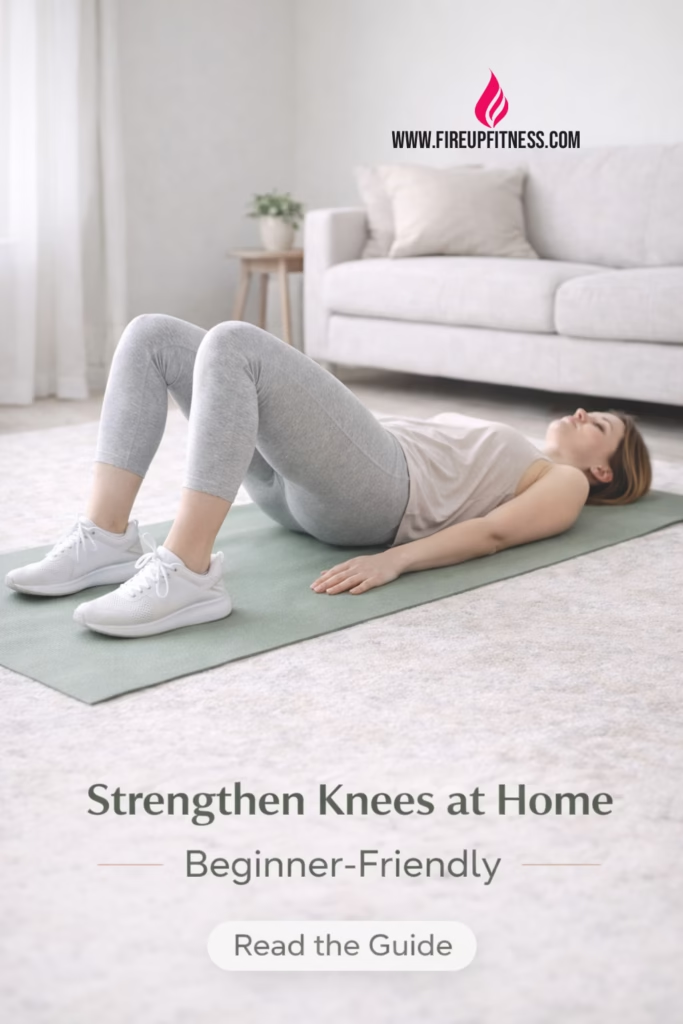
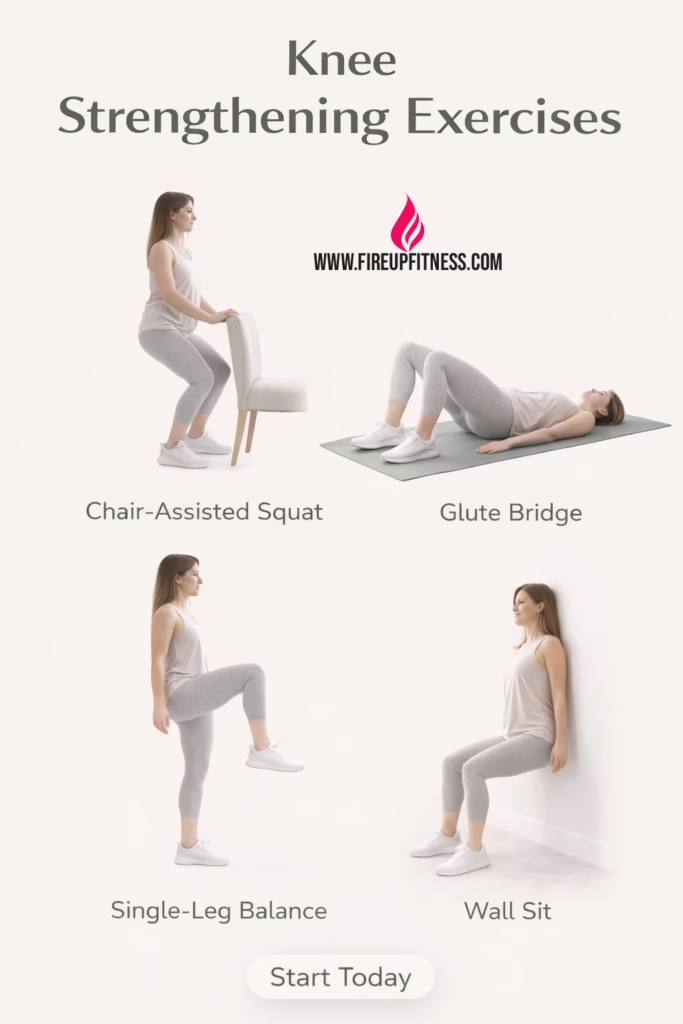
🔹 3. Glute Bridges
How to do it:
Lie on your back with feet hip-width apart. Push through your heels and lift your hips, creating a straight line from shoulders to knees. Lower slowly.
Why it works:
Glute bridges activate the glutes and hamstrings, which support knee movements and improve overall lower-body strength.
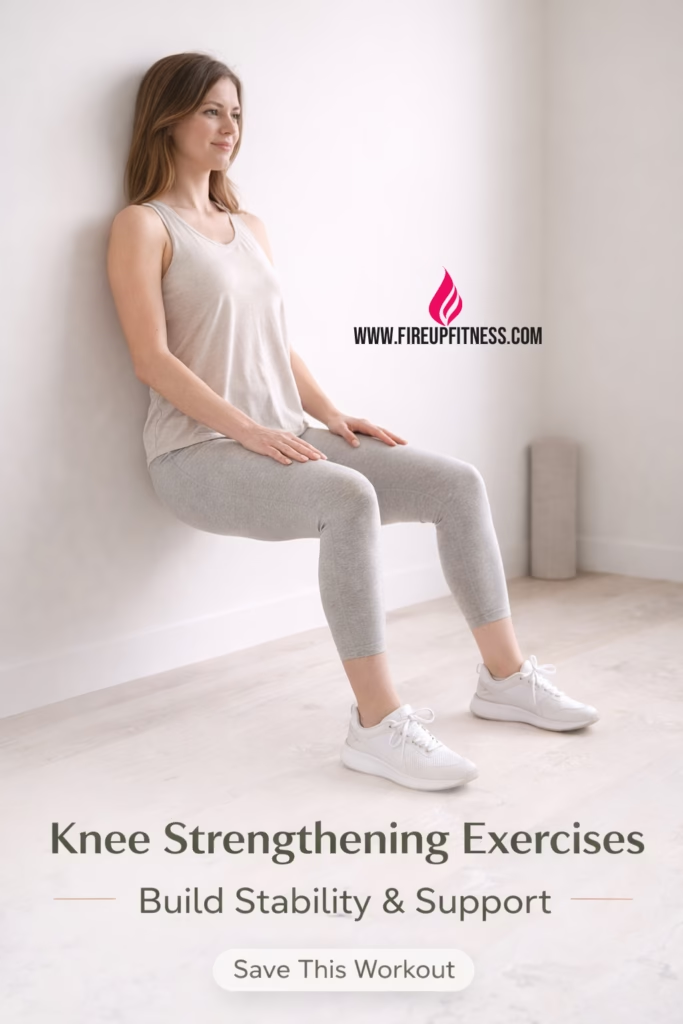
🔹 4. Wall Sits
How to do it:
Stand against a wall and slide down until your knees are bent about halfway (avoid deep angles if you have bad knees). Hold for 15–30 seconds, then return to standing.
Why it works:
Wall sits build quadriceps endurance and knee stability without dynamic movement that may flare pain.
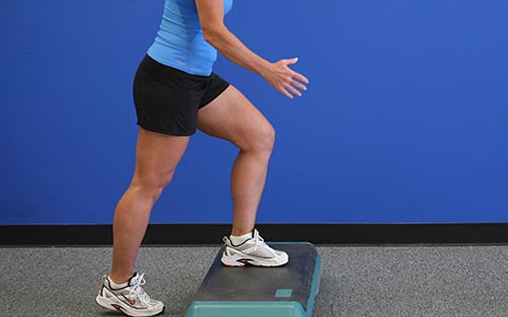
🔹 5. Step-Ups
How to do it:
Use a low step or bench. Step up with one foot, press through your heel, then lower back down. Repeat on both sides.
Why it works:
Step-ups mimic real-world movements like stair climbing and strengthen quads and glutes while building functional knee stability.
🔹 6. Hamstring Curls
How to do it:
You can do these lying down or standing with support. Bend your knee and bring your heel toward your glutes, then lower slowly.
Why it works:
Hamstring curls strengthen the muscles behind the knee, keeping the joint balanced and reducing forward pulling that contributes to pain.
🔹 7. Heel & Calf Raises
How to do it:
Stand tall and rise onto your toes. Hold briefly and lower back down. Progress by doing single-leg raises for added stability challenge.
Why it works:
Calf strength supports ankle stability, which in turn reduces compensatory stress on the knee.
🔹 8. Side-Lying Leg Lifts
How to do it:
Lie on your side with legs straight. Lift the top leg up slowly, hold, then lower. Repeat on both sides.
Why it works:
This move increases hip stability, which helps align the knee during walking, standing, and bending.
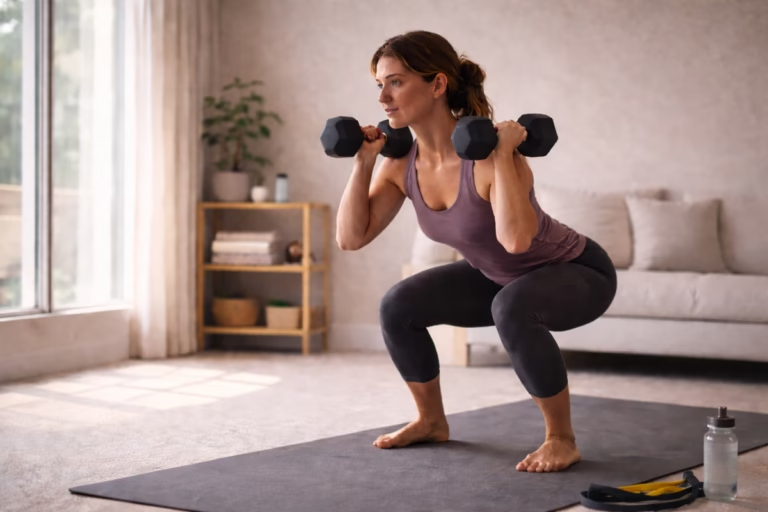
🔹 9. Partial Squats (For Bad Knees)
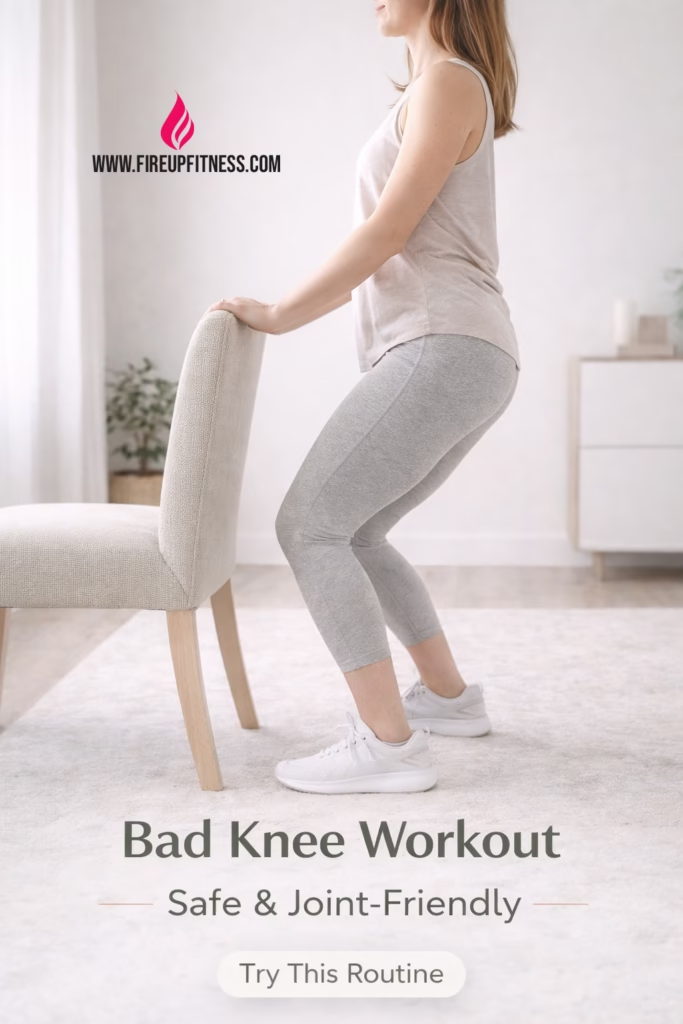
How to do it:
Stand with feet hip-width apart. Bend your knees slightly (no more than 45°), then stand back up. Use a chair for support if needed.
Why it works:
Partial squats strengthen the lower body while reducing knee flexion that might trigger discomfort in a bad knees scenario.
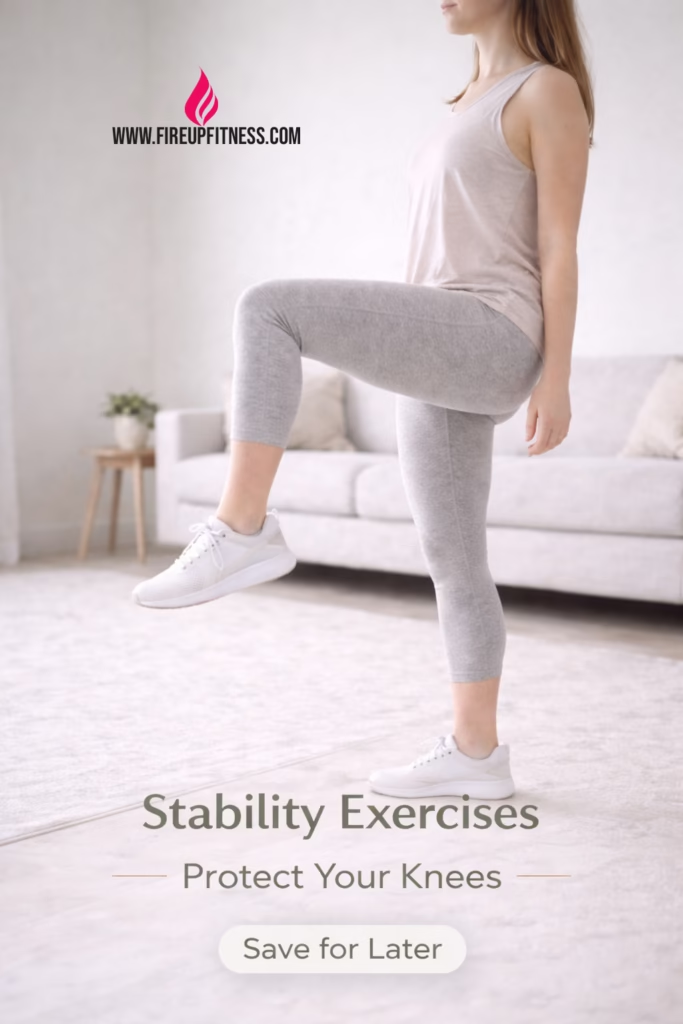
🔹 10. Single-Leg Stance
How to do it:
Stand on one leg, keeping your core tight and knee slightly soft. Hold for 15–30 seconds, then switch sides.
Why it works:
Balance work builds the small stabilizing muscles around the knee, improving joint control and reducing wobble.
Sample 7-Day Knee Strengthening Plan
To make these knee exercises easier to follow, here’s a simple weekly plan you can do at home:
Day 1 – Foundation
- Straight Leg Raises
- Glute Bridges
- Heel Raises
Day 2 – Quad Focus
- Wall Sits
- Step-Ups
- Hamstring Curls
Day 3 – Mobility & Balance
- Side-Lying Leg Lifts
- Single-Leg Stance
- Gentle Stretching
Day 4 – Strength Progression
- Partial Squats
- Calf Raises
- Glute Bridges With March
Day 5 – Functional Moves
- Step-Ups
- Hamstring Curls
- Wall Sit Holds
Day 6 – Stability Emphasis
- Single-Leg Stance
- Side Leg Lifts
- Heel & Calf Raises
Day 7 – Recovery & Flexibility
- Light walking
- Gentle stretching of quads and hamstrings
This kind of structured plan helps you incrementally increase strength, reduce the risk of pain, and build confidence in your movement.
Adjusting for Bad Knees or Sensitivity
If you have bad knees or are rehabbing from injury, try these tips:
- Reduce range of motion until you feel strong
- Use a chair, wall, or light support for balance
- Avoid deep lunges and high-impact moves
- Focus on pain-free movement first
Remember: a bad knee workout doesn’t mean avoiding training altogether—it means choosing the right movements and progressing gradually.
How to Strengthen Knees Safely
Strengthening your knees isn’t just about hitting a certain number of reps. It’s about building stability and movement confidence over time.
Tips for safe progress:
- Warm up before every session
- Focus on form over quantity
- Progress slowly
- Rest when needed
- Consistency is more important than intensity
Final Thoughts: Your Knees Deserve Care
Your knees support you through countless hours of walking, standing, bending, and movement. Investing time in knee strengthening exercises and stability exercises now helps you stay active, mobile, and pain-free—whether you’re chasing fitness goals or simply going about your day.
Avoid the pitfalls of a bad knee workout by choosing exercises that strengthen without strain. Over time, you’ll notice improvements in balance, strength, and confidence when moving.
Whether you’re dealing with occasional discomfort or just want long-term joint health, these knee exercises provide a smart, sustainable way to build strength and stability one day at a time.
Frequently Asked Questions
Q: How often should I do knee strengthening exercises?
A: Aim for 3–5 days per week, adjusting intensity based on how your knees feel.
Q: Can these exercises help with knee pain?
A: Yes — when done consistently and with proper form, strengthening exercises can reduce knee strain and support better movement patterns.
Q: Are squats bad for knees?
A: Not necessarily; controlled, partial squats can be beneficial when done properly, but deep, heavy squats may be uncomfortable if you have sensitivity.




4. Wall quad stretch
This exercise works on most muscles in the lower extremities. All you need is to find a large vertical surface, like a wall. Stand with your back facing the wall, then lower yourself to a lunge position. Extend your leg until your toes touch the wall. Stand farther away from the wall to give yourself more of a workout.
Do you have a picture for this, I don’t quite get how you do this one?
Think you stand in a split position.Back facing wall.The heel with extended(straight) back leg touches wall.Lean forward with front leg and bend knee 9o
degrees into a front lunge position.As you go forward your heel against wall raises untill you are on your toes.(back foot).leg still straight.Am I right?
I like a picture of it also!
I agree I don’t get it either. Was looking quite puzzled for a while and still don’t get it.
Picture please.