
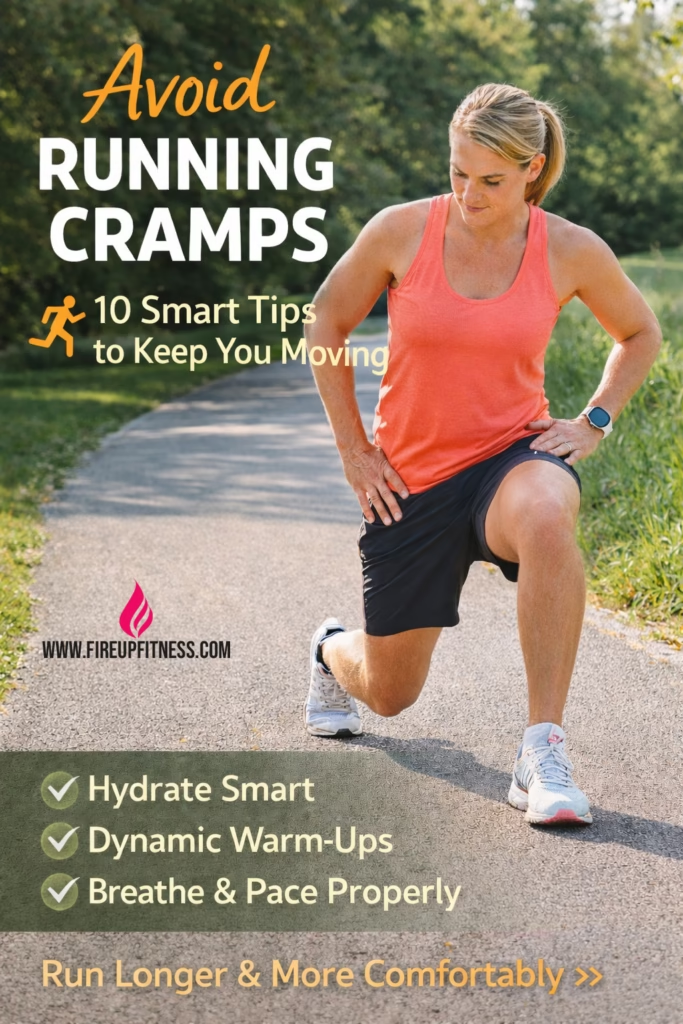
How to Avoid Cramps While Running: 10 Smart Tips to Keep You Moving
Running feels amazing—fresh air, pounding pavement, that flow of endorphins… until cramps hit. Whether it’s a side stitch, calf cramp, or painful tightening in your hamstring, cramps can derail your run and slow your progress.
These cramps aren’t inevitable. With the right habits, nutrition, and mindset, you can run more smoothly, avoid pain, and even finish strong. Below are 10 proven strategies to help you avoid cramps while running, supported by what research and experienced runners recommend.

Why Running Cramps Happen
Before diving into fixes, it helps to understand what causes cramps so you can address the root:
- Dehydration & electrolyte imbalance: When you lose fluids and salts (sodium, potassium, magnesium), muscles can misfire.
- Poor fueling / digestion issues: Running on a full stomach, or eating hard-to-digest foods too close to a run, can lead to side stitches or gut cramps.
- Lack of warm-up or sudden pace changes: Jumping into fast speed without prepping your muscles leads to tightness.
- Weak or tight muscles: Muscles that aren’t conditioned, flexible, or well-coordinated are more prone to cramping.
10 Tips to Avoid Cramps While Running
Here are practical ways to stay ahead of cramps, from what you eat to how you move. Try layering several strategies to find what works best for you.
1. Start with a Good Warm-Up
Don’t launch into running full speed right away. Spend 5-10 minutes on dynamic stretches and light movements—leg swings, high knees, walking lunges—to get blood flowing. This prepares your muscles, especially calves, hamstrings, and hip flexors, reducing the risk of sudden cramps.
2. Hydrate Smartly
- Drink water throughout the day—not just right before running.
- For longer runs or hot conditions, include electrolyte drinks or sweat replacements.
- Avoid heavy consumption of caffeine or alcohol the night before, as both can dehydrate.

3. Watch What You Eat Before Running
- Eat a small, easily digested snack 30-60 minutes before running—banana, cracker with peanut butter, small yogurt.
- Steer clear of heavy meals, lots of fat, fiber, or protein just before your run—they take longer to digest and can contribute to cramps or side stitches.
- After running, refuel with balanced meals to restore glycogen and electrolytes.
4. Maintain Good Breathing Patterns
- Take deep, rhythmic breaths. Try to avoid shallow chest breathing.
- If you feel a side stitch starting, try slowing your pace, exhaling more fully, or pressing your hand lightly on the affected side while you exhale.
5. Strengthen Muscles, Especially Core & Legs
- Focus on calf, hamstring, quadriceps, and hip strength through exercises like calf raises, lunges, squats, and glute bridges.
- Incorporate core work—planks, side planks, bird-dogs—to reduce destabilizing movements that lead to overworking certain muscles.
6. Stretch and Foam Roll Regularly
- Stretch key muscle groups after runs—calves, hamstrings, hip flexors.
- Foam roll or use massage tools to release knots. Tight muscles are hotbeds for cramps.
7. Pace Yourself – Especially on Hills or Intense Intervals
- When starting out or pushing up inclines, ease into it. Sudden bursts or aggressive hill segments can shock muscles. Gradually build intensity or distance.
- Use interval runs or tempos wisely—if your body isn’t ready, cramps may be more likely.
8. Choose the Right Running Gear
- Shoes with good cushioning and stability can reduce shocks to joints and muscles.
- Lightweight, breathable clothing helps regulate body temperature and sweat. Overheating or shivering both can trigger cramping.
9. Plan Rest and Recovery
- Allow your muscles to recover by taking rest days, doing low-impact cross training, or restorative activities like yoga.
- Make sure you’re getting enough sleep—muscle repair happens while you sleep.
10. Listen to Your Body & Know When to Adjust
- If you notice recurring cramps in certain muscles (like calves or sides), modify your training: cut back on distance, alter routes, or scale intensity until you gain strength.
- Keep a simple running & food log—note what you ate, how hydrated you felt, what pace you ran. Patterns often emerge that help you pinpoint triggers.
Sample Routine to Prevent Cramps (Pre-Run & Post-Run)
Here’s a routine you can follow on your running days to set yourself up for fewer cramps:
| Timing | What to Do |
|---|---|
| Pre-Run (30 min before) | Light snack (banana or small whole grain toast), sip water with electrolytes. |
| Warm-Up (5-10 min) | Dynamic stretches: ankle circles, leg swings, hip hinges. |
| Run Plan | Start moderate pace; avoid sudden surges; keep breathing steady. |
| Cool-Down | Stretch calves, hamstrings, and quads; foam roll where needed. |
| Post-Run Nutrition | Protein + carb snack; hydrate with water + electrolytes. |
Quick Troubleshooting: When Cramps Start Mid-Run
- Stop or slow down and walk for 1–2 minutes.
- Stretch the affected muscle gently (like calf stretch against wall).
- Massage it lightly while breathing deeply.
- Sip water or an electrolyte drink.
When to Get Medical Advice
Cramps are usually benign, but if they’re extremely painful, frequent, or accompanied by other symptoms (swelling, numbness, persistent pain), it’s wise to consult a healthcare provider or physiotherapist.
Final Thoughts
Cramps during running are frustrating—but they don’t have to be your norm. With smart hydration, proper nutrition, strength work, and listening to your body, you can transform your runs. Start by picking just a few of the tips above, try them out for the next several runs, and notice how your body responds. Over time, you’ll build resilience, run more comfortably, and enjoy every stride more.
Here’s to cramp-free runs ahead!