Somatic Yoga for Chronic Pain Relief
Living with chronic pain can feel overwhelming. When everyday tasks become uncomfortable, the search for effective relief becomes a top priority. While traditional stretching or workouts may sometimes bring temporary comfort, they don’t always address the root causes of long-standing discomfort. That’s where somatic yoga for pain relief shines—an approach that retrains your nervous system, calms tension, and restores natural mobility.

This post will explore why somatic yoga is a powerful tool for managing chronic pain, how it differs from traditional stretching, and which gentle movements can help you feel at ease again.
Why Traditional Stretching Isn’t Always Enough
Many people turn to stretching when pain strikes. While stretching can temporarily relieve tightness, it doesn’t necessarily change the patterns that caused the discomfort in the first place.
- Muscle guarding: When your body experiences pain, it often tightens muscles as protection. Traditional stretching may fight against this tension, causing more resistance.
- Repetitive holding patterns: Chronic pain often comes from ingrained habits—like slouching at a desk, clenching shoulders, or overusing certain muscles. Stretching doesn’t always “teach” the brain to release these patterns.
- Surface-level relief: Stretching focuses on muscles, but chronic pain often has a neurological component. Unless the nervous system is addressed, the pain can return.
Somatic yoga works deeper by retraining the mind-body connection, teaching your nervous system how to relax, reset, and move differently.

How Somatic Movement Retrains the Nervous System
Somatic yoga is more than exercise—it’s mindful re-education for your body. Every pose and movement is done slowly, with awareness, so the brain can recognize and release unnecessary tension.
- Neuromuscular reprogramming: Gentle, intentional movements teach your brain to “switch off” chronic tightness.
- Mindful awareness: By noticing subtle sensations, you learn to sense where pain patterns begin and gradually unwind them.
- Restoration over force: Unlike intense workouts, somatic yoga prioritizes ease, comfort, and curiosity—helping your nervous system reset naturally.
This is why somatic exercises for healing are especially effective for back pain, shoulder stiffness, and hip tightness.
Case Studies: Where Somatic Yoga Helps
Back Pain Relief
Somatic yoga encourages gentle spinal mobility without strain. Many students report reduced lower back pain after practicing mindful pelvic movements and body awareness exercises.
Shoulder Stiffness
Instead of forcing arm stretches, somatic yoga teaches subtle awareness of shoulder alignment and chest opening. This reduces guarding patterns in the upper body.
Hip Tightness
Chronic hip pain often comes from sitting for long hours. Somatic yoga uses small, circular movements and pelvic exploration to restore balance and freedom of movement.
“The body remembers everything. Somatic yoga helps us rewrite the story of tension, pain, and restriction—into one of freedom, release, and healing.”
5 Gentle Somatic Poses for Chronic Pain Relief
Here are beginner-friendly movements designed to soothe pain while supporting long-term healing. Practice them slowly, mindfully, and without force.
1. Pelvic Clock
How to do it: Lie on your back with knees bent and feet flat. Imagine your pelvis as a clock face. Slowly rock your pelvis toward 12 o’clock (lower back pressing down), then toward 6 o’clock (arching slightly). Move around the “clock” in small, mindful arcs.
Why it helps: Improves pelvic and spinal mobility while easing lower back tension.
Tip: Keep movements subtle and guided by your breath.
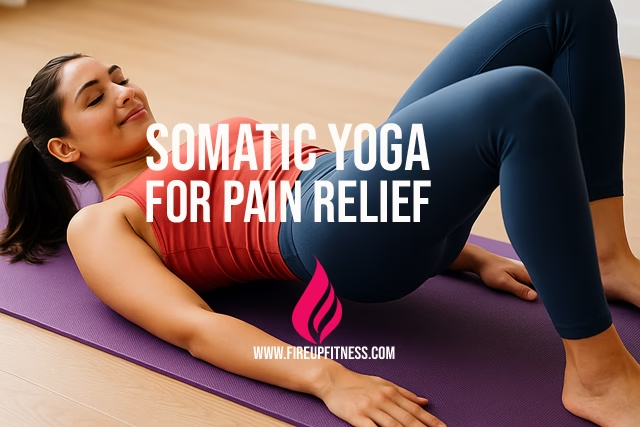
2. Somatic Bridge Lifts
How to do it: Start lying on your back with knees bent. Inhale, then slowly press your feet into the mat and lift your hips just a few inches. Exhale as you lower, noticing how your spine moves segment by segment.
Why it helps: Releases tension in the lower back and strengthens hip stabilizers without strain.
Tip: Focus on slow, wave-like movement rather than height.
3. Gentle Hip Circles
How to do it: Lie on your back, knees bent, feet flat. Slowly circle your hips in one direction, then the other, as if drawing a small circle with your pelvis.
Why it helps: Loosens tight hips, reduces stiffness from prolonged sitting, and relieves sacral tension.
Tip: Keep circles small and controlled, moving only within comfort.
4. Wall Shoulder Slides
How to do it: Stand with your back against a wall, feet a few inches away. Place your arms in a “goalpost” shape against the wall. Slowly slide your arms upward, then return to start, keeping awareness on your shoulders and breath.
Why it helps: Opens the chest, relieves shoulder stiffness, and improves posture.
Tip: If your arms don’t fully touch the wall, move within your natural range—no forcing.
5. Constructive Rest Body Scan
How to do it: Lie flat on your back, arms and legs relaxed. With each breath, bring awareness to one body part at a time—feet, legs, hips, spine, shoulders, jaw.
Why it helps: Activates the parasympathetic nervous system, promoting deep relaxation and nervous system reset.
Tip: Stay for 5–10 minutes, breathing slowly and observing without judgment.
Breathing Techniques for Natural Pain Relief
Pairing breathwork with somatic yoga enhances its healing power:
- Diaphragmatic Breathing: Place one hand on your belly, inhale deeply so your hand rises, exhale slowly.
- Box Breathing (4-4-4-4): Inhale for 4 counts, hold for 4, exhale for 4, hold for 4.
- Sighing Breath: Inhale deeply, then exhale with an audible sigh.
Safety Tips & Modifications for Beginners
- Move slowly and gently—pain should never be forced.
- Use props like cushions, yoga blocks, or blankets for support.
- If you experience sharp pain, stop immediately and reset.
- Start with 5–10 minutes daily, gradually increasing as comfort grows.
- Consult with a healthcare provider if you have serious conditions.
Daily Routine for Gentle Healing
Here’s a simple 10-minute nervous system reset you can do every day:
- Pelvic Clock – 2 minutes
- Somatic Bridge Lifts – 2 minutes
- Gentle Hip Circles – 2 minutes
- Wall Shoulder Slides – 2 minutes
- Constructive Rest Body Scan – 2 minutes
This short sequence can reduce stiffness, calm your nervous system, and support natural pain relief practices for the long term.
Final Thoughts
Chronic pain doesn’t have to control your life. By practicing somatic yoga for pain relief, you gently retrain your nervous system, break free from habitual tension, and rediscover ease in your body.
The key is consistency, not intensity. Start small, stay mindful, and let your body guide the process. Over time, you’ll not only manage pain but also regain freedom of movement and a sense of calm.
“Healing takes time, but every mindful breath and gentle movement brings you closer to freedom from pain.”