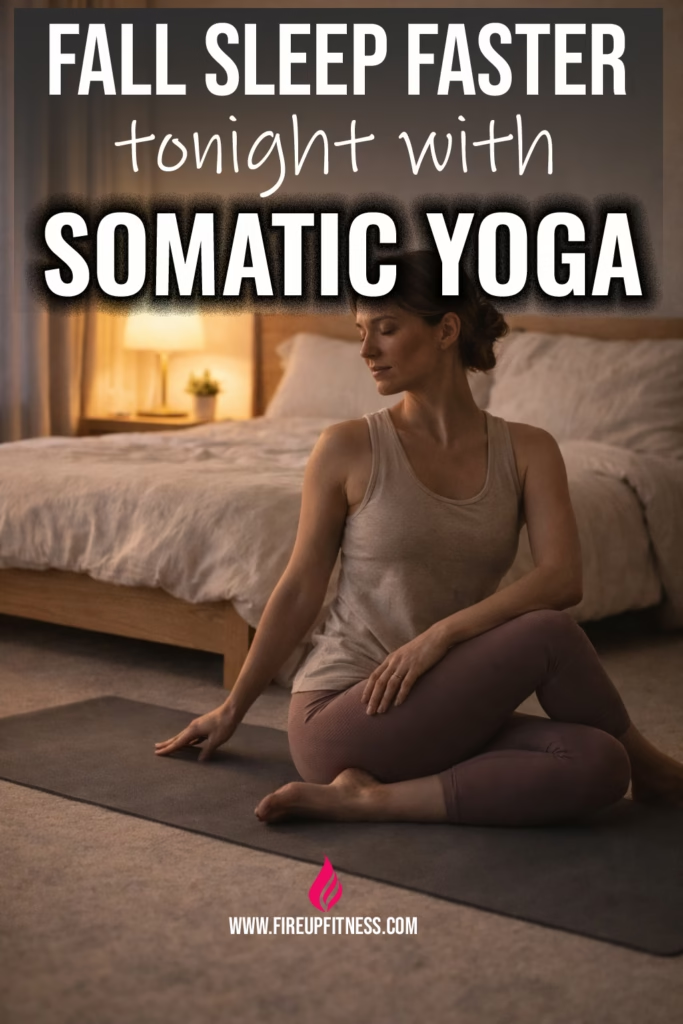
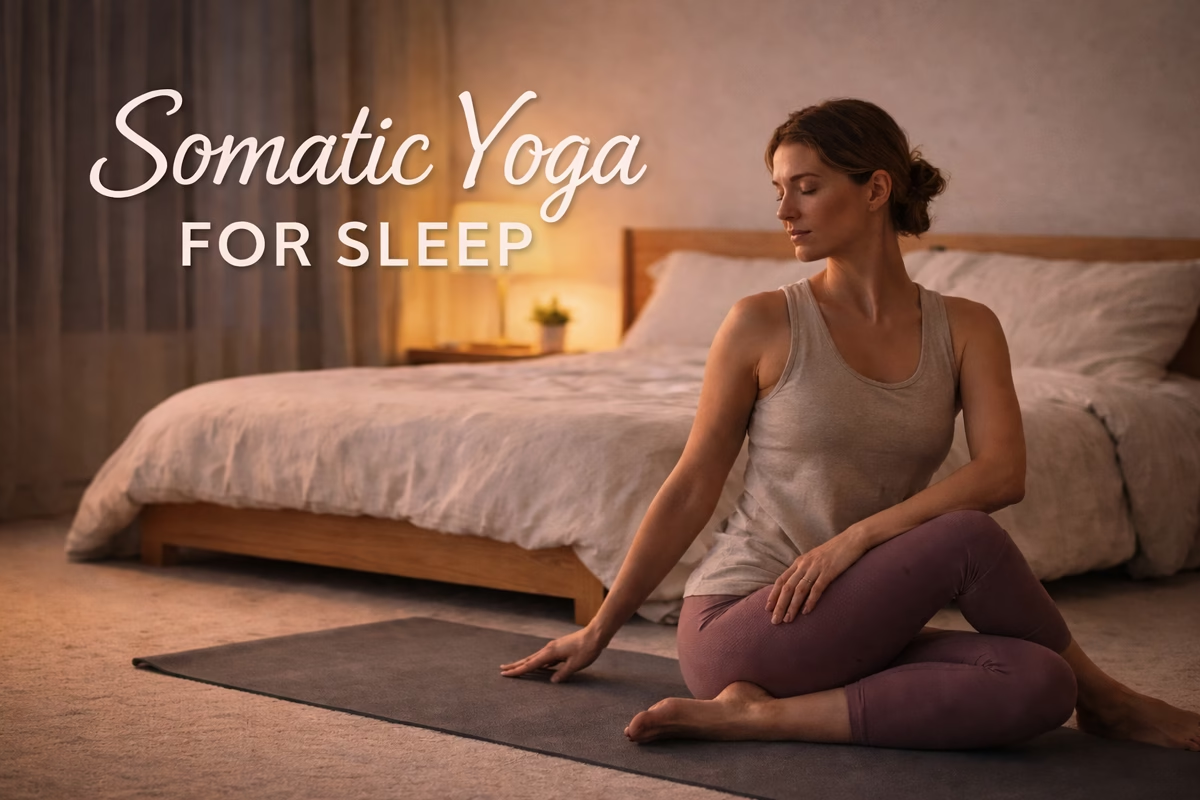
Somatic Yoga for Sleep: Gentle Poses to Rest & Restore
Sleep is one of the most important pillars of health, yet for many people it feels out of reach. Tossing and turning at night or waking up groggy and unrested is a common frustration. Instead of relying on sleep aids, endless late-night scrolling, or the hope that sleep will “just happen,” you can turn to a more natural solution: somatic yoga for better sleep.
Somatic yoga blends mindful awareness with gentle, intentional movement to release tension, calm your nervous system, and set the stage for restorative rest. Think of it as a nervous system reset—a way to tell your body and mind that it’s safe to relax and let go.
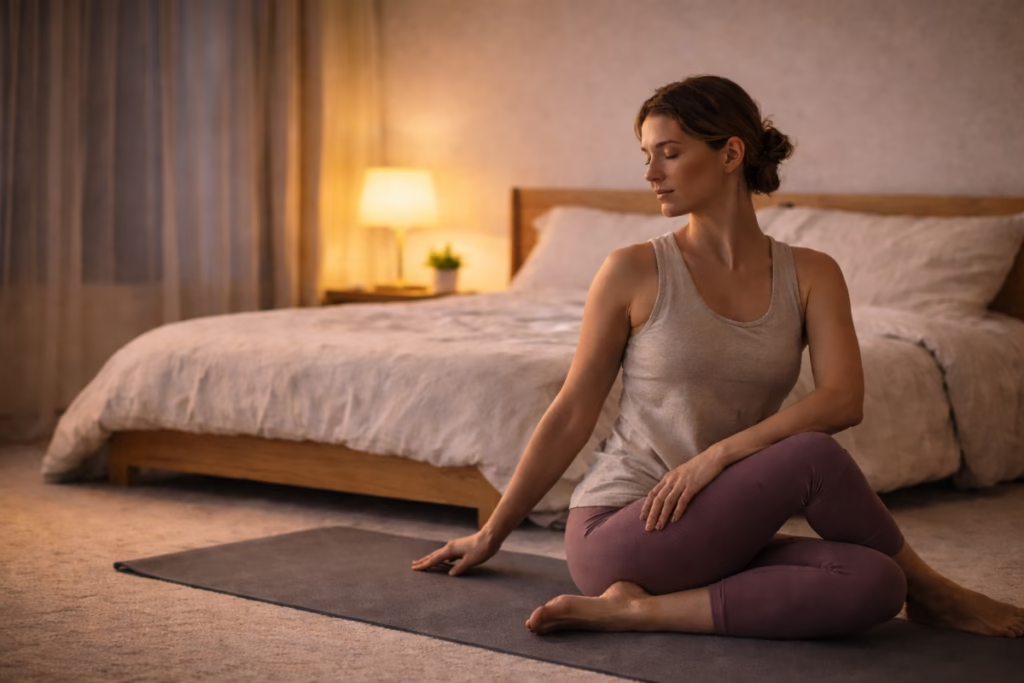
As author John Lubbock once said, “Rest is not idleness, and to lie sometimes on the grass under trees on a summer’s day… is by no means a waste of time.” In the same way, somatic yoga shows us that slowing down is not a luxury—it’s a necessity for health and deep rest.
In this post, we’ll explore:
- Why somatic yoga supports better sleep
- The science behind movement and rest
- Gentle yoga poses and breathwork to try tonight
- A simple 10–15 minute bedtime routine
- Safety tips to make the practice your own
Why Somatic Yoga Supports Better Sleep
Unlike vigorous workouts that energize you, somatic yoga focuses on slow, conscious movements that soothe your body into rest. Here’s how it helps:
- Activates the parasympathetic nervous system – Your body’s “rest and digest” mode takes over, signaling relaxation.
- Releases tension – Stress often settles in the back, hips, and shoulders, making it harder to fall asleep. Gentle yoga for sleep softens these tight areas.
- Calms a racing mind – Pairing movement with breath naturally slows thoughts, easing mental chatter.
- Improves body awareness – You begin to notice and let go of stress patterns before bed.
The result? A body that feels safe, grounded, and ready for deep, uninterrupted sleep.
The Science of Movement and Sleep
Chronic stress keeps the body stuck in “fight-or-flight” mode, a state of hyper-alertness powered by the sympathetic nervous system. This is why even when you’re physically tired, your mind refuses to rest.
Somatic yoga interrupts this stress cycle by retraining your nervous system. Here’s how:
- Gentle stretching and contracting – Encourages muscles to release stored tension.
- Breath awareness – Reduces cortisol levels and slows the heart rate.
- Mindful movement – Signals to the brain that the environment is safe and it’s okay to let go.
Together, these elements create the perfect conditions for sleep—your mind calms, your body softens, and rest finally feels accessible.
5 Somatic Yoga Poses for Sleep
Here are five beginner-friendly movements to try before bed. Each one is designed to reduce stress naturally and prepare you for restorative rest.
1. Reclined Butterfly with Breath
How to do it: Lie on your back, bring the soles of your feet together, and let your knees drop open. Rest one hand on your belly and one on your heart. Take slow, deep breaths, expanding your belly on the inhale.
Why it works: This posture opens tight hips and helps you connect to your breath, grounding your nervous system.
Tip: Place pillows under your knees for added comfort.
2. Somatic Yawn Stretch
How to do it: Lying down, stretch your arms overhead as if you’re yawning. Wiggle fingers and toes, then release with an audible sigh.
Why it works: Mimics the body’s natural pre-sleep reflex, resetting your nervous system.
Tip: Repeat 3–4 times for the best effect.
3. Supported Back Release
How to do it: Sit cross-legged, fold forward, and rest your forehead on a cushion or block. Let your arms relax forward.
Why it works: Gently releases the spine, reduces mental tension, and signals to the body that it’s time to rest.
Tip: Sit on a blanket if your hips feel tight.
4. Legs-Up-the-Wall (Viparita Karani)
How to do it: Sit sideways against a wall, swing your legs up, and rest on your back with arms open at your sides.
Why it works: Reverses circulation, reduces swelling, and invites a deep sense of calm.
Tip: Place a pillow under your hips for extra support.
5. Constructive Rest with Body Scan
How to do it: Lie on your back with knees bent and feet flat. Close your eyes and mentally scan your body, releasing tension with each exhale.
Why it works: Creates a complete nervous system reset, quieting both mind and body for sleep.
Tip: Move slowly and focus on subtle sensations.
Breathing Techniques for Sleep
Pairing poses with breathwork enhances the benefits. Try one of these techniques:
- 4-7-8 Breath – Inhale for 4, hold for 7, exhale for 8. Calms the nervous system quickly.
- Diaphragmatic Breathing – Breathe into your belly rather than your chest. Promotes deeper relaxation.
- Sighing Exhale – Release a soft sigh with each out-breath, letting go of stress.
A Simple Nighttime Routine (10–15 Minutes)
Here’s a flow you can try tonight:
- Reclined Butterfly with Breath – 3 minutes
- Somatic Yawn Stretch – 2 rounds
- Supported Back Release – 2 minutes
- Legs-Up-the-Wall – 5 minutes
- Constructive Rest with Body Scan – 3 minutes
In less than 15 minutes, you’ll feel your body shift from wired to calm, making sleep more inviting.
Safety Tips & Modifications
- Move slowly and gently—no forcing.
- Use props like pillows, blankets, or bolsters for comfort.
- If you struggle with chronic insomnia, use this alongside professional guidance.
- Stay consistent. Making this part of your nightly ritual brings the best results.
Final Thoughts
Somatic yoga for sleep isn’t about exercise—it’s about creating safety, calm, and space for your body to rest. With consistency, you’ll notice yourself falling asleep faster, waking up less often, and greeting the morning refreshed.
As yoga teacher Judith Hanson Lasater reminds us: “Rest is radical. Rest is resistance. Rest is necessary.”
Tonight, choose one or two of these gentle yoga for sleep poses and let them guide you into peace. With each breath and movement, you’re not just preparing for sleep—you’re teaching your body how to heal, restore, and renew.