7 Standing Core Exercises Without Crunches
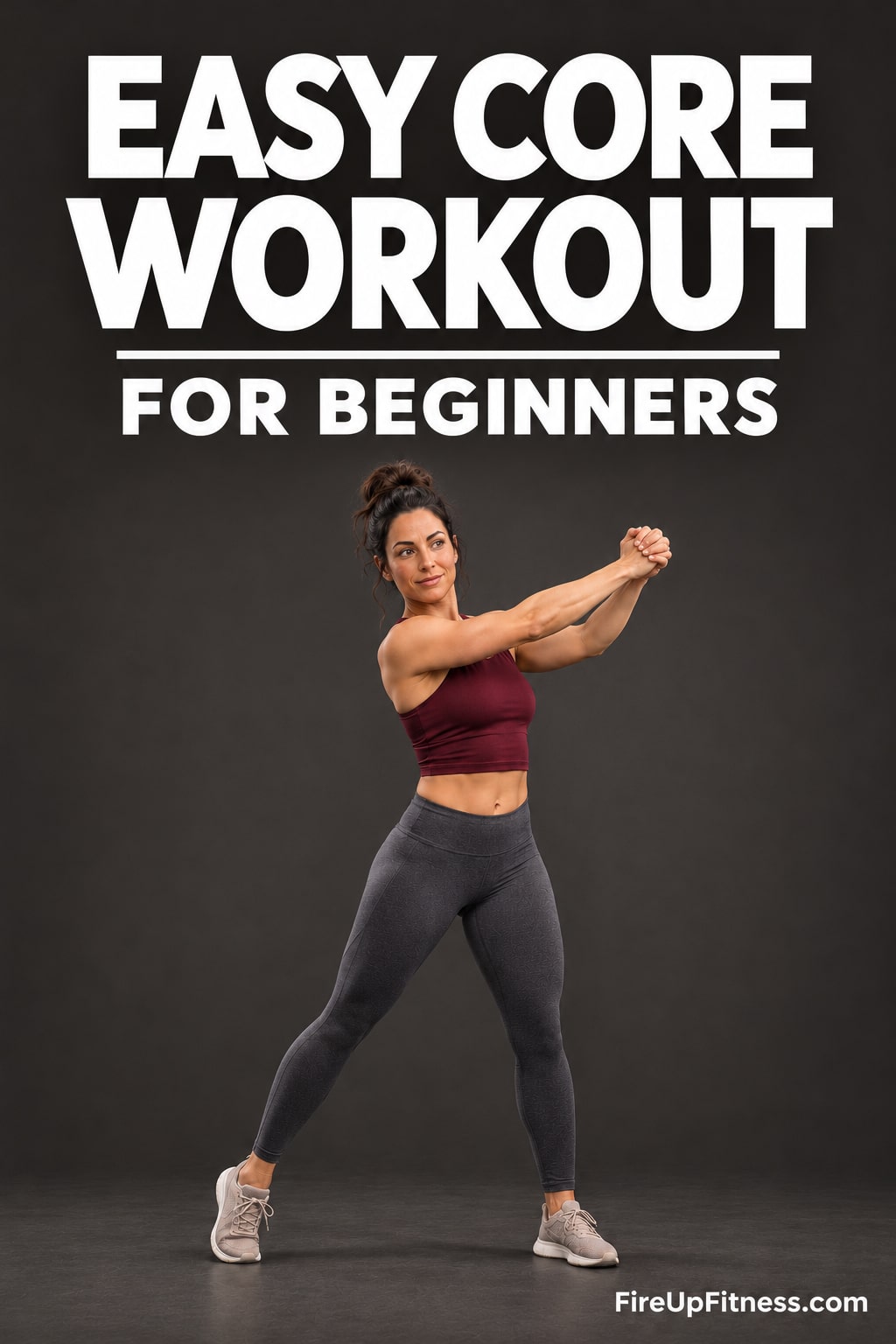
Some days, the hardest part of a core workout is making room for one. With these standing core exercises, all you need is enough space to take a step to either side. You can finish the whole routine without rolling out a mat or doing a single crunch.
The moves start with a simple march and build up to diagonal reaches and single-leg balance. You’ll practice keeping your torso steady as your arms and legs move, much like you do when you carry groceries in one hand or step up onto a curb. That makes this routine an easy way to work on both core strength and balance at home.
An Easy Core Workout for Beginners
Try each exercise for 30 seconds, then take 15 seconds to reset before the next move. For exercises that work one side at a time, switch halfway through. One round takes about five minutes, including the breaks. For a longer workout, rest for a minute and repeat the circuit.
- Equipment: None. Keep a wall or a sturdy chair nearby for balance.
- Pace: Move slowly enough that you can pause at any point in the exercise.
- Breathing: Exhale during the effort, such as when you lift your knee or stand back up. Inhale as you return to the starting position.
1. Standing March With a Pause
A brief pause at the top of each march gives you time to notice whether you lean back or shift sideways as you lift your knee. It’s a simple first move when you’re looking for core exercises for beginners.
- Stand with your feet hip-width apart and your arms relaxed.
- Shift your weight onto your left foot and slowly lift your right knee to a comfortable height.
- Pause for one or two seconds with your chest upright, then lower your foot quietly.
- Repeat on the other side and continue alternating.
Make it easier: Lift your foot just an inch or two and use a wall for light support.
2. Cross-Body Knee Drive
This standing ab exercise adds a small turn to the march. Keep the movement smooth and use a smaller knee lift if you feel yourself rounding forward to meet it.
- Stand tall with your elbows bent and your hands near your chest.
- Lift your right knee and turn your chest slightly toward it, bringing your left elbow diagonally across your body.
- Lower your foot and return to center.
- Repeat with your left knee and right elbow.
Form tip: Your elbow and knee can stay several inches apart. Aim for an easy turn through your upper body.
3. Standing Side Bend With a Reach
Most of the movements in this routine start by shifting your weight from one foot to the other. For this one, keep both feet planted as you bend gently to the side.
- Stand with your feet hip-width apart and your knees slightly bent.
- Reach your right arm up and gently bend to the left. Let your left hand slide a short way down your thigh.
- Exhale as you come back to the center and lower your arm.
- Repeat on the other side.
Make it easier: Keep both arms down and slide one hand toward your knee as you bend. Stop where the movement still feels comfortable.
4. Standing Wood Chop
The wood chop is a diagonal reaching exercise. Start with empty hands and notice how your feet, hips, and upper body turn together.
- Set your feet slightly wider than hip-width apart and clasp your hands in front of you.
- Bend your knees slightly and bring your hands toward the outside of your right hip.
- Straighten your legs as you guide your hands diagonally toward your left shoulder. Let your right heel lift naturally as you turn.
- Guide your hands back down along the same path. Switch sides halfway through.
Form tip: Keep your hands close to your body to start. A shorter reach makes it easier to stay balanced as you learn the movement.
5. Hip Hinge With a Forward Reach
This move includes your glutes and the backs of your thighs. Your core helps you maintain a steady torso as you send your hips back and reach forward.
- Stand with your feet hip-width apart and soften your knees.
- Push your hips back as though you’re closing a drawer behind you. Let your torso tip forward from your hips.
- Reach your hands forward at about chest height, keeping your neck in line with your back.
- Press through both feet to stand tall and bring your arms back down.
Make it easier: Keep your hands on your hips and practice the hinge on its own. Add the reach once the movement feels familiar.
6. Lateral Step With a Forward Press
Some core stability exercises challenge you to keep your torso steady while your base of support changes. Here, you’ll step sideways as your hands move forward.
- Stand with your feet under your hips and your hands together at chest height.
- Take a small step to the right as you straighten your arms in front of you.
- Bring your right foot back to center and draw your hands in.
- Repeat to the left, alternating sides at an even pace.
Form tip: Keep your shoulders facing forward. Take a shorter step if your torso turns or tilts as you land.
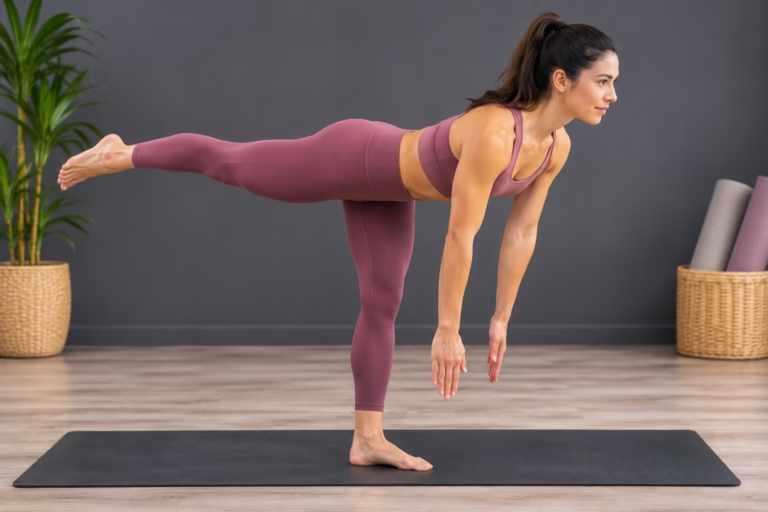
7. Single-Leg Balance With a Toe Tap
This last move builds on the opening march. This time, one leg stays planted while the other reaches slightly behind you.
- Stand near a wall and shift your weight onto your left leg. Keep a slight bend in your left knee.
- Reach your right foot a short distance behind you and lightly tap the floor with your toes.
- Bring your right foot back under your hip, hovering it briefly if you feel steady.
- Repeat on the same side, then switch halfway through.
Make it easier: Keep one hand on the wall and let your moving foot touch down between reps. A small tap is enough to practice the weight shift.
How to Build on These Standing Core Exercises
A short circuit fits easily into standing workouts at home. Try one round on its own or add it after a walk or a strength session. You can also choose two core training exercises, such as the hip hinge and the lateral step, when you only have a couple of minutes.
As the moves feel more familiar, add a few seconds to the march hold, slow down the return on each wood chop, or complete a second round. Change one thing at a time so you can tell how it affects your form.
The same approach works for strong core workouts as you progress. Pay attention to what gets easier from one session to the next. Maybe you can hold the march for an extra breath, or the toe tap feels steadier on the side that usually wobbles. Those small changes give you a concrete way to see your progress.