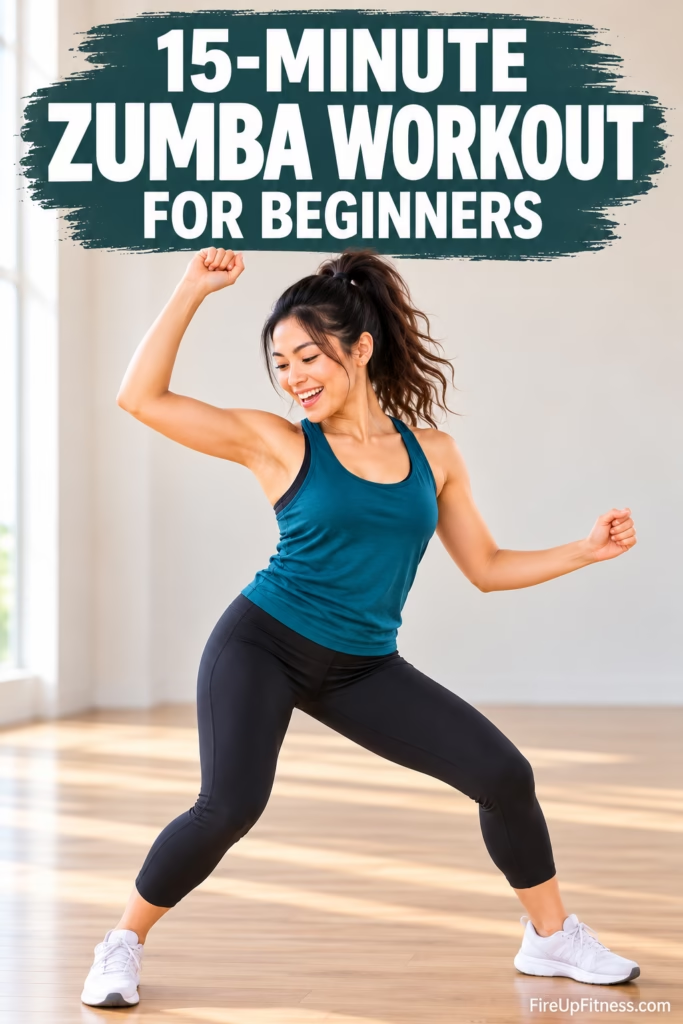
Zumba Workout for Beginners: Fun Dance Cardio
Some workouts feel like another task on your to-do list. You watch the clock, count every repetition, and wonder how much longer you have to keep going.
Now imagine turning on your favorite upbeat music, moving to the rhythm, and finishing your workout with a smile.
That is what makes a Zumba workout so appealing.
Zumba combines energetic dance movements with cardio exercise, creating a full-body workout that feels more like a dance party than a traditional fitness session. From salsa-inspired steps to hip-hop movements, Zumba dance workouts offer a refreshing way to stay active, improve coordination, and build endurance.
The best part? You don’t need dance experience, expensive equipment, or even a gym membership to get started.
Whether you’re exploring Zumba workout videos at home or thinking about joining your first class, this beginner-friendly guide will help you understand how Zumba works, what to expect, and how to make dance cardio part of your fitness routine.
What Is a Zumba Workout?
Zumba is a dance-based fitness program that combines Latin-inspired music, rhythmic movements, and aerobic exercise.
Created by Colombian fitness instructor Alberto “Beto” Pérez in the 1990s, Zumba has grown into a popular fitness activity enjoyed by people of different ages and abilities.
A typical Zumba dance session incorporates movements inspired by several dance styles, including:
- Salsa
- Merengue
- Cumbia
- Reggaeton
- Samba
- Hip-hop
- Other international dance styles
Rather than focusing on complicated choreography, Zumba emphasizes continuous movement, rhythm, and enjoyment.
You follow the instructor’s movements, gradually learn the combinations, and adjust the intensity to match your fitness level.
Some sections involve faster movements that raise your heart rate, while others use slower rhythms to help you recover.
This alternating pace makes Zumba an enjoyable form of dance cardio that can challenge your cardiovascular fitness without requiring traditional gym exercises.
7 Benefits of Zumba Dance Workouts
Zumba isn’t simply about dancing to upbeat music. Regular participation can support several aspects of physical fitness and overall well-being.
1. Makes cardio exercise more enjoyable
One of the biggest challenges with exercise is finding something you genuinely enjoy doing.
Running on a treadmill or repeating the same home workout can become monotonous. Zumba offers variety through changing music, movement combinations, and dance styles.
Because the focus is on following the rhythm rather than counting repetitions, the session may feel more engaging.
Enjoying your workout can also make it easier to maintain a consistent exercise routine.
2. Supports heart health and stamina
Zumba is a form of aerobic exercise, meaning it increases your heart rate and breathing as you move.
Regular aerobic activity can help improve cardiovascular endurance, making everyday activities such as walking, climbing stairs, and carrying groceries feel easier over time.
The intensity depends on your pace, the choreography, and how much effort you put into each movement.
Beginners can start with low-impact steps and gradually increase their activity level as their stamina improves.
3. Engages muscles throughout your body
Unlike exercises that focus on one muscle group, Zumba involves movement across several areas of the body.
Your legs and glutes help power side steps, squats, and rhythmic movements. Your arms and shoulders participate in coordinated upper-body movements, while your core helps stabilize your torso during turns and changes of direction.
Although Zumba isn’t a replacement for resistance training, it can complement a bodyweight workout beginner routine by adding enjoyable cardiovascular movement.
4. Improves coordination and balance
Learning dance combinations challenges your body to coordinate movements between your arms, legs, and torso.
You may initially find it difficult to follow every step, especially when the music changes quickly.
However, with practice, familiar movement patterns become easier.
Zumba can help develop rhythm, movement awareness, and coordination. Balance may also improve as you become more comfortable shifting your weight and changing directions.
5. Helps reduce everyday stress
Music and movement can be a refreshing combination after a busy day.
Physical activity can support mood and emotional well-being, while dancing gives you an opportunity to focus on something enjoyable.
A Zumba session may provide a welcome break from daily responsibilities, especially when you’re feeling mentally tired.
You don’t need to perform every step perfectly. Simply moving, listening to the music, and enjoying the experience can make the session worthwhile.
6. Offers a convenient workout at home
You don’t need a large exercise space to enjoy Zumba.
With comfortable shoes, a little room to move, and a beginner-friendly video, you can practice a dance workout in your living room.
There are plenty of Zumba workout videos designed for different fitness levels, including short sessions that fit into a busy schedule.
A 10- or 15-minute session can be a practical starting point when you don’t have time for a longer workout.
7. Encourages consistency through variety
Doing the same workout every day can become repetitive.
Zumba keeps things interesting by introducing different songs, rhythms, and movement combinations.
One day, you might enjoy a slower Latin-inspired routine. Another day, you might choose an energetic dance cardio session.
This variety allows you to adjust your workout to your energy level while keeping movement enjoyable.
What to Expect From Your First Zumba Class
Walking into your first Zumba class might feel intimidating, especially when everyone else seems familiar with the movements.
But you don’t need to know how to dance before joining.
Most Zumba classes are designed around following an instructor, and the movements become more familiar with practice.
Here’s how a typical session works.
Warm-up: 5–10 minutes
The class usually begins with gentle movements to prepare your body for exercise.
You might start with marching, side steps, shoulder rolls, and easy rhythmic movements.
As the music picks up, the instructor gradually introduces larger movements.
Main dance workout: 20–45 minutes
The main portion combines different dance styles and intensities.
You may perform side steps, hip movements, arm reaches, knee lifts, and simple turns.
Some songs are faster and more energetic, while others allow you to slow down.
You can modify movements by reducing your range of motion, avoiding jumps, or taking short breaks.
Cooldown: 5–10 minutes
Toward the end, the music slows down and the movements become gentler.
The cooldown may include easy walking, relaxed arm movements, and stretching.
This gives your breathing and heart rate time to gradually return toward their resting levels.
A complete class often lasts around 45–60 minutes, although shorter sessions are also available.
Easy Zumba Dance Moves for Beginners
You don’t have to learn complicated choreography to enjoy a Zumba workout.
Many beginner routines use simple steps that are easy to repeat.
Here are five movements you can practice at home before trying a full dance session.
1. Side-to-side dance steps
Stand with your feet hip-width apart and keep your knees relaxed.
Step to the right, bring your left foot toward it, and repeat in the opposite direction.
Let your arms swing naturally or add gentle arm movements to the rhythm.
Continue for 30–60 seconds.
This is a simple way to warm up and become comfortable moving with music.
2. March with arm reaches
March in place while lifting one knee at a time.
As you march, reach your arms forward or overhead, depending on what feels comfortable.
Keep your shoulders relaxed and maintain a steady rhythm.
Continue for 30–60 seconds.
This movement gradually raises your heart rate while engaging your arms and legs.
3. Salsa-inspired basic step
Begin standing with your feet close together.
Step forward with your left foot, shift your weight, and return to the starting position.
Repeat with your right foot.
Once you feel comfortable, add gentle hip movement and relaxed arm swings.
Practice slowly before increasing the tempo.
4. Low-impact knee lifts
Stand tall with your feet hip-width apart.
Lift your right knee toward your waist while bringing your opposite arm forward.
Lower your foot and repeat on the other side.
Keep the movement controlled and avoid leaning backward.
Continue alternating for 30–45 seconds.
This exercise helps challenge coordination and engages your core as you maintain balance.
5. Step-touch with a gentle squat
Step to the right and bring your left foot beside it.
Bend your knees slightly as you step, keeping your chest lifted.
Repeat toward the left.
Add small arm movements or a light bounce if comfortable.
Continue for 30–60 seconds.
This movement introduces a little extra work for your thighs and glutes without requiring jumping.
Try This 15-Minute Zumba Workout at Home
A short routine is a great way to introduce dance cardio into your day.
This beginner-friendly session combines simple movements with upbeat music and doesn’t require equipment.
BEGINNER DANCE CARDIO
15-minute Zumba-inspired workout
Low impact
| Minutes | Movement |
| 0–2 | March in place and gentle side steps |
| 2–4 | Side-to-side dance steps |
| 4–6 | Salsa-inspired basic steps |
| 6–8 | March with arm reaches |
| 8–10 | Low-impact knee lifts |
| 10–12 | Step-touch with gentle squats |
| 12–13 | Mix your favorite dance movements |
| 13–15 | Slow steps and gentle stretching |
Choose music with a comfortable tempo and move at a pace that allows you to maintain control.
You can repeat the routine two or three times per week initially, depending on your fitness level and recovery needs.
Remember, the goal isn’t to perform perfect choreography. It’s to keep your body moving and gradually become more comfortable with the movements.
How to Choose the Best Zumba Workout Videos
One of the easiest ways to get started is by following a guided workout online.
However, not every video is suitable for beginners.
When searching for Zumba dance workouts, look for routines with clear instructions, manageable movements, and an intensity that matches your experience.
Start with shorter videos
A quick workout video lasting 10–15 minutes is ideal when you’re learning.
Shorter sessions give you time to become familiar with the movements without feeling overwhelmed.
Look for low-impact options
Low-impact dance workouts keep at least one foot on the ground, making them a useful option for people who prefer to avoid jumping.
They can still provide a satisfying cardiovascular workout.
Choose instructors who demonstrate modifications
A good beginner video should make it easy to follow along and offer simpler alternatives for challenging movements.
You should feel comfortable adjusting the pace whenever necessary.
Pick music you enjoy
Music plays an important role in the Zumba experience.
Choose routines featuring rhythms that make you want to move, whether that’s Latin dance music, pop, or another upbeat style.
For additional health fitness inspiration, explore different instructors and dance styles until you discover a routine you genuinely look forward to doing.
Can Zumba Help Strengthen Your Core?
Zumba involves more than moving your arms and legs.
Many dance movements require your abdominal and back muscles to stabilize your body, particularly during hip movements, directional changes, and coordinated steps.
This means Zumba can contribute to core endurance and overall body control.
However, it’s important to understand that dance cardio alone doesn’t provide the same targeted strengthening stimulus as dedicated core exercises.
For a more balanced routine, combine Zumba with movements such as planks, bird dogs, dead bugs, and other beginner-friendly strengthening exercises.
This combination can support better posture, stability, and functional strength.
How Often Should You Do Zumba?
The right frequency depends on your current fitness level, schedule, and recovery.
For beginners, two or three sessions per week can be a manageable starting point.
As your stamina improves, you may gradually increase the duration or frequency.
For general health, adults are commonly advised to aim for at least 150 minutes of moderate-intensity aerobic activity each week, along with muscle-strengthening activities on at least two days.
Zumba can contribute toward your weekly aerobic activity when performed at a suitable intensity.
You don’t need to complete every session at once. Short workouts throughout the week can also add up.
Tips to Make Your Zumba Workout More Enjoyable
A few simple habits can make your dance workouts safer and more comfortable.
- Wear supportive shoes. Choose footwear that provides stability and allows comfortable side-to-side movement.
- Keep water nearby. Drink according to your thirst and activity needs, especially during longer or more energetic sessions.
- Make space to move. Remove clutter and ensure the floor isn’t slippery.
- Start slowly. Learn the basic steps before increasing speed or adding larger movements.
- Modify when needed. Replace jumps with steps and reduce twisting if a movement feels uncomfortable.
- Listen to your body. Take breaks when necessary and stop if you experience pain, dizziness, or unusual symptoms.
Consistency matters more than intensity when you’re developing a new fitness habit.
Frequently Asked Questions About Zumba Workouts
Is Zumba good for beginners?
Yes. Beginners can enjoy Zumba by choosing introductory classes, following slower routines, and modifying movements as needed. No previous dance experience is required.
Can I do Zumba at home without equipment?
Absolutely. Most beginner Zumba-inspired dance cardio workouts require no special equipment. You’ll generally need comfortable clothing, supportive shoes, enough space to move, and music or a guided video.
Is 15 minutes of Zumba enough?
A 15-minute session can be a worthwhile way to increase daily movement and build a consistent routine. The benefits depend on intensity, frequency, and your overall activity level.
Is Zumba better than walking?
Both activities can support cardiovascular fitness. Zumba often includes more varied movements and changes in rhythm, while walking may be easier to maintain at a steady intensity. The better choice is the activity that suits your abilities and that you enjoy consistently.
Can I do Zumba every day?
Gentle dance sessions may be suitable on many days, but intense workouts require adequate recovery. Alternate harder sessions with lighter movement and include strength training in your weekly routine.
Final Thoughts: Make Fitness Feel Like Fun Again
Exercise doesn’t always need to involve heavy weights, complicated routines, or intense gym sessions.
Sometimes, all it takes is your favorite music and a little room to move.
A Zumba workout offers an enjoyable way to build cardiovascular endurance, improve coordination, and add more movement to your day. You can begin with simple steps, follow beginner-friendly Zumba workout videos, and gradually explore more energetic dance routines.
Most importantly, you don’t need to be a great dancer to benefit from dancing.
Start with one song, find your rhythm, and let the movement become something you look forward to.
Because the most effective fitness routine is often the one you enjoy enough to keep doing.