28-Day Plank Challenge for Beginners: Stronger Core
What if you could strengthen your core with just one simple exercise a day?
No gym membership. No expensive equipment. No complicated workout routine. Just a few minutes of effort and a little consistency.
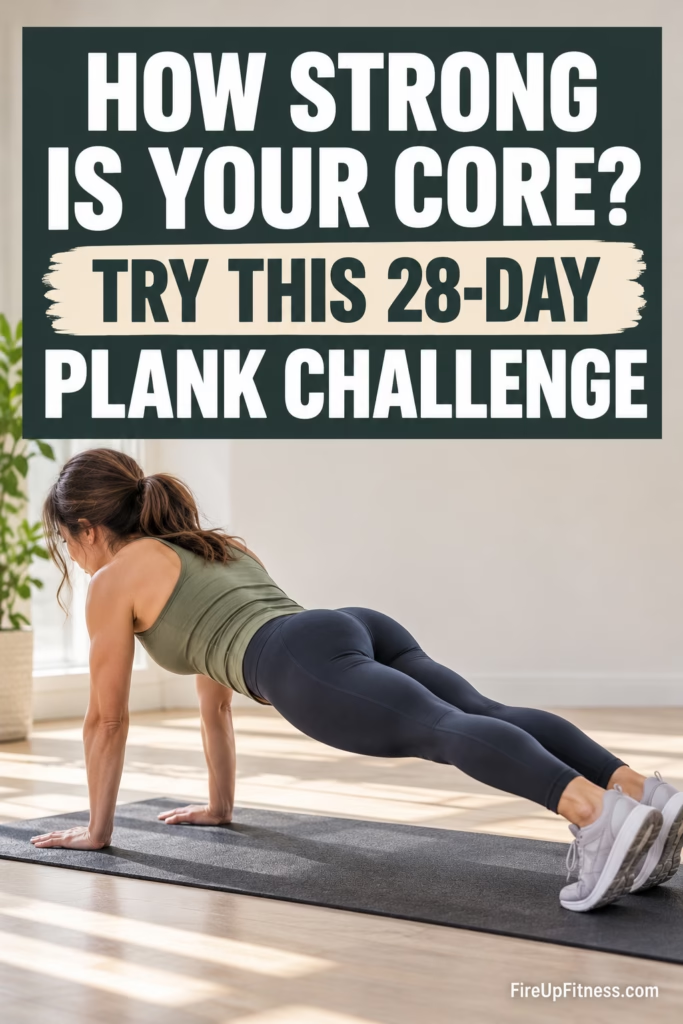
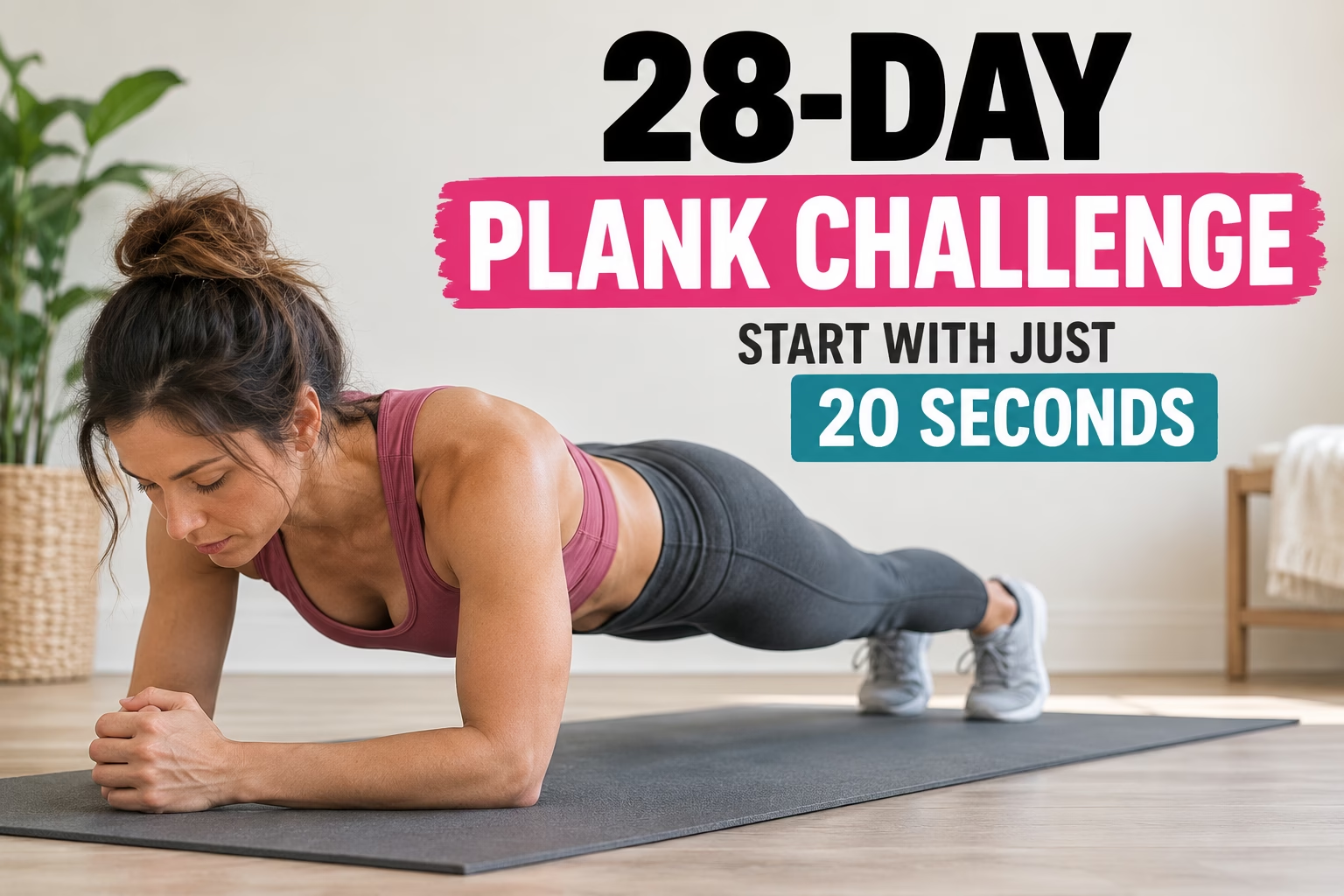
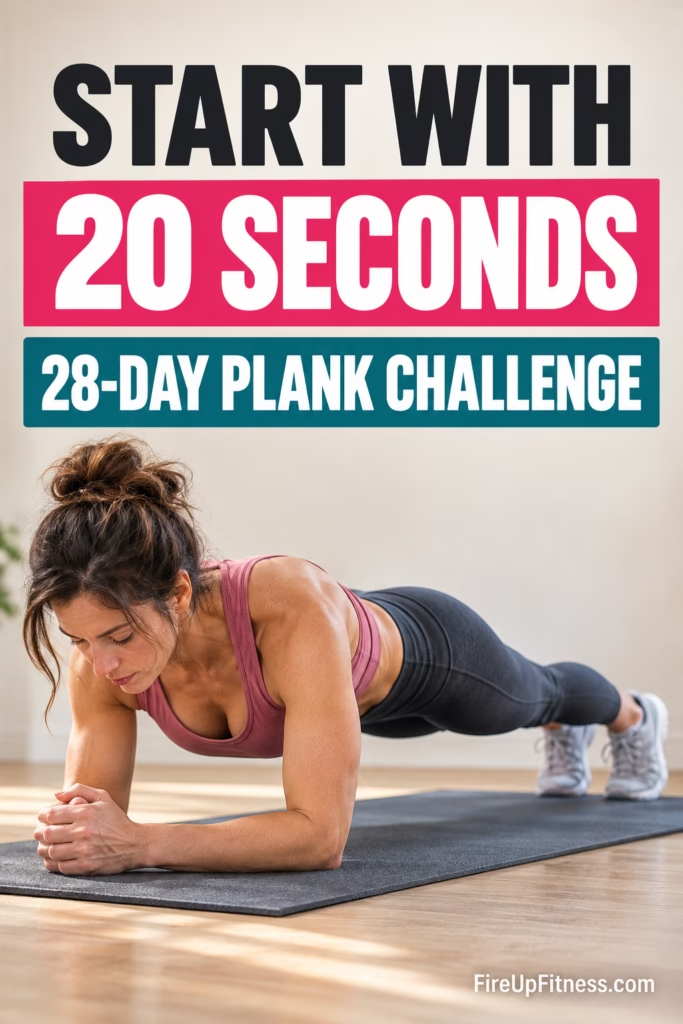
That’s the idea behind the 28-day plank challenge, a simple workout plan that starts with just 20 seconds and gradually builds your strength over four weeks.
Planks might look easy, but don’t let that fool you. This powerful exercise works your abdominal muscles, shoulders, back, and glutes while helping improve balance and stability.
And the best part? You can do it right at home.
Whether you’re a complete beginner or looking for a new fitness goal, this 28-day plank challenge for beginners is a great way to start building a stronger core.
Why You Should Try the 28-Day Plank Challenge
The plank is one of those exercises that looks surprisingly simple until you actually try holding it.
Within seconds, you’ll feel your abdominal muscles working to keep your body steady.
Here are five reasons to give this challenge a try:
- Strengthens your core: Planks work your abdominal muscles, including the deeper muscles that support your spine.
- Supports better posture: A stronger core helps you maintain stability during everyday movements.
- Improves muscular endurance: Gradually increasing your plank time helps your muscles become more comfortable working for longer periods.
- Works multiple muscle groups: Planks engage your shoulders, chest, back, and glutes along with your abs.
- Fits into a busy schedule: You can practice planks at home without needing special equipment.
For women over 40, building core strength can also support balance, mobility, and everyday activities.
How to Do a Plank Correctly
Before starting your 28-day challenge, make sure you know how to perform a plank with proper form.
Follow these simple steps:
- Lie face down on an exercise mat.
- Place your forearms on the floor with your elbows directly beneath your shoulders.
- Extend your legs behind you and balance on your toes.
- Tighten your abdominal muscles and gently squeeze your glutes.
- Keep your body in a straight line from your head to your heels.
- Look down toward the floor and keep your neck relaxed.
- Breathe normally while holding the position.
Beginner tip: If a full plank feels too difficult, lower your knees to the floor or try an elevated plank with your forearms resting on a sturdy surface.
Remember, proper form matters more than how long you can hold the position.
You can also watch this demonstration: How to Do a Perfect Plank.
Your 28-Day Plank Challenge Schedule
Ready to begin?
This four-week plank challenge starts with a manageable 20-second hold and gradually increases the time as your strength improves.
The original challenge builds toward four minutes. However, this is an ambitious endurance target, especially for beginners. Feel free to break longer holds into shorter sets, repeat a week, or progress more slowly.
Week 1: Build Your Foundation
Your first week is all about learning the correct plank position and getting comfortable engaging your core muscles.
| Day | Plank Duration |
|---|---|
| Day 1 | 20 seconds |
| Day 2 | 20 seconds |
| Day 3 | 30 seconds |
| Day 4 | 30 seconds |
| Day 5 | 40 seconds |
| Day 6 | Rest day |
| Day 7 | 45 seconds |
Week 1 goal: Focus on maintaining a straight body position without allowing your hips to sag. Don’t worry about speed or perfection.
Week 2: Improve Your Core Endurance
Now that your body is becoming familiar with planks, it’s time to gradually increase the challenge.
| Day | Plank Duration |
|---|---|
| Day 8 | 45 seconds |
| Day 9 | 60 seconds |
| Day 10 | 60 seconds |
| Day 11 | 60 seconds |
| Day 12 | 90 seconds |
| Day 13 | Rest day |
| Day 14 | 90 seconds |
Week 2 goal: Build endurance while maintaining good form. If 90 seconds feels too challenging, divide the time into three 30-second holds.
Week 3: Challenge Your Core
By the third week, you may notice that shorter planks feel easier than they did when you started.
| Day | Plank Duration |
|---|---|
| Day 15 | 90 seconds |
| Day 16 | 120 seconds |
| Day 17 | 120 seconds |
| Day 18 | 150 seconds |
| Day 19 | Rest day |
| Day 20 | 150 seconds |
| Day 21 | 150 seconds |
Week 3 goal: Continue improving your core endurance without sacrificing technique. Take short breaks between sets whenever necessary.
Week 4: Finish Strong
You’ve reached the final week! The goal now is to recognize how far you’ve come and challenge yourself at a level that feels appropriate.
| Day | Plank Duration |
|---|---|
| Day 22 | 180 seconds |
| Day 23 | 180 seconds |
| Day 24 | 210 seconds |
| Day 25 | Rest day |
| Day 26 | 210 seconds |
| Day 27 | 240 seconds |
| Day 28 | Hold as long as you can with good form |
Week 4 goal: Finish the challenge feeling stronger and more confident. You don’t need to reach four minutes to succeed. A controlled 30–60-second plank is already a worthwhile achievement.
5 Simple Tips to Make Your Plank Challenge Easier
1. Start With What You Can Manage
Can’t hold a plank for 20 seconds yet? That’s perfectly fine.
Start with 10 seconds and gradually increase your time. Building strength takes practice.
2. Don’t Hold Your Breath
It’s common to hold your breath when an exercise becomes challenging.
Instead, breathe slowly and naturally throughout your plank. This helps you maintain control and avoid unnecessary tension.
3. Break Longer Planks Into Shorter Sets
You don’t have to complete every daily target in one continuous hold.
For example, instead of holding a plank for two minutes, try four sets of 30 seconds with short breaks.
4. Listen to Your Body
A plank should challenge your muscles, but it shouldn’t cause sharp pain in your back, shoulders, or wrists.
Stop if you experience pain, and choose an easier variation if necessary.
5. Stay Consistent, Not Perfect
Missing a day doesn’t mean you’ve failed.
Simply return to the challenge when you’re ready. Consistency over time matters much more than completing every workout perfectly.
Can Doing Planks Every Day Give You a Flat Stomach?
Planks are excellent for strengthening your abdominal muscles, but they cannot specifically remove belly fat or guarantee a flat stomach.
What they can do is help develop stronger core muscles, improve stability, and support better posture.
You may begin noticing improvements in how comfortably you hold a plank within a few weeks, although visible physical changes vary from person to person.
For overall fitness, combine your plank routine with regular walking, full-body strength training, balanced nutrition, and adequate rest.
What Results Can You Expect After 28 Days?
After completing this challenge, you may notice several positive changes:
- You can hold a plank longer than when you started.
- Your abdominal muscles feel stronger during exercise.
- You have better control over your body position.
- Other exercises that require core stability feel easier.
- You feel more confident about maintaining a regular workout habit.
Remember, everyone progresses differently. Some people may reach a two-minute plank, while others may progress from 20 seconds to 45 seconds.
Both are meaningful improvements.
Final Thoughts: Your Stronger Core Starts With 20 Seconds
You don’t need to spend hours exercising to begin improving your core strength.
The 28-day plank challenge is a simple way to introduce more movement into your routine, build muscular endurance, and develop a consistent fitness habit.
Start with 20 seconds, focus on proper technique, and increase your time at a pace that works for you.
If you have an existing injury, medical condition, or concerns about starting a new exercise routine, speak with a qualified healthcare professional first.
Save this 28-day plank challenge to Pinterest so you can follow the daily schedule whenever you need it.
And here’s a question for you: Can you hold a plank for 20 seconds today? Try it and share your starting time in the comments!