Hamstring Exercises at Home: Best Stretches for Flexibility
Sitting for hours can do a number on the body. Even if everything feels “fine” during the day, tightness has a way of building up quietly—until one day you stand up, take a few steps, and realize your legs feel stiff, heavy, or oddly sore.
One of the most common areas affected by long sitting is the back of the thighs: the hamstrings.
Hamstrings are powerful muscles that help you walk, run, bend, squat, and even maintain posture. When they get tight, daily movement feels harder than it should. Tight hamstrings can also increase the risk of strains and can contribute to discomfort in the hips or lower back.
The good news is that relief doesn’t require a gym session. A few simple hamstring exercises at home can loosen the legs, improve mobility, and support better flexibility over time. And yes—many of these movements work perfectly in small spaces, even at work.
Why Hamstrings Feel Tight After Sitting All Day
The body adapts to what it does most. When you sit for long periods, the hips stay bent and the legs stay in a fixed position. Over time:
- the hamstrings shorten
- the hips become less mobile
- the lower back works harder to compensate
- bending and walking can feel stiff or uncomfortable
That’s why so many people feel tight in the back of the legs after desk work. It’s not necessarily weakness—it’s often lack of movement and stretching.
What Makes Hamstring Stretching So Effective?
The hamstrings respond really well to consistency. When stretching becomes part of a routine, a few things start to happen:
- the muscles lengthen more comfortably
- blood circulation improves in the legs
- posture becomes easier to maintain
- movement becomes smoother (especially bending and squatting)
That’s why stretching exercises for flexibility matter—especially when a job requires hours of sitting.
Best Hamstring Stretches You Can Do at Home or Work
These exercises double as lower body stretches and are perfect for anyone who wants to stretch hamstrings safely without needing a lot of time or space.
1) Seated Twist (Spine + Hip Release)
Even though this feels like a back stretch, it helps the entire lower body loosen up. Tight hips and lower back tension often show up alongside tight hamstrings.
How to do it:
- Sit upright on a sturdy chair with feet flat on the floor.
- Keep the spine tall and shoulders relaxed.
- Place the right hand on the outside of the right knee.
- Gently twist to the right, using the hand on the knee for light leverage.
- Hold for several breaths.
- Switch to the left side.
Tip: Think slow and controlled. A twist should feel like a stretch—not like a forceful pull.
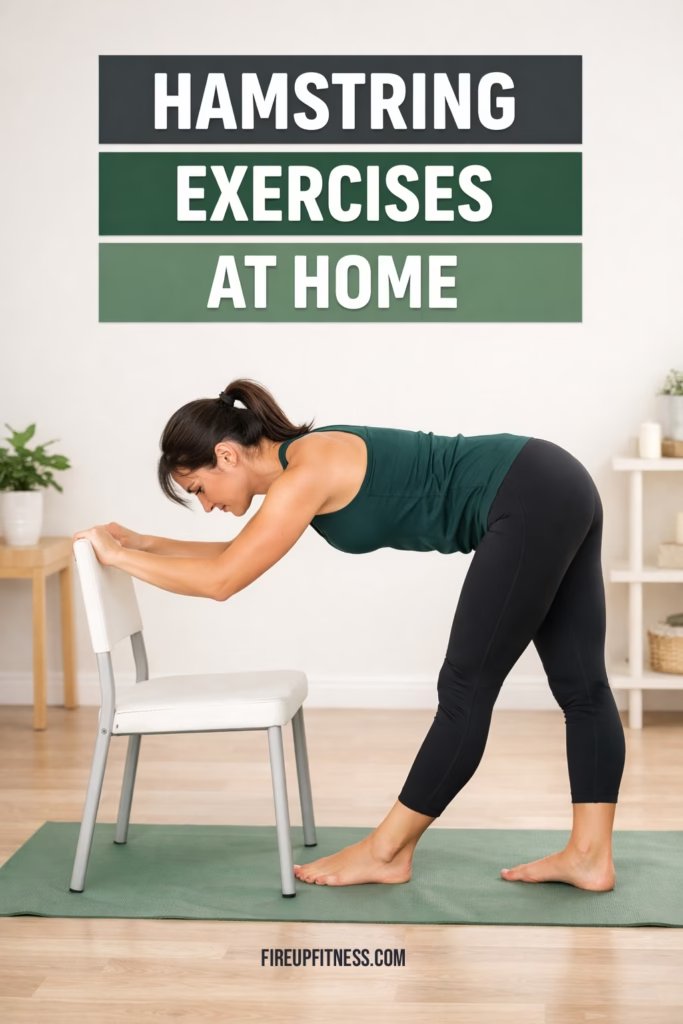
2) Standing Forward Bend (Classic Hamstring Stretch)
This is one of the best hamstring stretches for a reason. It targets the back of the thighs directly and helps lengthen the legs gently.
How to do it:
- Stand with feet hip-width apart.
- Soften the knees slightly (this protects the joints).
- Exhale and hinge forward from the hips.
- Slide hands down your thighs or shins.
- Stop once a stretch is felt in the hamstrings.
To deepen the stretch safely:
- On each exhale, let the body relax a little more (no bouncing).
- Hold for 20–40 seconds.
- Slowly return to standing.
Modification: Place hands on a desk or chair for support.
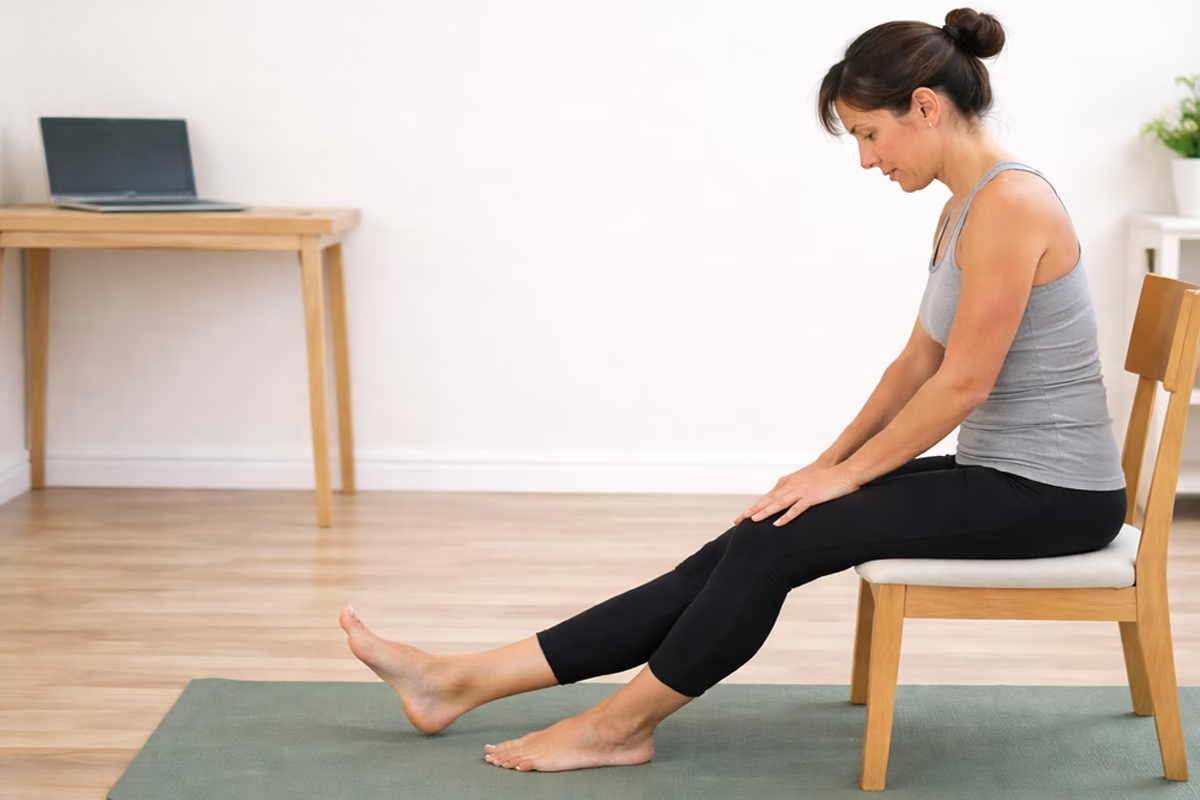
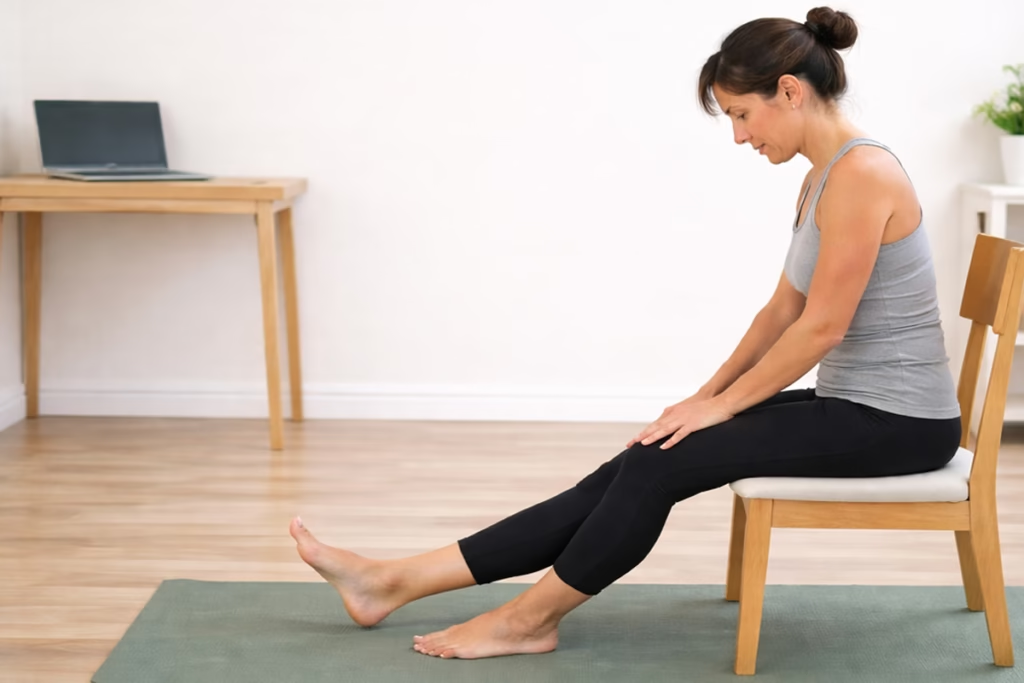
3) The “Wooden Leg” Stretch (Seated Single-Leg Hamstring Stretch)
This one is perfect for the workplace and one of the most practical leg stretches for flexibility.
How to do it:
- Sit at the edge of a chair.
- Keep the left foot flat on the floor.
- Extend the right leg straight in front with the heel on the ground.
- Keep the toes pointed up.
- Sit tall, then lean forward slightly from the hips.
You should feel the stretch behind the extended thigh.
Hold for 20–40 seconds, then switch sides.
Tip: Keep the back long and avoid rounding the shoulders too much.
4) Seated Pigeon (Hip + Thigh Stretch That Supports Hamstrings)
This stretch targets the hips and outer thighs, which directly affects how the hamstrings feel. Tight hips often pull the lower body into stiffness.
How to do it:
- Sit near the edge of a chair.
- Place the right ankle over the left knee.
- Keep the left foot grounded and stable.
- Sit tall and lengthen through the spine.
- Hold and breathe.
To increase the stretch slightly:
- hinge forward just a bit while keeping the back straight.
Hold for 20–40 seconds, then switch sides.
You’ll feel this in: hips, glutes, outer thigh, and deep leg muscles.
How Often to Stretch Hamstrings for Results
Hamstrings don’t usually loosen up overnight. But they improve fast with consistency.
A simple schedule:
- 3–5 days per week for flexibility improvement
- daily for tight legs from long sitting
- 5–10 minutes is enough to make a difference
Even one stretch break in the middle of the workday can help.
Quick Desk Routine: 3-Minute Hamstring Reset
When the legs feel stiff from sitting, this mini routine works well:
- Seated Wooden Leg Stretch – 30 seconds each leg
- Seated Twist – 30 seconds each side
- Standing Forward Bend (chair-assisted if needed) – 30–45 seconds
That’s it. Simple, realistic, and effective.
Important Form Tips (So Stretching Doesn’t Backfire)
Stretching should feel good. If it doesn’t, something needs adjusting.
Keep these cues in mind:
- avoid bouncing
- never force deeper range
- bend knees slightly in forward bends
- focus on slow breathing
- stop if sharp pain appears
Stretching should feel like gentle tension—not like a strain.
Final Thoughts
Sitting all day doesn’t mean your legs have to feel tight and stiff. With a handful of simple hamstring exercises at home, the body starts to feel more open, more mobile, and a lot more comfortable—especially in the lower body.
Consistency matters more than intensity. A few minutes at a time can go a long way, especially when those stretches become part of the day instead of something saved for “later.”