How to Flatten Your Stomach Using Foods That Help
For many women, the stomach is the first place discomfort shows up—and the last place it seems to change.
Bloating. Tightness. That heavy feeling after meals, even when you’re eating “healthy.” It’s frustrating, especially when exercise or calorie cutting doesn’t seem to make much difference.
What’s often overlooked is that a flat stomach isn’t only about fat. It’s also about digestion, inflammation, hydration, and how your body reacts to the foods you eat every day.
When the stomach feels flatter, it’s usually because the body is calmer—not because it’s being forced into change.

What Becomes Clear After a While
People often assume they need to eat less to flatten their stomach. In reality, many are eating foods that quietly work against digestion and gut comfort—even when calories aren’t high.
Highly processed foods, excess sugar, rushed meals, and dehydration can all cause the stomach to feel swollen or tight. On the other hand, certain foods consistently support digestion, reduce bloating, and help the stomach settle naturally.
A flatter stomach often comes from eating smarter, not stricter.
Why Food Choice Matters More Than Quantity
The stomach is highly sensitive to inflammation and digestive stress.
Some foods digest easily, support gut bacteria, and reduce water retention. Others slow digestion, cause gas, or trigger inflammation—even if they seem harmless.
When you choose foods that your body handles well, the stomach often appears flatter without any deliberate effort to “flatten” it.
Foods That Naturally Help Flatten the Stomach
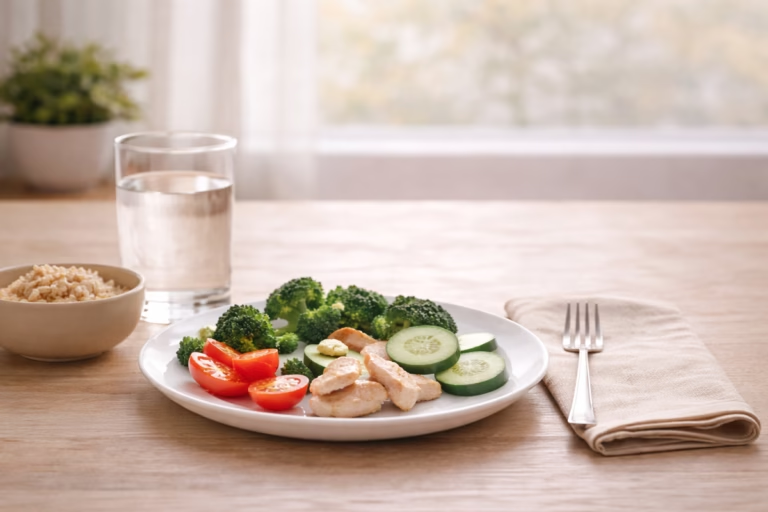
1. High-Fiber Vegetables (That Are Easy to Digest)
Vegetables help move digestion along and prevent bloating when chosen wisely.
Good options include:
- Spinach
- Zucchini
- Cucumbers
- Carrots
- Cooked leafy greens
Lightly cooked vegetables are often easier on digestion than raw ones, especially if bloating is common.
2. Lean Protein for Digestive Balance
Protein slows digestion and stabilizes blood sugar, which helps reduce belly swelling and cravings.
Examples:
- Eggs
- Fish
- Chicken
- Greek yogurt
- Lentils (if tolerated)
Balanced meals with protein help prevent overeating and reduce digestive stress.
3. Foods That Reduce Water Retention
Some foods naturally help the body release excess water, which can make the stomach feel tighter and less puffy.
These include:
- Asparagus
- Celery
- Citrus fruits
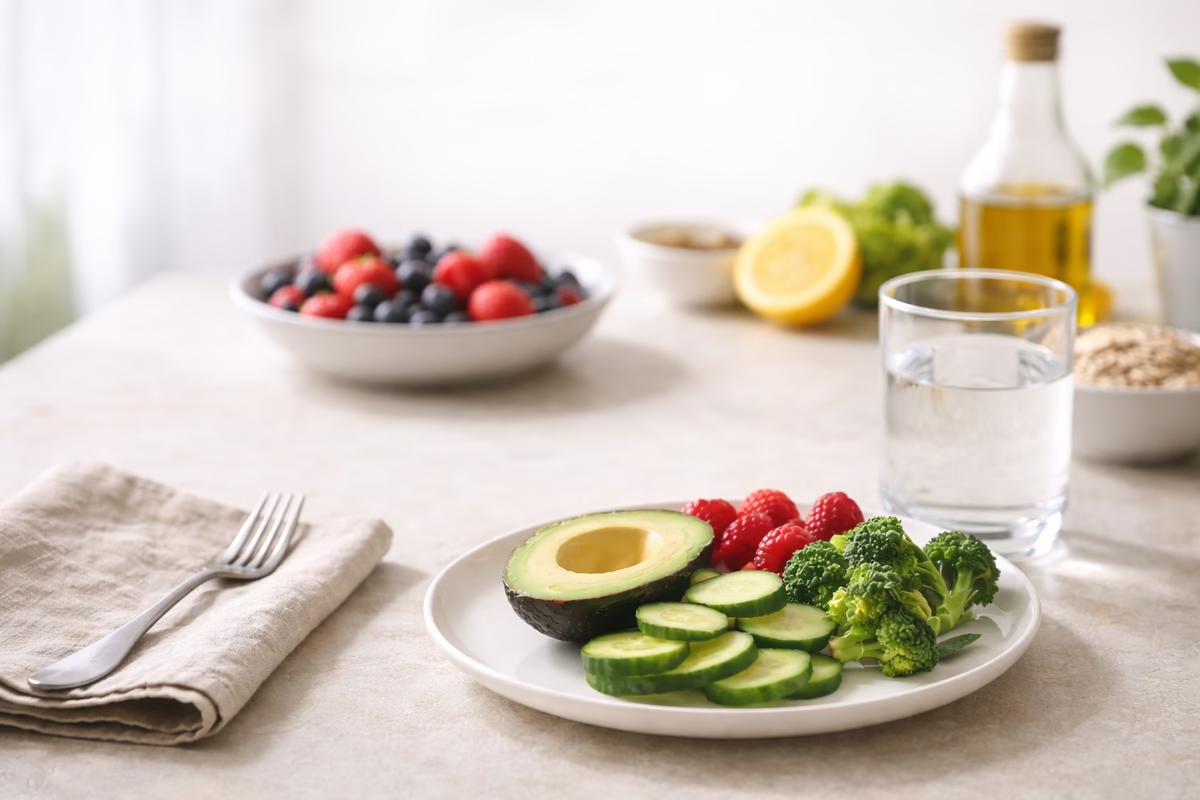
- Berries
Hydration plays a key role here—drinking enough water actually helps reduce water retention.
4. Gut-Friendly Foods That Support Digestion
A calm gut leads to a calmer stomach.
Foods that often support digestion:
- Yogurt or kefir
- Fermented vegetables (small amounts)
- Bananas
- Oats
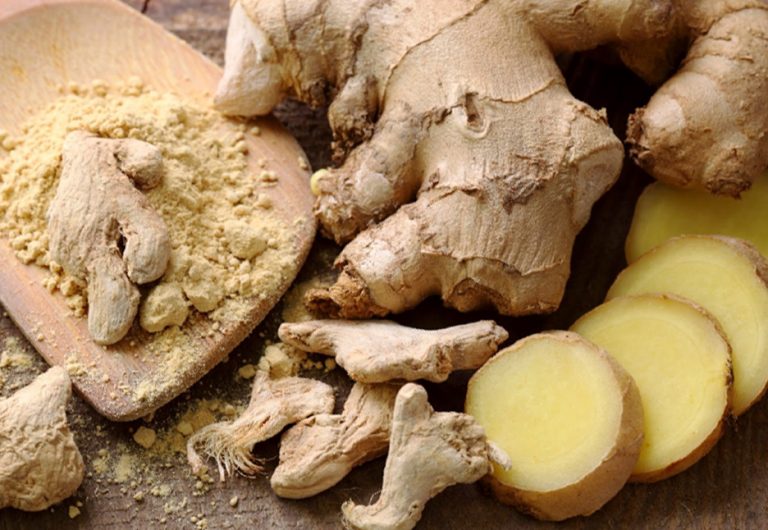
- Ginger
These foods help maintain healthy gut bacteria and reduce gas buildup.
5. Healthy Fats That Reduce Inflammation
Fat doesn’t cause belly fat when eaten in reasonable amounts. In fact, the right fats can reduce inflammation and improve digestion.
Helpful sources:
- Avocados
- Olive oil
- Nuts and seeds
- Fatty fish
Healthy fats slow digestion gently and keep meals satisfying.
Eating Habits That Matter Just as Much as Food
What you eat matters—but how you eat matters too.
To support a flatter stomach:
- Eat slowly and chew thoroughly
- Avoid eating when rushed or stressed
- Stop when comfortably full
- Avoid lying down immediately after meals
These habits reduce air swallowing, improve digestion, and prevent bloating.
Who This Approach Works Best For
Using food to flatten the stomach is especially helpful if:
- Bloating is a bigger issue than weight
- Your stomach changes throughout the day
- You feel uncomfortable after meals
- You want a gentle, sustainable approach
- You’re focusing on gut health and balance
This isn’t about restriction—it’s about support.
What to Expect When You Make These Changes
Flattening the stomach with food isn’t instant, but it’s noticeable.
Early changes often include:
- Less bloating by evening
- Improved digestion
- Reduced discomfort after meals
- A lighter, calmer stomach feeling
Visible changes usually follow once digestion becomes more consistent.
A More Sustainable Way to Think About a Flat Stomach
A flat stomach isn’t something you force—it’s something that happens when the body feels supported.
When digestion improves, inflammation lowers, and food choices align with what your body needs, the stomach often flattens naturally.
The goal isn’t perfection. It’s comfort, balance, and consistency.
Sometimes, the simplest food choices create the biggest difference.