Does Wall Pilates Work? The Truth Behind the Hype
If you’ve been scrolling Pinterest or TikTok lately, you’ve probably noticed one workout popping up everywhere: Wall Pilates.
And honestly, it makes sense. It looks simple. It looks calming. It looks like something you could do in your living room without a gym membership, expensive gear, or an overwhelming routine that takes up half your day.
But the real question is the one so many women are quietly asking:
Does Wall Pilates actually work… or is it just another fitness trend?
The short answer: Yes, Wall Pilates works—but not in the “miracle transformation overnight” way some videos suggest. It works in a more realistic, sustainable, and body-friendly way: by strengthening your core, improving posture, toning muscles, and helping your body move better overall.
Let’s break down what Wall Pilates really is, why it’s so effective, and how to know if it’s the right workout for you.
What Is Wall Pilates?
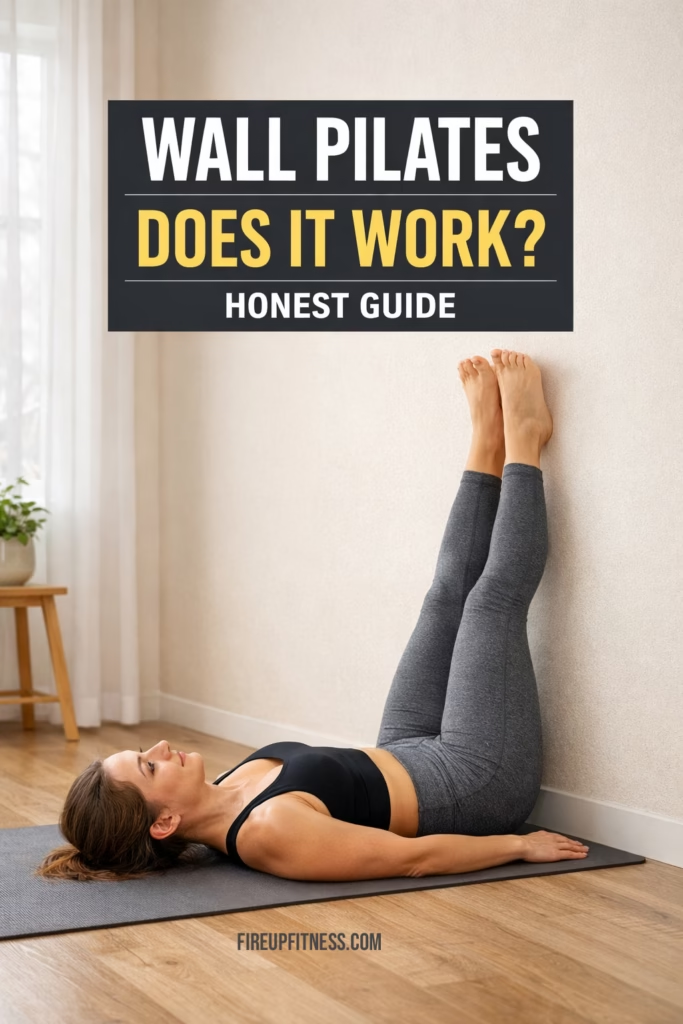
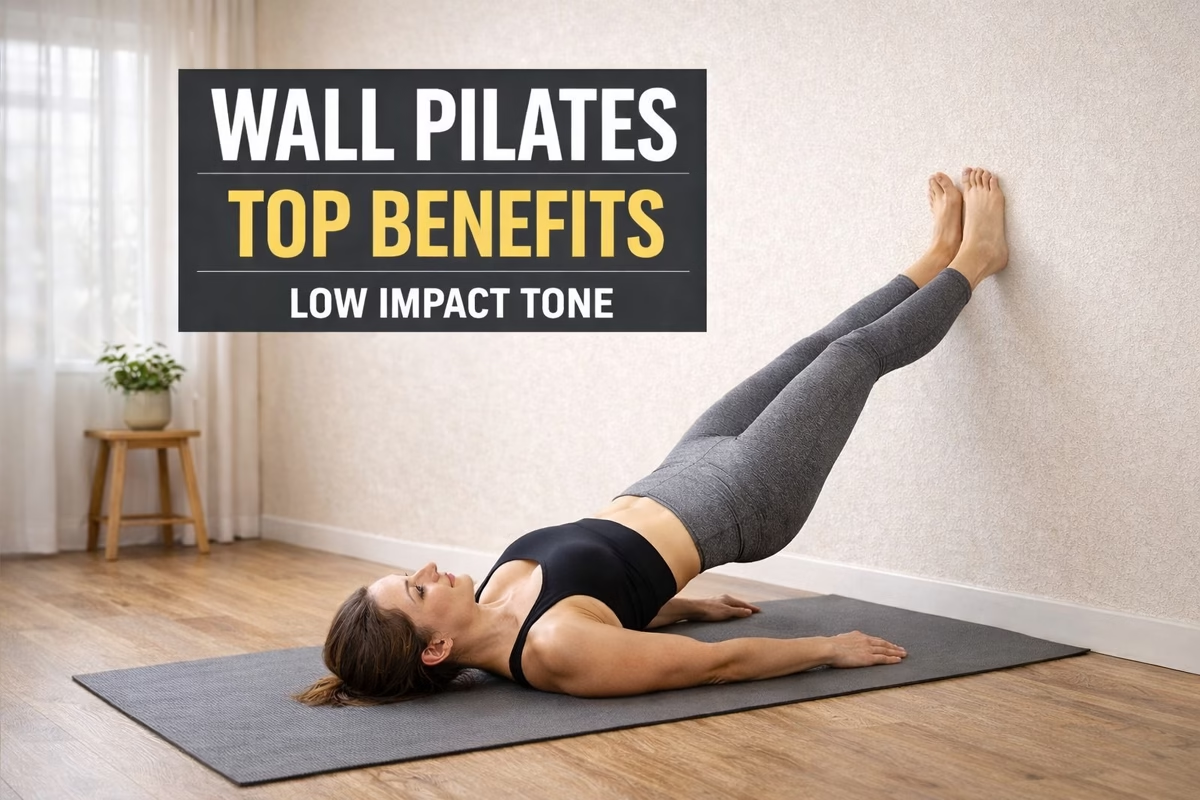
Wall Pilates is a form of Pilates that uses a wall as support, resistance, and alignment guidance.
Traditional Pilates focuses on controlled movements, breathing, posture, and building strength from the inside out—especially through the core. Wall Pilates keeps that same foundation but adds the wall to help:
- improve balance
- encourage better form
- increase stability
- create gentle resistance
- make exercises more beginner-friendly
It’s not a separate “new” type of Pilates—it’s more like a smart twist on classic Pilates that makes it more accessible (especially if you’re just starting out).
As Joseph Pilates, the creator of Pilates, famously said:
“Physical fitness is the first requisite of happiness.”
Wall Pilates stays true to that philosophy because it doesn’t only build strength—it teaches your body how to move with more control and confidence.
How Wall Pilates Works (And Why It Feels Different)
Wall Pilates looks gentle, but it’s very intentional. That’s why it works so well.
1) Core Engagement Comes First
Almost every Wall Pilates move is designed to activate your core. And not just your abs—the deep muscles that support your spine, pelvis, and posture.
Many exercises involve:
- holding positions
- slow leg lifts
- controlled pulses
- steady breathing with tension
This combination wakes up the muscles that often go “offline” when we sit too much or feel stressed.
2) The Wall Supports Alignment
One of the biggest reasons Wall Pilates is so effective for beginners is because the wall helps guide your body into proper form.
Instead of guessing if your hips are level or your back is in the right position, the wall gives instant feedback.
3) You Still Get a Full-Body Workout
Yes, your core is the star of the show—but Wall Pilates works far more than just your midsection.
Depending on your routine, you’ll feel it in your:
- glutes
- thighs
- inner legs
- back
- shoulders
- arms
That’s why many women notice their body feeling “tighter” and stronger after only a few weeks.
The Real Benefits of Wall Pilates (Why Women Love It)
Let’s talk about what actually changes when you stick with Wall Pilates consistently.
1) Builds Core Strength (Without Crunches)
One of the biggest myths in fitness is that you need endless crunches or sit-ups to build core strength.
Wall Pilates targets your core in a much more functional way. It strengthens the muscles that help you:
- stand taller
- protect your lower back
- stabilize your body in daily movement
Over time, this creates a flatter-looking, stronger midsection—not because of magical fat loss, but because your muscles start doing their job again.
2) Improves Posture (Even If You Sit All Day)
Many women don’t realize how much posture affects the way the body looks and feels.
Poor posture can create:
- a forward head position
- rounded shoulders
- tight hips
- a belly that sticks out more than it should
Wall Pilates encourages the body to align properly. When your posture improves, your body instantly looks more lifted and confident—and most importantly, you feel better.
3) Enhances Flexibility (Gently, Not Aggressively)
Wall Pilates movements stretch and strengthen at the same time. You’ll improve flexibility without forcing your body into uncomfortable positions.
This is especially helpful if you feel stiff in:
- hips
- hamstrings
- lower back
- shoulders
4) Low-Impact and Joint-Friendly
If jumping workouts make your knees ache or your lower back complain, Wall Pilates can feel like a relief.
Because there’s no pounding, no hopping, and no heavy loading, it’s easier on:
- knees
- hips
- ankles
- wrists
That makes it a great option for women who want results without punishing their joints.
5) Easy, Affordable, and Convenient
You don’t need equipment.
You don’t need a gym.
You don’t need to feel “ready.”
All you need is:
- a wall
- some floor space
- a few minutes
- consistency
That’s it.
Wall Pilates is one of the rare workout styles that can fit into real life—especially for women juggling family, work, and everything in between.
Does Wall Pilates Work for Weight Loss or Body Fat Loss?
This is the part where we need to be honest—and helpful.
Wall Pilates is not a high-calorie-burning workout like intense cardio. So if your only goal is to burn fat quickly, Wall Pilates alone won’t give the dramatic fat-loss results some influencers promise.
But here’s what Wall Pilates does do extremely well:
It supports body fat loss in 3 powerful ways:
1) It Builds Lean Muscle Tone
Even light resistance can build muscle when it’s consistent. And lean muscle helps your body burn more calories over time.
2) It Improves Movement Quality
When your core, posture, and mobility improve, you naturally move more during the day—and your workouts become more effective.
3) It Reduces Stress
Pilates is famous for its mind-body connection. Lower stress can mean lower cortisol—and cortisol is strongly linked to stubborn weight gain in many women, especially around the belly.
Best tip:
If your goal is fat loss, pair Wall Pilates with:
- daily walking
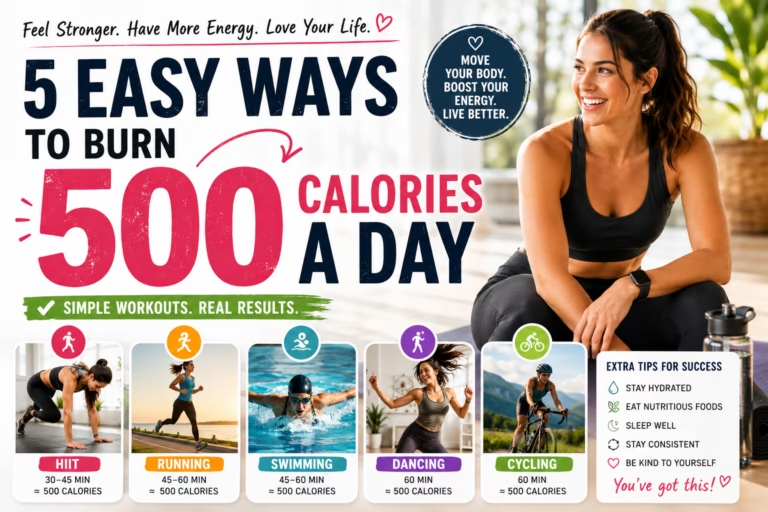
- light cardio (cycling, incline walking)
- strength training a few times a week
- balanced nutrition
Wall Pilates becomes the “foundation workout” that keeps your body aligned, strong, and consistent.
Who Should Try Wall Pilates?
One reason Wall Pilates became a sensation is because it truly fits so many women.
Wall Pilates is ideal for:
Beginners
If you’re starting from zero, Wall Pilates gives you structure without intimidation.
Busy women
If you only have 15–25 minutes, you can still get a meaningful workout in.
Women over 40
Low-impact strength training is one of the best things you can do as you age—and Wall Pilates supports joints while strengthening muscles.
Women recovering from fitness burnout
If you’re tired of extreme workouts that leave you exhausted, Wall Pilates feels refreshing but still effective.
Pilates lovers
If you already love Pilates, the wall adds variety and new challenges.
Common Misconceptions About Wall Pilates
Let’s clear up a few misunderstandings that stop people from trying it.
Misconception #1: “It’s too easy.”
Wall Pilates can be gentle—yes.
But it can also be intense.
Those slow holds and controlled movements can make your legs shake faster than a cardio workout. If you think it’s easy, try holding a core position for 30 seconds with proper breathing and alignment.
You’ll feel it.
Misconception #2: “You can’t build strength without weights.”
Strength isn’t only built with dumbbells.
Wall Pilates builds:
- muscle endurance
- stability strength
- functional control
That kind of strength is what makes your body feel capable and athletic in everyday life.
Misconception #3: “It’s only stretching.”
Flexibility is part of Pilates, but Wall Pilates is about much more than stretching.
It improves:
- balance
- coordination
- core strength
- posture
- muscle tone
Tips for Starting a Wall Pilates Workout (Beginner-Friendly)
If you want to start strong and avoid frustration, follow these tips.
Choose a clean space
Give yourself enough room to move freely beside the wall.
Wear comfortable fitted clothing
Loose clothing can get in the way, especially during leg movements.
Start with the basics
Beginner Wall Pilates focuses on core alignment and control. That’s exactly what you need at first.
Focus on form, not speed
Wall Pilates is effective because it’s controlled. If you rush, you miss the point.
Breathe intentionally
This is huge.
Pilates breathing helps you engage your deep core. Try exhaling during the hardest part of each move.
Stay consistent
Wall Pilates is one of those routines where consistency matters more than intensity.
Aim for:
- 2–3 sessions per week to start
- 4–5 sessions per week for faster tone and posture results
How Long Does It Take to See Results With Wall Pilates?
Most women begin noticing changes in:
1–2 weeks:
- improved posture
- less stiffness
- stronger core awareness
3–4 weeks:
- toned legs and glutes
- tighter waist feeling
- better balance and stamina
6–8 weeks:
- visible muscle definition
- stronger posture and shape
- increased flexibility and body confidence
Results vary, but the women who see the best results all have one thing in common:
They keep showing up—even when the workout feels “too gentle to matter.”
Because it does matter.
Final Thoughts: Is Wall Pilates Worth Trying?
Yes—absolutely.
Wall Pilates works because it strengthens the body in a way that supports real life. It doesn’t just aim for a smaller waist or toned legs. It builds a body that feels:
- more stable
- more aligned
- more flexible
- more confident
- more capable
And sometimes the best workout isn’t the one that leaves you exhausted—it’s the one you can actually stick with.
As the saying goes, “The journey of a thousand miles begins with a single step.”
Wall Pilates might be the step that finally makes fitness feel doable again.
If you’ve been curious about it, this is your sign: try it.