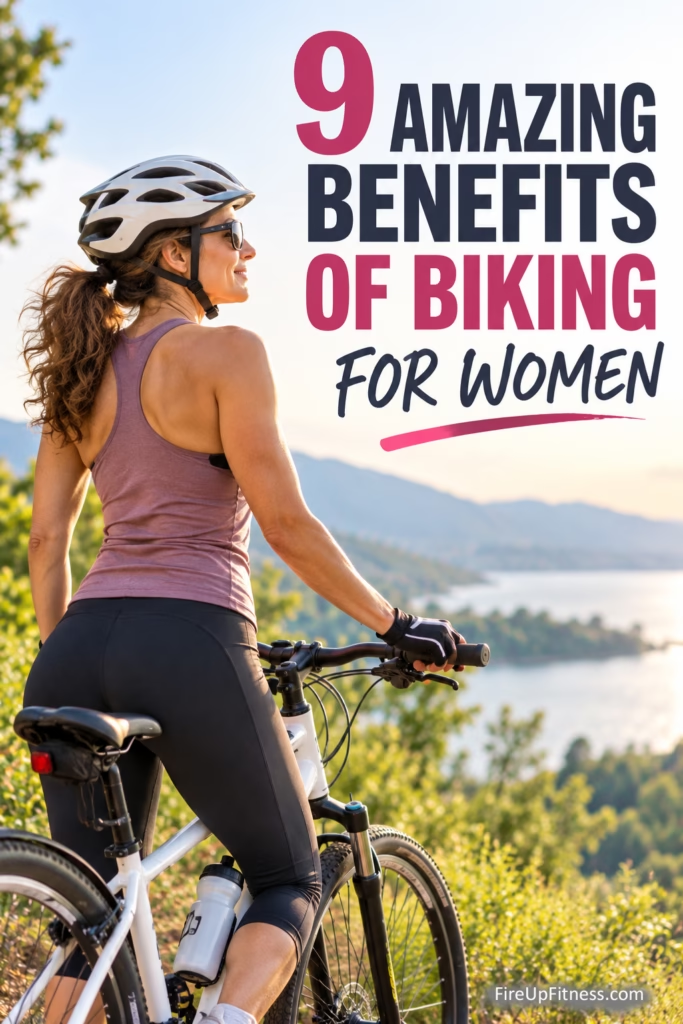
9 Amazing Cycling Benefits for Women You Should Know
Looking for a simple way to stay active, feel stronger, and enjoy exercise without putting too much pressure on your joints? Riding a bicycle might be exactly what you need.
One of the best things about cycling is that it doesn’t have to feel like a traditional workout. You can enjoy a peaceful morning ride, explore your neighborhood, pedal along a scenic trail, or use a stationary bike while watching your favorite show.
And the benefits of biking go far beyond stronger legs.
Regular cycling can support heart health, improve stamina, lift your mood, and help you maintain an active lifestyle as you get older. For women over 40, it’s also a practical way to build endurance while keeping exercise comfortable and enjoyable.
Whether you’re a complete beginner or returning to fitness after a long break, here are nine wonderful benefits of bike riding for women that make cycling worth adding to your weekly routine.
1. Boosts Energy and Metabolism
Feeling sluggish halfway through the day? A short bike ride might be a refreshing way to get your body moving.
Cycling is an aerobic exercise that challenges your muscles, heart, and lungs. As your fitness improves, your body becomes better at delivering oxygen to working muscles and supporting sustained activity.
This can make everyday activities feel less tiring.
Regular biking may help you:
- Improve your overall energy levels.
- Support a healthy, active metabolism.
- Build better cardiovascular endurance.
- Feel more energized throughout the day.
- Maintain a consistent exercise routine.
You don’t need to pedal intensely to enjoy these biking exercise benefits. Even a comfortable 15- to 20-minute ride can be a good starting point.
Try this: Take a gentle bike ride after breakfast or during an afternoon break. Start with a pace that allows you to talk comfortably, and gradually increase your riding time as your stamina improves.
2. Strengthens Your Legs and Glutes
Want stronger legs without spending hours doing squats and lunges?
Cycling is an excellent way to work several major muscle groups in your lower body.
Every time you push the pedals, your legs work together to keep the bicycle moving.
The main muscles involved include:
- Quadriceps: The muscles at the front of your thighs that help extend your knees.
- Hamstrings: The muscles behind your thighs that assist with pedaling.
- Glutes: The muscles around your hips that help produce power.
- Calves: The lower-leg muscles that help stabilize your ankles and contribute to pedaling.
Your core also helps stabilize your body, particularly when riding outdoors.
Adding gentle hills or slightly increasing the resistance on a stationary bike can make your muscles work harder.
However, cycling mainly builds muscular endurance. For greater strength and muscle development, combine it with exercises such as squats, glute bridges, and step-ups.
Try this: During your next ride, add two or three short periods of slightly higher resistance, followed by easy pedaling.
3. Supports a Healthy Heart
One of the most valuable cycling benefits is its positive effect on cardiovascular health.
Your heart is a muscle, and regular aerobic exercise helps it work more efficiently.
As you pedal, your heart rate increases to deliver oxygen-rich blood to your working muscles. Over time, consistent cycling can improve cardiovascular fitness and help support healthy blood pressure.
Regular physical activity is also associated with a lower risk of cardiovascular disease.
For women approaching midlife, maintaining heart health becomes especially important.
The good news? You don’t have to become a competitive cyclist to benefit.
A comfortable bike ride several times a week can contribute to your overall aerobic activity goals.
Try this: Begin with 20 minutes of moderate cycling three days a week. Gradually work toward at least 150 minutes of moderate-intensity aerobic activity per week, as recommended for most adults.
4. Gentle on Your Joints
Not every workout needs jumping, running, or high-impact movements to be effective.
One of the biggest bicycle benefits is that cycling is a low-impact exercise.
Unlike running, where your feet repeatedly strike the ground, cycling allows you to move your legs in a smooth, continuous motion while the bicycle supports much of your body weight.
This can make biking a comfortable option for women who prefer gentler exercise.
Cycling may be especially appealing when you’re:
- Returning to exercise after a break.
- Looking for a low-impact cardio workout.
- Trying to reduce repetitive impact on your joints.
- Building endurance at a comfortable pace.
- Searching for an alternative to running.
However, low impact doesn’t mean cycling is completely stress-free for your joints. Incorrect seat height, excessive resistance, or poor bike positioning can contribute to knee, hip, or back discomfort.
Try this: Adjust your bicycle seat so your knee remains slightly bent when the pedal reaches its lowest position. Start with light resistance and avoid pushing through pain.
5. Helps Reduce Stress
Sometimes, the best part of riding a bicycle isn’t the physical workout. It’s the mental break.
Imagine spending 20 minutes outside, enjoying fresh air, noticing the trees, and focusing on the steady rhythm of your pedaling.
That simple experience can feel surprisingly refreshing.
Physical activity, including cycling, can support emotional well-being and help reduce stress. Outdoor rides may offer additional enjoyment through exposure to nature and a change of scenery.
Some of the mental bike riding benefits include:
- Helping you unwind after a busy day.
- Supporting a more positive mood.
- Providing a break from screens and daily responsibilities.
- Improving your sense of accomplishment.
- Creating opportunities for relaxation and mindfulness.
Indoor cycling can also offer similar exercise-related mental health benefits, especially when paired with enjoyable music or a relaxing routine.
Try this: Set aside 15 minutes for a comfortable ride without focusing on speed or distance. Simply enjoy the movement.
6. Builds Stamina and Endurance
Remember how tiring a short bike ride felt when you first learned to cycle?
With regular practice, that same distance can begin to feel easier.
That’s your endurance improving.
Cycling challenges your cardiovascular system and trains your muscles to sustain repeated movement.
Over time, you may notice that you can ride longer, handle gentle hills more comfortably, and recover more quickly after moderate activity.
These improvements can also carry over into daily life.
Walking longer distances, climbing stairs, gardening, and running errands may begin to feel less demanding as your overall fitness improves.
For women over 40, maintaining endurance can help support an independent and active lifestyle.
Try this: Start with a 10-minute ride and add a few minutes each week. Focus on steady progress rather than riding faster every time.
7. Supports Healthy Aging
Staying active as you age isn’t just about exercise performance. It’s about maintaining the strength, mobility, and energy to enjoy everyday life.
Cycling can play an important role in a healthy aging routine.
Regular bike riding helps maintain cardiovascular fitness, lower-body muscular endurance, and general physical activity levels.
It can also encourage outdoor recreation and provide an enjoyable reason to keep moving.
However, there’s one important detail worth understanding.
Because cycling is not a weight-bearing exercise, it doesn’t stimulate bone density as effectively as activities such as walking, jogging, or resistance training.
This matters for women, particularly after menopause, when maintaining bone strength becomes increasingly important.
For a balanced fitness routine, combine cycling with:
- Strength training to maintain muscle and bone health.
- Walking or other weight-bearing activities.
- Gentle stretching to support flexibility.
- Balance exercises to improve stability.
Together, these activities can help support strength, mobility, and confidence through midlife and beyond.
Try this: Enjoy cycling three days a week and include two short strength-training sessions using bodyweight exercises or resistance bands.
8. Makes Exercise Easier to Maintain
The most effective exercise routine is often the one you actually enjoy doing.
That’s another reason cycling is such a practical choice.
You can adjust it to your schedule, fitness level, and personal preferences.
Some days, you might enjoy a longer outdoor ride. Other days, 15 minutes on a stationary bike might be all you have time for.
Both count as movement.
You can also turn everyday activities into opportunities to cycle.
Consider riding to a nearby park, visiting a friend, exploring a local trail, or using your bicycle for short errands when routes are safe.
The flexibility of cycling makes it easier to build a routine without feeling pressured to complete a complicated workout.
Try this: Choose three days each week for cycling and keep your rides manageable. Consistency matters more than making every session challenging.
9. Builds Confidence and Connection
There’s something rewarding about realizing you can ride farther than you could a few weeks ago.
Maybe you finish your first 30-minute ride, manage a small hill, or discover a beautiful cycling trail near your home.
These small accomplishments can help build confidence.
Cycling also offers opportunities to connect with other people.
You can ride with a friend, join a beginner-friendly cycling group, or attend an indoor cycling class.
For women who spend much of their day balancing family, work, and personal responsibilities, a regular bike ride can also provide valuable time for themselves.
And unlike many structured workouts, cycling can become a shared activity that you look forward to.
Try this: Invite a friend for a relaxed weekend ride or explore a beginner-friendly cycling route in your community.
Cycling vs. Running: Which Is Better?
When comparing the benefits of running with the benefits of bicycle riding, it’s important to remember that both are excellent forms of cardiovascular exercise.
The right choice depends on your goals, comfort, and preferences.
| Cycling | Running |
|---|---|
| Low-impact exercise | Higher-impact exercise |
| Builds lower-body endurance | Builds lower-body endurance |
| Supports cardiovascular health | Supports cardiovascular health |
| Less weight-bearing stress | Provides weight-bearing activity |
| Easy to adjust resistance | Easy to adjust pace |
| Can be done indoors or outdoors | Can be done indoors or outdoors |
Cycling may be more comfortable for women who prefer low-impact workouts, while running offers additional weight-bearing benefits.
You don’t necessarily have to choose one over the other. Both can fit into a balanced exercise routine.
How to Start Biking for Fitness
Ready to enjoy the benefits of bicycle riding but unsure where to begin?
Start small and make your first few rides comfortable.
Here’s a simple beginner-friendly cycling plan:
| Week | Cycling Time | Frequency |
|---|---|---|
| Week 1 | 10–15 minutes | 3 days |
| Week 2 | 15–20 minutes | 3 days |
| Week 3 | 20–25 minutes | 3–4 days |
| Week 4 | 25–30 minutes | 3–4 days |
This is a flexible example, not a strict schedule. Increase your riding time only when your current routine feels comfortable.
A few simple habits can also make cycling more enjoyable:
- Warm up with five minutes of easy pedaling.
- Choose a comfortable seat height and handlebar position.
- Keep your shoulders relaxed and avoid gripping the handlebars too tightly.
- Drink water, especially during longer rides or warm weather.
- Wear a properly fitted helmet when riding outdoors.
- Choose safe routes and follow local cycling rules.
- Finish with a few minutes of slower pedaling.
If you have a medical condition, recent injury, or persistent joint pain, ask a qualified healthcare professional whether cycling is appropriate for you.
Final Thoughts
The benefits of biking for women extend well beyond physical fitness.
Cycling can help you build stronger legs, support heart health, improve endurance, manage stress, and stay active as you get older.
And perhaps the best part is how easy it can be to make cycling your own.
You don’t need expensive equipment, impressive speed, or long-distance goals to get started. A comfortable bicycle, a safe place to ride, and a little consistency can take you a long way.
Start with a short ride, enjoy the experience, and allow your fitness to improve naturally.
Remember, staying active doesn’t have to feel complicated. Sometimes, it’s as simple as getting on your bike and enjoying the ride.