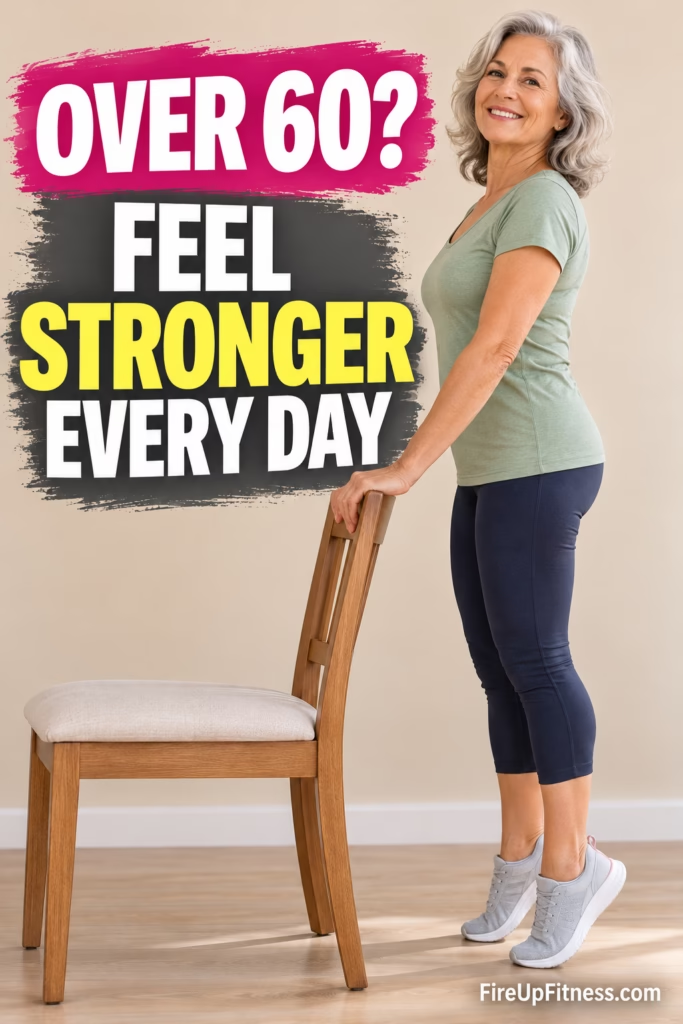
6 Healthy Aging Habits for Women Over 60
Getting older doesn’t mean you have to accept feeling tired, stiff, or less energetic every day. In fact, your 60s can be a wonderful time to focus on feeling stronger, moving comfortably, and enjoying the little things that make life meaningful.
But here’s something many women discover after 60: the healthy habits that worked in their 30s and 40s may need a few adjustments.
Your muscles, bones, sleep patterns, and nutritional needs naturally change with age. The good news? You don’t need a complicated wellness routine or a complete lifestyle makeover to support your health.
Sometimes, a few thoughtful changes to how you eat, move, rest, and care for yourself can make everyday life feel easier.
Here are six practical healthy aging habits for women over 60 that can help support energy, independence, and long-term well-being.

1. Eat to Support Your Strength, Not Just Your Appetite
Have you noticed that you sometimes feel less hungry than you used to?
Appetite can change with age, but your body still needs plenty of nutrients to maintain healthy muscles, bones, and immune function.
Instead of worrying about following a perfect diet, focus on making everyday meals more nourishing.
Try these simple food upgrades:
- Add eggs, Greek yogurt, beans, or fish to meals for protein.
- Include leafy greens, berries, and colorful vegetables for vitamins and antioxidants.
- Choose oats, brown rice, and other whole grains for fiber.
- Enjoy nuts, seeds, and olive oil for healthy fats.
- Include calcium-rich foods to support bone health.
Protein deserves special attention after 60 because maintaining muscle becomes increasingly important for staying active and independent.
A small habit worth trying: Include a source of protein with breakfast instead of relying only on toast or coffee.
You don’t need to change everything on your plate overnight. Start by improving one meal, then build from there.
2. Make Mealtimes More Enjoyable and Mindful
Healthy aging isn’t only about what you eat. It’s also about how you experience your meals.
Eating while watching television, rushing through lunch, or skipping meals because you’re busy can make it harder to notice your appetite and meet your nutritional needs.
Try turning mealtimes into a moment of relaxation rather than another task to finish.
Sit comfortably, slow down, and enjoy the flavors of your food.
You might also find these habits helpful:
- Eat meals at reasonably consistent times.
- Keep easy, nourishing snacks available.
- Pay attention to hunger and comfortable fullness.
- Share a meal with family or friends when possible.
- Prepare simple foods ahead of time for busy days.
And remember, eating less isn’t automatically healthier after 60. Getting enough nourishment is essential for preserving strength and supporting recovery.
Try this today: Enjoy one meal without your phone or television. Notice how the food tastes and how you feel afterward.
3. Train Your Body for the Things You Love Doing
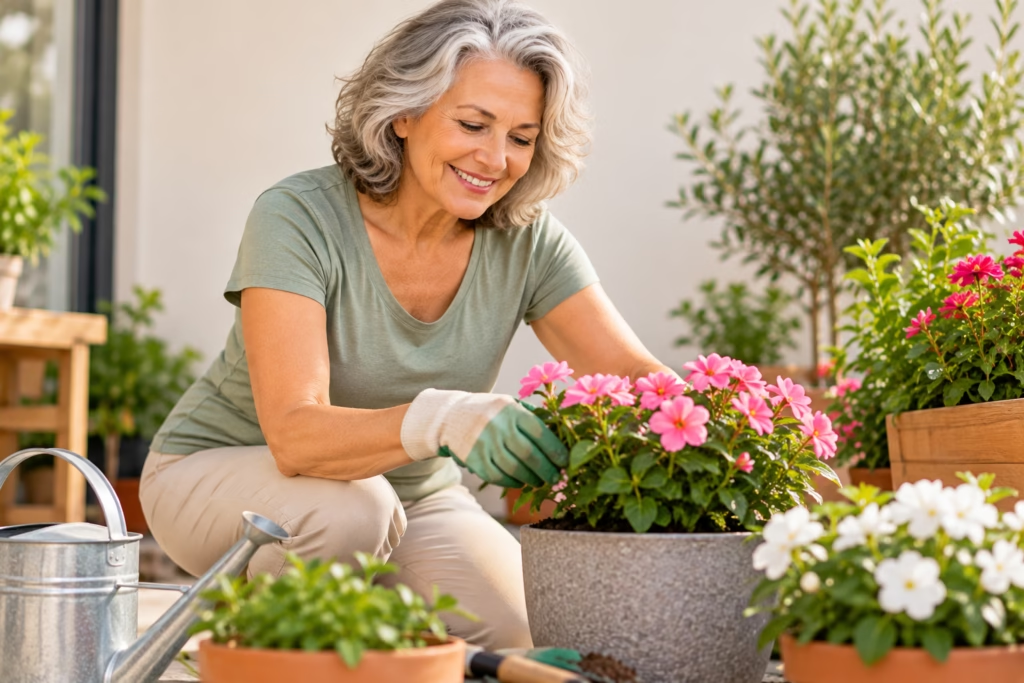
Think beyond exercise. Think about everyday freedom.
Wouldn’t it be wonderful to climb stairs comfortably, carry groceries with confidence, or spend an afternoon gardening without feeling completely exhausted?
That’s one of the most meaningful reasons to stay active after 60.
Rather than exercising only to reach a fitness goal, think about movement as a way to protect your independence.
A balanced routine can include three types of activity:
Walking for heart health
A comfortable daily walk supports cardiovascular health, circulation, and endurance. Start with 10 minutes and gradually increase your walking time as your fitness improves.
Strength exercises for everyday tasks
Simple movements such as chair sit-to-stands, wall push-ups, and standing calf raises help strengthen muscles used in daily life.
Try a few controlled repetitions, resting when needed.
Balance exercises for confidence
Standing near a sturdy countertop while practicing heel-to-toe standing or gentle single-leg balance can help improve stability.
Keep a hand close to support and avoid exercises that make you feel unsteady.
For most older adults, general activity guidelines recommend working toward 150 minutes of moderate aerobic activity weekly, muscle-strengthening activities at least twice a week, and regular balance training.
However, you can begin with much less and gradually build up.
The goal isn’t to exercise harder than everyone else. It’s to keep doing the activities that make your life enjoyable.
4. Create an Evening Routine That Helps You Wake Up Refreshed
Do you ever wake up feeling tired even after spending several hours in bed?
Sleep patterns can change as we age. Some women notice lighter sleep, earlier wake-up times, or more frequent interruptions during the night.
Although these changes can be common, consistently poor sleep shouldn’t simply be dismissed as part of getting older.
A peaceful evening routine can help prepare your mind and body for rest.
Try this simple nighttime reset:
- Dim bright lights about an hour before bedtime.
- Put away stimulating television programs and phone activities.
- Spend five minutes doing gentle stretches or slow breathing.
- Keep your bedroom comfortably cool, quiet, and dark.
- Aim for a consistent bedtime and wake-up schedule.
Getting natural daylight during the morning and staying physically active during the day may also support a healthier sleep-wake rhythm.
Most adults over 65 generally need around seven to eight hours of sleep, although individual needs vary.
If you regularly struggle to sleep or experience excessive daytime sleepiness, discuss it with your healthcare professional.
Small reminder: A restful night often begins with the choices you make long before bedtime.
5. Don’t Wait Until You’re Thirsty to Drink Water

Here’s an easy habit that often gets overlooked: drinking enough fluids throughout the day.
As we age, our sense of thirst may become less noticeable. That means you might not always feel thirsty even when your body needs fluids.
Dehydration can contribute to headaches, constipation, dizziness, and fatigue.
Fortunately, staying hydrated doesn’t have to be complicated.
Try keeping a glass of water nearby while reading, working in the kitchen, or relaxing.
Other simple ideas include:
- Drink water with meals.
- Enjoy water-rich foods such as oranges, cucumbers, and watermelon.
- Choose unsweetened herbal tea when you want something warm.
- Keep a reusable water bottle within easy reach.
- Drink additional fluids during hot weather or physical activity.
There isn’t one perfect water target for every woman over 60. Your needs depend on factors such as activity, weather, medications, and medical conditions.
Some people with heart or kidney conditions may need specific fluid guidance from their healthcare provider.
An easy place to begin: Make drinking a glass of water with breakfast part of your morning routine.
6. Pay Attention to Small Changes in How You Feel
One of the most valuable healthy aging habits has nothing to do with exercise or food.
It’s learning to listen to your body.
Maybe you’ve noticed that getting out of a chair feels harder than it did last year. Perhaps you’re feeling unusually tired, losing confidence in your balance, or finding certain everyday tasks more challenging.
These changes are worth paying attention to rather than automatically assuming they’re inevitable.
Regular checkups can help you discuss concerns before they begin affecting your quality of life.
Consider asking your healthcare professional about:
- Bone health and osteoporosis screening
- Blood pressure and recommended health screenings
- Medications that may affect sleep, energy, or balance
- Nutritional needs, including vitamin D, calcium, and vitamin B12
- Safe exercise options for your current fitness level
A registered dietitian can help with nutritional concerns, while a qualified fitness professional or physical therapist can help adapt exercises to your abilities.
Remember: Taking care of your health isn’t about trying to feel 30 again. It’s about giving yourself the best opportunity to feel capable, confident, and comfortable at the age you are now.
A Simple 7-Day Healthy Aging Challenge
You don’t need to adopt all six habits immediately. Instead, try one small action each day.
| Day | Your small healthy habit |
|---|---|
| Monday | Add a protein-rich food to breakfast. |
| Tuesday | Take a comfortable 10-minute walk. |
| Wednesday | Practice gentle balance exercises near a sturdy support. |
| Thursday | Drink water regularly throughout the day. |
| Friday | Enjoy one meal without distractions. |
| Saturday | Create a relaxing 15-minute bedtime routine. |
| Sunday | Reflect on which habits helped you feel your best. |
At the end of the week, ask yourself: Which habit felt easiest? Which one would I like to continue?
You may be surprised by how rewarding a few consistent changes can feel.
Final Thoughts: Your 60s Can Be a Time to Thrive
Healthy aging isn’t about following strict rules or doing everything perfectly.
It’s about waking up with a little more energy, moving with greater confidence, enjoying nourishing meals, and feeling capable of doing the things you love.
Some days, that might mean taking a long walk. Other days, it might mean preparing a healthy meal, spending time outdoors, or giving yourself permission to rest.
Every positive choice matters.
You don’t have to change your entire lifestyle to improve your well-being. Start with one small habit, practice it consistently, and build from there.
And here’s a question worth thinking about:
What’s one thing you’d love to keep doing comfortably and independently for the next 10 or 20 years?
Let that be your motivation for taking care of yourself today.